
Teachings
- Teaching 1
- Teaching 2
- Teaching 3
- Teaching 4
- Teaching 5
- Teaching 6
- Teaching 7
- Teaching 8
- Teaching 9
- Teaching 10
- Teaching 11
- Teaching 12
- Teaching 13
- Teaching 14
- Teaching 15
- Teaching 16
- Teaching 17
- Teaching 18
- Teaching 19
- Teaching 20
- Teaching 21
- Teaching 22
- Teaching 23
- Teaching 24
- Teaching 25
- Teaching 26
- Teaching 27
- Teaching 28
- Teaching 29
- Teaching 30
- Teaching 31
- Teaching 32
- Teaching 33
- Teaching 34
- Teaching 35
- Teaching 36
- Teaching 37
- Teaching 38
- Teaching 39
- Teaching 40
- Teaching 41
- Teaching 42
- Teaching 43
- Teaching 44
- Teaching 45
- Teaching 46
- Teaching 47
- Teaching 48
- Teaching 49
- Teaching 50
- Teaching 51
- Teaching 52
- Teaching 53
- Teaching 54
- Teaching 55
- Teaching 56
- Teaching 57
- Teaching 58
- Teaching 59
- Teaching 60
- Teaching 61
- Teaching 62
- Teaching 63
- Teaching 64
- Teaching 65
- Teaching 66
- Teaching 67
- Teaching 68
- Teaching 69
- Teaching 70
- Teaching 71
- Teaching 72
- Teaching 73
- Teaching 74
- Teaching 75
- Teaching 76
- Teaching 77
- Teaching 78
- Teaching 79
- Teaching 80
- Teaching 81
- Teaching 82
- Teaching 83
- Teaching 84
- Teaching 85
- Teaching 86
- Teaching 87
- Teaching 88
- Teaching 89
- Teaching 90
- Teaching 91
- Teaching 92
- Teaching 93
- Teaching 94
- Teaching 95
- Teaching 96
- Teaching 97
- Teaching 98
- Teaching 99
- Teaching 100
- Teaching 101
- Teaching 102
- Teaching 103
- Teaching 104
- Teaching 105
- Teaching 106
- Teaching 107
- Teaching 108
- Teaching II-1
- Teaching II-2
- Teaching II-3
- Teaching II-4
- Teaching II-5
- Teaching II-6
- Teaching II-7
- Teaching II-8
- Teaching II-9
- Teaching II-10
- Teaching II-11
- Teaching II-12
- Teaching II-13
- Teaching II-14
- Teaching II-15
- Teaching II-16
- Teaching II-17
- Teaching II-18
- Teaching II-19
- Teaching II-20
- Teaching II-21
- Teaching II-22
- Teaching II-23
- Teaching II-24
- Teaching II-25
- Teaching II-26
- Teaching II-27
- Teaching II-28
- Teaching II-29
- Teaching II-30
Children
Sefer Hamidos - The Book of Traits · 138 individual teachings
כָּל הַבּוֹכֶה וּמִתְאַבֵּל עַל אָדָם כָּשֵׁר, זוֹכֶה לְגַדֵּל אֶת בָּנָיו.
1. Anyone who cries and mourns over an upright man merits to raise his children.
📷 Pictures / videos for this teaching

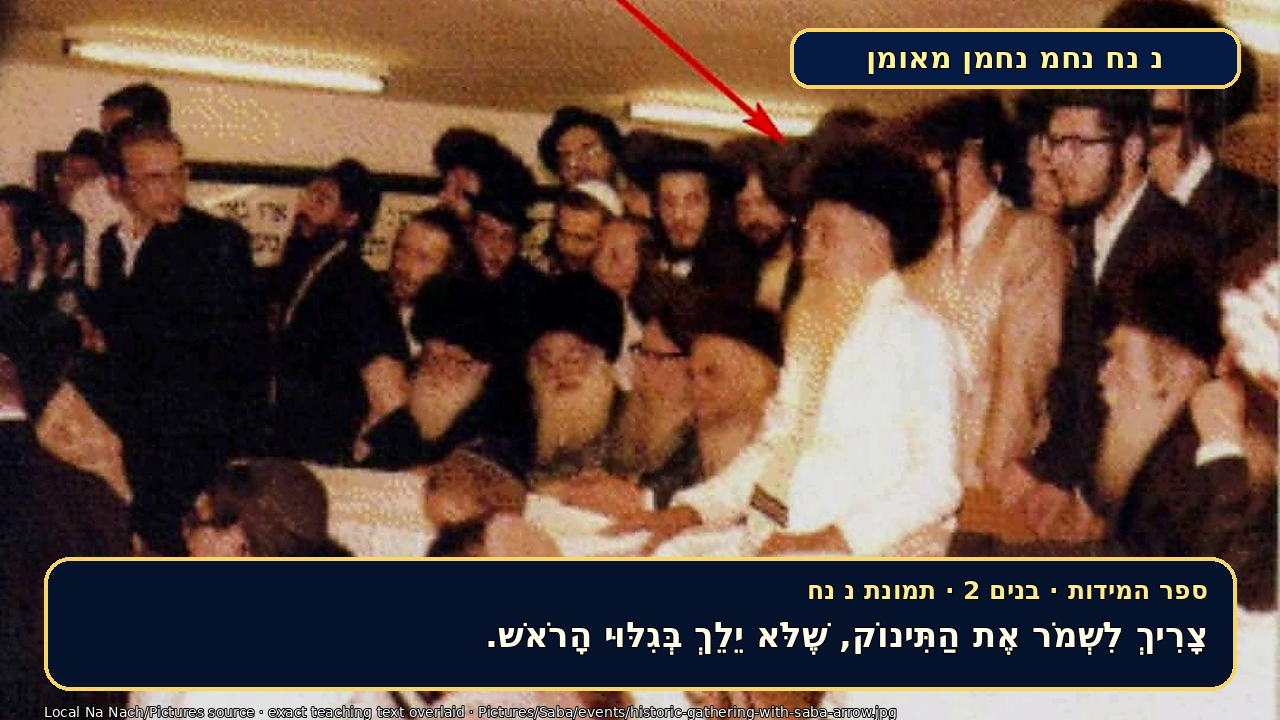
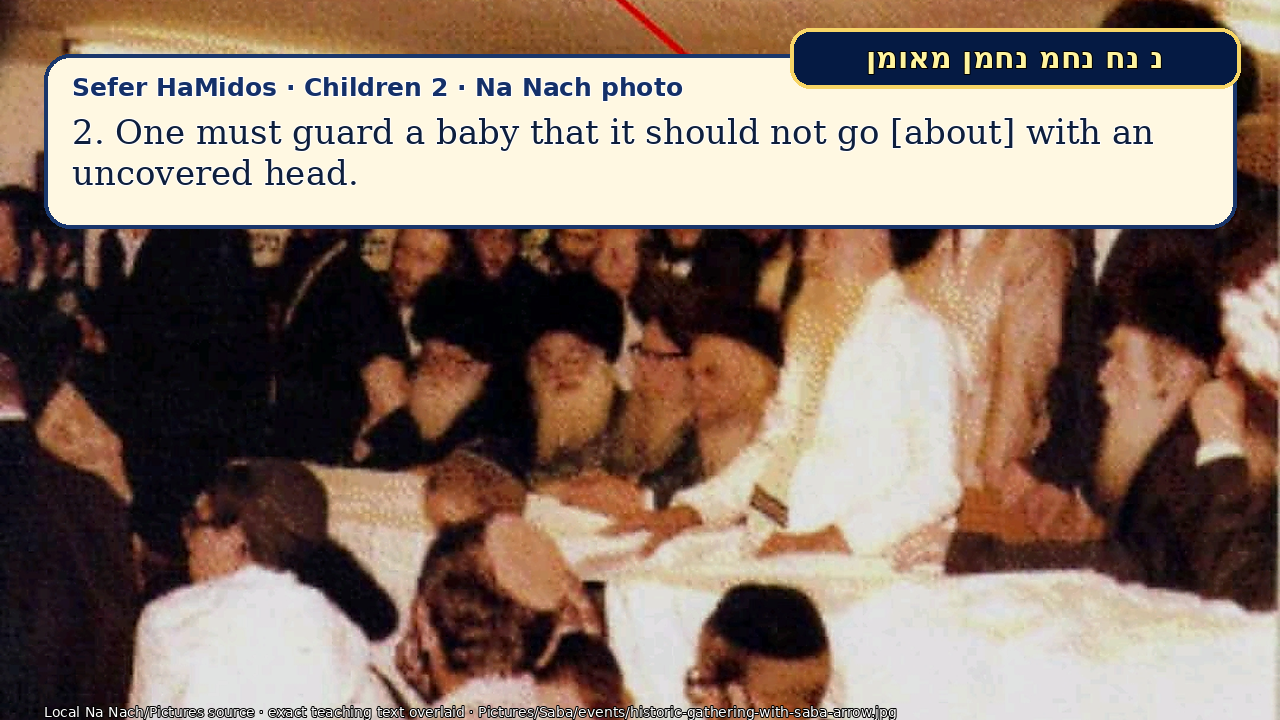
צָרִיךְ לִשְׁמֹר אֶת הַתִּינוֹק, שֶׁלֹּא יֵלֵךְ בְּגִלּוּי הָרֹאשׁ.
2. One must guard a baby that it should not go [about] with an uncovered head.
📷 Pictures / videos for this teaching
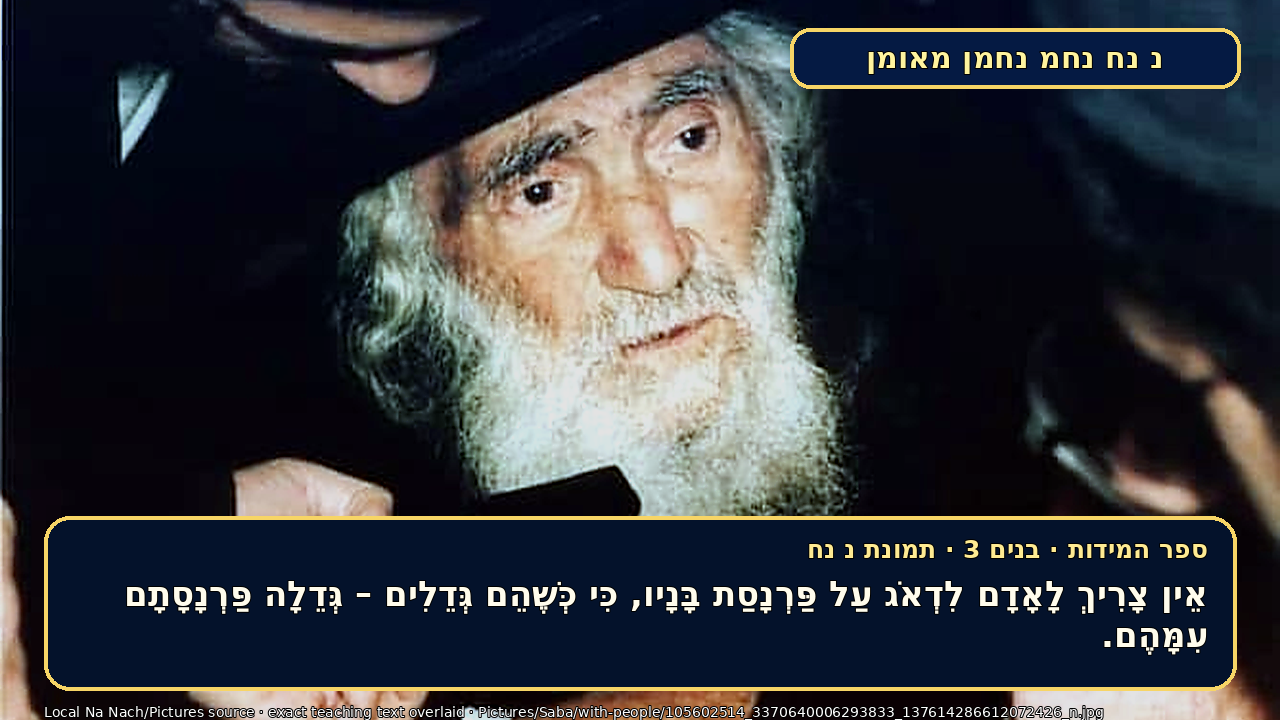
אֵין צָרִיךְ לָאָדָם לִדְאֹג עַל פַּרְנָסַת בָּנָיו, כִּי כְּשֶׁהֵם גְּדֵלִים – גְּדֵלָה פַּרְנָסָתָם עִמָּהֶם.
3. A man does not need to worry about the income of his children. For, as they grow, their income grows with them.
📷 Pictures / videos for this teaching
מִי שֶׁמְּבַטֵּל אֶת חֲבֵרוֹ מִפִּרְיָּה וְרִבְיָּה, הוֹלֵךְ לִשְׁאוֹל בְּלֹא וָלָד.
4. One who causes his friend to abstain (translator's note: even temporarily) from (the commandment of) be fruitful and multiply (i.e. to engage in kosher relations with his wife, to bring children into the world), will go to Sheol childless.
📷 Pictures / videos for this teaching
כָּל הַכּוֹפֶה אִשְׁתּוֹ לִדְבַר־מִצְוָה, הֲוֵי לֵהּ בָּנִים שֶׁאֵינָם מְהֻגָּנִים.
5. One who forces his wife to have relations with him (even when it is a mitzva), will have children that are not proper (upstanding).
📷 Pictures / videos for this teaching
אִשָּׁה שֶׁדָּמֶיהָ מְרֻבִּים – צַעַר גִּדּוּל בָּנִים שֶׁלָּהּ יוֹתֵר בְּעִצָּבוֹן.
6. A woman who bleeds (menstrual blood) excessively, her pain in bringing children into the world is greater.
📷 Pictures / videos for this teaching
בַּת כֹּהֵן לְיִשְׂרָאֵל, בַּת תַּלְמִיד־חָכָם לְעַם־הָאָרֶץ – זֶרַע אֵין לָהּ.
7. A daughter of a Cohen (Priestly class) who marries an Israel (common class), and a daughter of a Torah scholar who marries one without education (lit. a person of the land), will not have children (lit. seed).
📷 Pictures / videos for this teaching
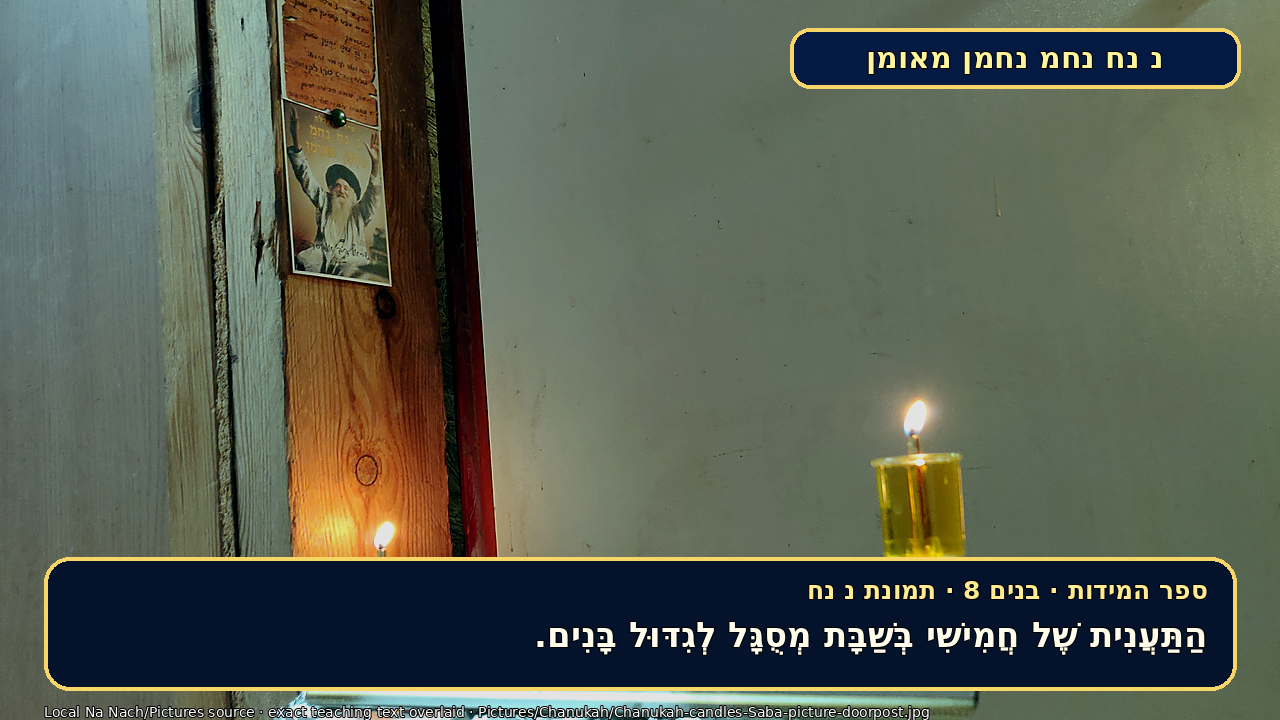
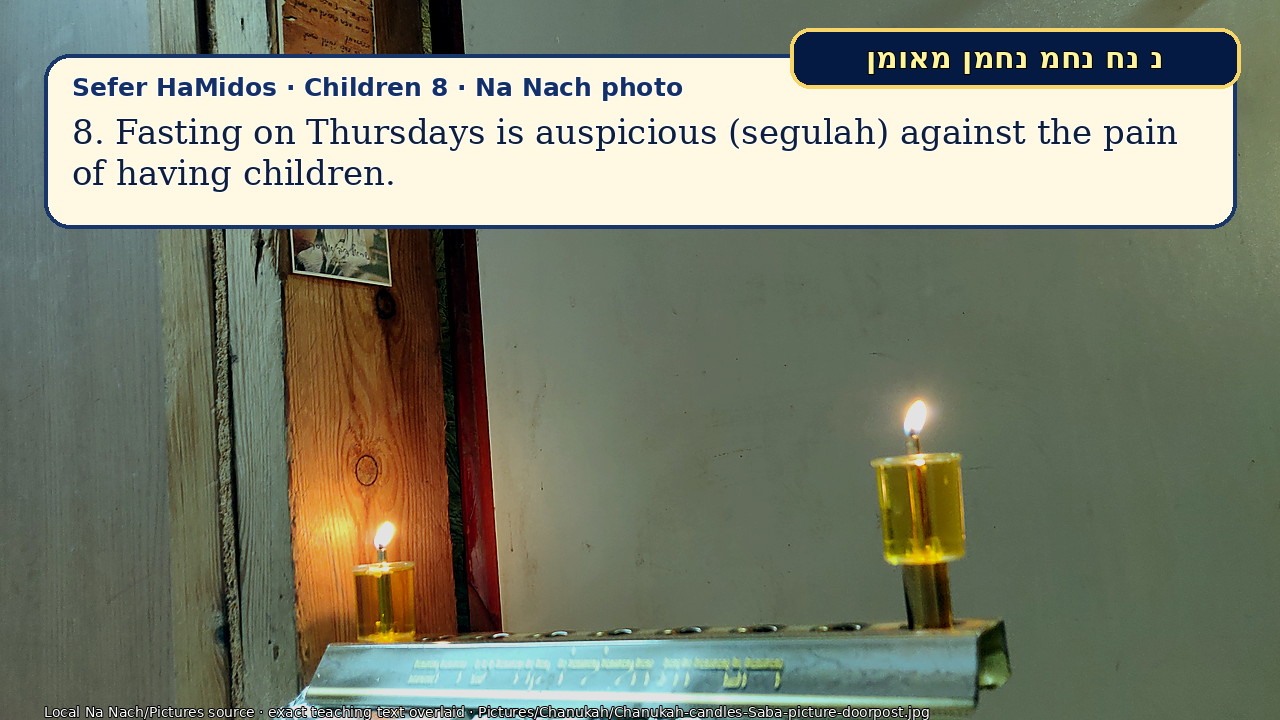
הַתַּעֲנִית שֶׁל חֲמִישִׁי בְּשַׁבָּת מְסֻגָּל לְגִדּוּל בָּנִים.
8. Fasting on Thursdays is auspicious (segulah) against the pain of having children.
📷 Pictures / videos for this teaching
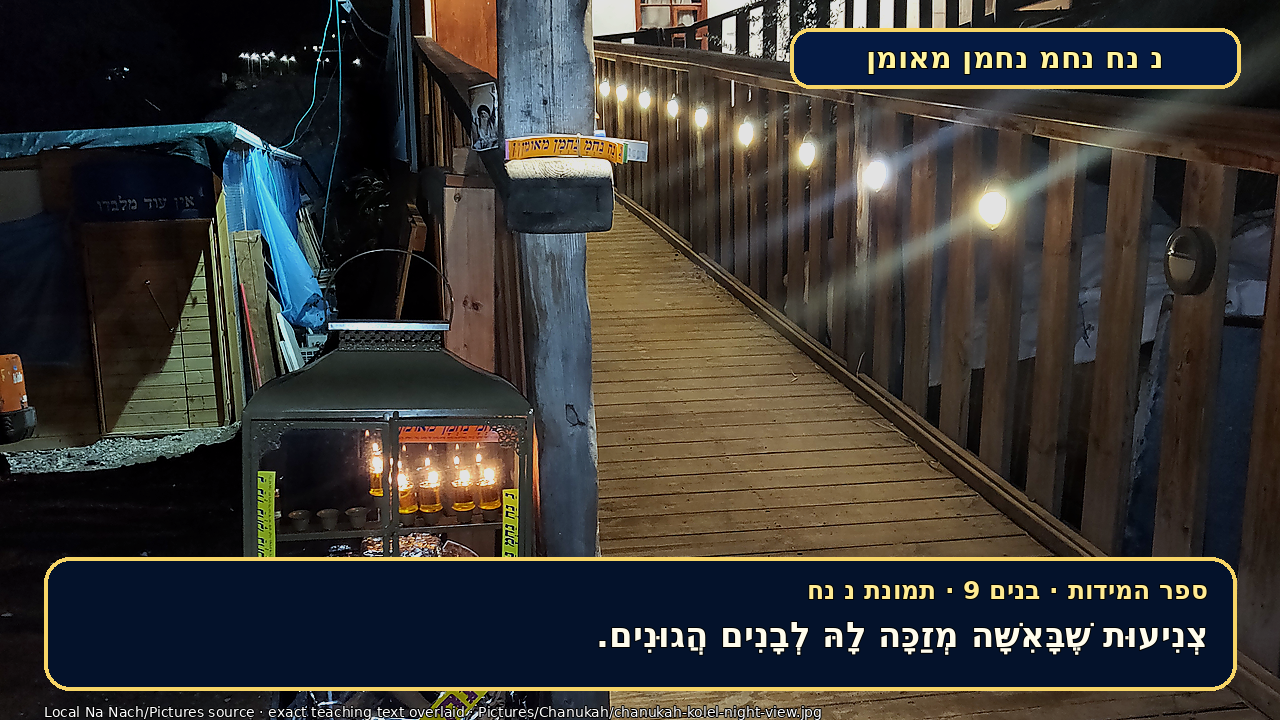
צְנִיעוּת שֶׁבָּאִשָּׁה מְזַכָּה לָהּ לְבָנִים הֲגוּנִים.
9. The modesty of a woman merits her to have upstanding children.
📷 Pictures / videos for this teaching
עַל־יְדֵי שִׂמְחַת יוֹם־טוֹב וְעַל־יְדֵי הֲנָחַת תְּפִלִּין כָּרָאוּי, תֵּלֵד אִשְׁתּוֹ בָּנִים זְכָרִים.
10. Through the joy of the festivals, and through the proper donning of Tefillin, one's wife will give birth to sons.
📷 Pictures / videos for this teaching
לִפְעָמִים מִי שֶׁאֵין לוֹ בָּנִים, וּכְשֶׁמִּתְפַּלְּלִין עָלָיו שֶׁיִּהְיֶה לוֹ בָּנִים, הוּא מֵת.
11. Sometimes, when one does not have children, and others pray for him that he should have, he dies.
📷 Pictures / videos for this teaching
בַּעֲווֹן נְדָרִים בָּנִים מֵתִים.
12. For the sin of (not upholding one's) vows, children die.
📷 Pictures / videos for this teaching
שִׁנּוּי מָקוֹם גּוֹרֵם לְבָנִים.
13. Change of habitat causes (the ability) to have children.
📷 Pictures / videos for this teaching
בָּנִים גְּדוֹלִים אֵינָם מֵתִים בַּעֲווֹן אֲבוֹתֵיהֶם, אֲבָל בְּמָקוֹם שֶׁיֵּשׁ חִלּוּל הַשֵּׁם אֲפִלּוּ גְּדוֹלִים מֵתִים.
14. Grown children do not die for the sins of their fathers. But in a place where the Name of G-d is profaned, even grown children die.
📷 Pictures / videos for this teaching
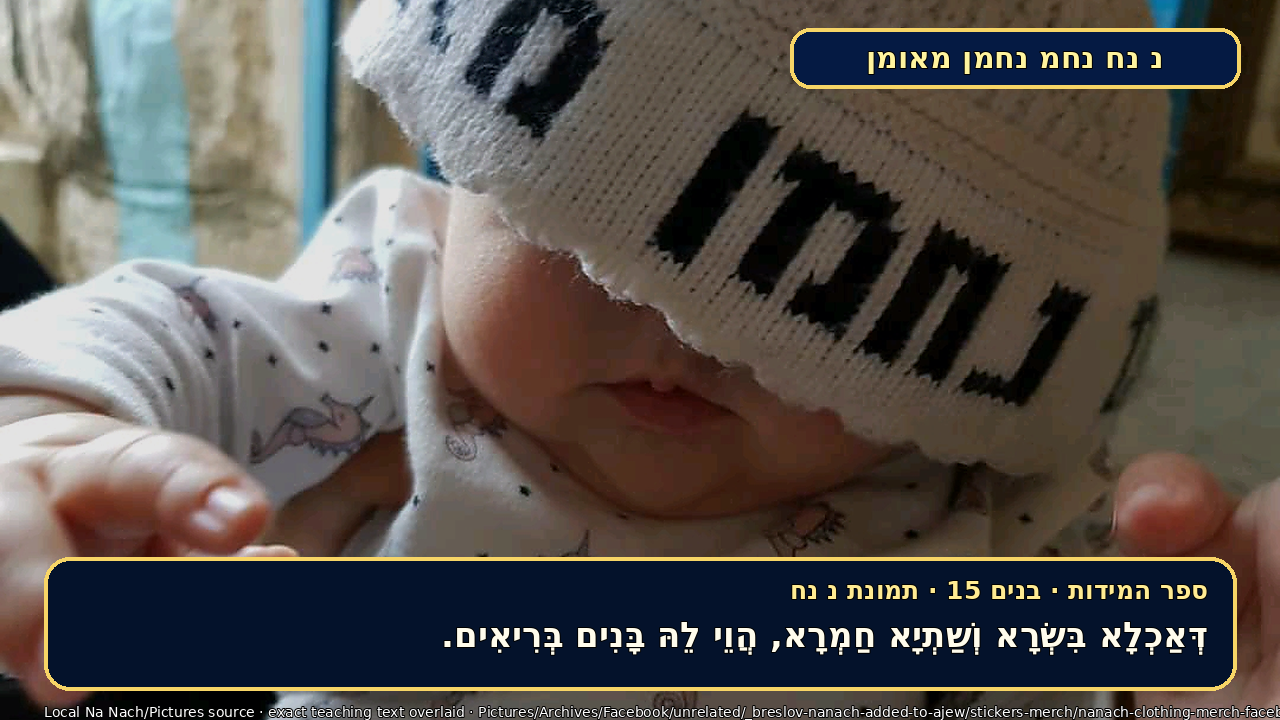
דְּאַכְלָא בִּשְׂרָא וְשַׁתְיָא חַמְרָא, הֲוֵי לֵהּ בָּנִים בְּרִיאִים.
15. One who eats meat and drinks wine will have healthy children.
📷 Pictures / videos for this teaching
הַמִּסְתַּכֵּל בַּעֲקֵבָהּ שֶׁל אִשָּׁה וּבְאִשְׁתּוֹ נִדָּה, הֲוֵי לֵהּ בָּנִים שֶׁאֵינָם מְהֻגָּנִים.
16. One who looks at the heel of a woman, or at his wife when she is in her days of impurity, will have improper children.
📷 Pictures / videos for this teaching
הַדָּר עֶשֶׂר שָׁנִים בְּאֶרֶץ־יִשְׂרָאֵל וְאֵין לוֹ בָּנִים, יוֹצִיא, שֶׁמָּא לֹא זָכָה לְהִבָּנוֹת מִמֶּנָּהּ.
17. One who lives ten years in the land of Israel and does not have children should divorce his wife, lest he did not merit to [have his lineage] built by her.
📷 Pictures / videos for this teaching
מַה יַּעֲשֶׂה אָדָם, וְיִהְיֶה לוֹ בָּנִים זְכָרִים? יִשָּׂא אִשָּׁה הַהוֹגֶנֶת לוֹ, וִיקַדֵּשׁ אֶת עַצְמוֹ בִּשְׁעַת תַּשְׁמִישׁ, וִיבַקֵּשׁ מִמִּי שֶׁהַבָּנִים שֶׁלּוֹ.
18. What should a man do to have male children? He should marry a woman who is fitting to him, sanctify himself at the time of marital relations, and ask [for sons] from the One to whom all sons belong.
📷 Pictures / videos for this teaching
כָּל הַמּוֹלִיד – בְּדוֹמֶה לוֹ הוּא מוֹלִיד.
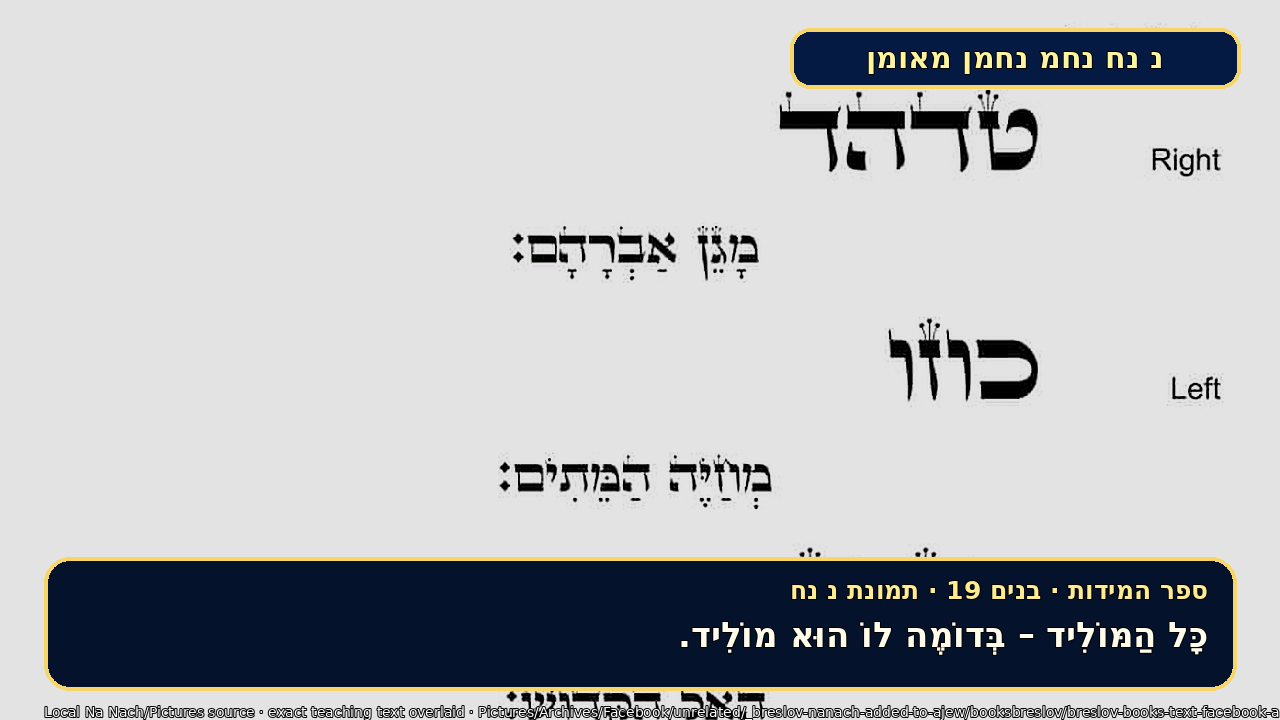
19. Anyone who begets a child, brings forth a child similar to himself.
📷 Pictures / videos for this teaching
יִשְׁמֹר אָדָם אֶת עַצְמוֹ, מִלָּקֹץ אֵיזֶה אִילָן בְּלָא זְמַנֵּהּ, כִּי זֶה מַזִּיק לְגִדּוּל בָּנִים.
20. A man should beware not to cut down a tree before its time, for this harms the raising of his children.
📷 Pictures / videos for this teaching
כָּל הָרוֹדֵף צְדָקָה, זוֹכֶה לְבָנִים בַּעֲלֵי עֹשֶׁר, בַּעֲלֵי חָכְמָה, בַּעֲלֵי אַגָּדָה.
21. All who pursue (giving) charity, merit to have sons who are wealthy, wise, and proficient in the homiletic section of the Torah.
📷 Pictures / videos for this teaching
מַה יַּעֲשֶׂה אָדָם וְיִהְיֶה לוֹ בָּנִים? יְפַזֵּר מְעוֹתָיו לַעֲנִיִּים, וִישַׂמַּח אֶת אִשְׁתּוֹ לִפְנֵי תַּשְׁמִישׁ.
22. What should a man do to have children? He should spread his wealth to the poor, and cheer his wife before relations with her.
📷 Pictures / videos for this teaching
כְּשֵׁם שֶׁאָסוּר לַהֲרֹג אָדָם, כֵּן אָסוּר לָקֹץ אִילָן מַאֲכָל קֹדֶם זְמַנּוֹ.
23. Just as it is forbidden to murder a man, so it is forbidden to cut down a fruit tree before its time.
📷 Pictures / videos for this teaching
יוֹאָב, שֶׁלֹּא הִנִּיחַ בֵּן כְּמוֹתוֹ – נֶאֱמַר בּוֹ מִיתָה, דָּוִד, שֶׁהִנִּיחַ בֵּן כְּמוֹתוֹ – נֶאֱמַר בּוֹ שְׁכִיבָה.
24. Yoav, who did not leave a son similar to him (in his stead), it is said of him that he died. David, who did leave a son similar to him (in his stead), it is said of him that he layed [to rest].
📷 Pictures / videos for this teaching
בַּת תְּחִלָּה – לֹא שָׁלְטָה בְּהוּ עֵינָא בִּישָׁא.
25. One who has a daughter first, the evil eye will not have power over him.
📷 Pictures / videos for this teaching
כָּל הַמְגַדֵּל יָתוֹם בְּתוֹךְ בֵּיתוֹ, כְּאִלּוּ יְלָדוֹ.
26. One who raises an orphan in his home is as if he gave birth to him.
📷 Pictures / videos for this teaching
כָּל הַמְלַמֵּד בֶּן חֲבֵרוֹ תּוֹרָה, כְּאִלּוּ יְלָדוֹ.
27. One who teaches his friend's son Torah is as if he gave birth to him.
📷 Pictures / videos for this teaching
אַרְבָּעִים יוֹם קֹדֶם יְצִירַת הַוָּלָד יִתְפַּלֵּל עַל אִשְׁתּוֹ, שֶׁתֵּלֵד זָכָר.
28. Forty days (of the beginning of a pregnancy, which is) before the creation of the fetus, one should pray that his wife will give birth to a son.
📷 Pictures / videos for this teaching
מִי שֶׁמְּהַרְהֵר בִּזְנוּת, גַּם אִשְׁתּוֹ בָּאָה לִידֵי הִרְהוּרִים, וּכְשֶׁאִשְׁתּוֹ מְהַרְהֶרֶת, עַל־יְדֵי זֶה הַקְּלִפּוֹת בָּאִין עָלֶיהָ בַּחֲלוֹם, וְעַל־יְדֵי זֶה הַבָּנִים שֶׁלָּהּ מֵתִים.
29. One who thinks about promiscuity, his wife also comes to have such thoughts. And when his wife has promiscuous thoughts, the husks (evil forces) come to her (have relations with her) in a dream, and through this her children die.
📷 Pictures / videos for this teaching
מִי שֶׁמְּזַנֶּה, אִשְׁתּוֹ מְזַנָּה עָלָיו.
30. One who is promiscuous causes that his wife will commit adultery on him.
📷 Pictures / videos for this teaching
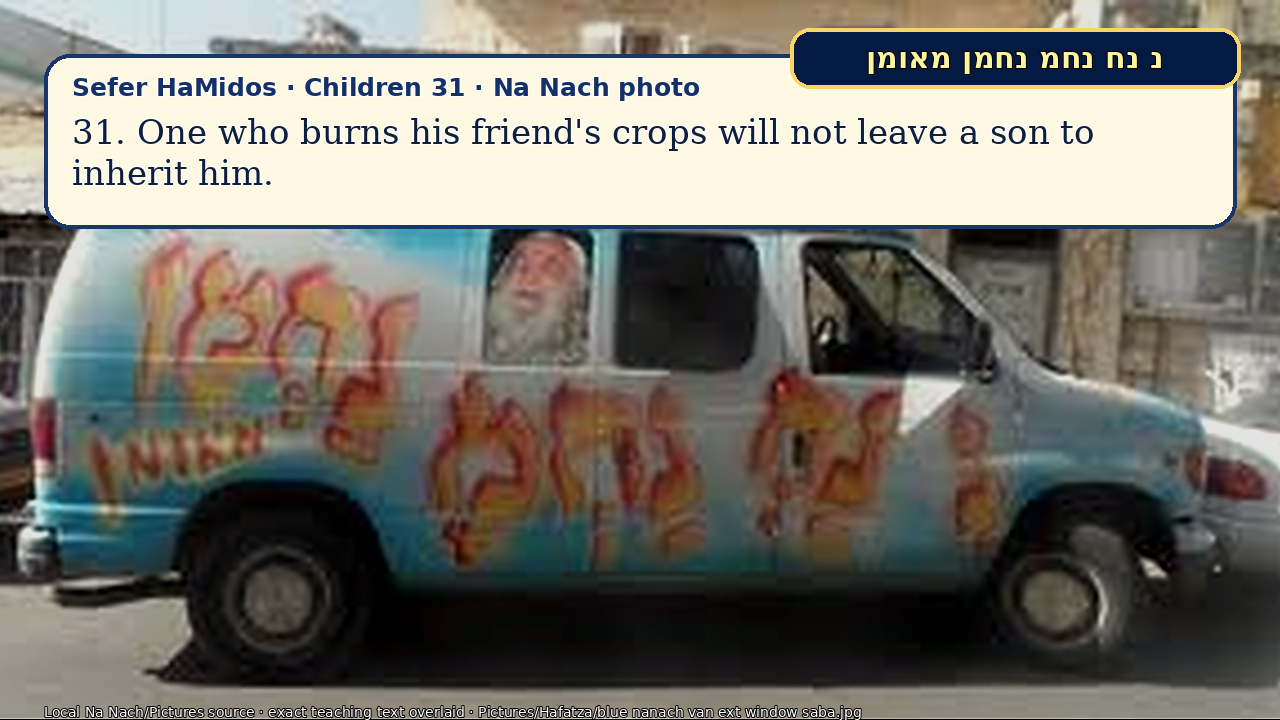
כָּל הַשּׂוֹרֵף תְּבוּאָתוֹ שֶׁל חֲבֵרוֹ, אֵינוֹ מַנִּיחַ בֵּן לְיָרְשׁוֹ.
31. One who burns his friend's crops will not leave a son to inherit him.
📷 Pictures / videos for this teaching
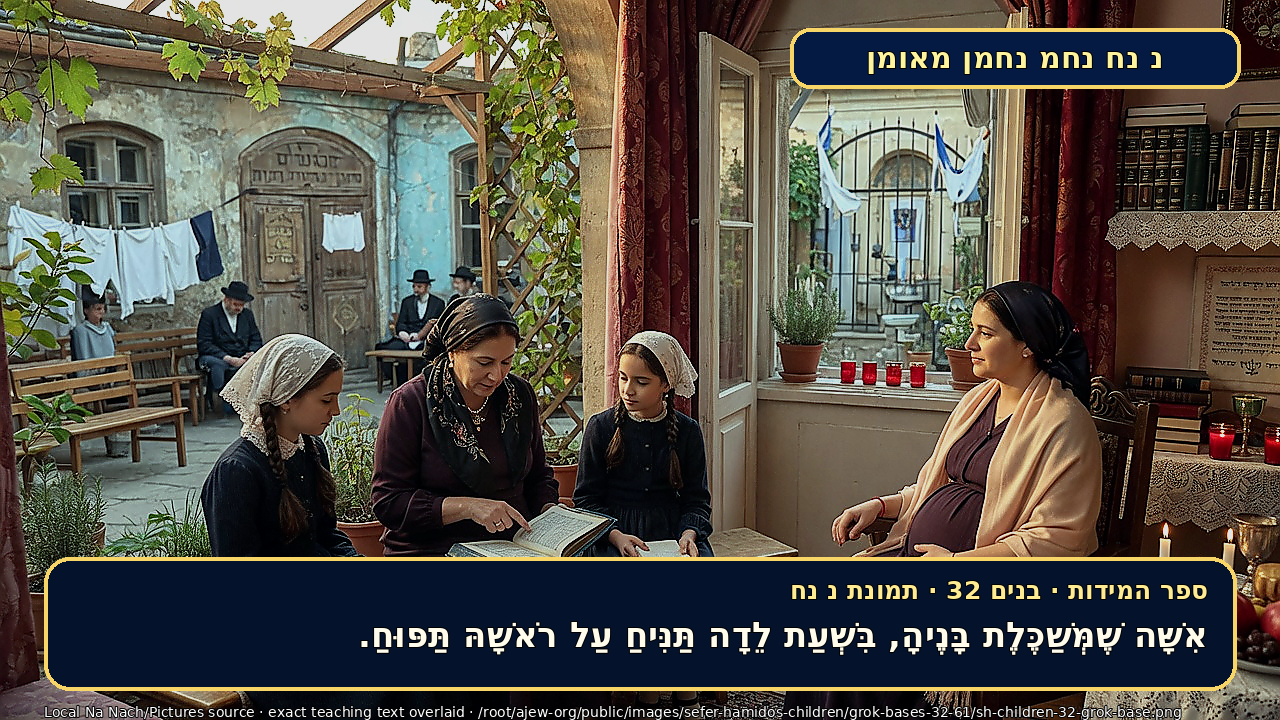
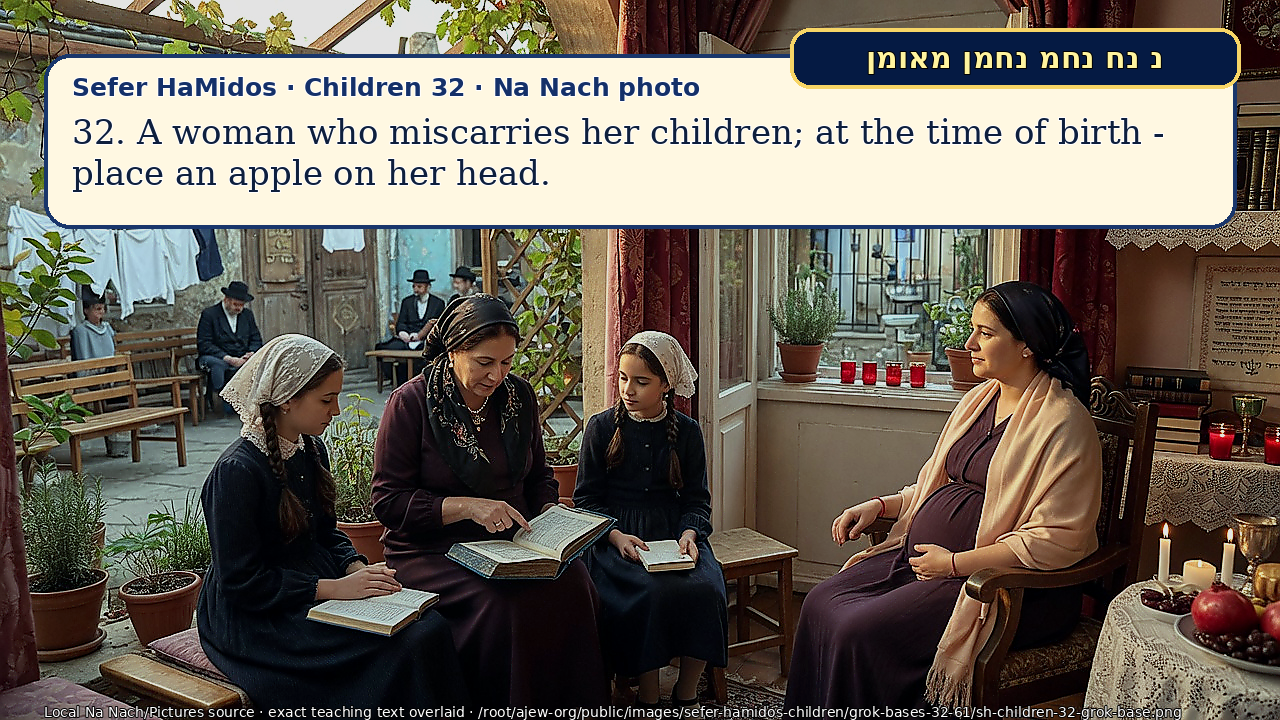
אִשָּׁה שֶׁמְּשַׁכֶּלֶת בָּנֶיהָ, בִּשְׁעַת לֵדָה תַּנִּיחַ עַל רֹאשָׁהּ תַּפּוּחַ.
32. A woman who miscarries her children; at the time of birth - place an apple on her head.
📷 Pictures / videos for this teaching
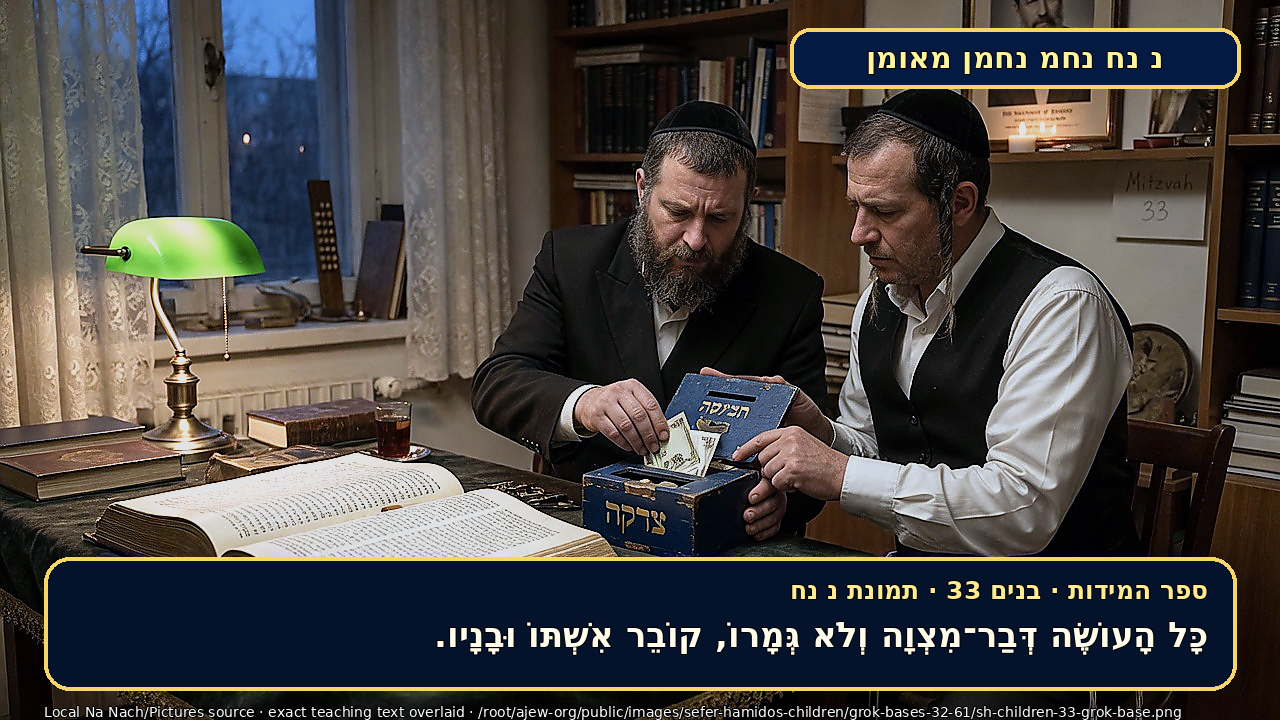
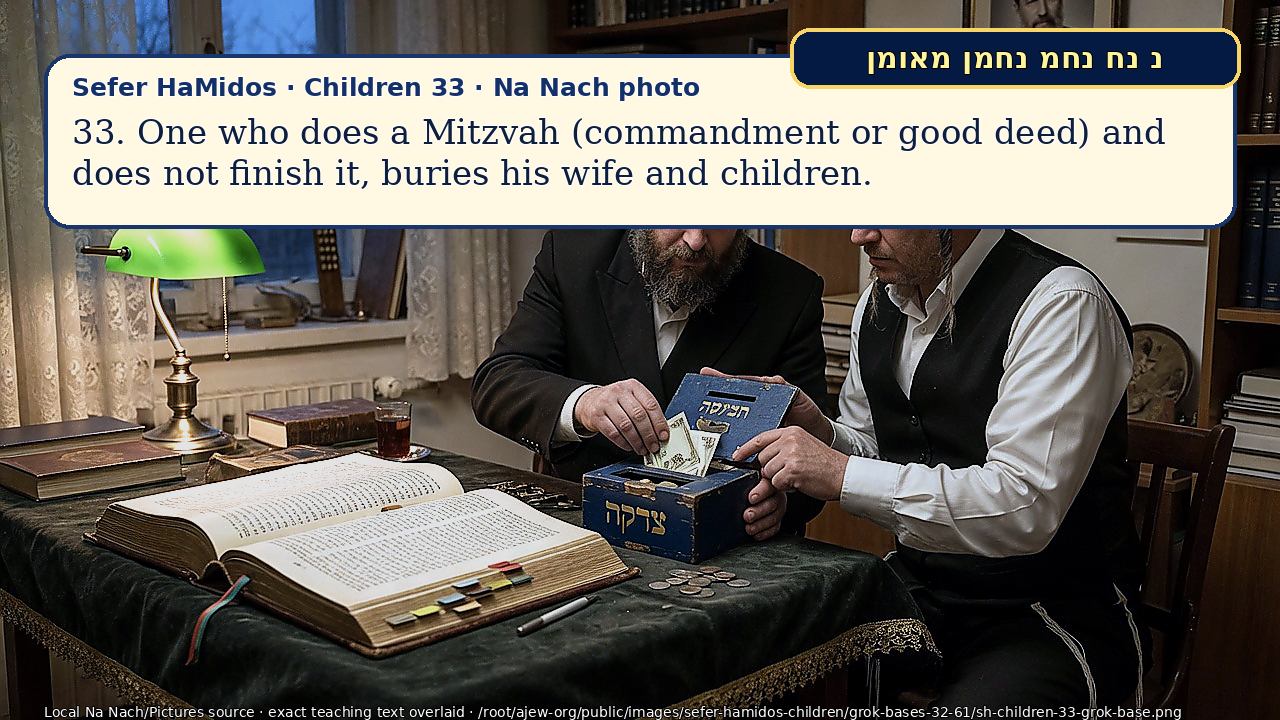
כָּל הָעוֹשֶׂה דְּבַר־מִצְוָה וְלֹא גְּמָרוֹ, קוֹבֵר אִשְׁתּוֹ וּבָנָיו.
33. One who does a Mitzvah (commandment or good deed) and does not finish it, buries his wife and children.
📷 Pictures / videos for this teaching
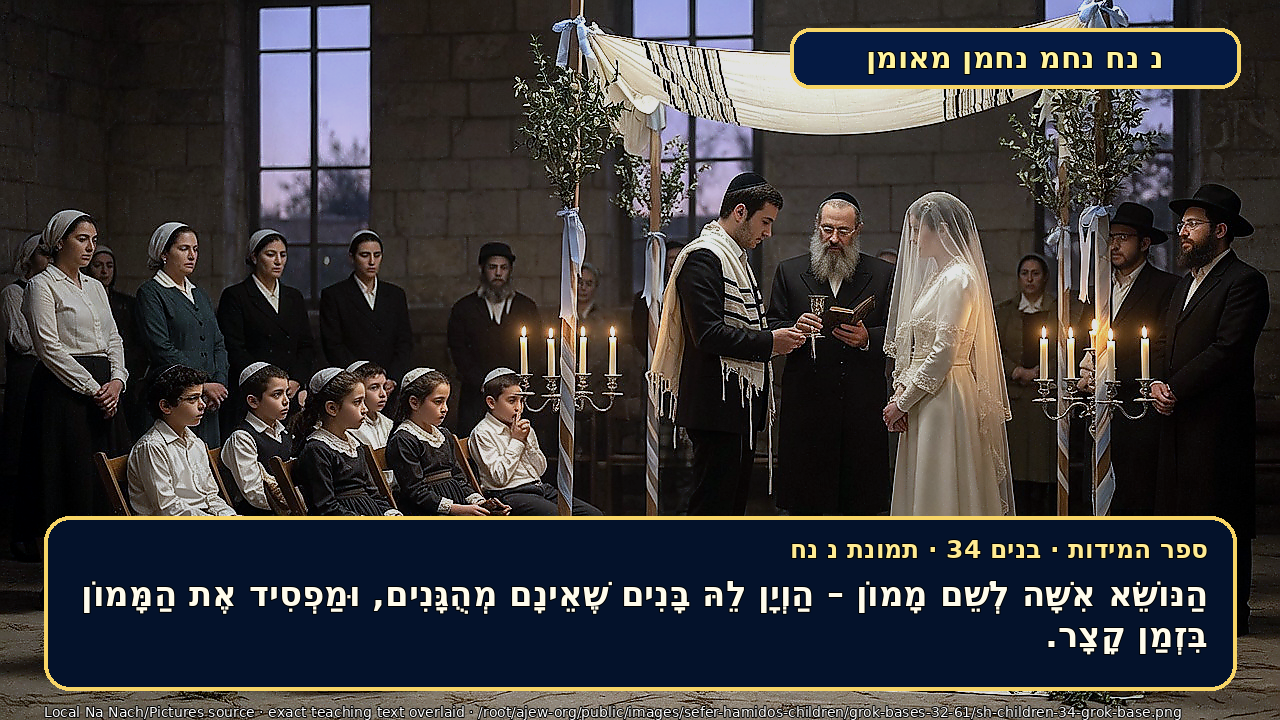
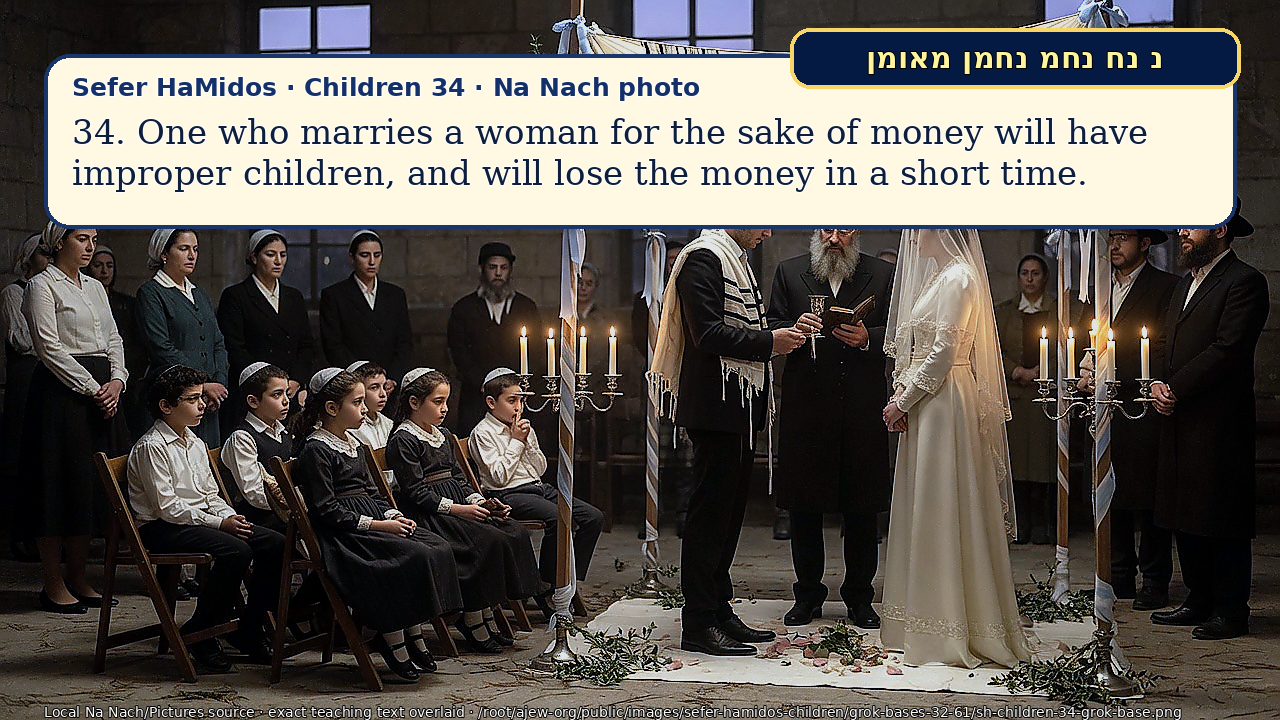
הַנּוֹשֵׂא אִשָּׁה לְשֵׁם מָמוֹן – הַוְיָן לֵהּ בָּנִים שֶׁאֵינָם מְהֻגָּנִים, וּמַפְסִיד אֶת הַמָּמוֹן בִּזְמַן קָצָר.
34. One who marries a woman for the sake of money will have improper children, and will lose the money in a short time.
📷 Pictures / videos for this teaching
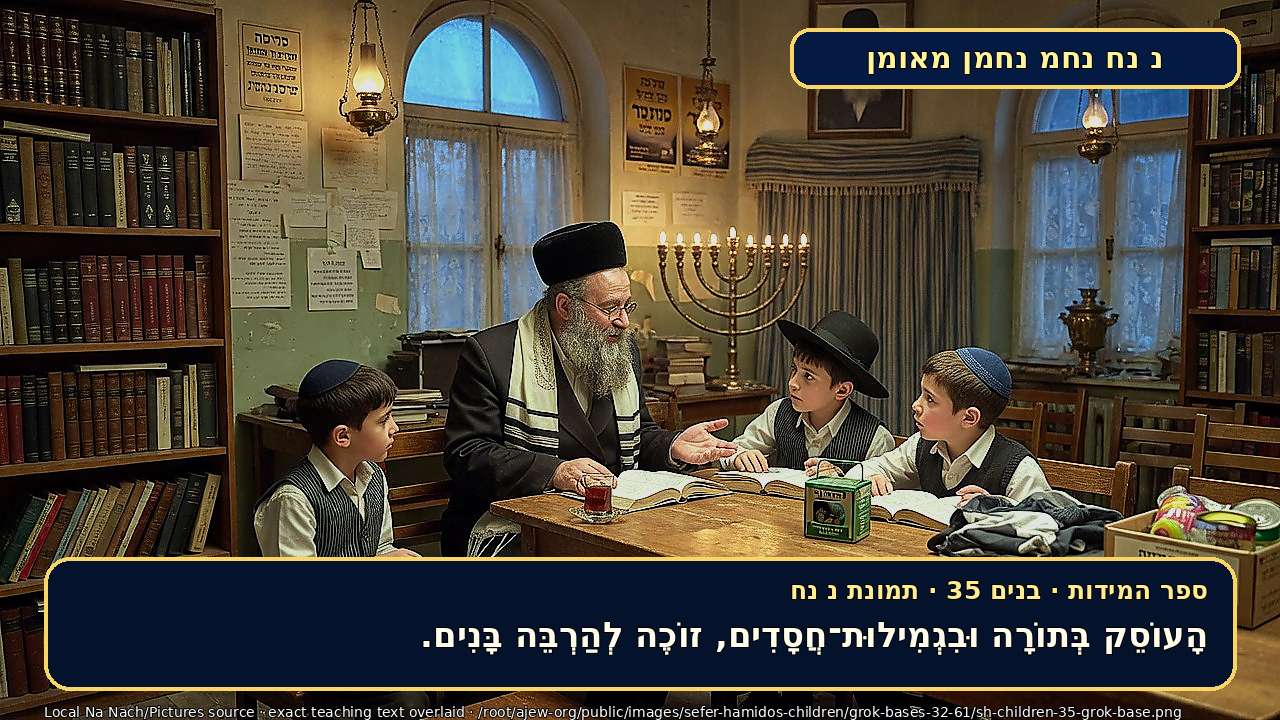
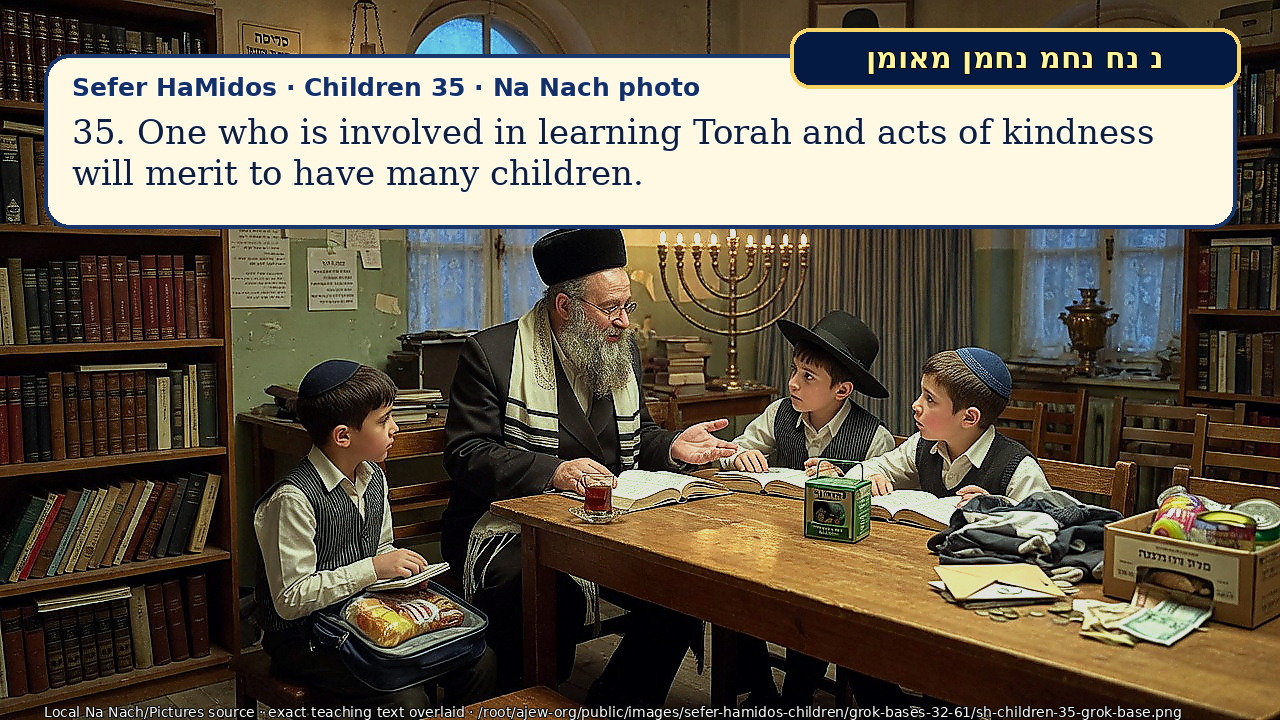
הָעוֹסֵק בְּתוֹרָה וּבִגְמִילוּת־חֲסָדִים, זוֹכֶה לְהַרְבֵּה בָּנִים.
35. One who is involved in learning Torah and acts of kindness will merit to have many children.
📷 Pictures / videos for this teaching
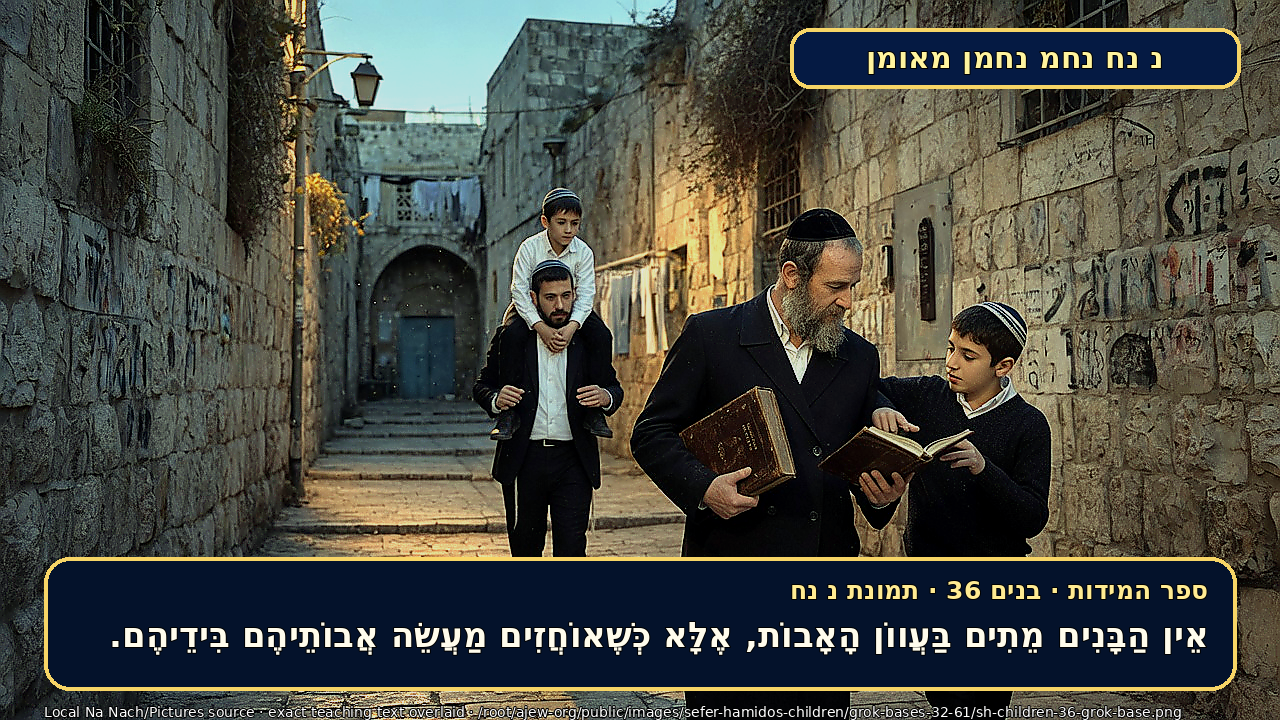
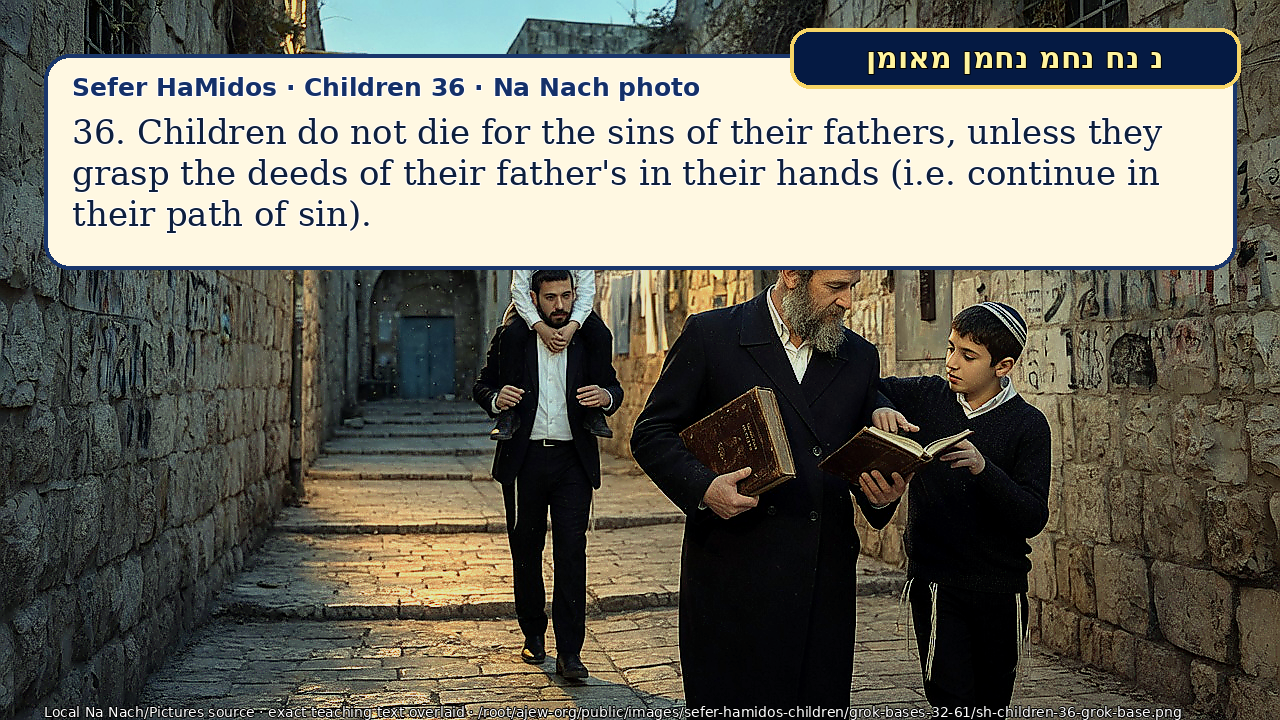
אֵין הַבָּנִים מֵתִים בַּעֲווֹן הָאָבוֹת, אֶלָּא כְּשֶׁאוֹחֲזִים מַעֲשֵׂה אֲבוֹתֵיהֶם בִּידֵיהֶם.
36. Children do not die for the sins of their fathers, unless they grasp the deeds of their father's in their hands (i.e. continue in their path of sin).
📷 Pictures / videos for this teaching
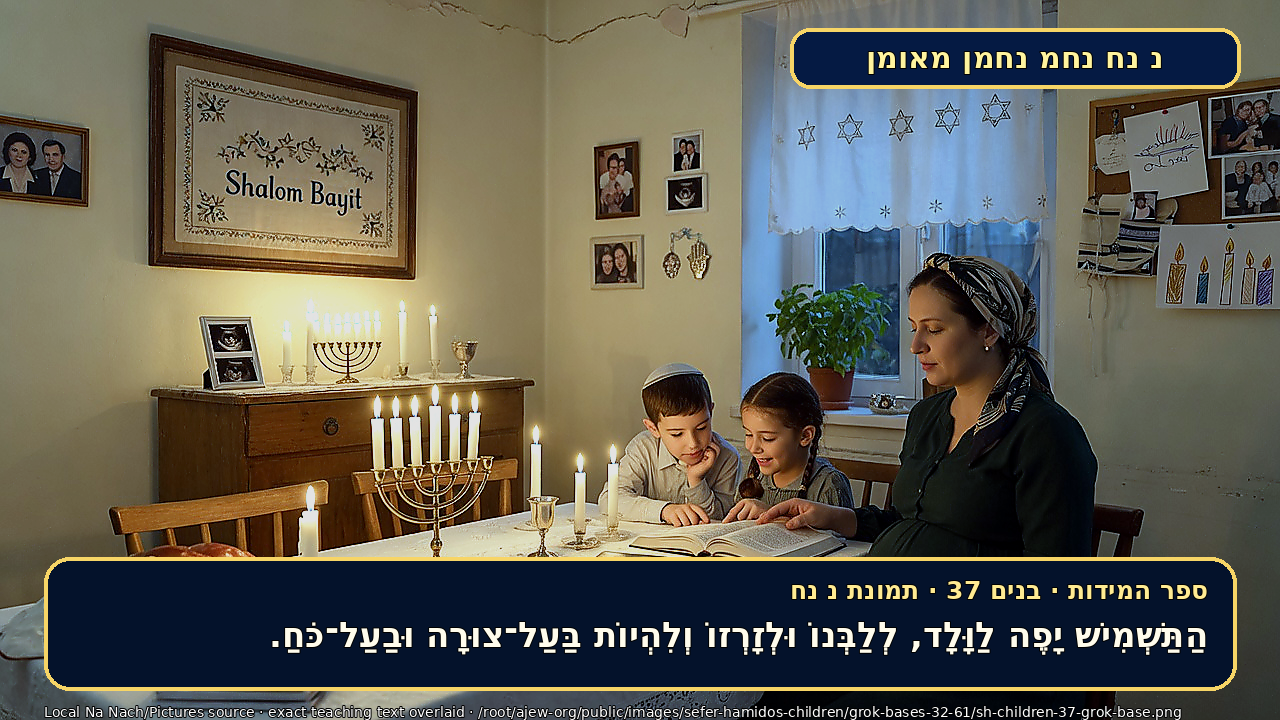
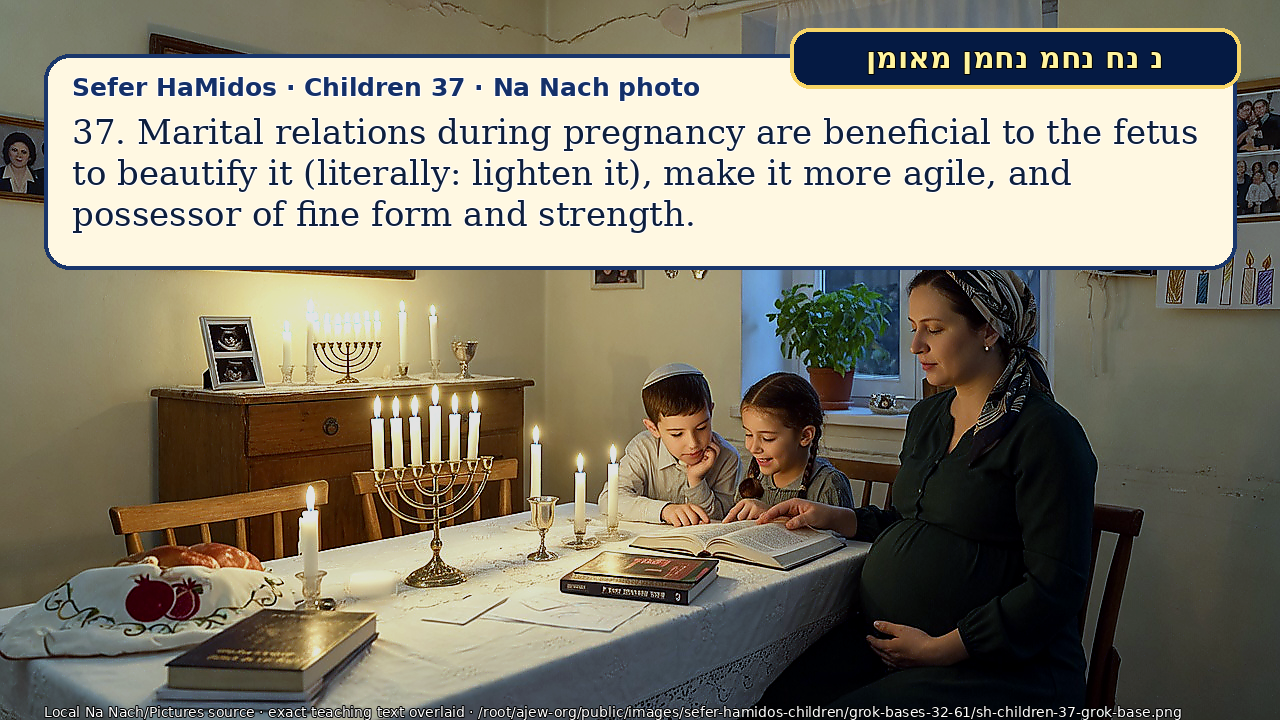
הַתַּשְׁמִישׁ יָפֶה לַוָּלָד, לְלַבְּנוֹ וּלְזָרְזוֹ וְלִהְיוֹת בַּעַל־צוּרָה וּבַעַל־כֹּחַ.
37. Marital relations during pregnancy are beneficial to the fetus to beautify it (literally: lighten it), make it more agile, and possessor of fine form and strength.
📷 Pictures / videos for this teaching
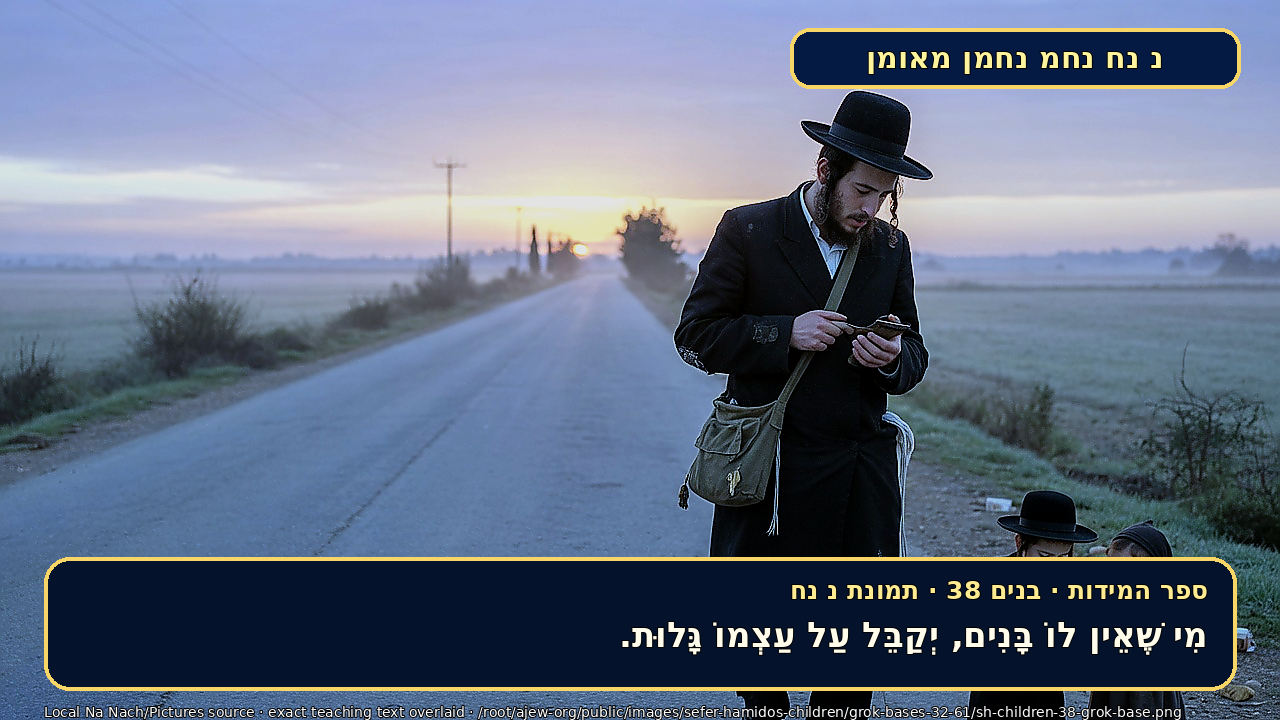
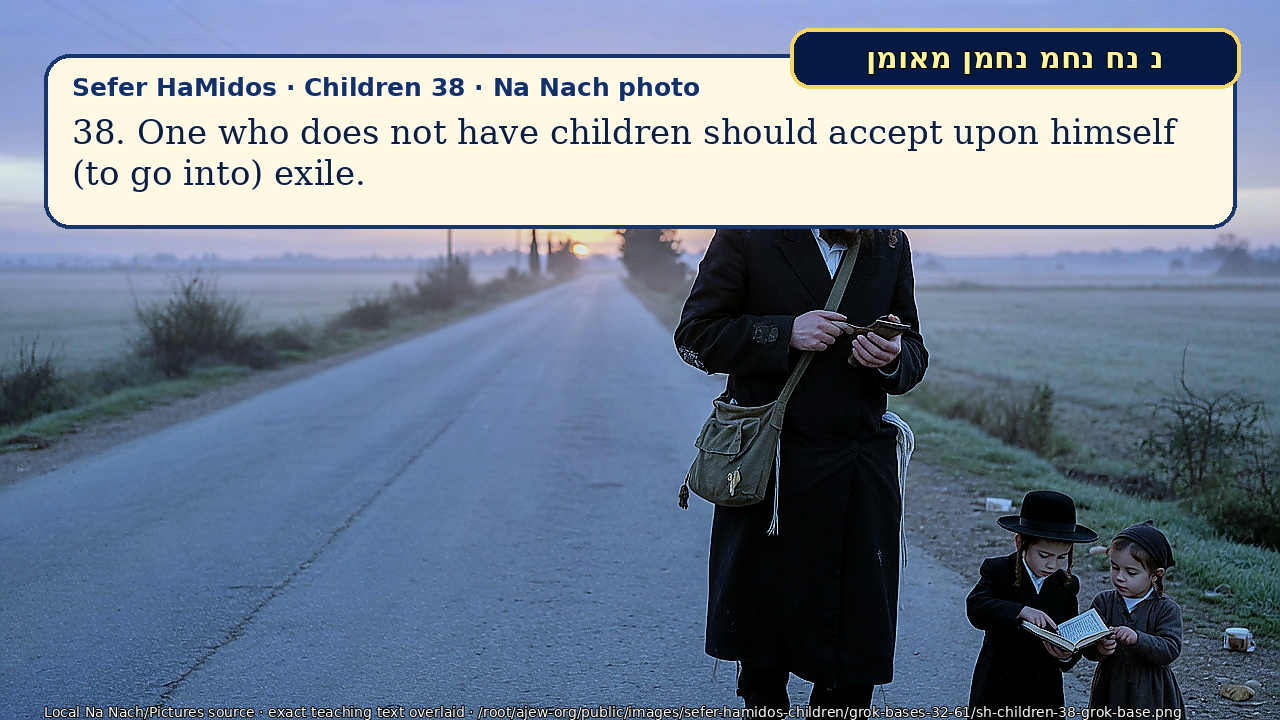
מִי שֶׁאֵין לוֹ בָּנִים, יְקַבֵּל עַל עַצְמוֹ גָּלוּת.
38. One who does not have children should accept upon himself (to go into) exile.
📷 Pictures / videos for this teaching
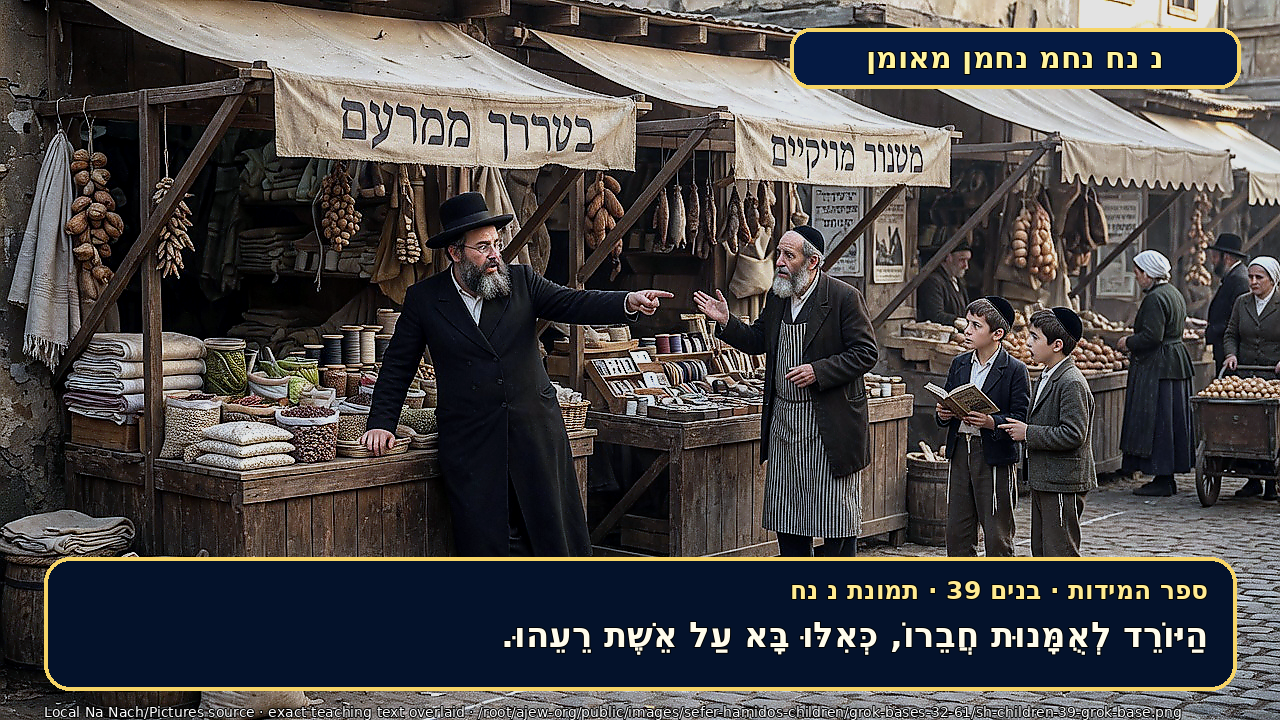
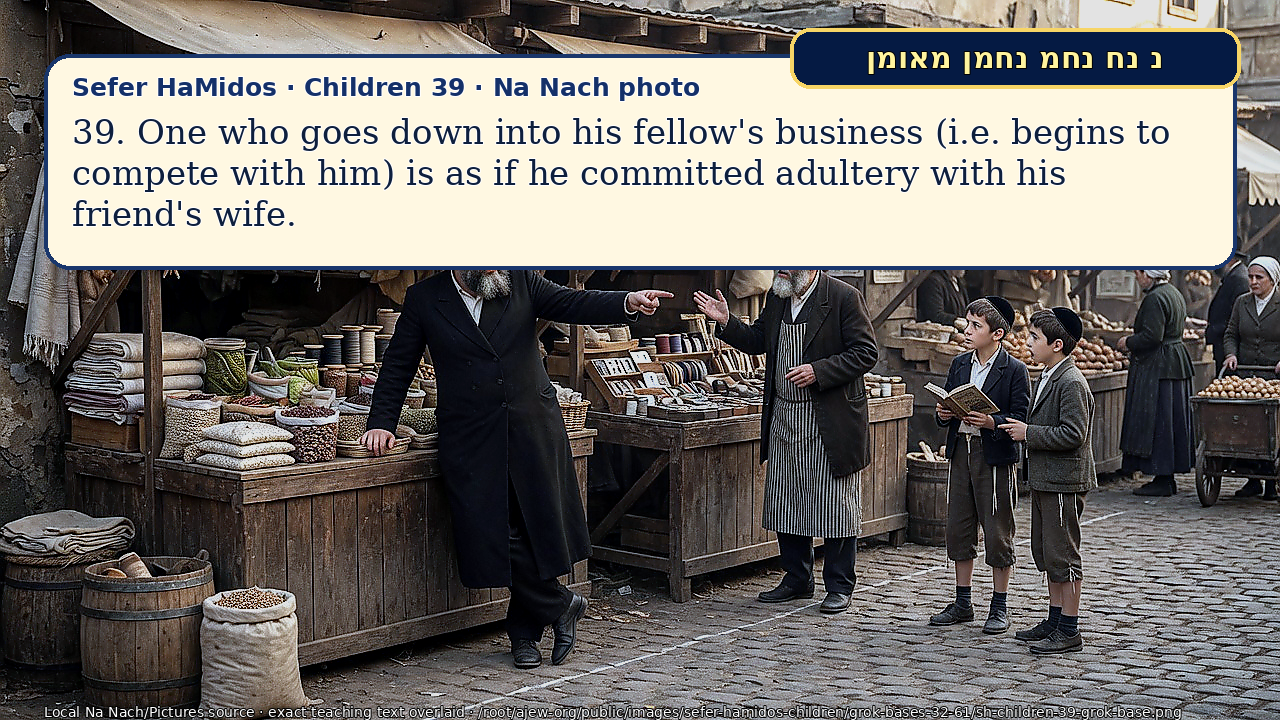
הַיּוֹרֵד לְאֻמָּנוּת חֲבֵרוֹ, כְּאִלּוּ בָּא עַל אֵשֶׁת רֵעֵהוּ.
39. One who goes down into his fellow's business (i.e. begins to compete with him) is as if he committed adultery with his friend's wife.
📷 Pictures / videos for this teaching
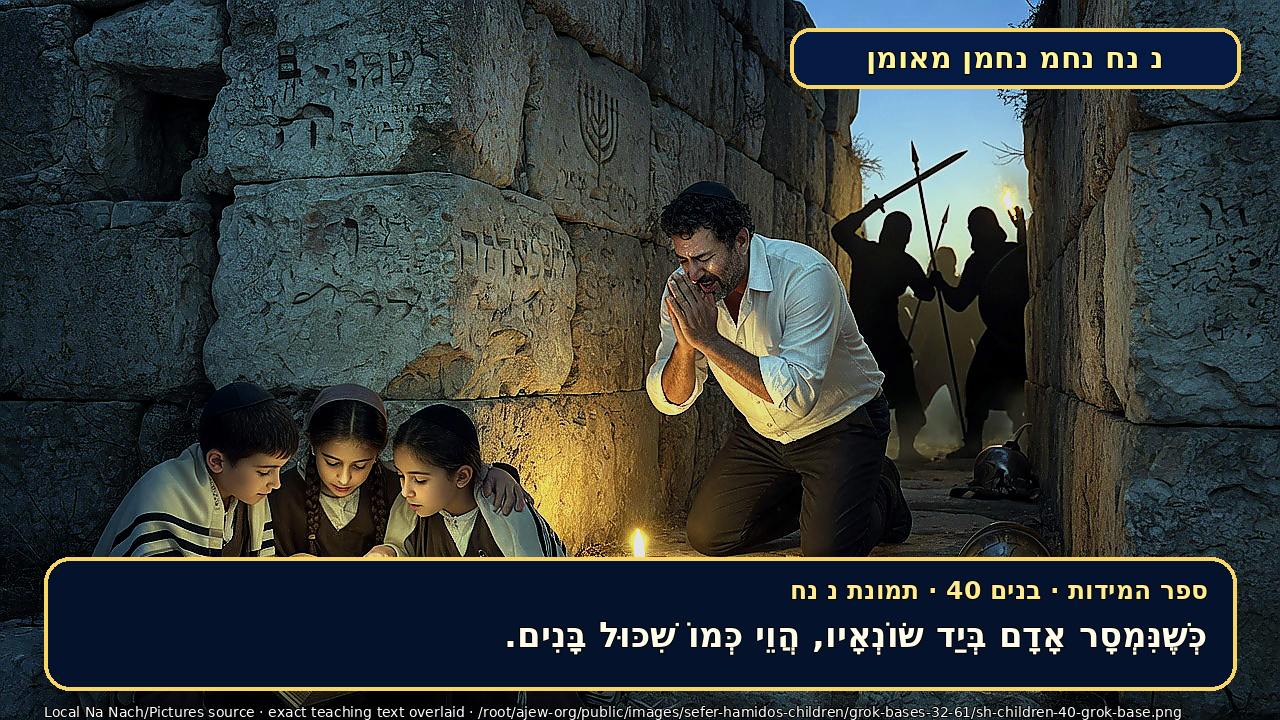
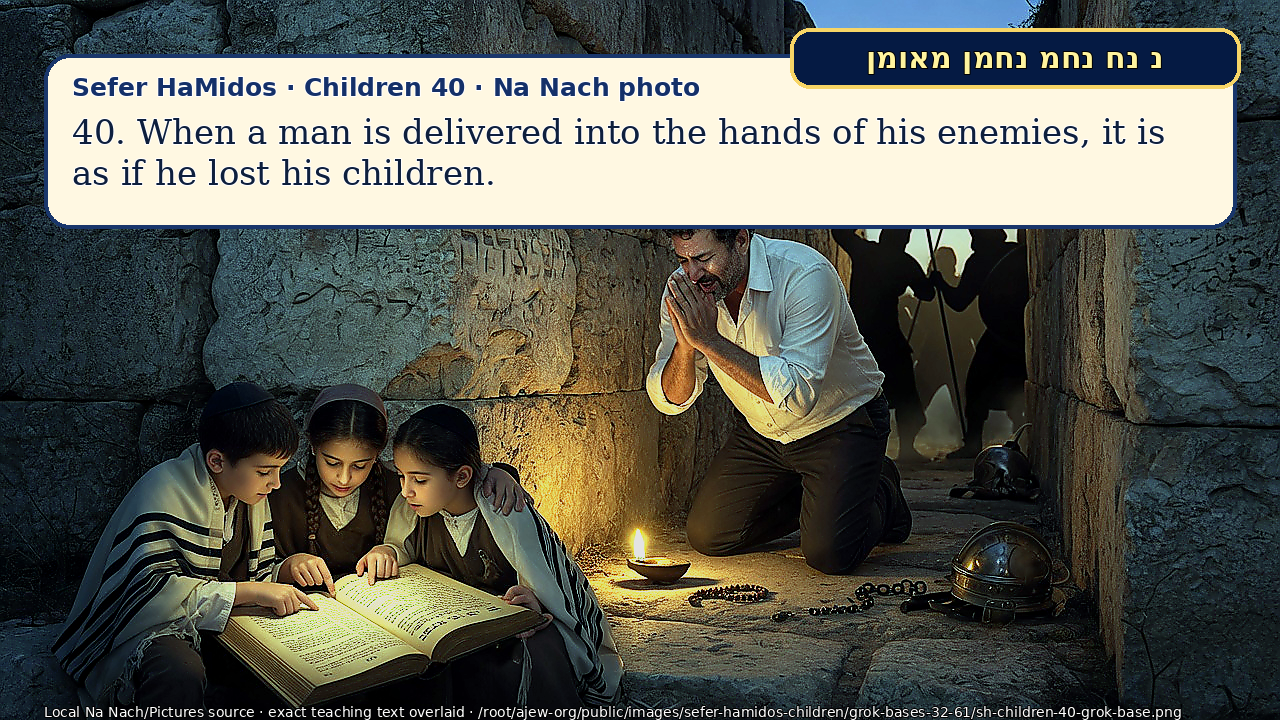
כְּשֶׁנִּמְסָר אָדָם בְּיַד שׂוֹנְאָיו, הֲוֵי כְּמוֹ שִׁכּוּל בָּנִים.
40. When a man is delivered into the hands of his enemies, it is as if he lost his children.
📷 Pictures / videos for this teaching
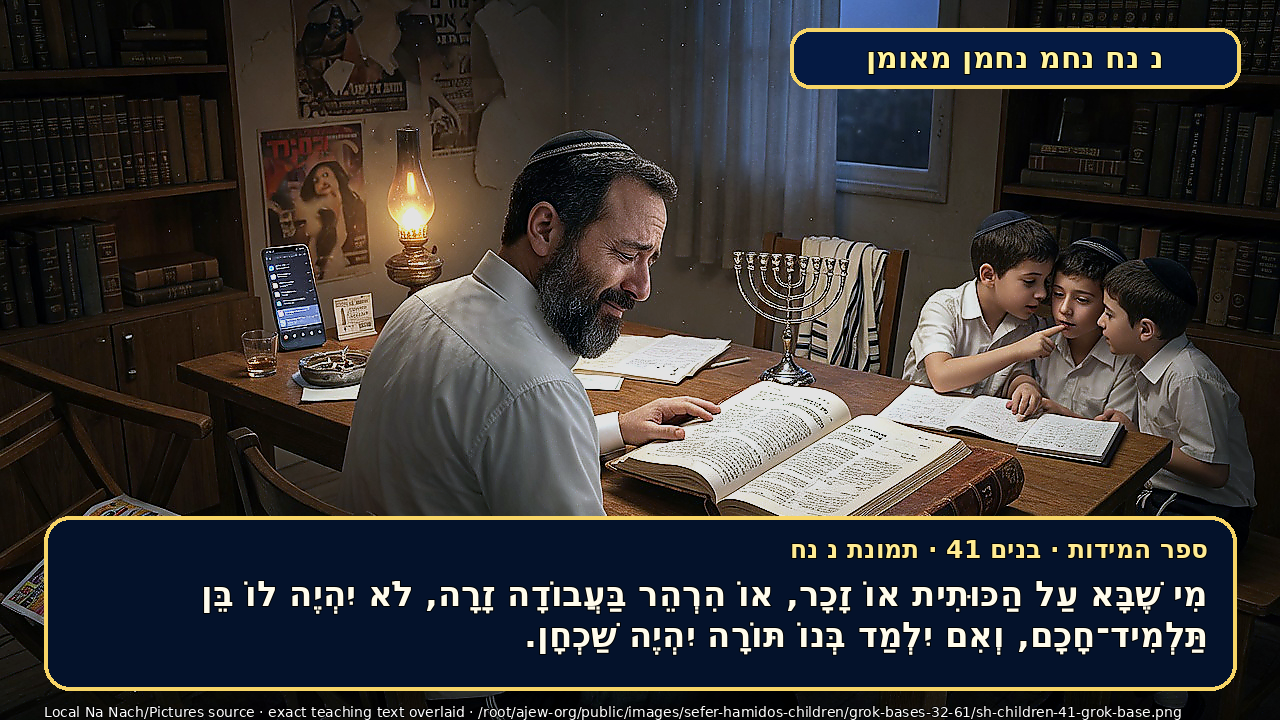
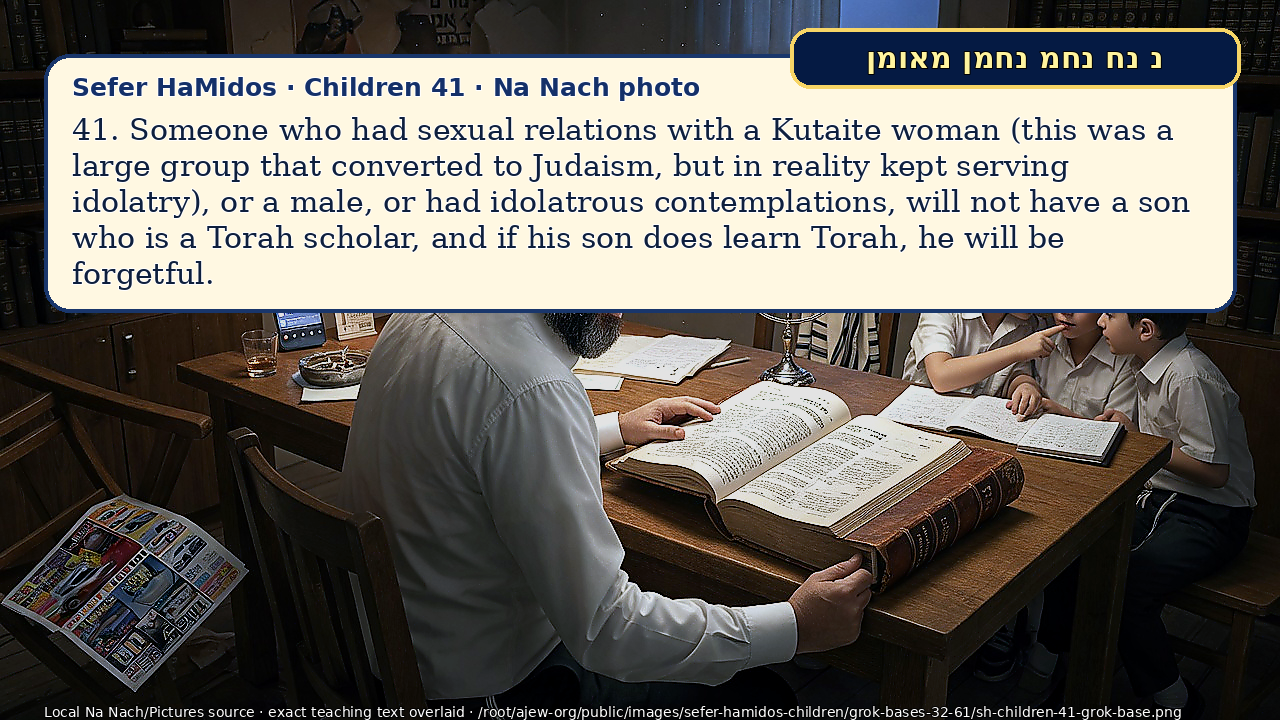
מִי שֶׁבָּא עַל הַכּוּתִית אוֹ זָכָר, אוֹ הִרְהֵר בַּעֲבוֹדָה זָרָה, לֹא יִהְיֶה לוֹ בֵּן תַּלְמִיד־חָכָם, וְאִם יִלְמַד בְּנוֹ תּוֹרָה יִהְיֶה שַׁכְחָן.
41. Someone who had sexual relations with a Kutaite woman (this was a large group that converted to Judaism, but in reality kept serving idolatry), or a male, or had idolatrous contemplations, will not have a son who is a Torah scholar, and if his son does learn Torah, he will be forgetful.
📷 Pictures / videos for this teaching
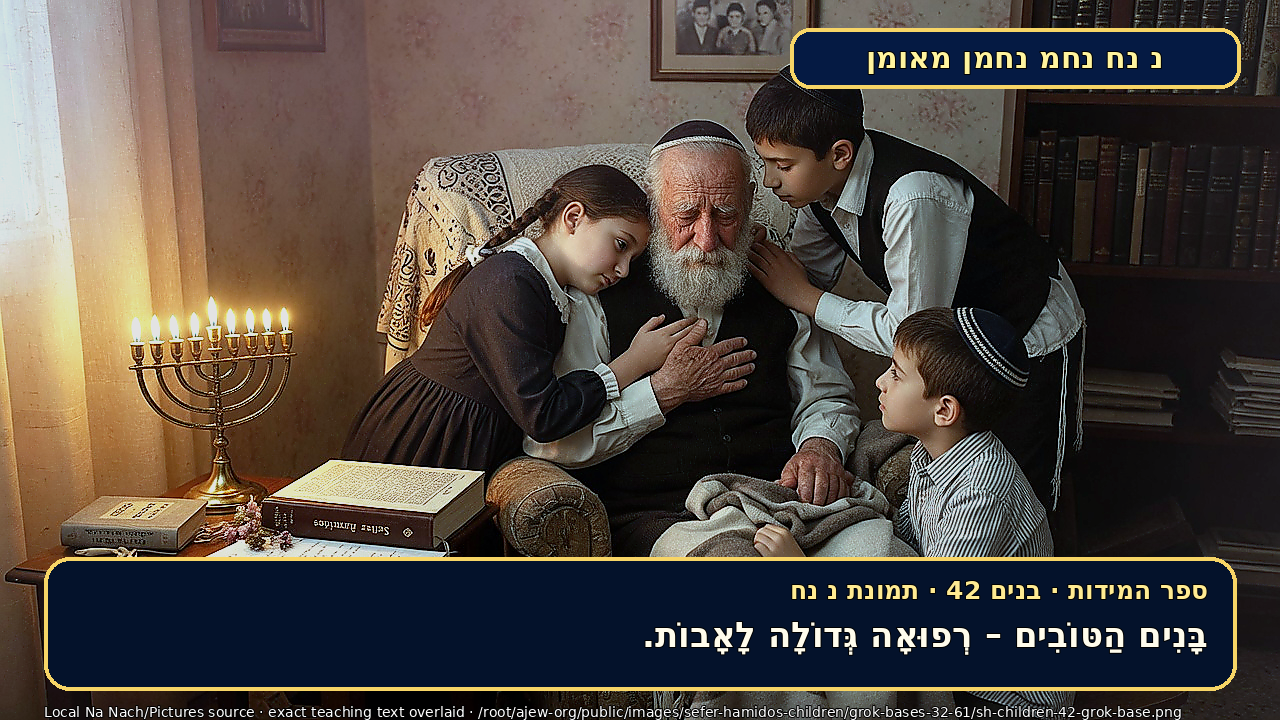
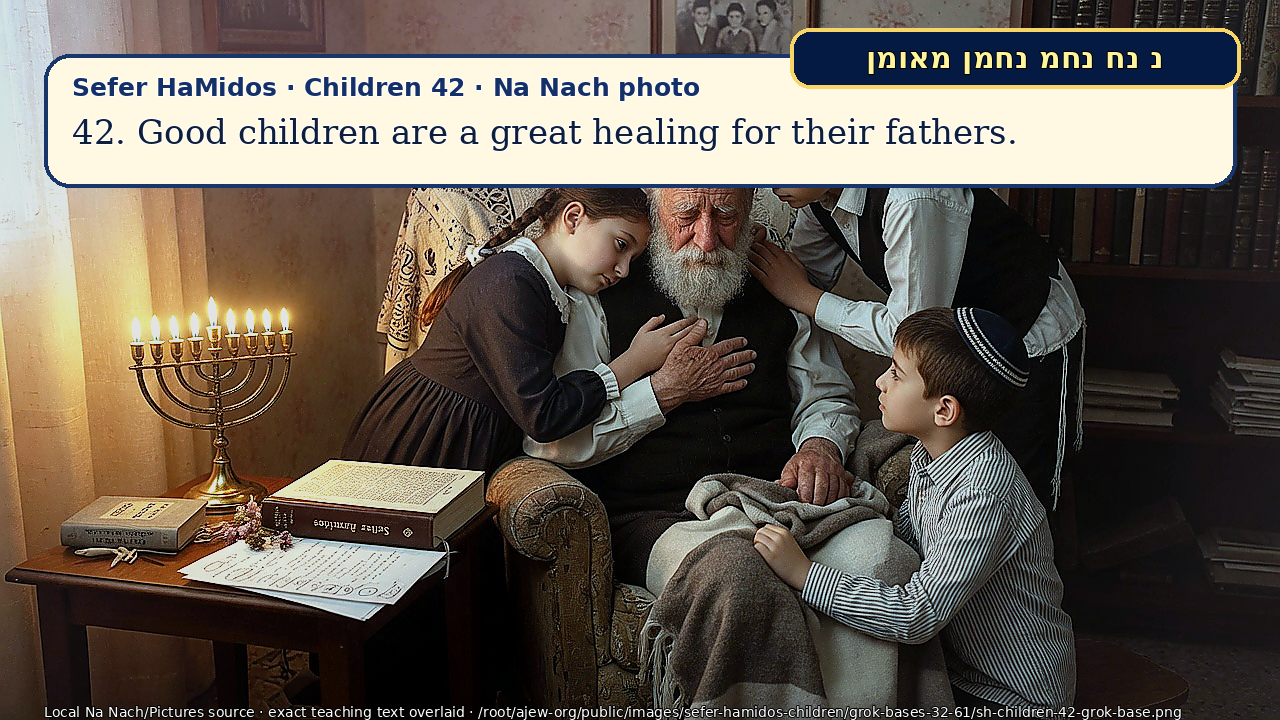
בָּנִים הַטּוֹבִים – רְפוּאָה גְּדוֹלָה לָאָבוֹת.
42. Good children are a great healing for their fathers.
📷 Pictures / videos for this teaching
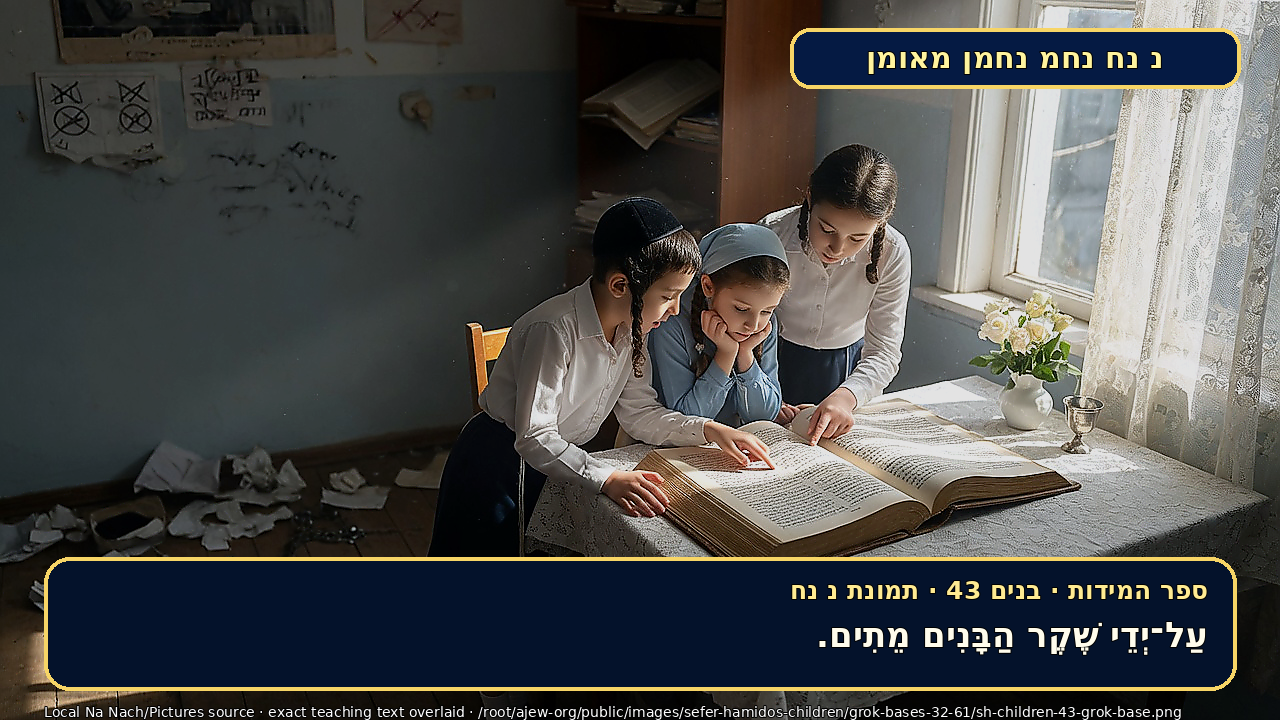
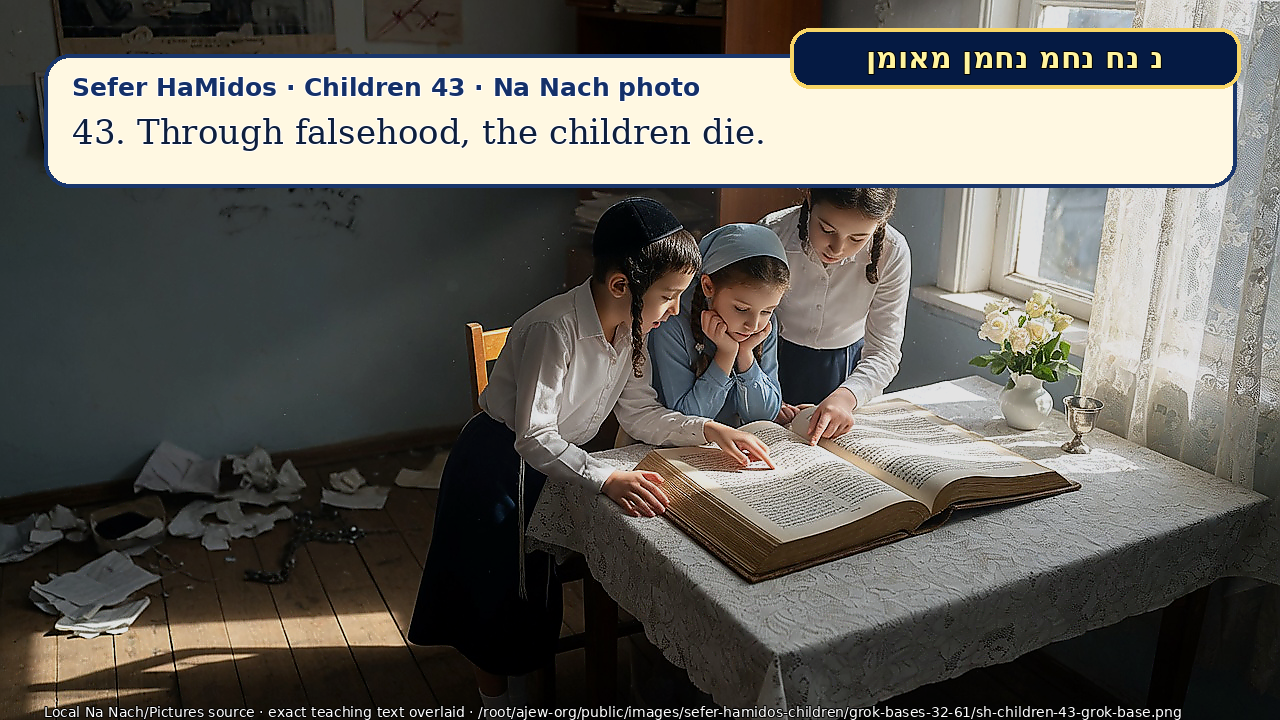
עַל־יְדֵי שֶׁקֶר הַבָּנִים מֵתִים.
43. Through falsehood, the children die.
📷 Pictures / videos for this teaching
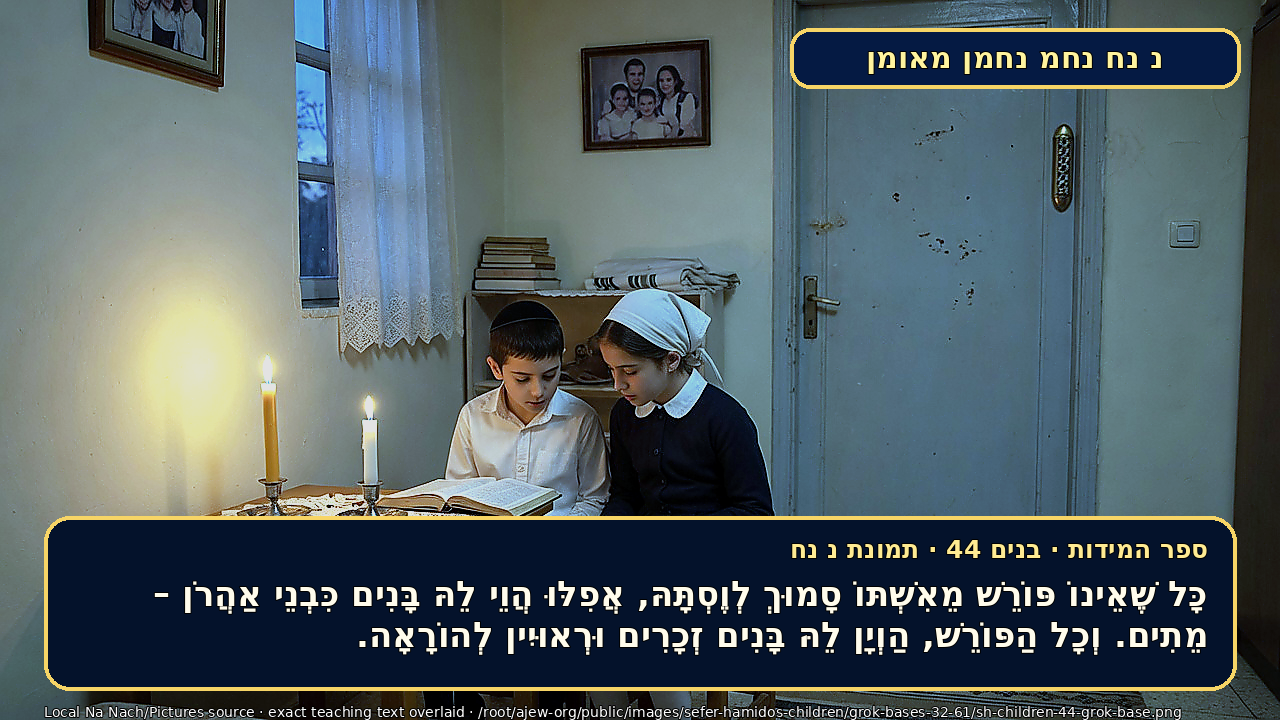
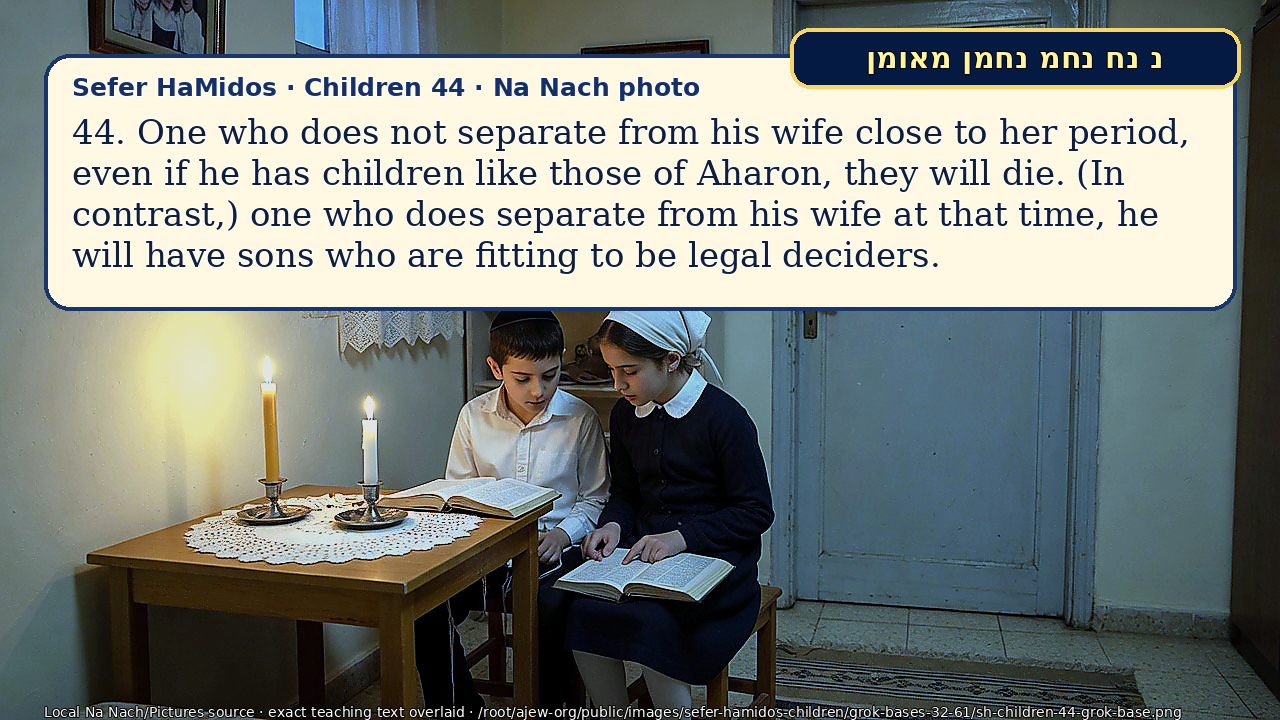
כָּל שֶׁאֵינוֹ פּוֹרֵשׁ מֵאִשְׁתּוֹ סָמוּךְ לְוֶסְתָּהּ, אֲפִלּוּ הֲוֵי לֵהּ בָּנִים כִּבְנֵי אַהֲרֹן – מֵתִים. וְכָל הַפּוֹרֵשׁ, הַוְיָן לֵהּ בָּנִים זְכָרִים וּרְאוּיִין לְהוֹרָאָה.
44. One who does not separate from his wife close to her period, even if he has children like those of Aharon, they will die. (In contrast,) one who does separate from his wife at that time, he will have sons who are fitting to be legal deciders.
📷 Pictures / videos for this teaching
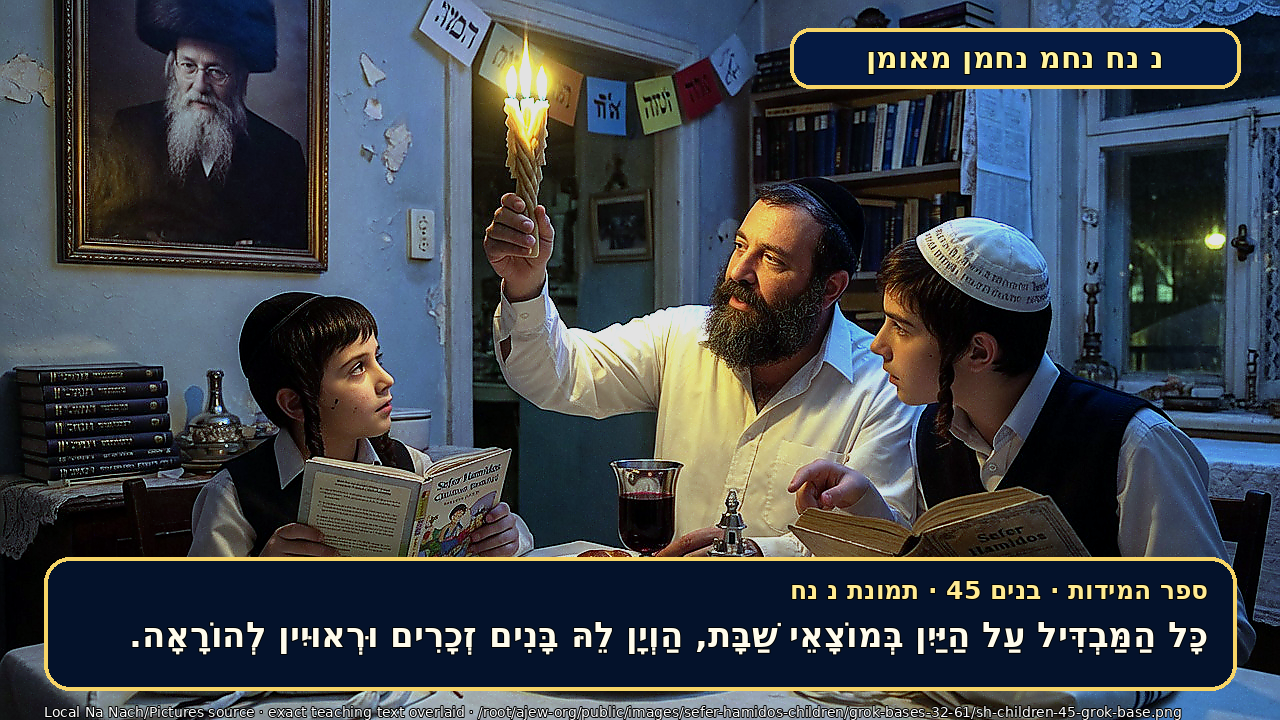
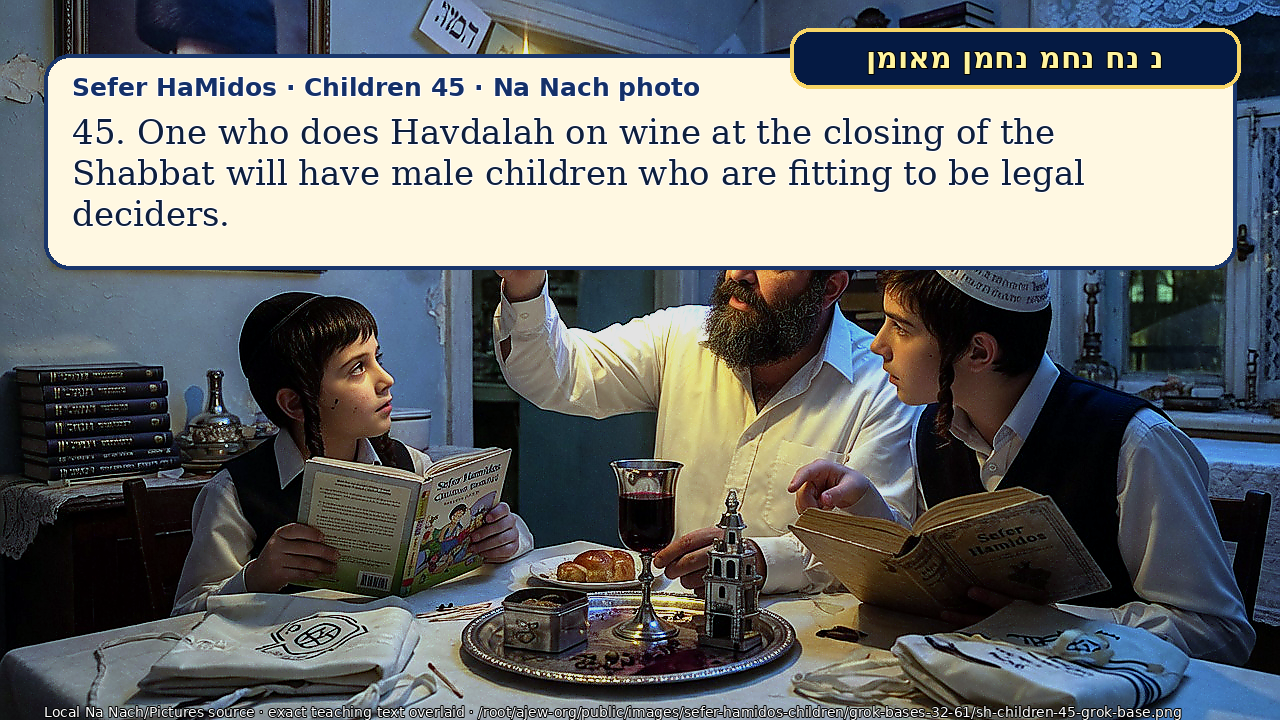
כָּל הַמַּבְדִּיל עַל הַיַּיִן בְּמוֹצָאֵי שַׁבָּת, הַוְיָן לֵהּ בָּנִים זְכָרִים וּרְאוּיִין לְהוֹרָאָה.
45. One who does Havdalah on wine at the closing of the Shabbat will have male children who are fitting to be legal deciders.
📷 Pictures / videos for this teaching
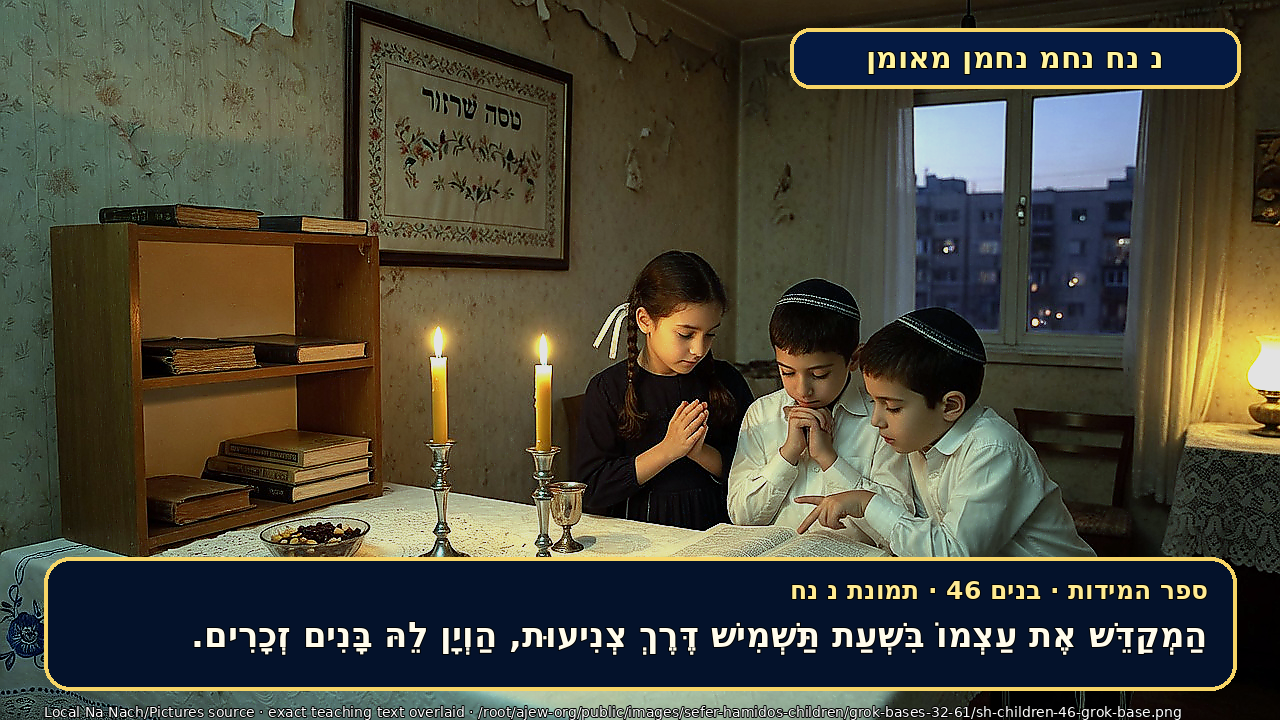
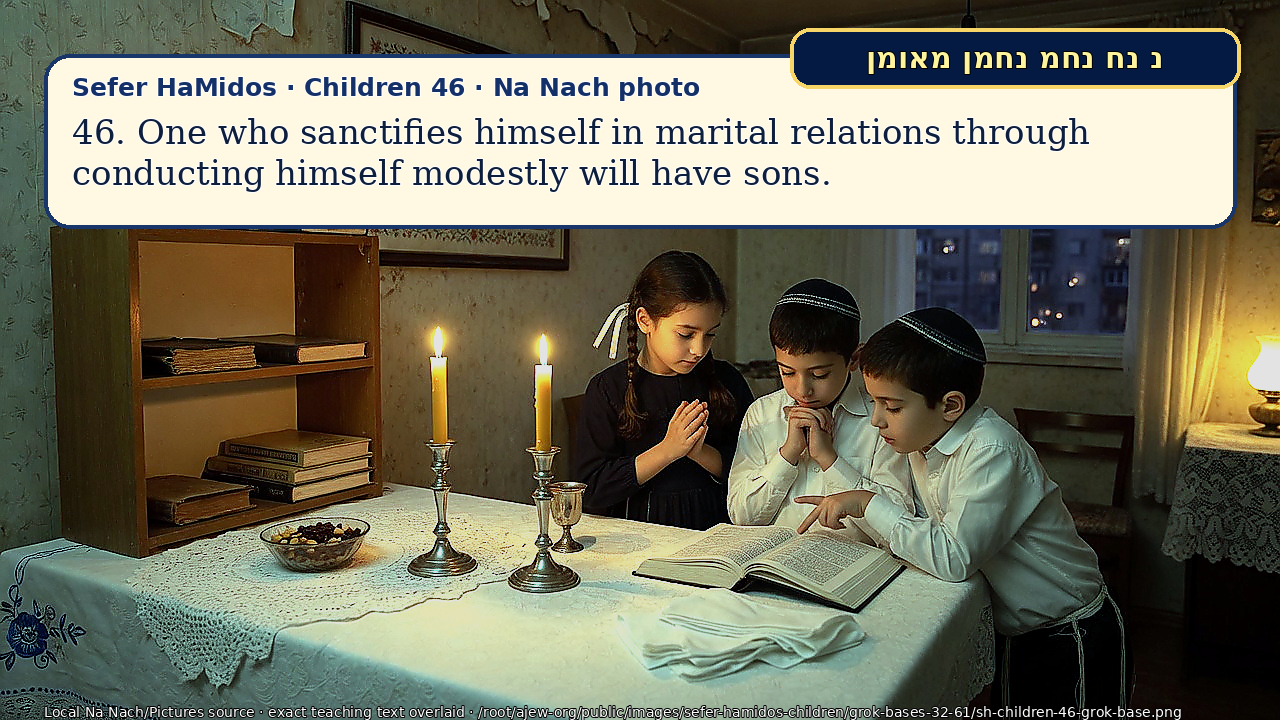
הַמְקַדֵּשׁ אֶת עַצְמוֹ בִּשְׁעַת תַּשְׁמִישׁ דֶּרֶךְ צְנִיעוּת, הַוְיָן לֵהּ בָּנִים זְכָרִים.
46. One who sanctifies himself in marital relations through conducting himself modestly will have sons.
📷 Pictures / videos for this teaching
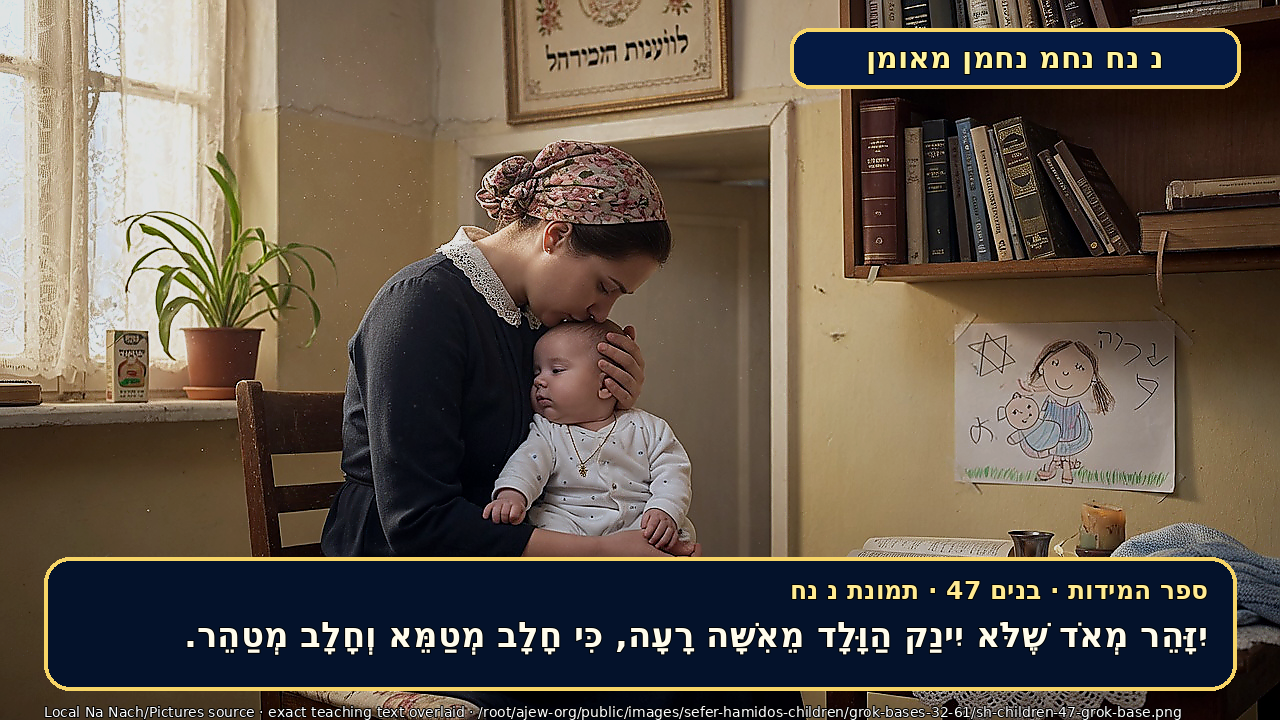
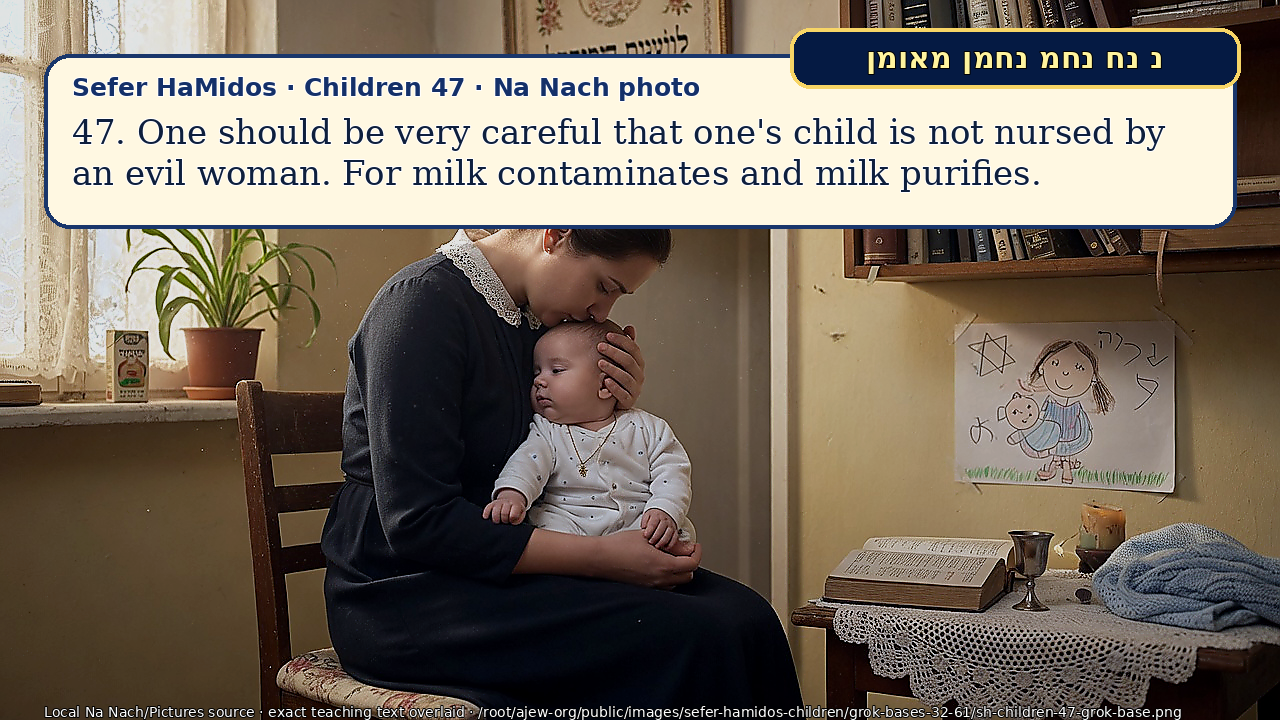
יִזָּהֵר מְאֹד שֶׁלֹּא יִינַק הַוָּלָד מֵאִשָּׁה רָעָה, כִּי חָלָב מְטַמֵּא וְחָלָב מְטַהֵר.
47. One should be very careful that one's child is not nursed by an evil woman. For milk contaminates and milk purifies.
📷 Pictures / videos for this teaching
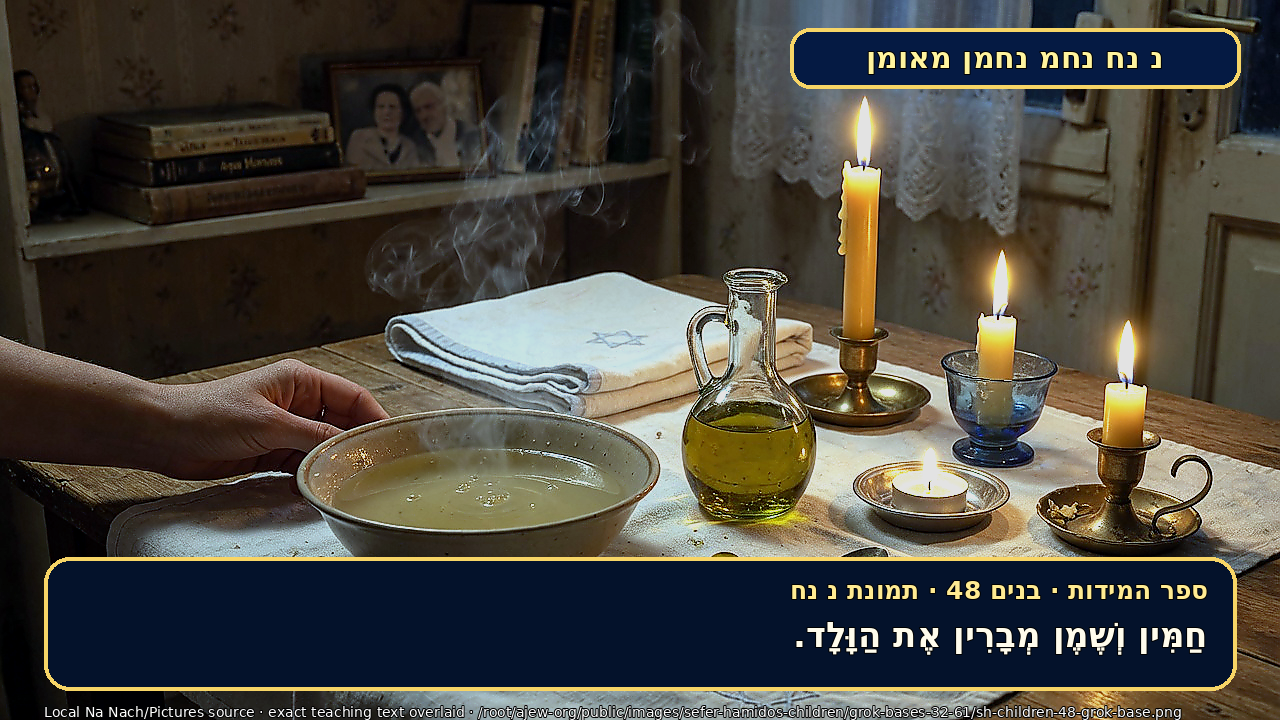
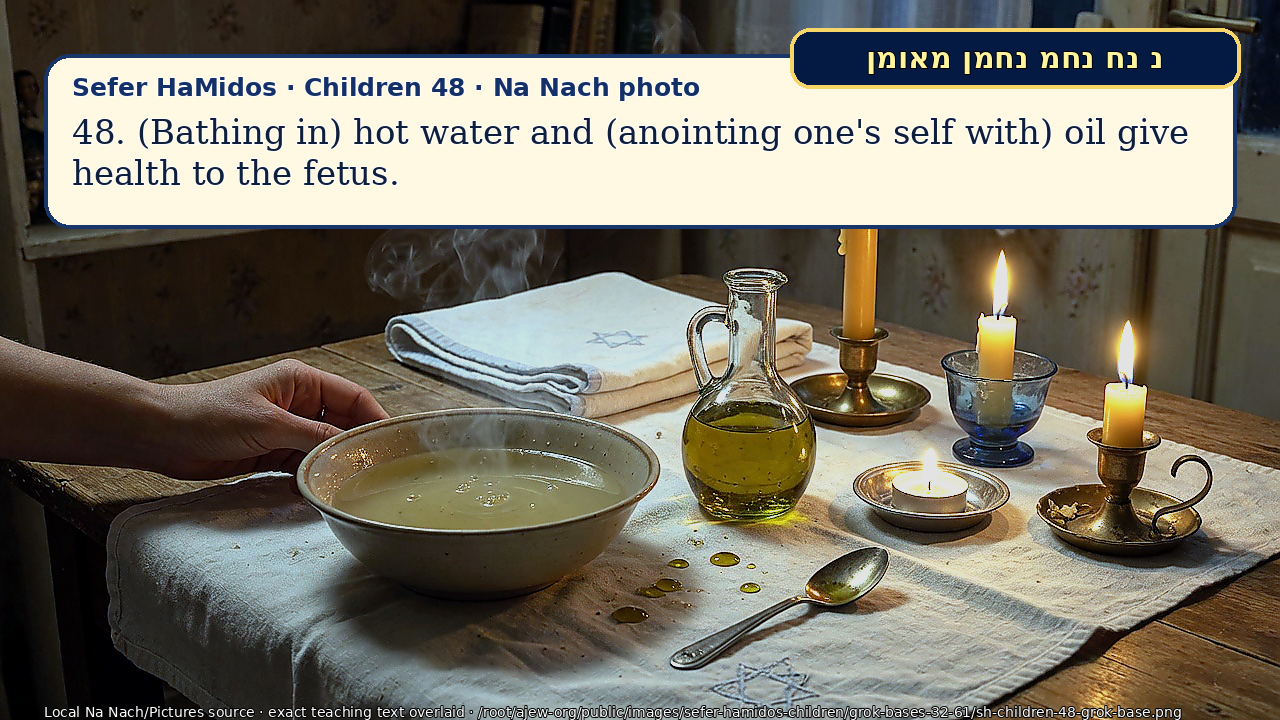
חַמִּין וְשֶׁמֶן מְבָרִין אֶת הַוָּלָד.
48. (Bathing in) hot water and (anointing one's self with) oil give health to the fetus.
📷 Pictures / videos for this teaching
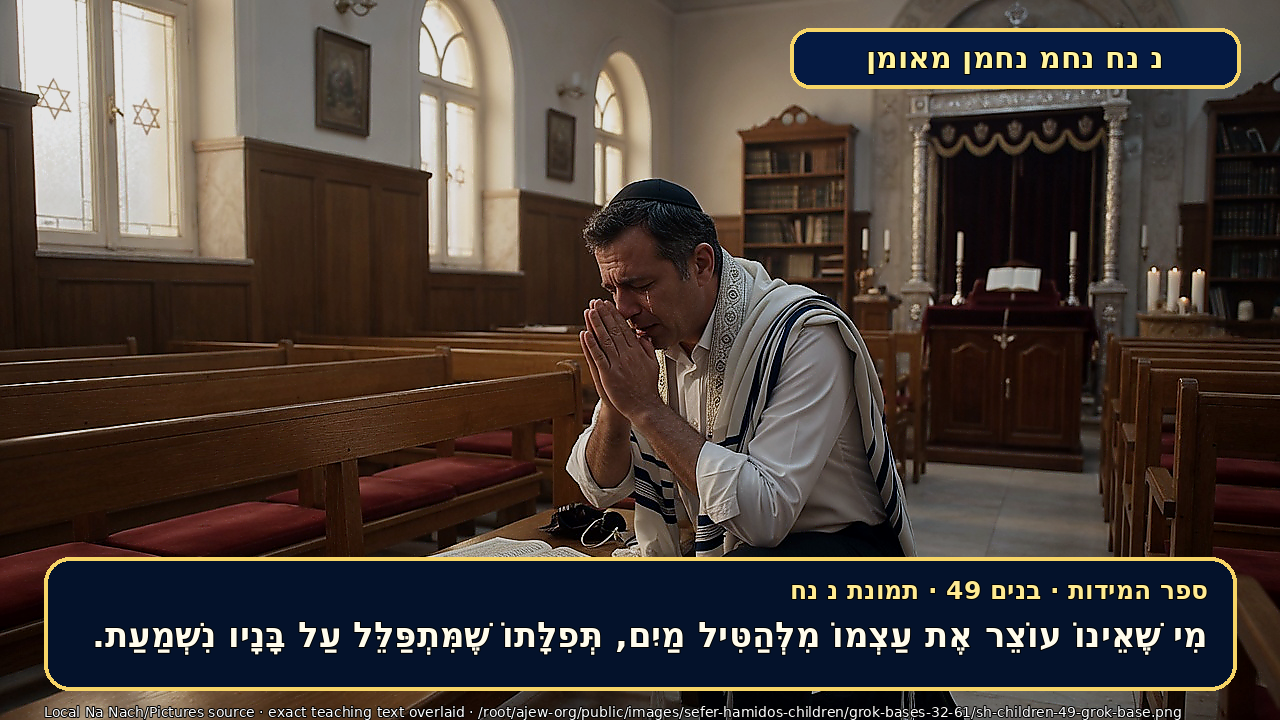
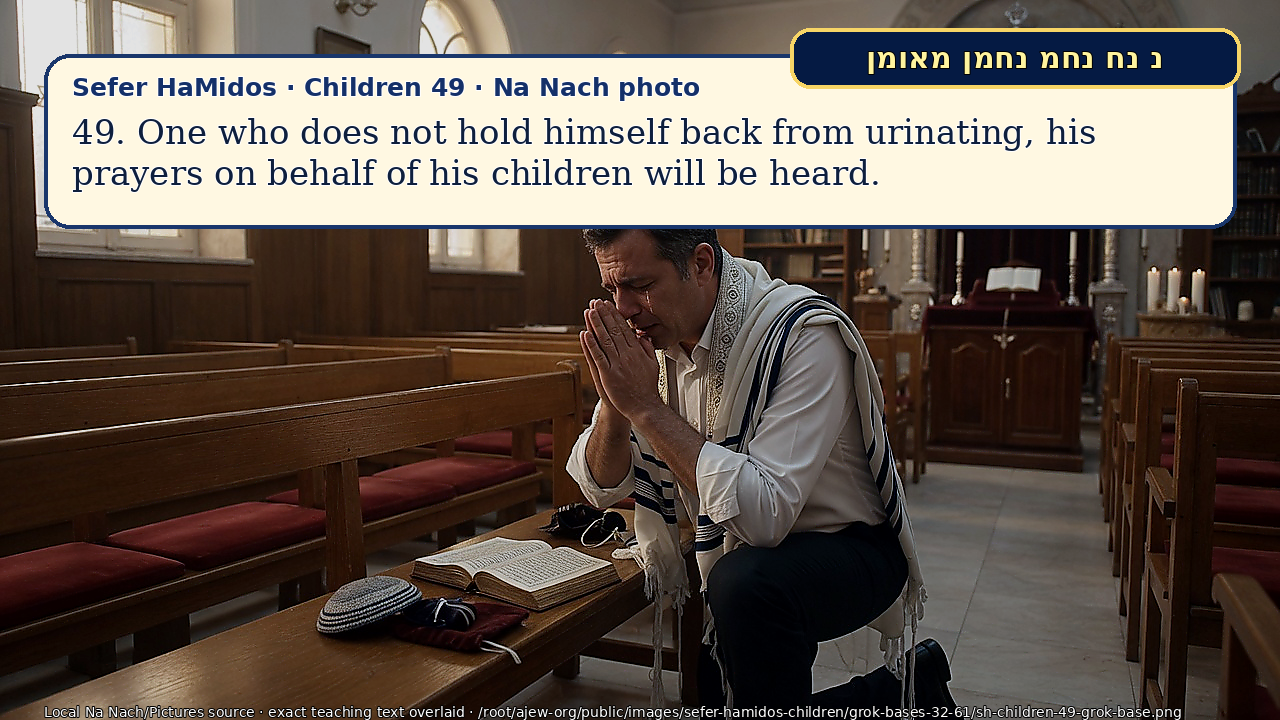
מִי שֶׁאֵינוֹ עוֹצֵר אֶת עַצְמוֹ מִלְּהַטִּיל מַיִם, תְּפִלָּתוֹ שֶׁמִּתְפַּלֵּל עַל בָּנָיו נִשְׁמַעַת.
49. One who does not hold himself back from urinating, his prayers on behalf of his children will be heard.
📷 Pictures / videos for this teaching
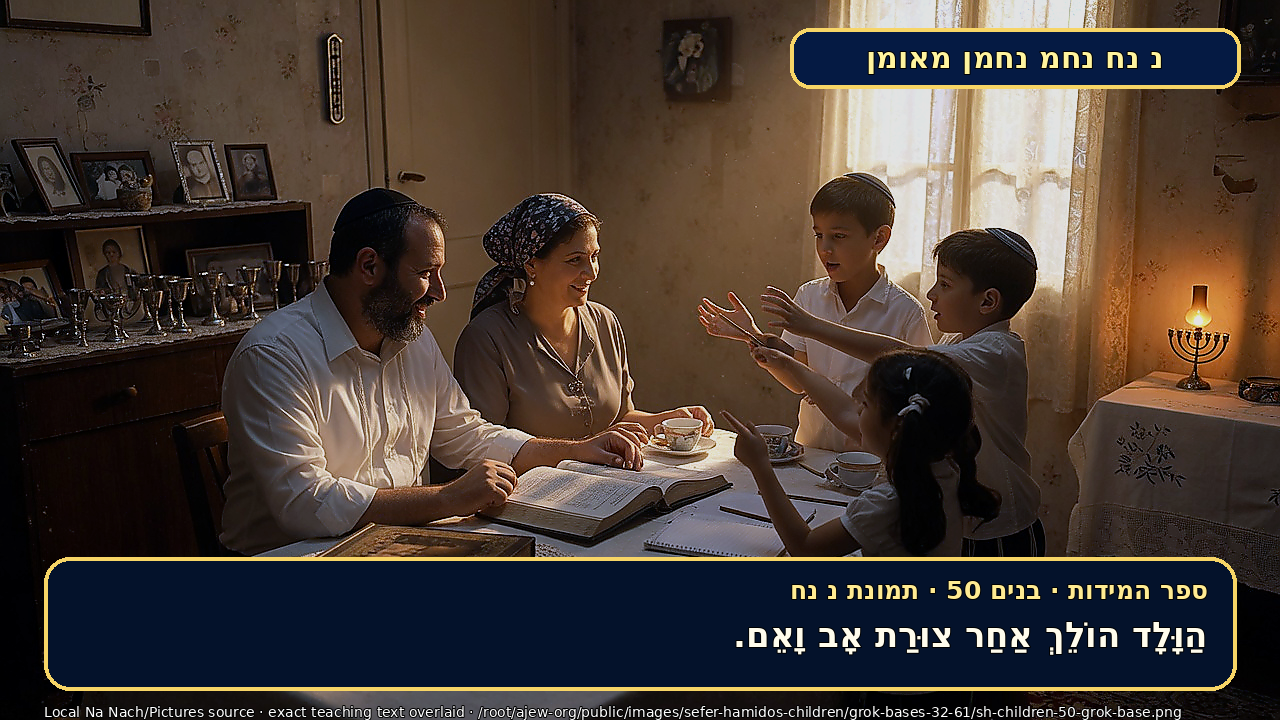
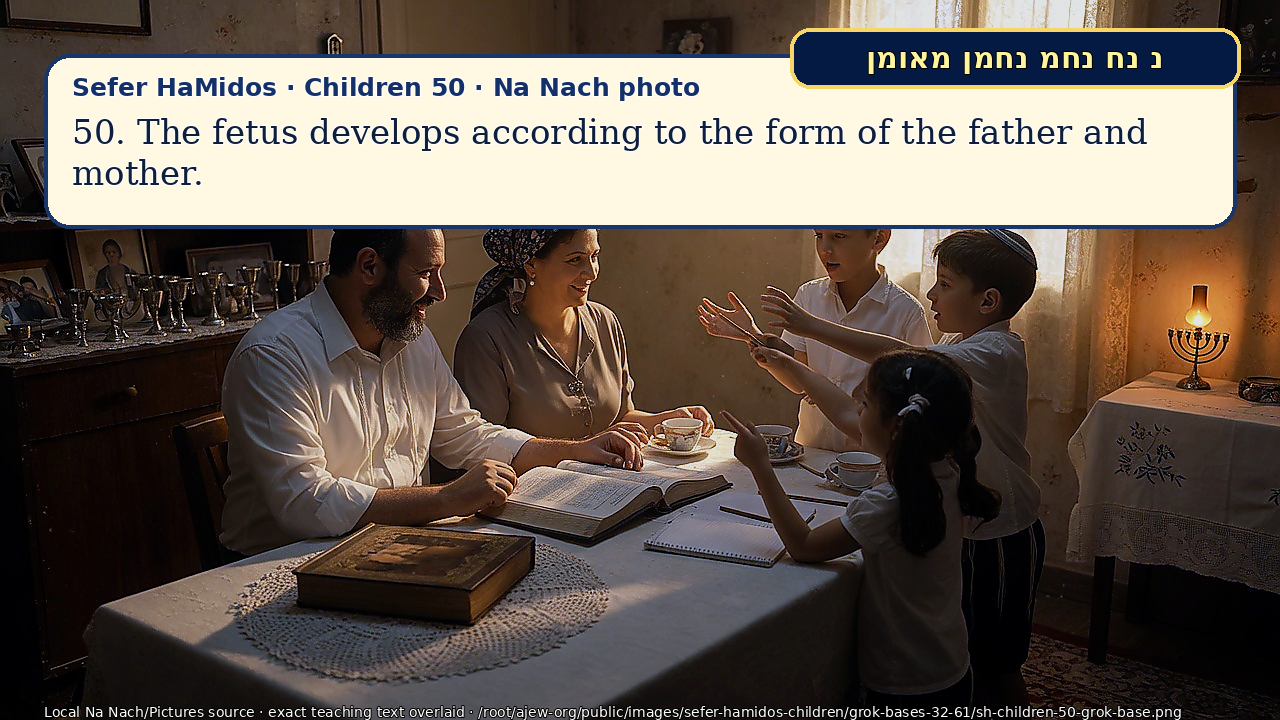
הַוָּלָד הוֹלֵךְ אַחַר צוּרַת אָב וָאֵם.
50. The fetus develops according to the form of the father and mother.
📷 Pictures / videos for this teaching
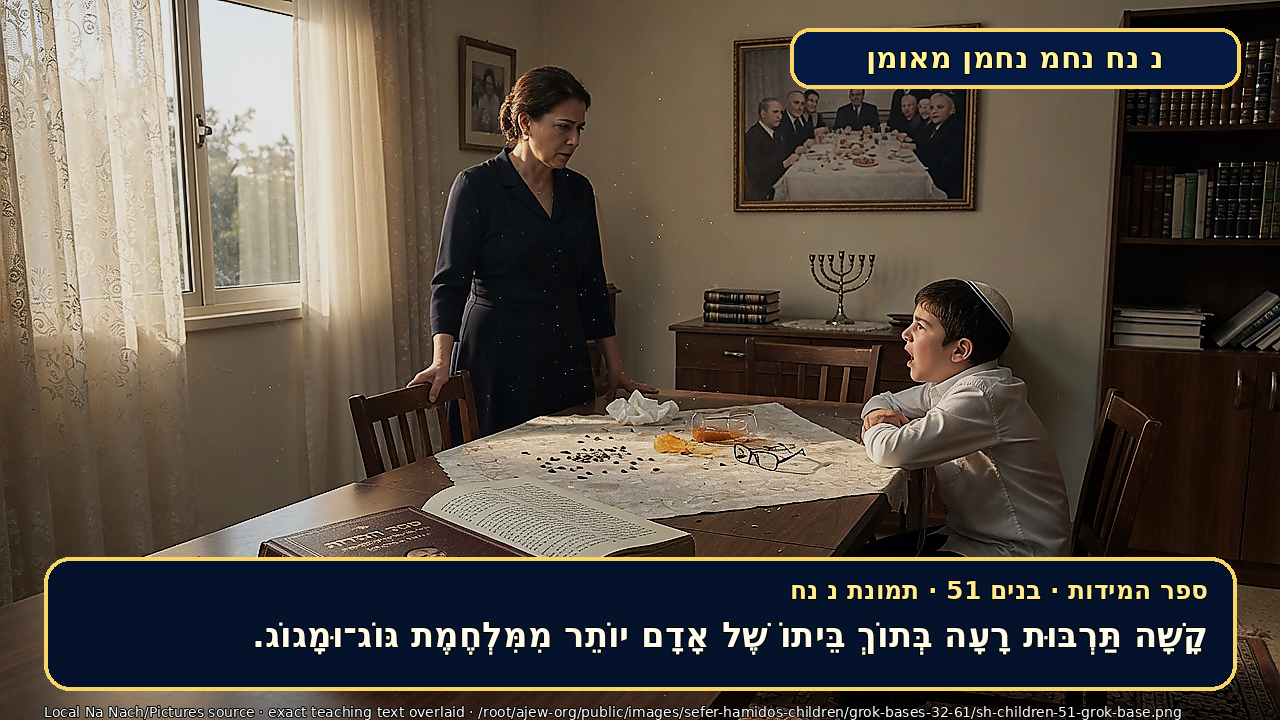
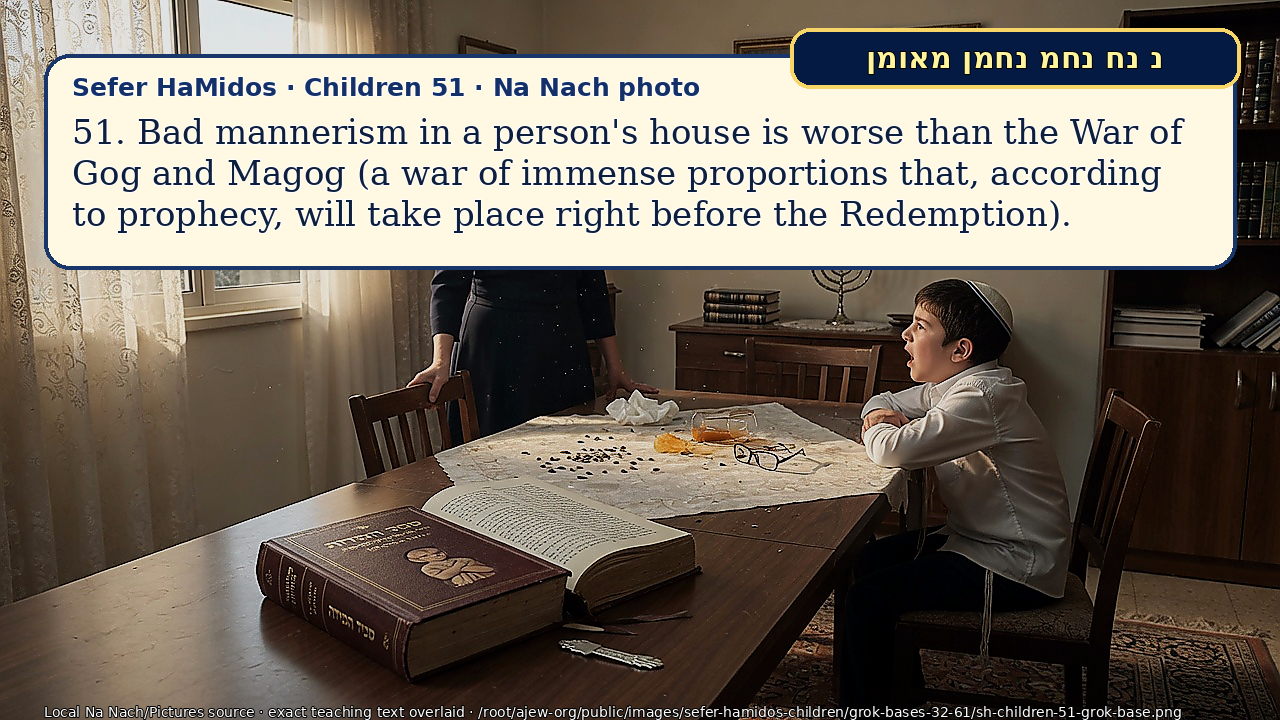
קָשָׁה תַּרְבּוּת רָעָה בְּתוֹךְ בֵּיתוֹ שֶׁל אָדָם יוֹתֵר מִמִּלְחֶמֶת גּוֹג־וּמָגוֹג.
51. Bad mannerism in a person's house is worse than the War of Gog and Magog (a war of immense proportions that, according to prophecy, will take place right before the Redemption).
📷 Pictures / videos for this teaching
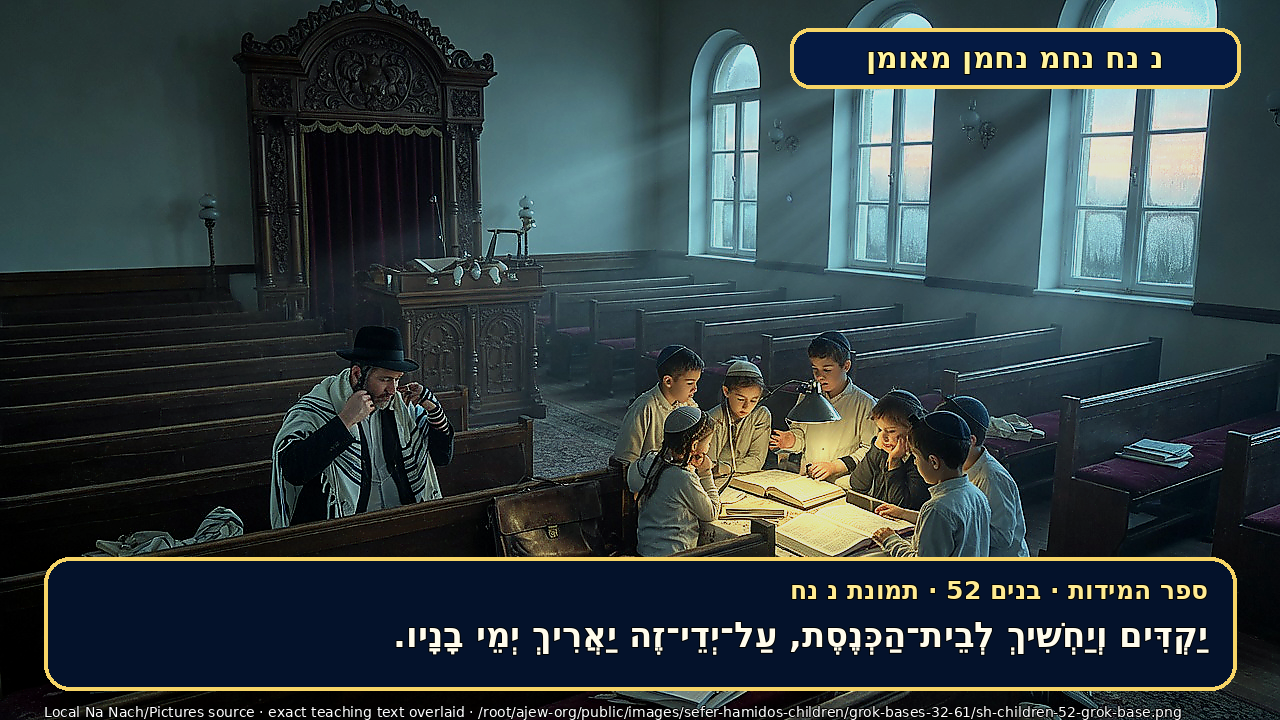
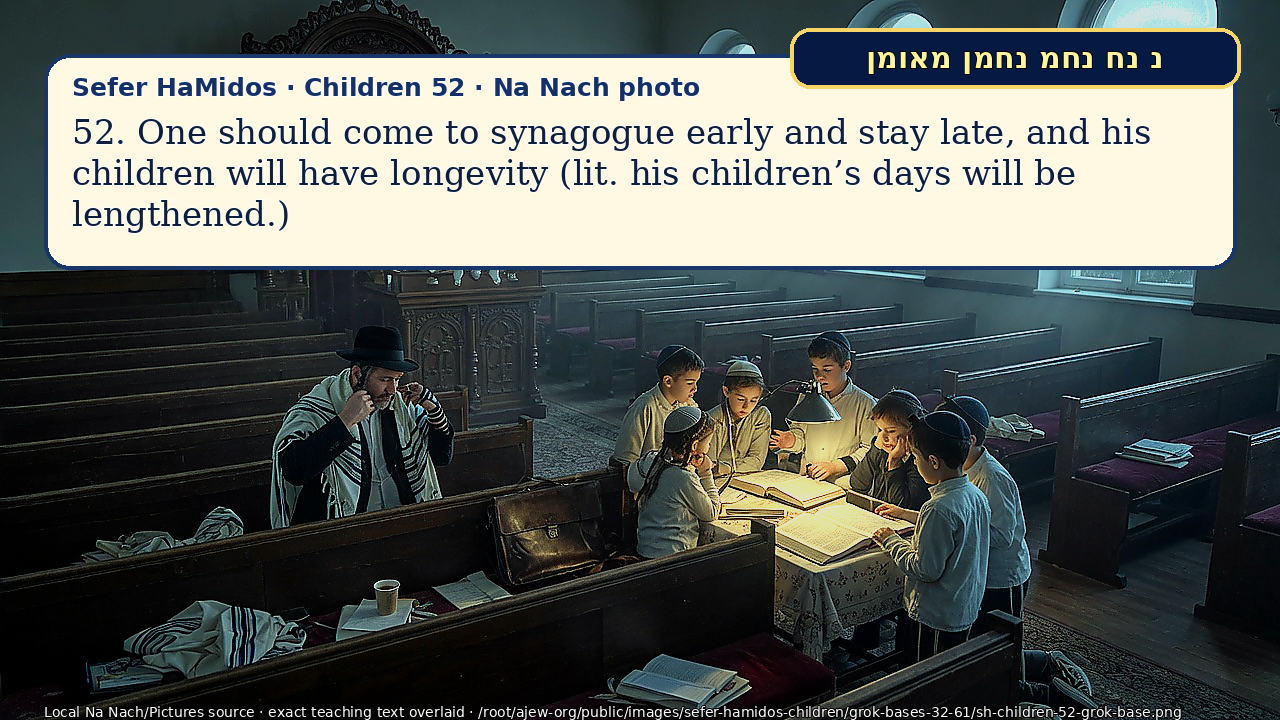
יַקְדִּים וְיַחְשִׁיךְ לְבֵית־הַכְּנֶסֶת, עַל־יְדֵי־זֶה יַאֲרִיךְ יְמֵי בָנָיו.
52. One should come to synagogue early and stay late, and his children will have longevity (lit. his children’s days will be lengthened.)
📷 Pictures / videos for this teaching
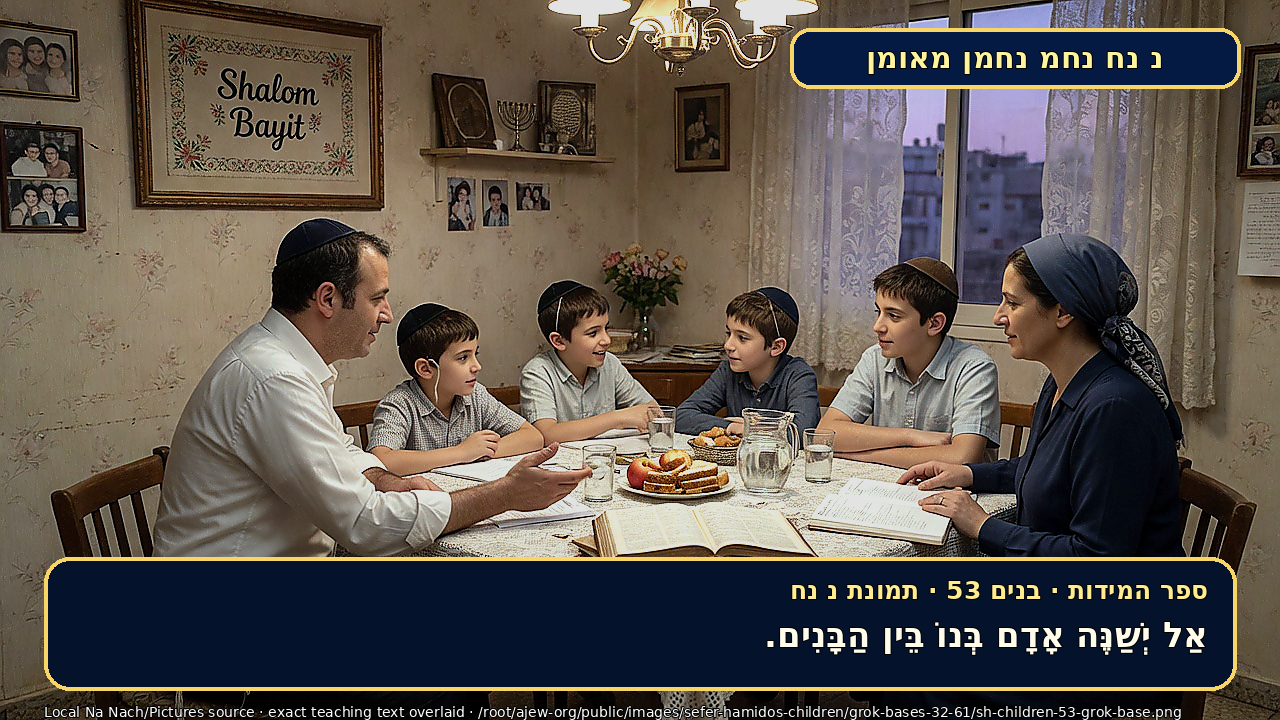
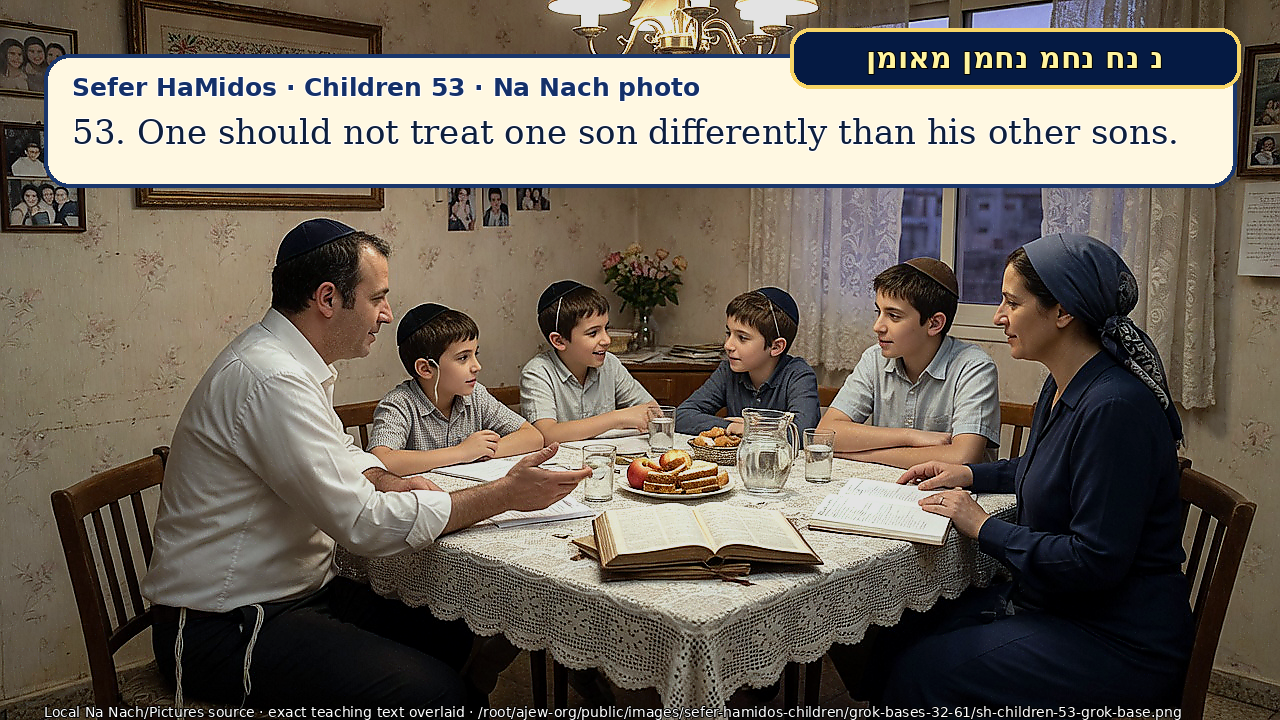
אַל יְשַׁנֶּה אָדָם בְּנוֹ בֵּין הַבָּנִים.
53. One should not treat one son differently than his other sons.
📷 Pictures / videos for this teaching
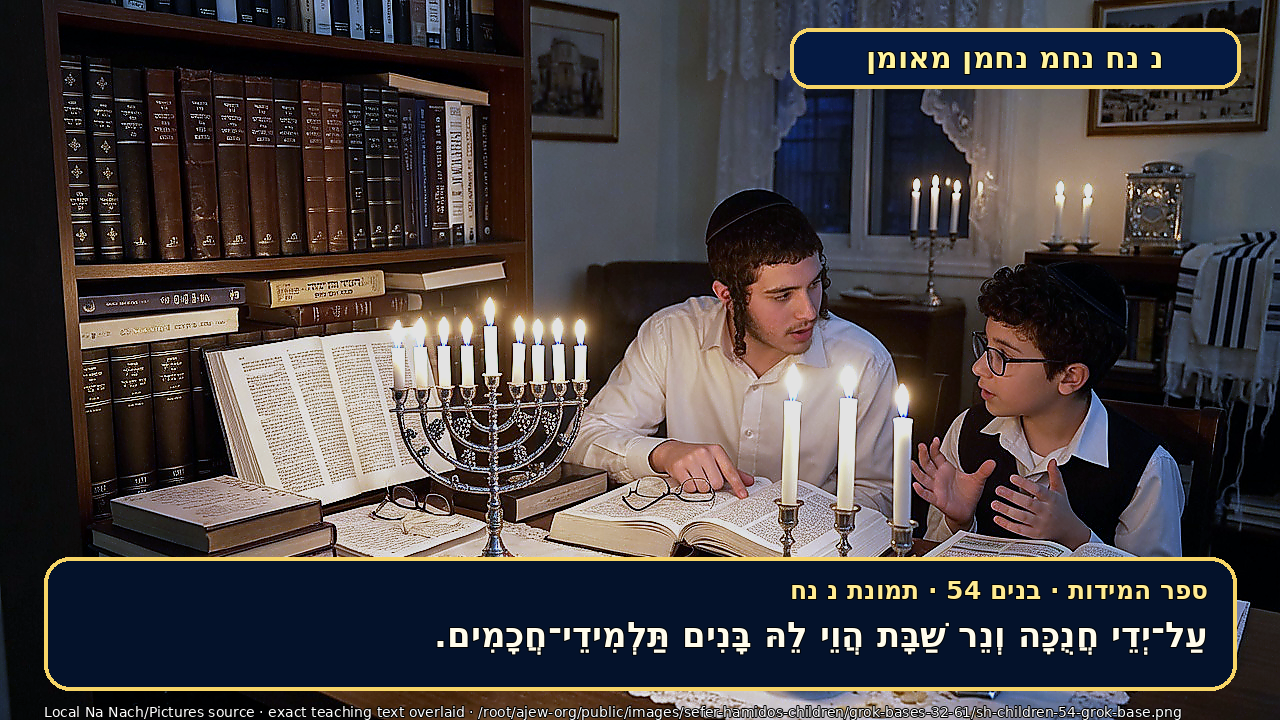
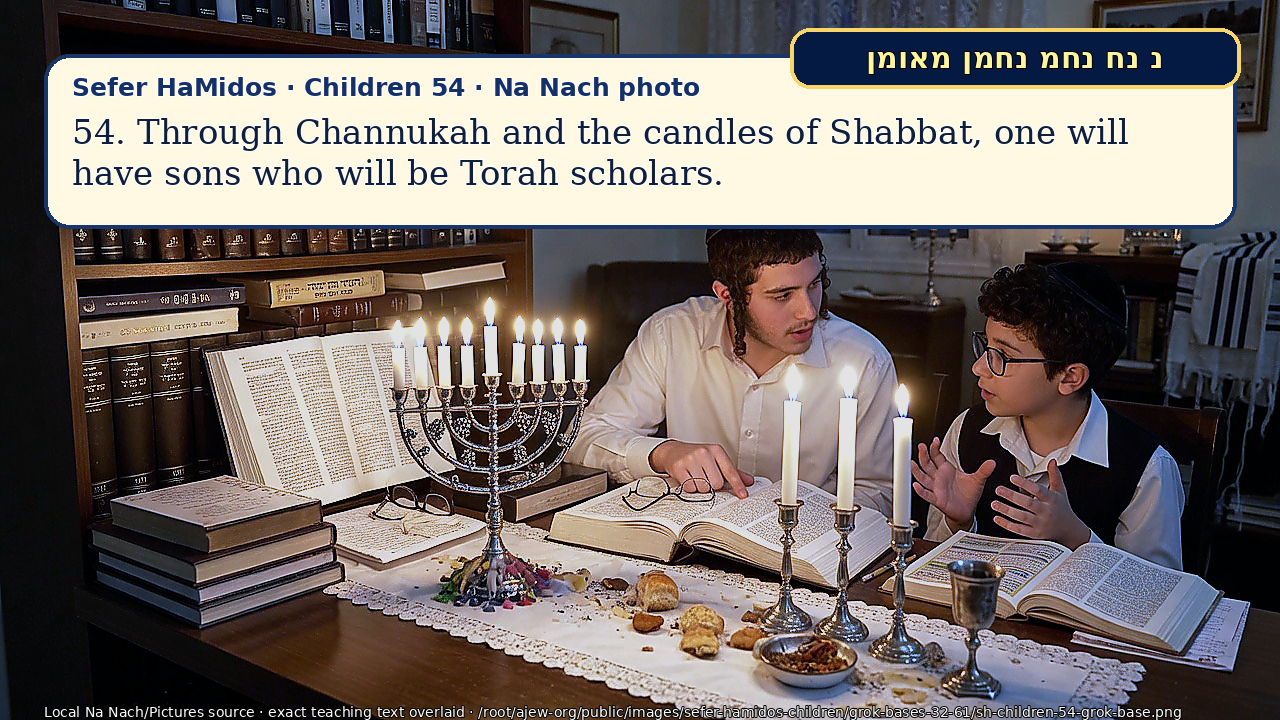
עַל־יְדֵי חֲנֻכָּה וְנֵר שַׁבָּת הֲוֵי לֵהּ בָּנִים תַּלְמִידֵי־חֲכָמִים.
54. Through Channukah and the candles of Shabbat, one will have sons who will be Torah scholars.
📷 Pictures / videos for this teaching
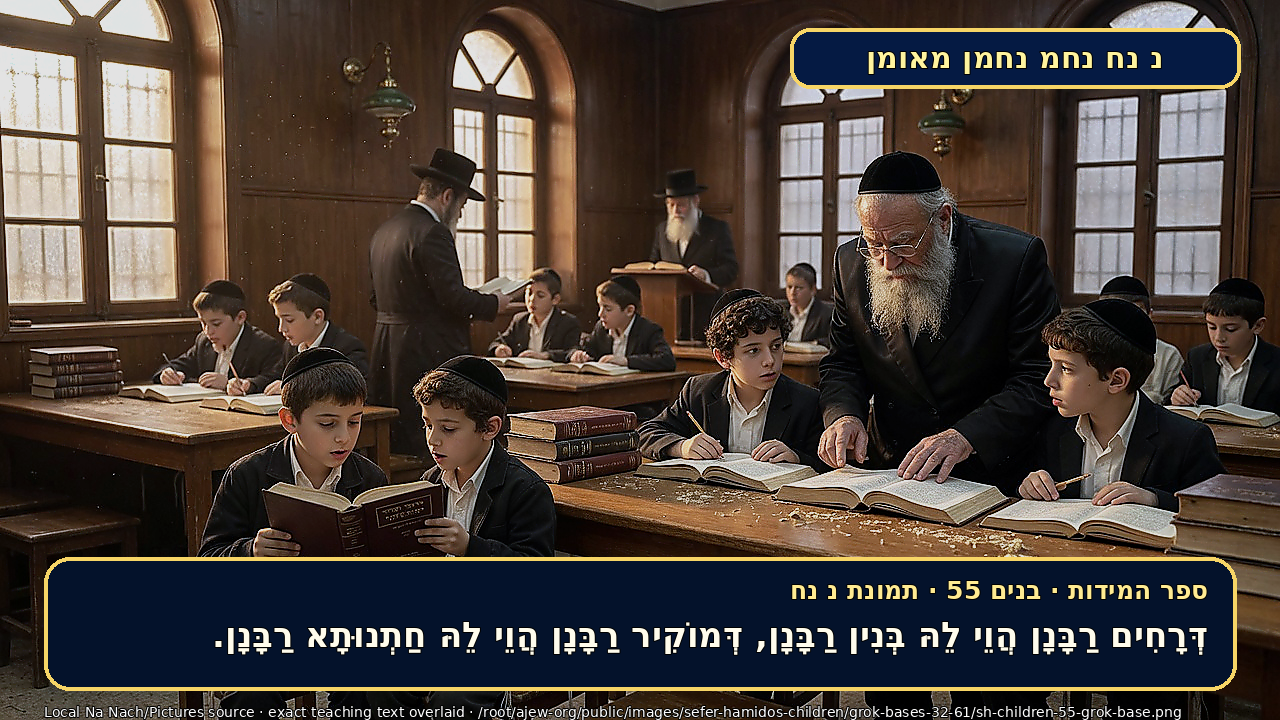
דְּרָחִים רַבָּנָן הֲוֵי לֵהּ בְּנִין רַבָּנָן, דְּמוֹקִיר רַבָּנָן הֲוֵי לֵהּ חַתְנוּתָא רַבָּנָן.
55. Whoever loves the sages will be given sons who become sages. Whoever honors sages is given sages as sons-in-law.
📷 Pictures / videos for this teaching
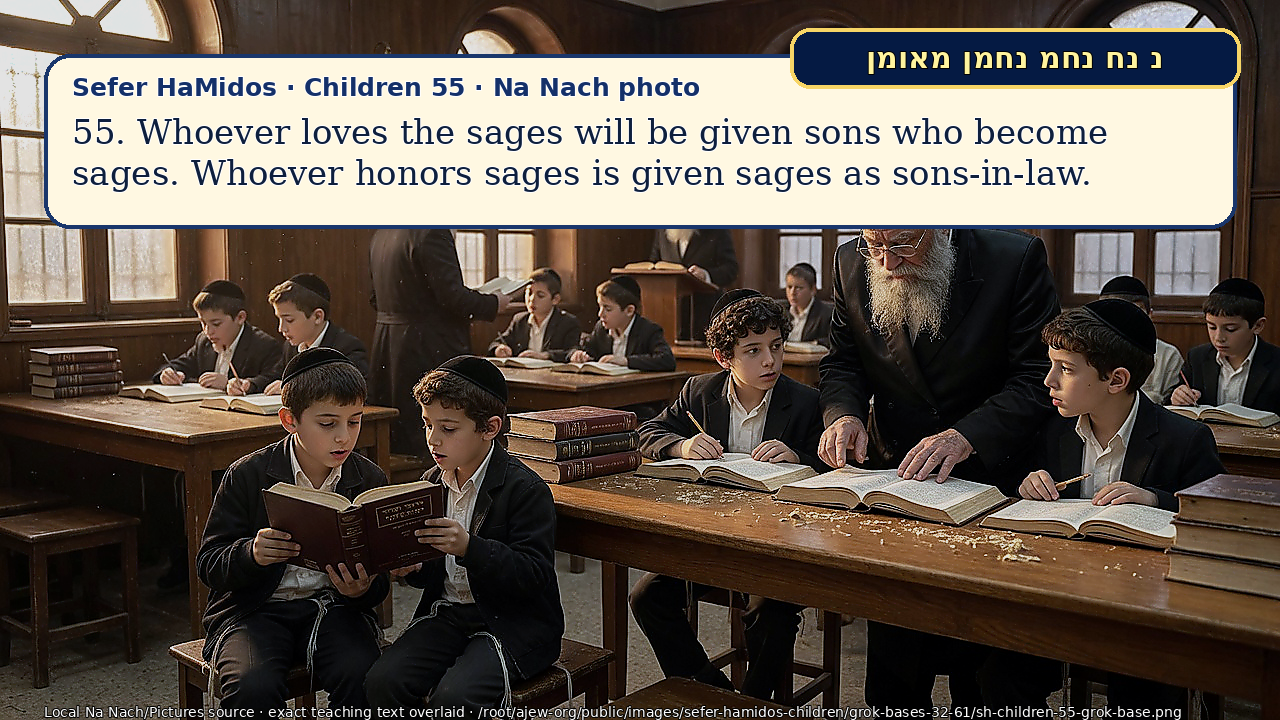
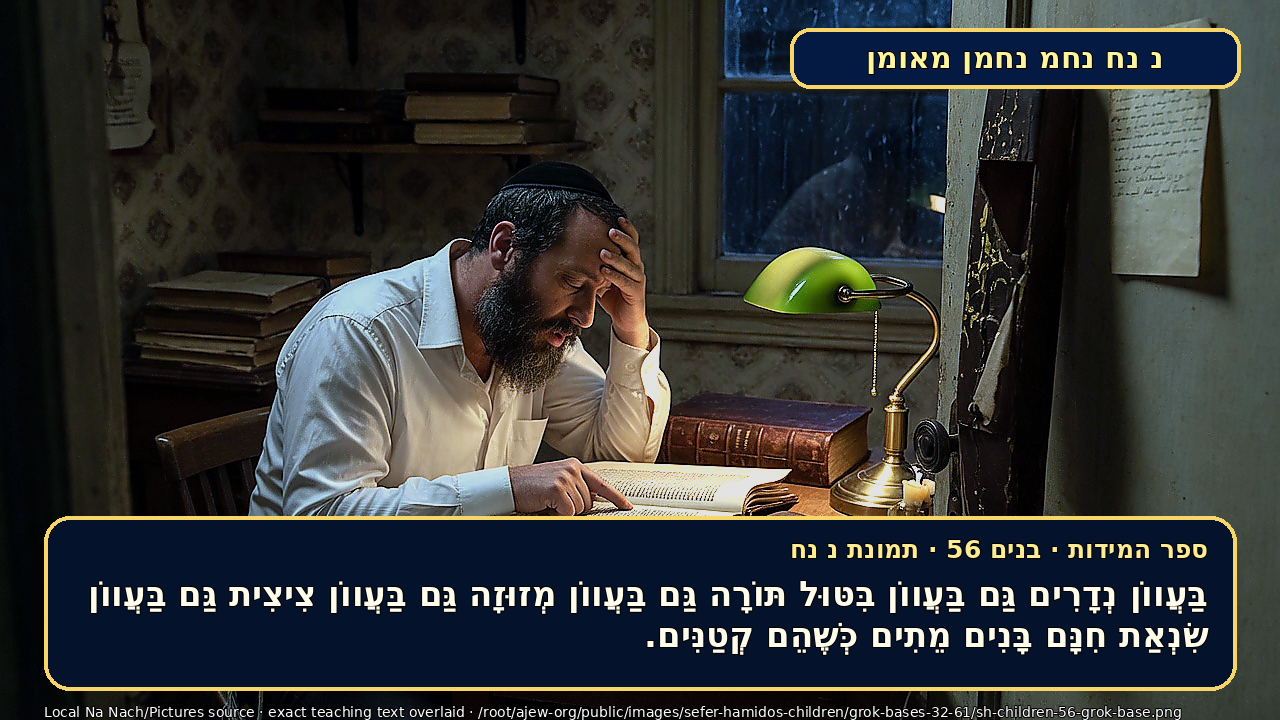
בַּעֲווֹן נְדָרִים גַּם בַּעֲווֹן בִּטּוּל תּוֹרָה גַּם בַּעֲווֹן מְזוּזָה גַּם בַּעֲווֹן צִיצִית גַּם בַּעֲווֹן שִׂנְאַת חִנָּם בָּנִים מֵתִים כְּשֶׁהֵם קְטַנִּים.
56. Through the sins of (not fulfilling) oaths, also for the sin of desisting from Torah study, also for the sin of (faulty or lacking of) mezuzot, also for the sin of (faulty or lacking of) Tzitzit, also for the sin of causeless hatred, children die when they are young.
📷 Pictures / videos for this teaching
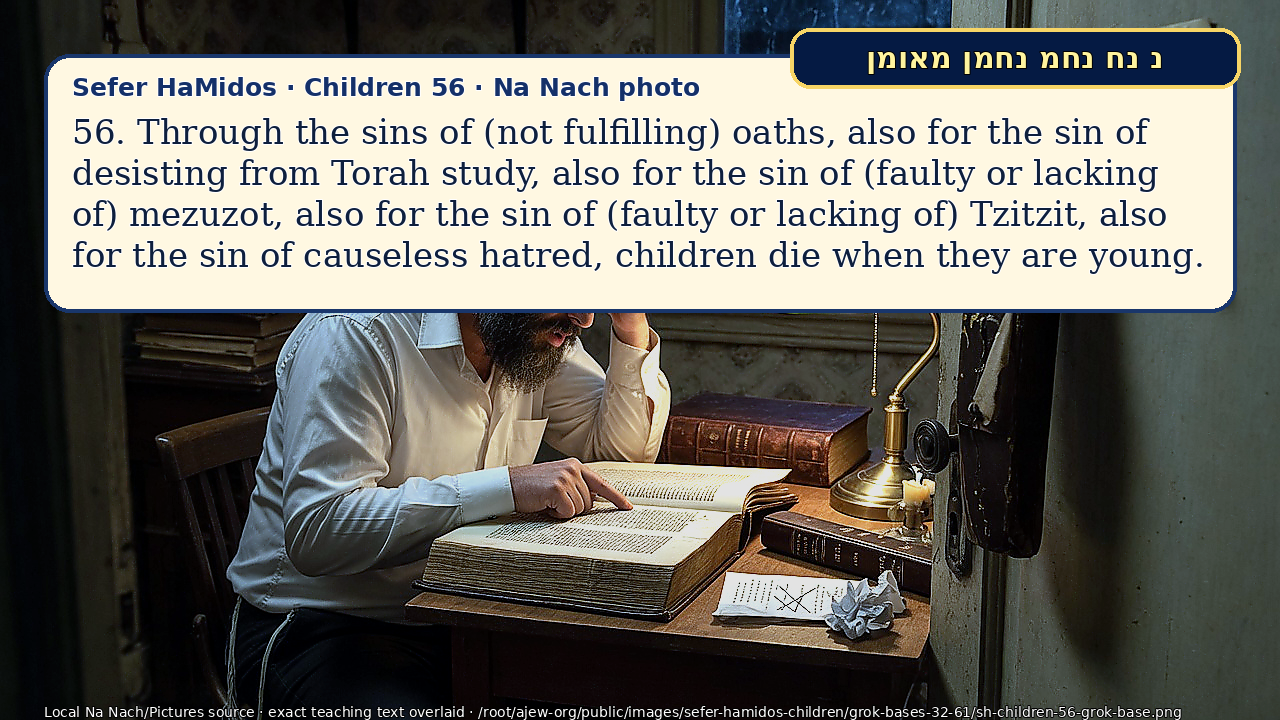
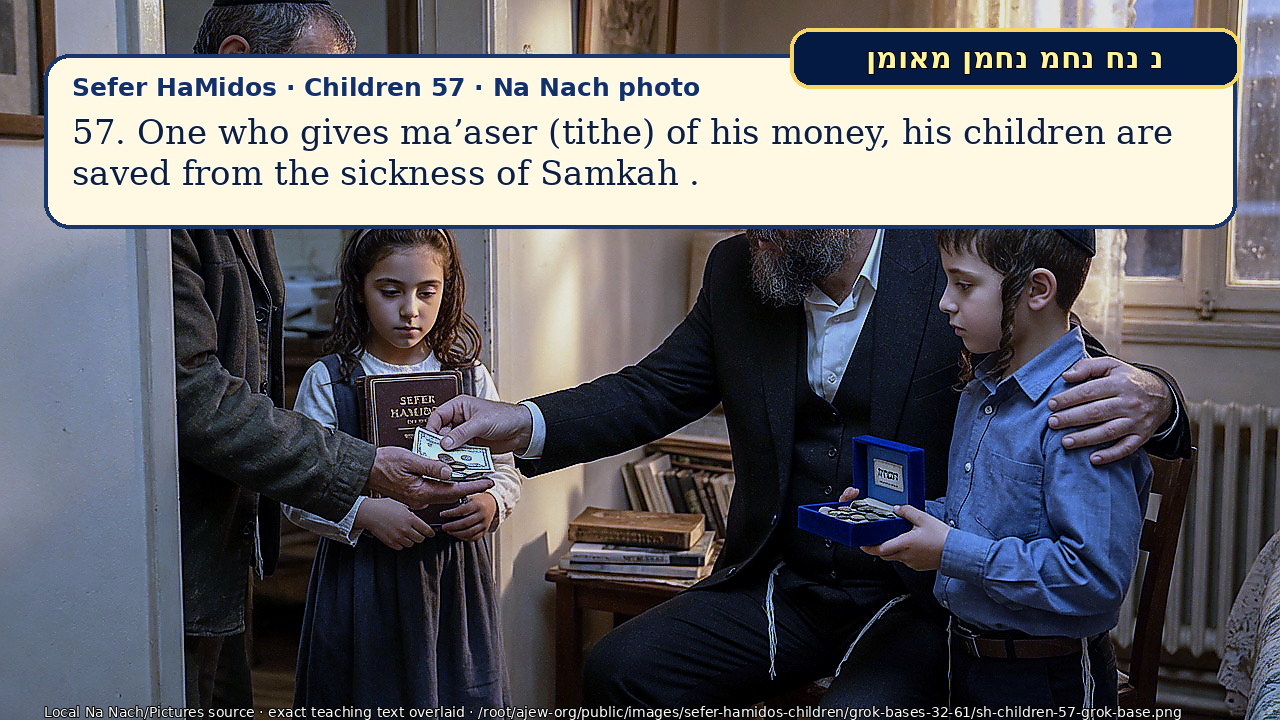
מִי שֶׁנּוֹתֵן מַעֲשֵׂר מִן מְעוֹתָיו, בָּנָיו נִצּוֹלִים מֵהַחֹלִי הַנִּקְרָא סַמְקָא.
57. One who gives ma’aser (tithe) of his money, his children are saved from the sickness of Samkah .
📷 Pictures / videos for this teaching
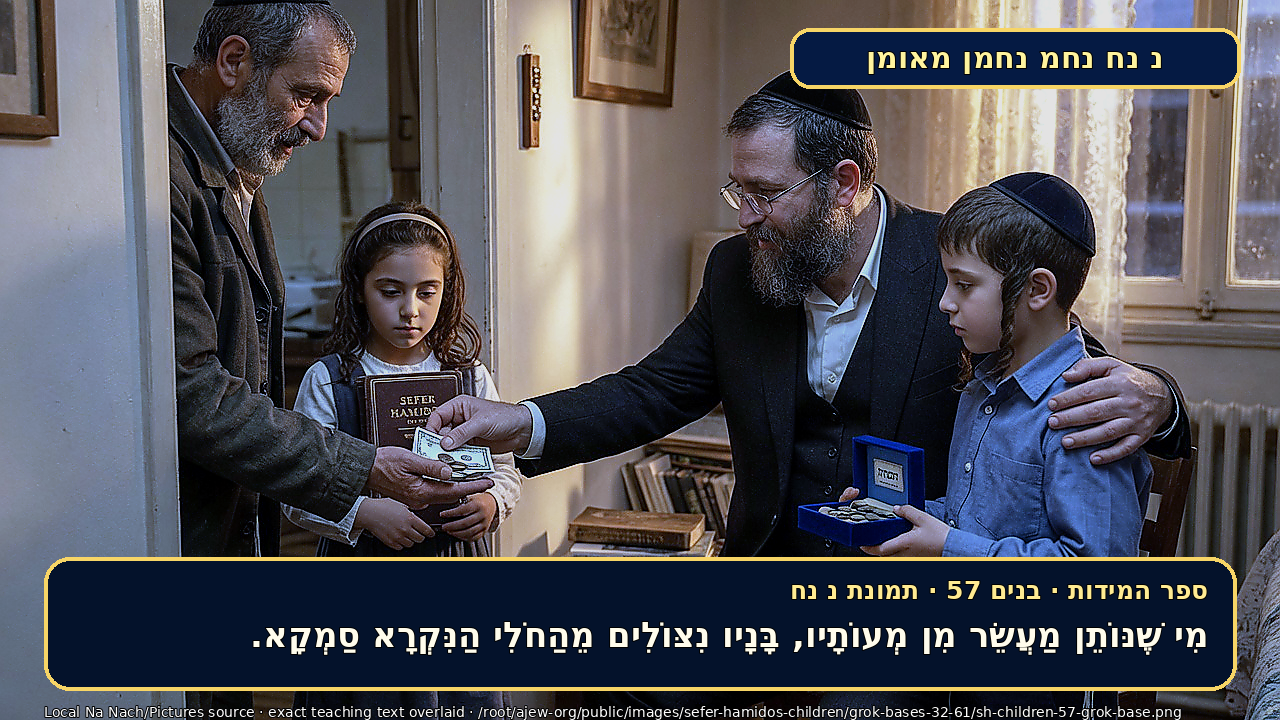
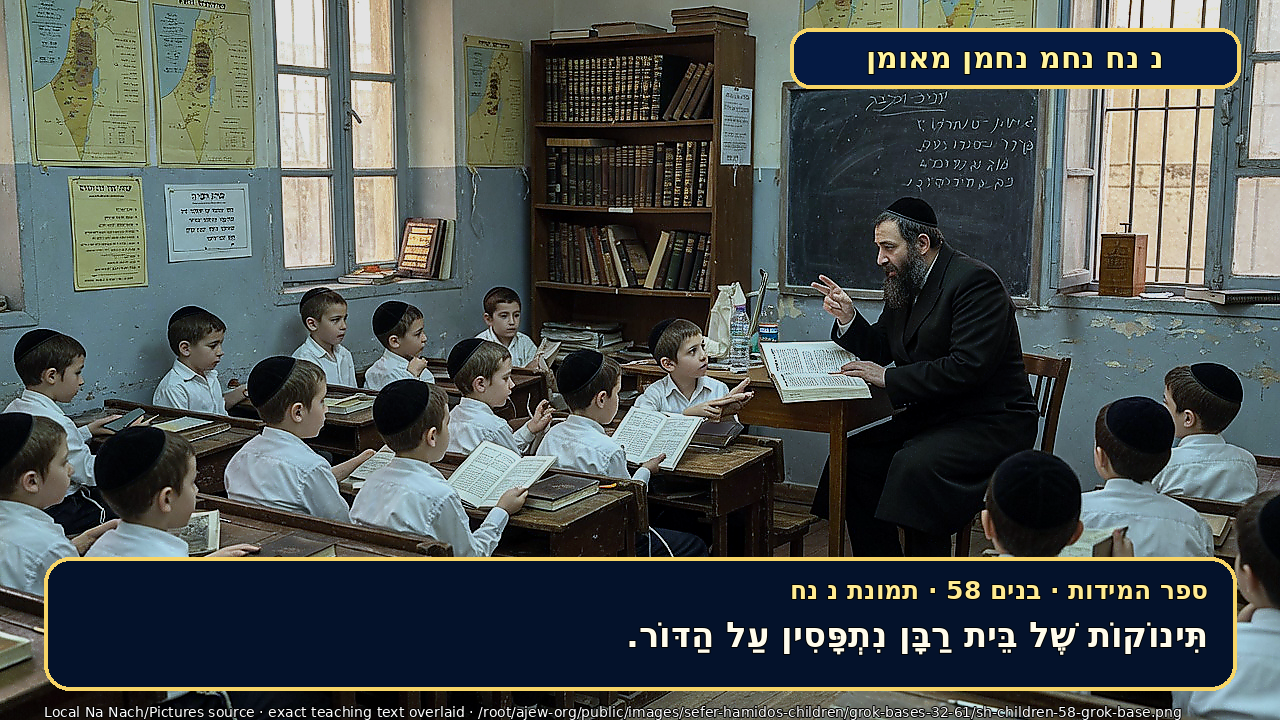
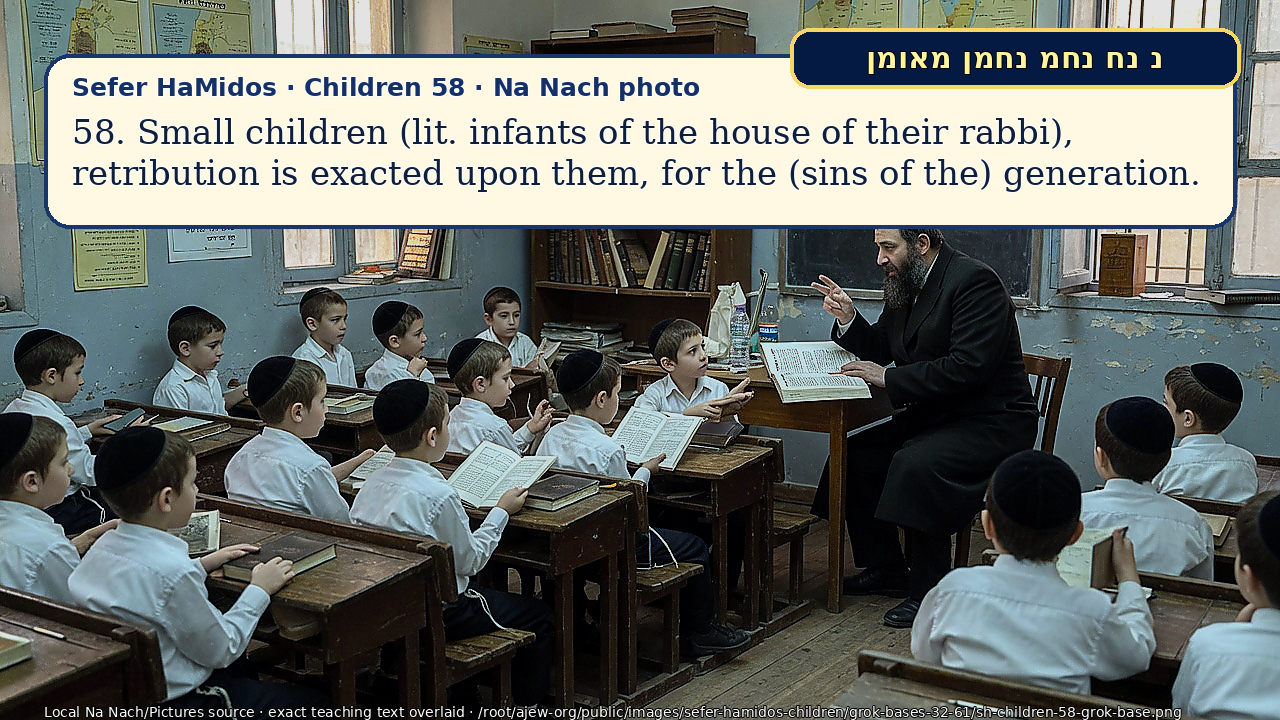
תִּינוֹקוֹת שֶׁל בֵּית רַבָּן נִתְפָּסִין עַל הַדּוֹר.
58. Small children (lit. infants of the house of their rabbi), retribution is exacted upon them, for the (sins of the) generation.
📷 Pictures / videos for this teaching
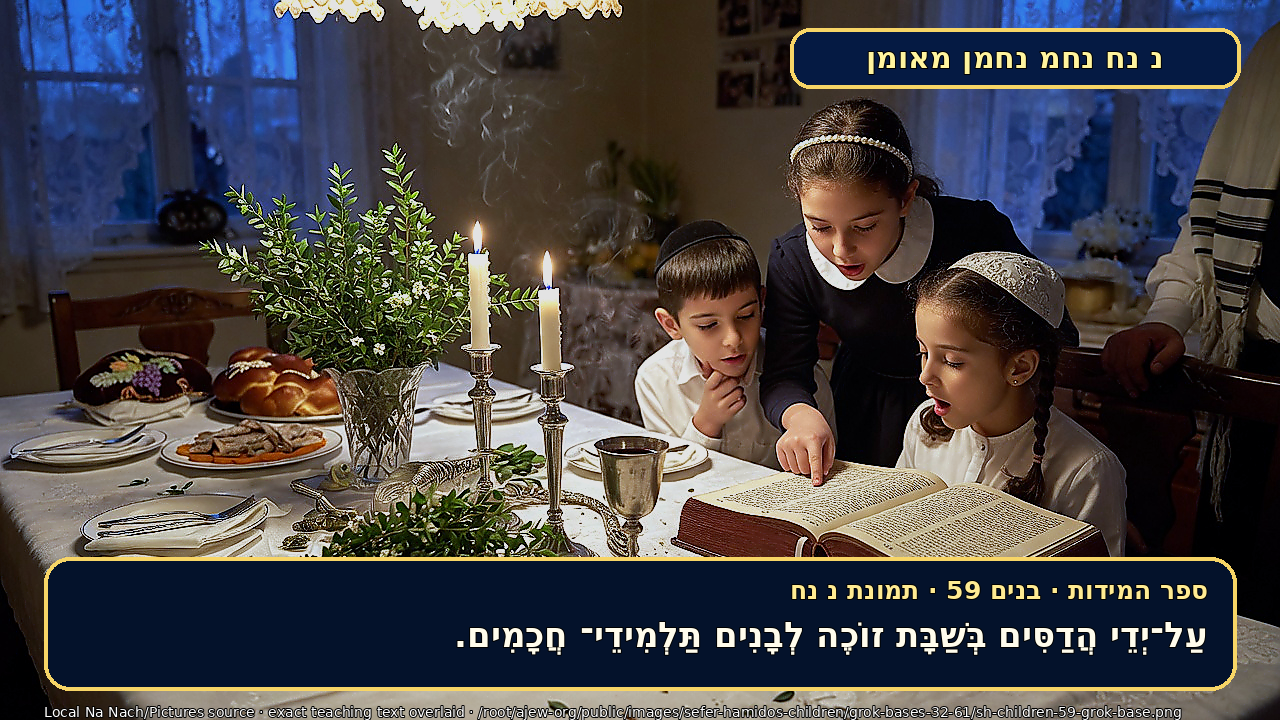
עַל־יְדֵי הֲדַסִּים בְּשַׁבָּת זוֹכֶה לְבָנִים תַּלְמִידֵי־ חֲכָמִים.
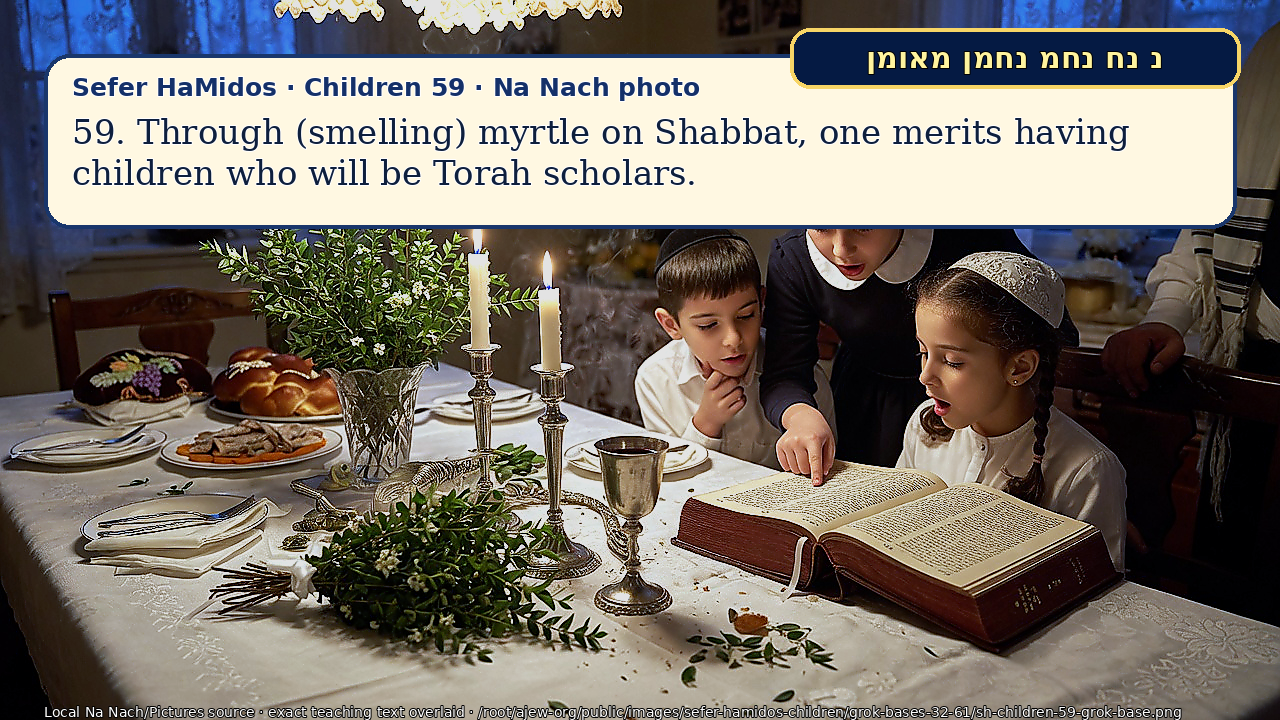
59. Through (smelling) myrtle on Shabbat, one merits having children who will be Torah scholars.
📷 Pictures / videos for this teaching
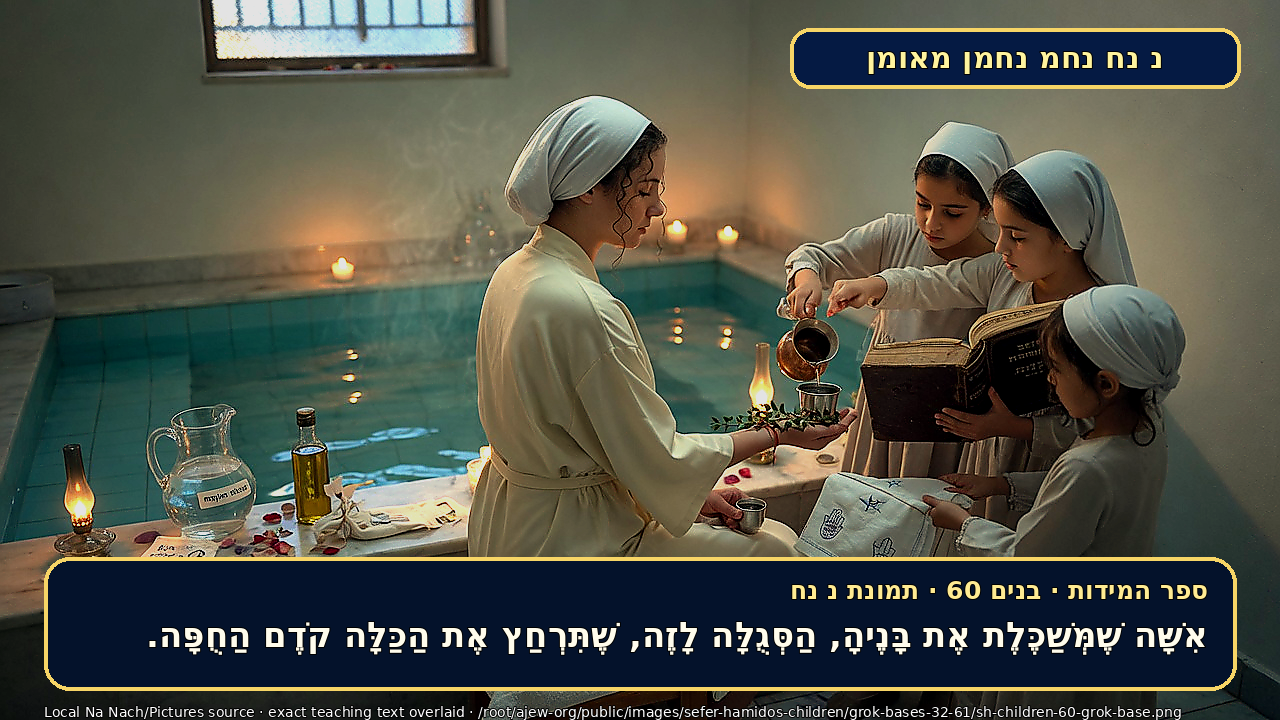
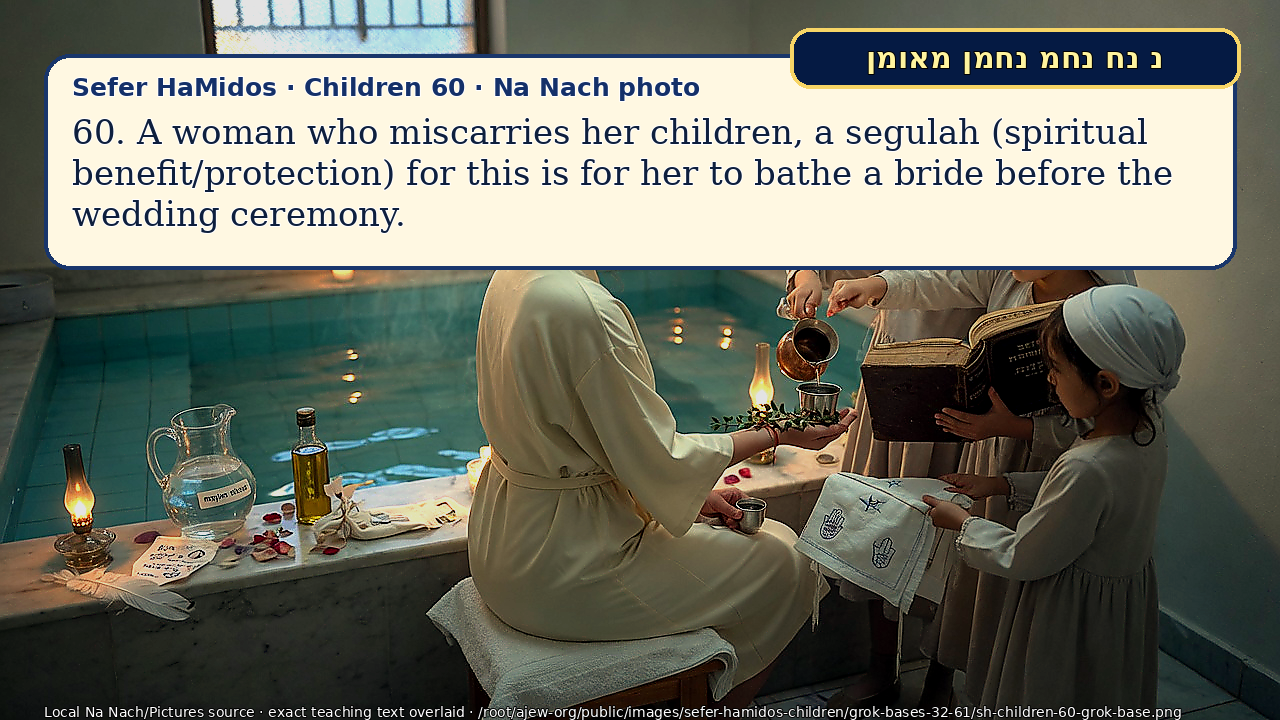
אִשָּׁה שֶׁמְּשַׁכֶּלֶת אֶת בָּנֶיהָ, הַסְּגֻלָּה לָזֶה, שֶׁתִּרְחַץ אֶת הַכַּלָּה קֹדֶם הַחֻפָּה.
60. A woman who miscarries her children, a segulah (spiritual benefit/protection) for this is for her to bathe a bride before the wedding ceremony.
📷 Pictures / videos for this teaching
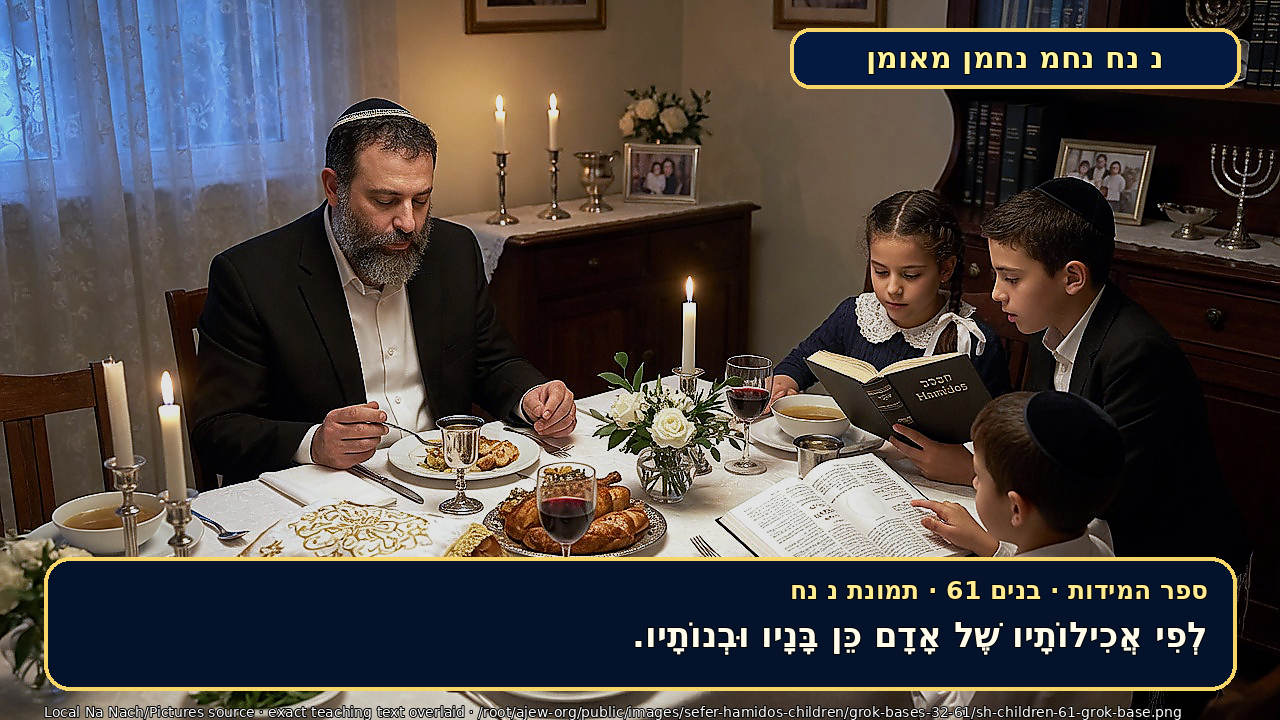
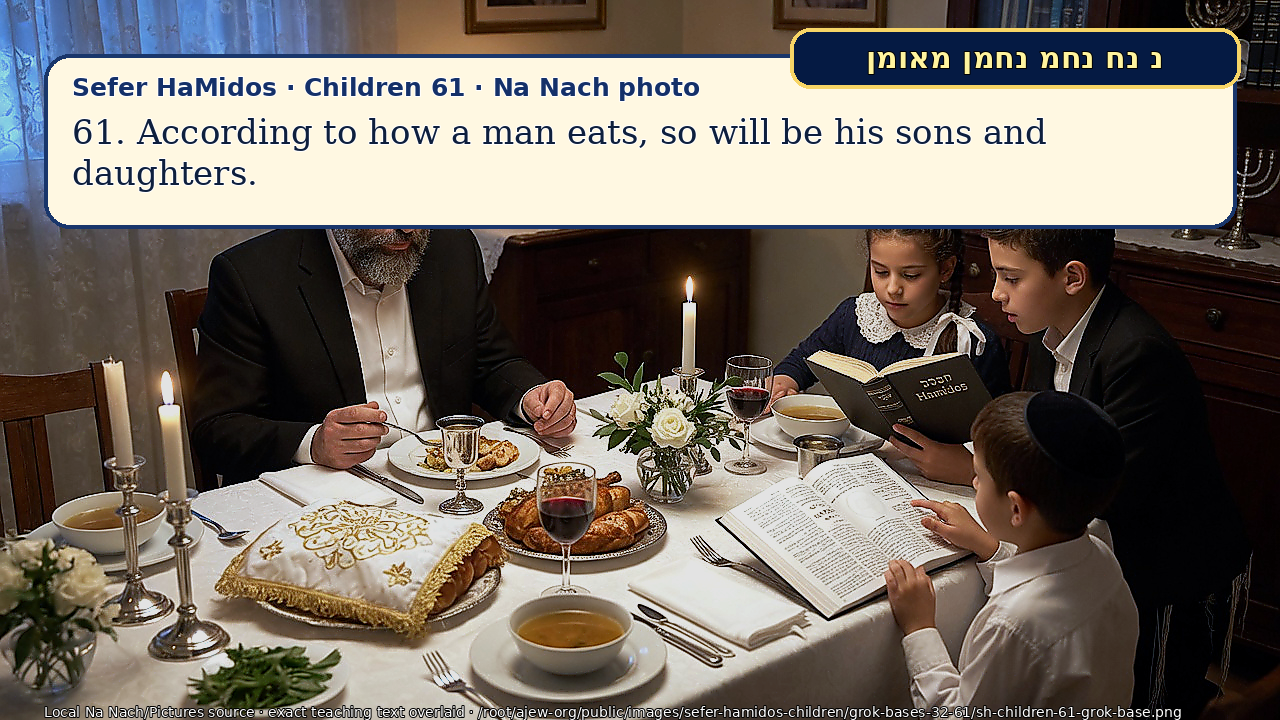
לְפִי אֲכִילוֹתָיו שֶׁל אָדָם כֵּן בָּנָיו וּבְנוֹתָיו.
61. According to how a man eats, so will be his sons and daughters.
📷 Pictures / videos for this teaching
מִי שֶׁבָּנָיו מֵתִים – אַל יְשַׁמֵּשׁ מִטָּתוֹ בַּחֹל, כִּי־אִם מִשַּׁבָּת לְשַּׁבָּת.
62. One whose sons die should not have marital relations during the week, only from Shabbat to Shabbat.
📷 Pictures / videos for this teaching
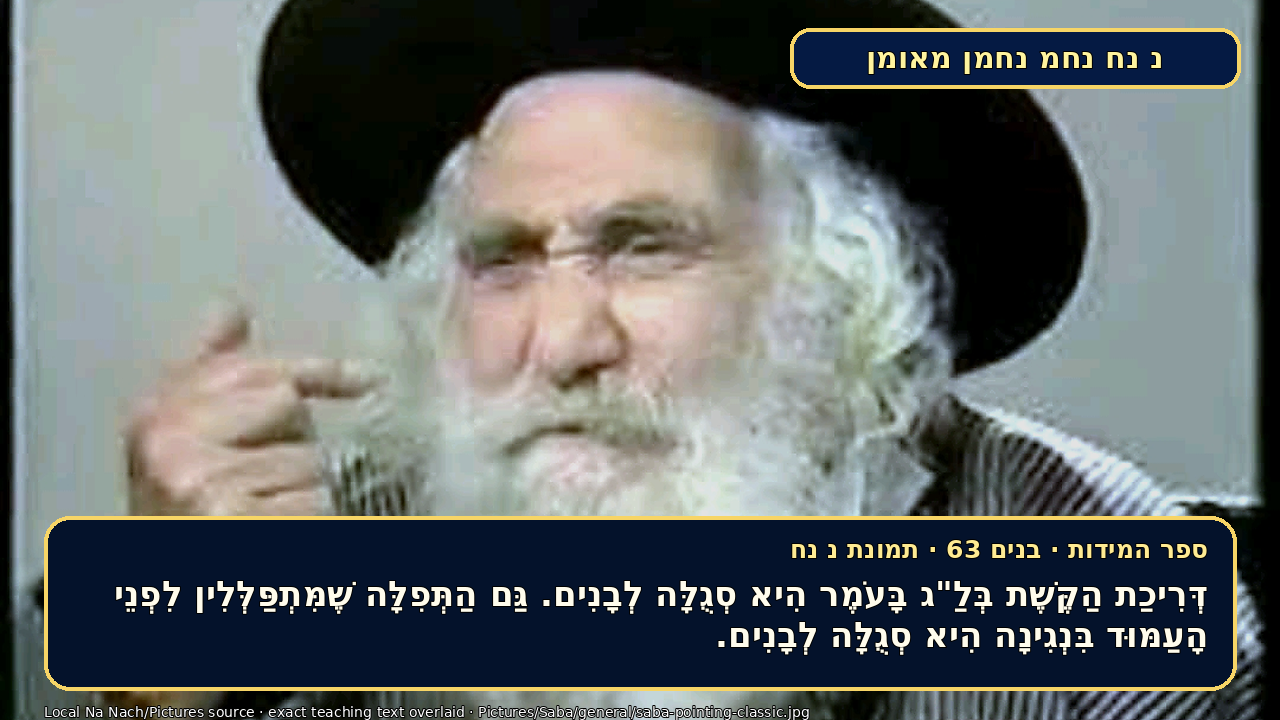
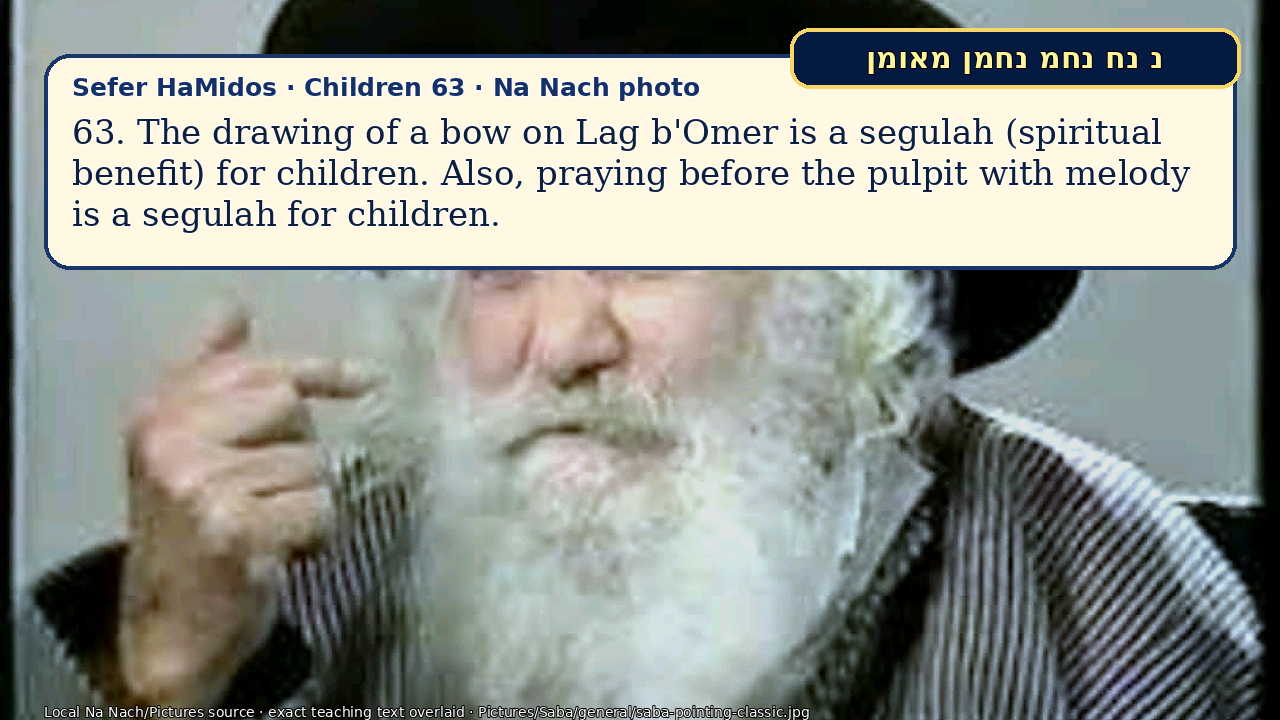
דְּרִיכַת הַקֶּשֶׁת בְּלַ"ג בָּעֹמֶר הִיא סְגֻלָּה לְבָנִים. גַּם הַתְּפִלָּה שֶׁמִּתְפַּלְּלִין לִפְנֵי הָעַמּוּד בִּנְגִינָה הִיא סְגֻלָּה לְבָנִים.
63. The drawing of a bow on Lag b'Omer is a segulah (spiritual benefit) for children. Also, praying before the pulpit with melody is a segulah for children.
📷 Pictures / videos for this teaching
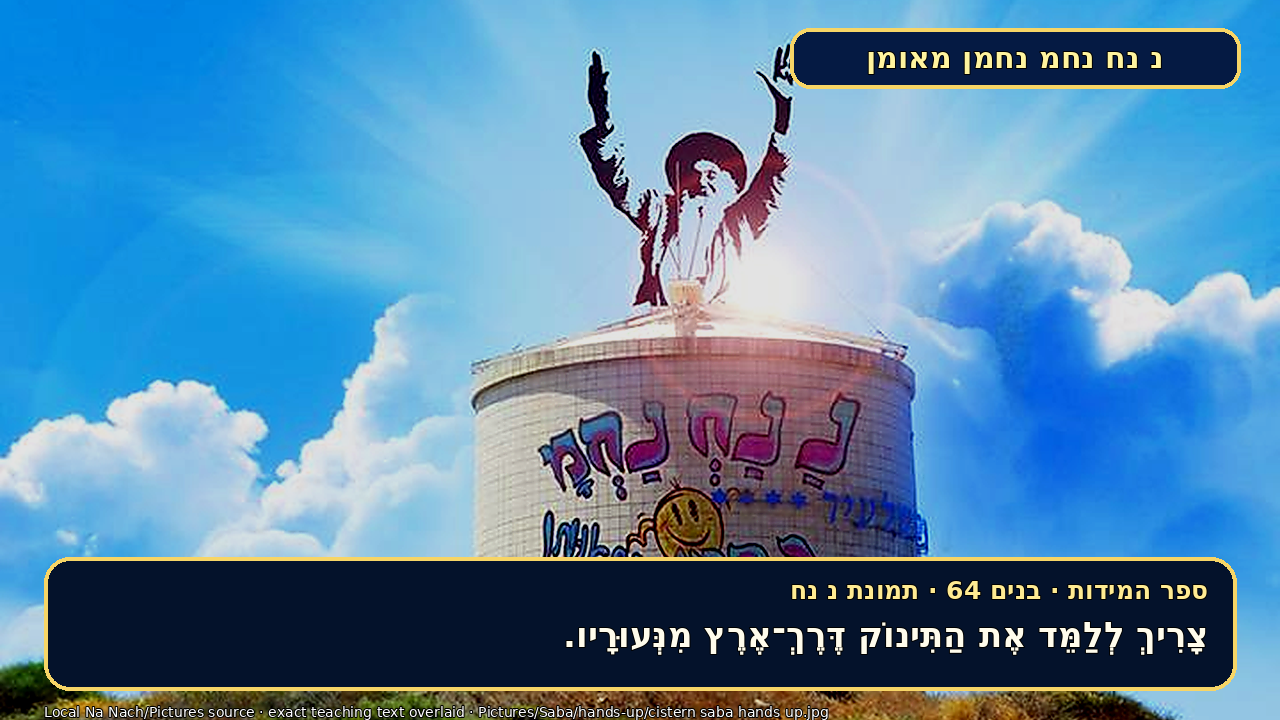
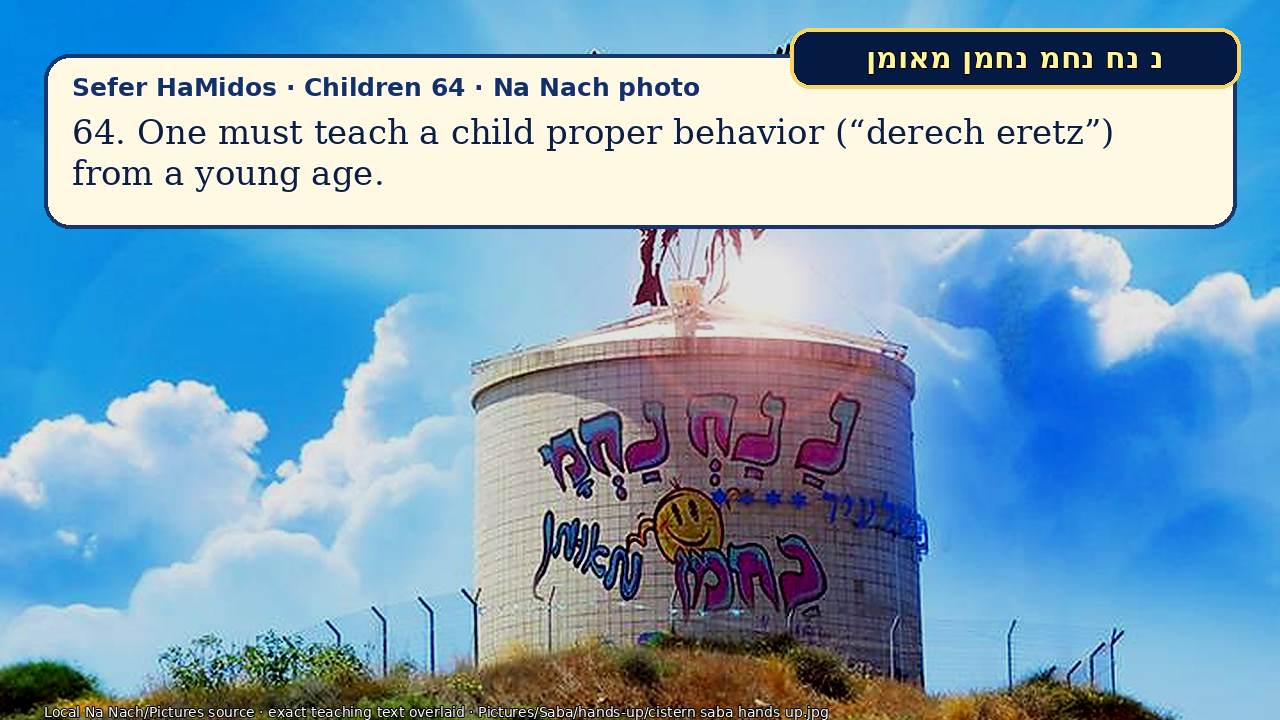
צָרִיךְ לְלַמֵּד אֶת הַתִּינוֹק דֶּרֶךְ־אֶרֶץ מִנְּעוּרָיו.
64. One must teach a child proper behavior (“derech eretz”) from a young age.
📷 Pictures / videos for this teaching
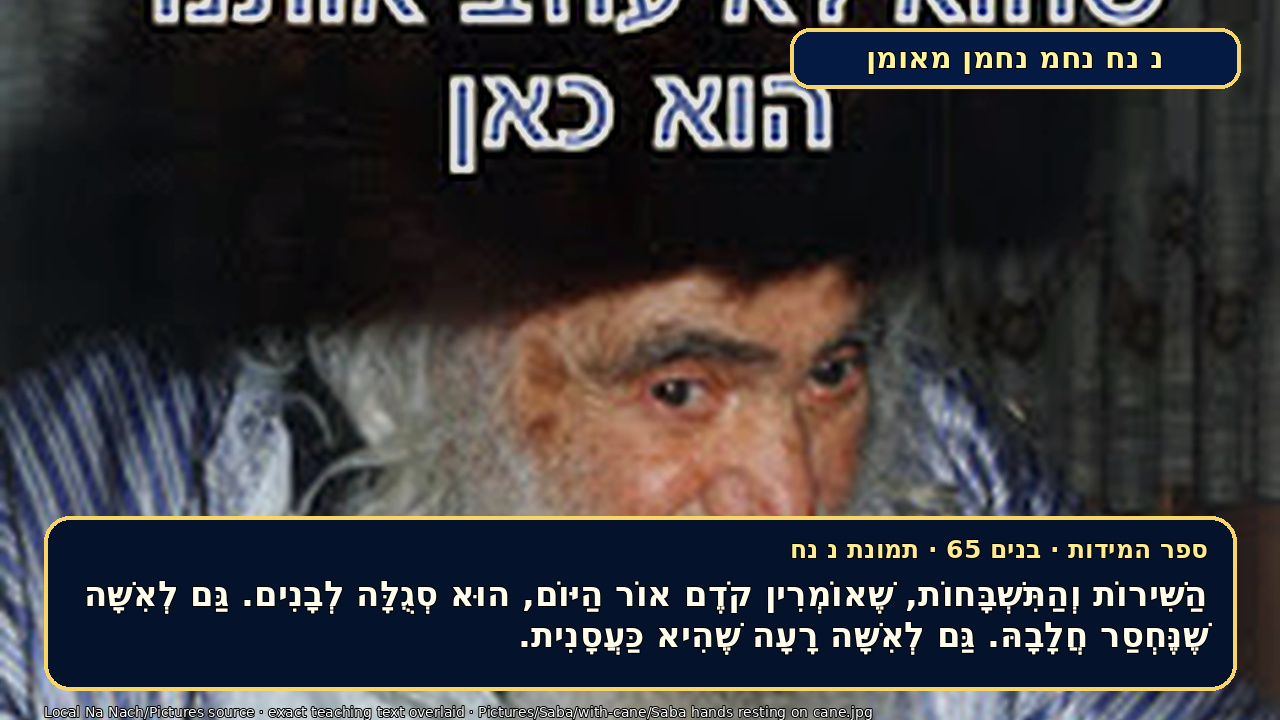
הַשִּׁירוֹת וְהַתִּשְׁבָּחוֹת, שֶׁאוֹמְרִין קֹדֶם אוֹר הַיּוֹם, הוּא סְגֻלָּה לְבָנִים. גַּם לְאִשָּׁה שֶׁנֶּחְסַר חֲלָבָהּ. גַּם לְאִשָּׁה רָעָה שֶׁהִיא כַּעֲסָנִית.
65. The songs and praises that are said before dawn are a segulah for children. It is also helpful for a woman deficient in her milk, and for an evil woman who is bad-tempered.
📷 Pictures / videos for this teaching
מִי שֶׁהוּא מַקְטִין אֶת עַצְמוֹ בִּפְנֵי רַבּוֹ וְשׁוֹאֵל מִמֶּנּוּ כָּל הַסְּפֵקוֹת, אַף־עַל־פִּי שֶׁרַבּוֹ מְבַיֵּשׁ אוֹתוֹ, עַל־יְדֵי זֶה זוֹכֶה, שֶׁיּוֹצֵא מִמֶּנּוּ בֵּן שֶׁהוּא גָּדוֹל בַּתּוֹרָה יוֹתֵר מֵרַבּוֹ.
66. One who belittles himself before his rabbi by asking about all his doubts, even though his rabbi embarrasses him (for it) -- through this, he will merit to have a child who is greater in Torah than his rabbi.
📷 Pictures / videos for this teaching
מִי שֶׁמְּקַבֵּל אֶת הַיִּסּוּרִים בְּאַהֲבָה, זוֹכֶה לְזֶרַע שֶׁיַּאֲרִיכוּ יְמֵיהֶם.
67. One who accepts suffering with love will merit to have children who will live long.
📷 Pictures / videos for this teaching
פְּעֻלּוֹת הַשֵּׁם נִמְשָׁכִין אַחַר הַשֵּׁם שֶׁל אָדָם, כִּי שְׁמָא גָּרִים.
68. The acts of G-d (lit. Hashem—the Name) follow after the name of a man, for a name has causative [power].
📷 Pictures / videos for this teaching
מִי שֶׁמַּגְבִּיהַּ קוֹלוֹ כְּדֵי לְהִתְפָּאֵר בּוֹ, בָּאִים בָּנָיו לַשְּׁבִיָּה.
69. One who raises his voice in order to glorify himself, his children will be brought into captivity.
📷 Pictures / videos for this teaching
מִי שֶׁאֵין לוֹ בָּנִים, יְהֵא רָגִיל בְּשֶׁמֶן.
70. One who doesn't have children should [use] oil regularly.
📷 Pictures / videos for this teaching
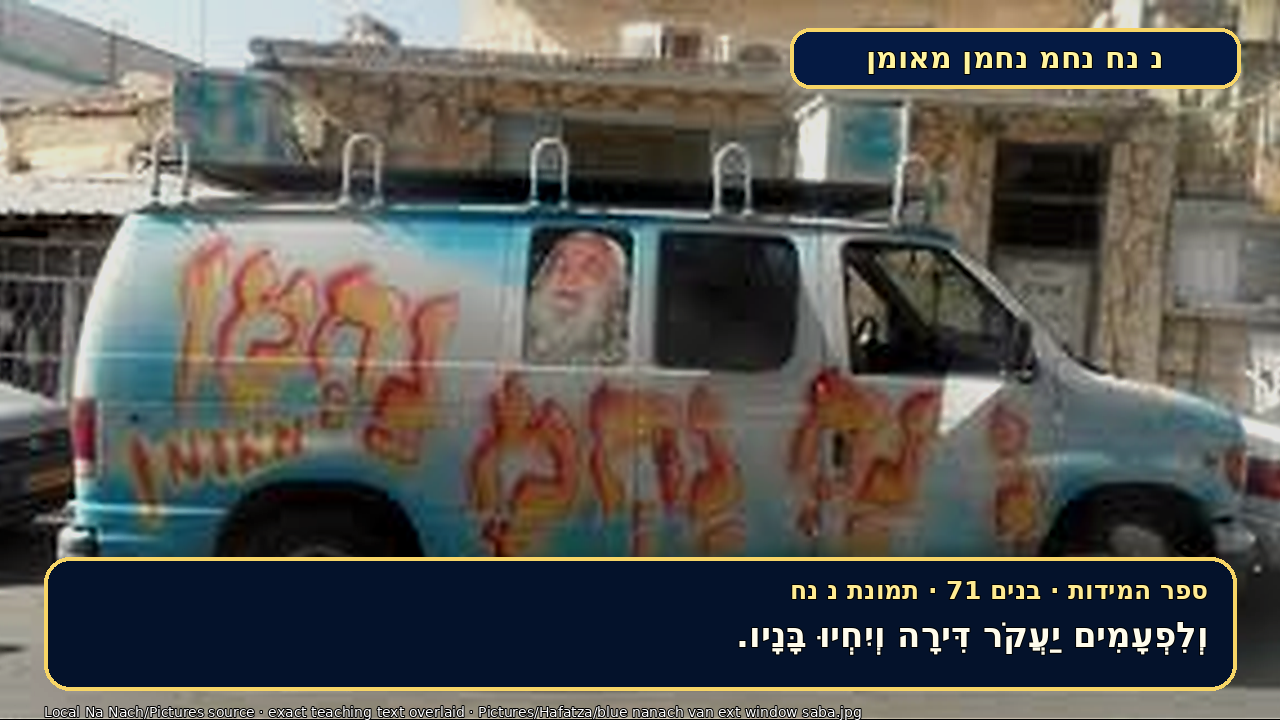
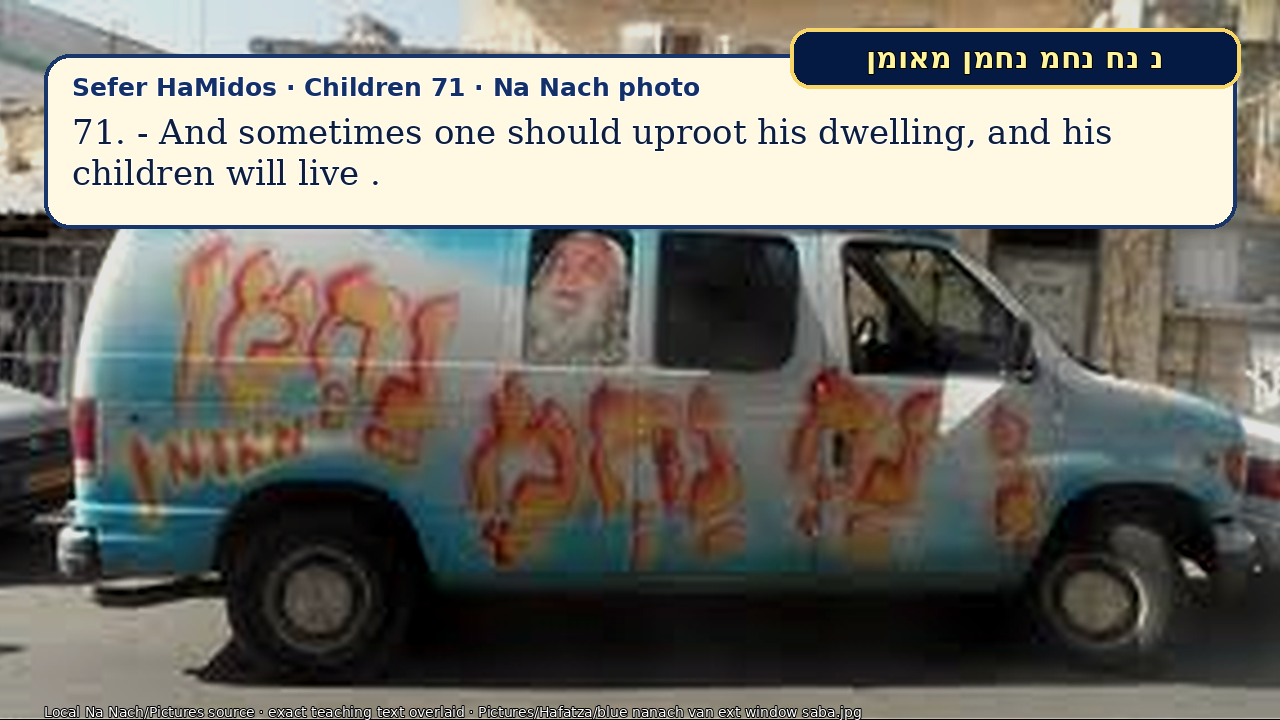
וְלִפְעָמִים יַעֲקֹר דִּירָה וְיִחְיוּ בָּנָיו.
71. - And sometimes one should uproot his dwelling, and his children will live .
📷 Pictures / videos for this teaching
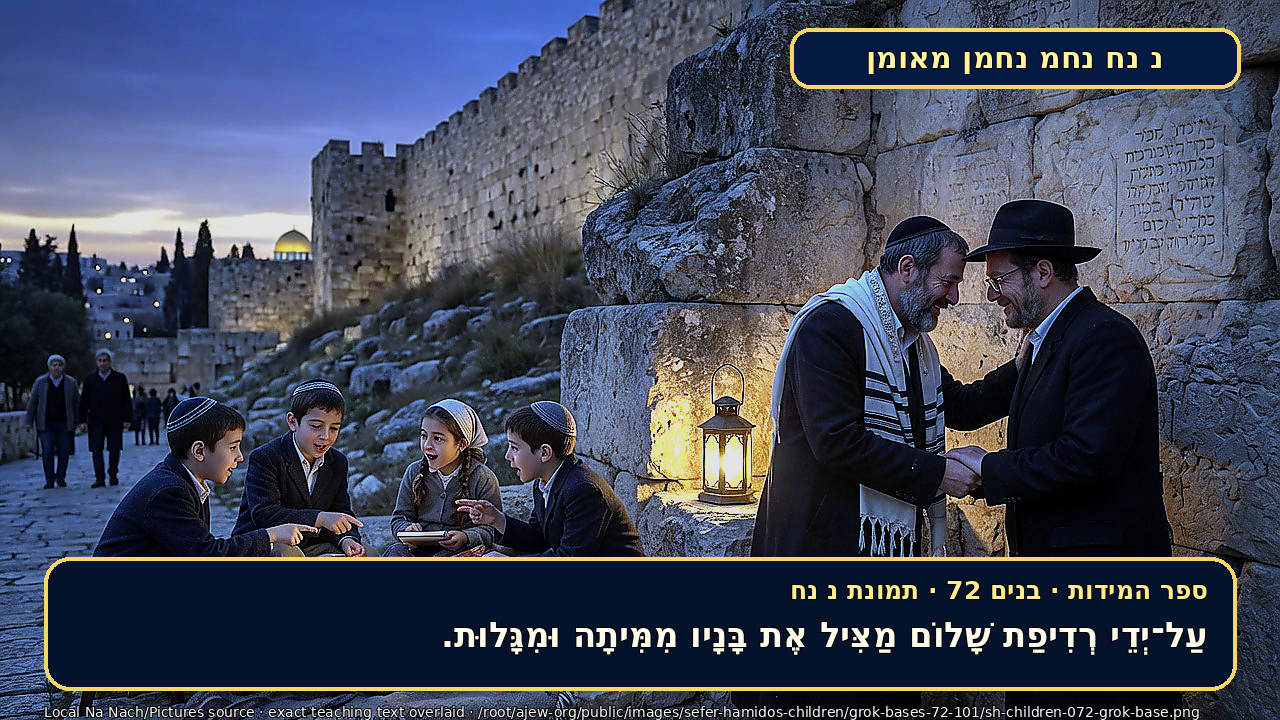
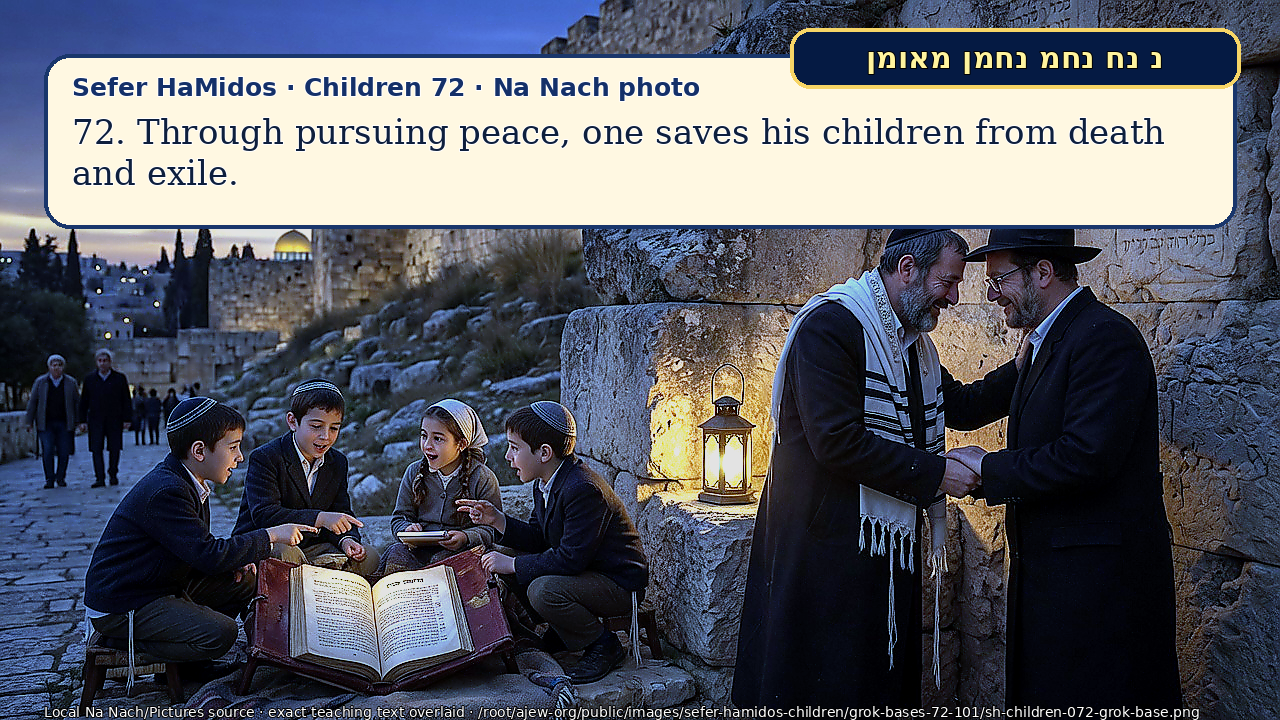
עַל־יְדֵי רְדִיפַת שָׁלוֹם מַצִּיל אֶת בָּנָיו מִמִּיתָה וּמִגָּלוּת.
72. Through pursuing peace, one saves his children from death and exile.
📷 Pictures / videos for this teaching
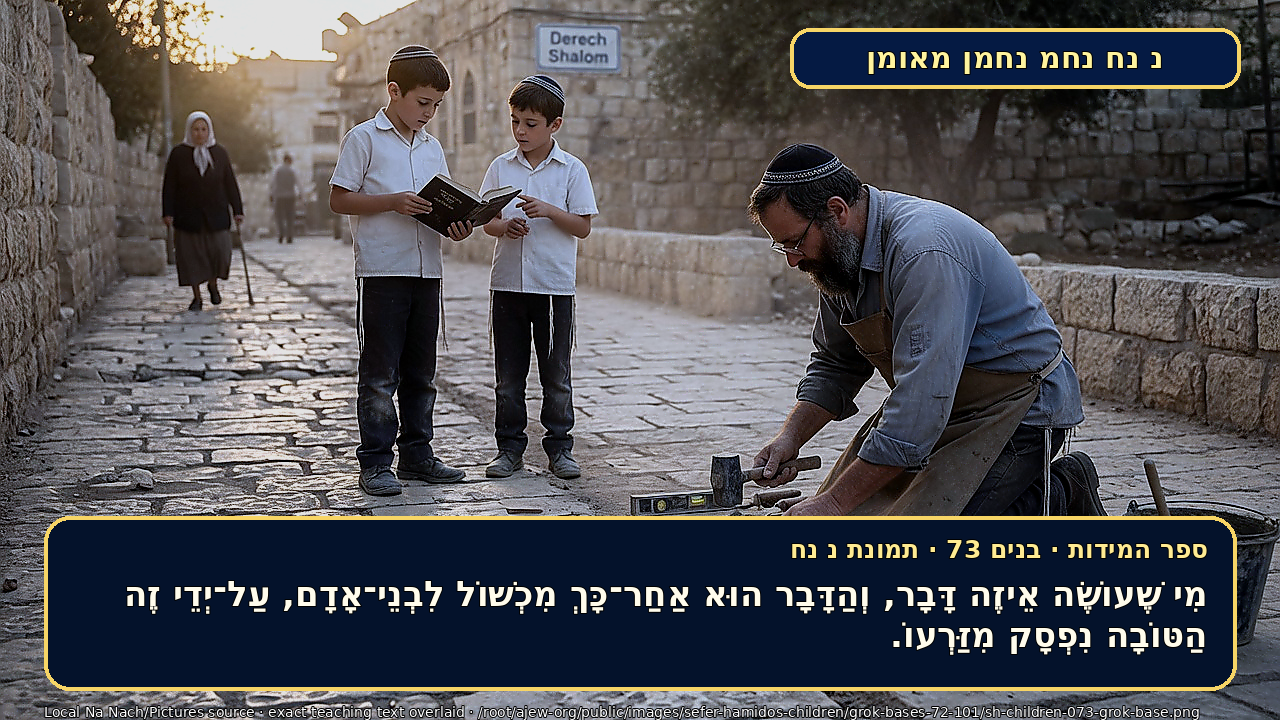
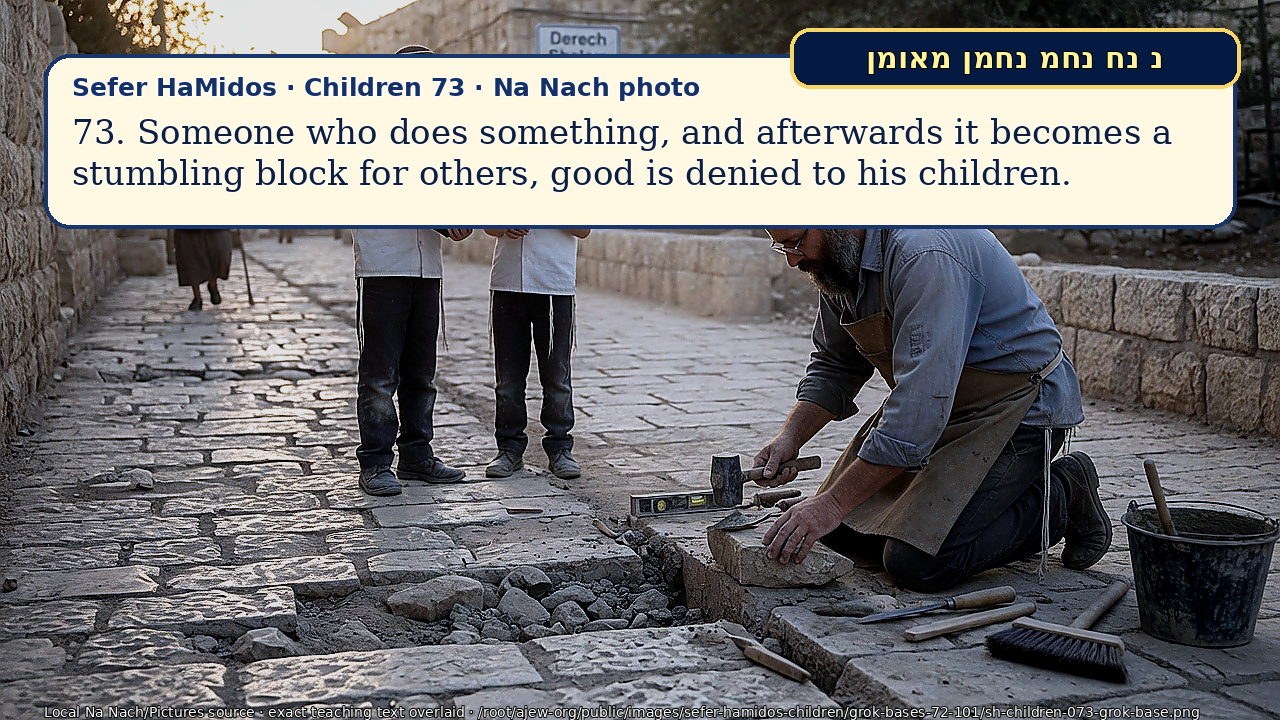
מִי שֶׁעוֹשֶׂה אֵיזֶה דָּבָר, וְהַדָּבָר הוּא אַחַר־כָּךְ מִכְשׁוֹל לִבְנֵי־אָדָם, עַל־יְדֵי זֶה הַטּוֹבָה נִפְסָק מִזַּרְעוֹ.
73. Someone who does something, and afterwards it becomes a stumbling block for others, good is denied to his children.
📷 Pictures / videos for this teaching
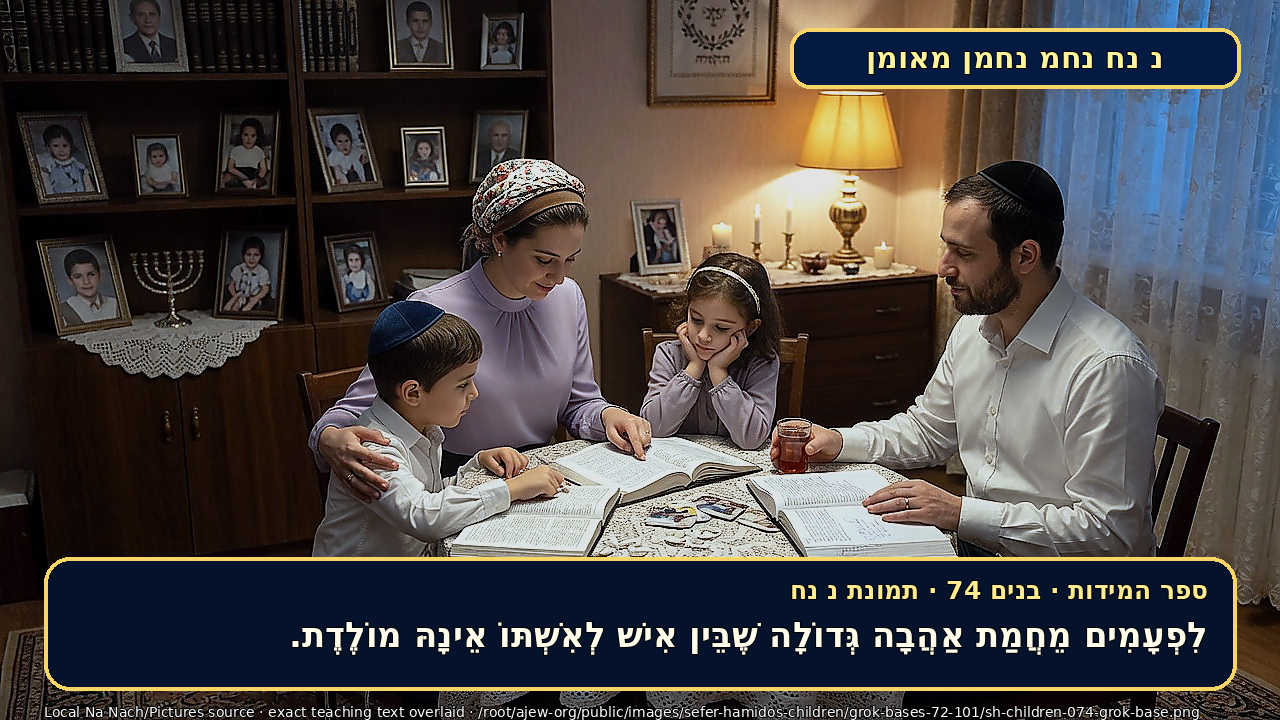
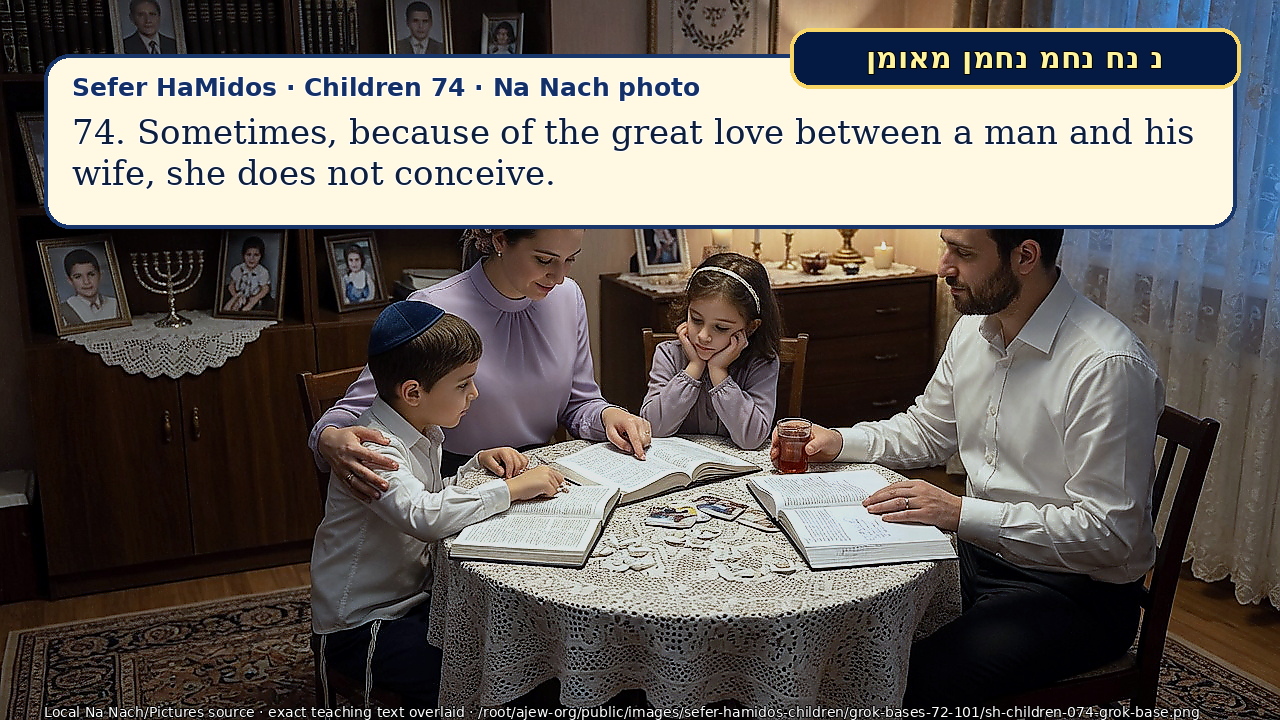
לִפְעָמִים מֵחֲמַת אַהֲבָה גְּדוֹלָה שֶׁבֵּין אִישׁ לְאִשְׁתּוֹ אֵינָהּ מוֹלֶדֶת.
74. Sometimes, because of the great love between a man and his wife, she does not conceive.
📷 Pictures / videos for this teaching
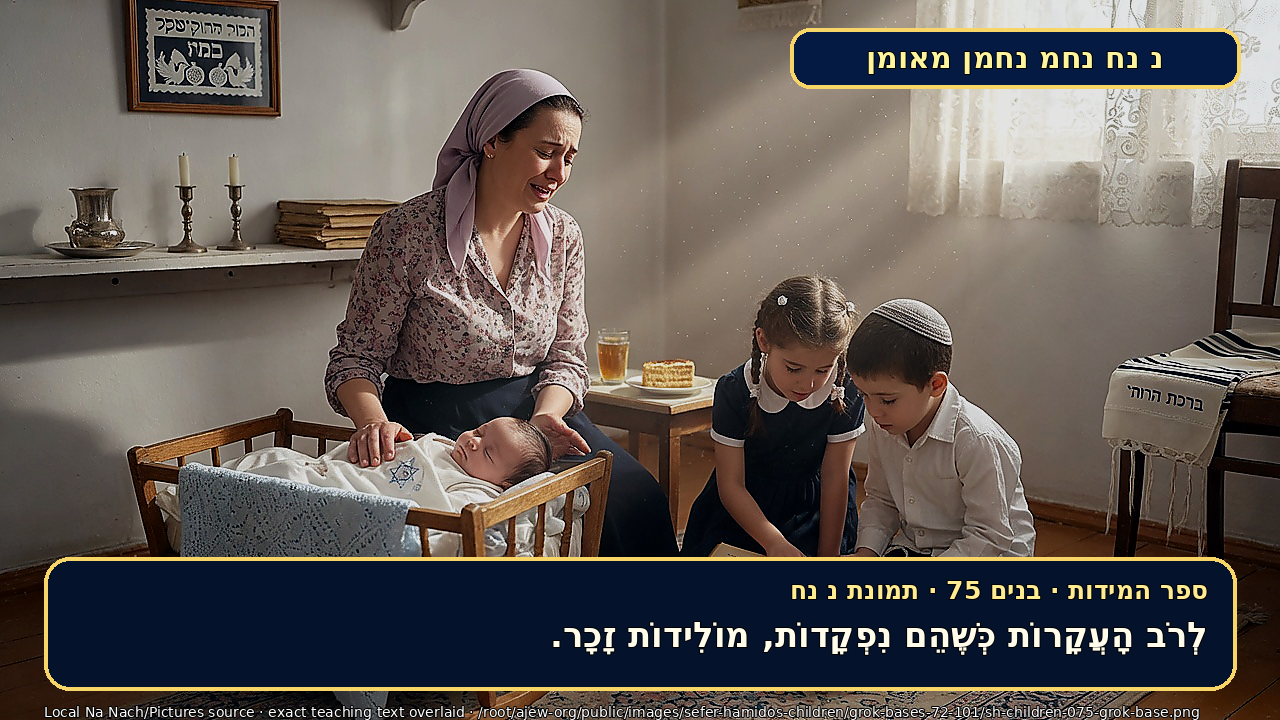
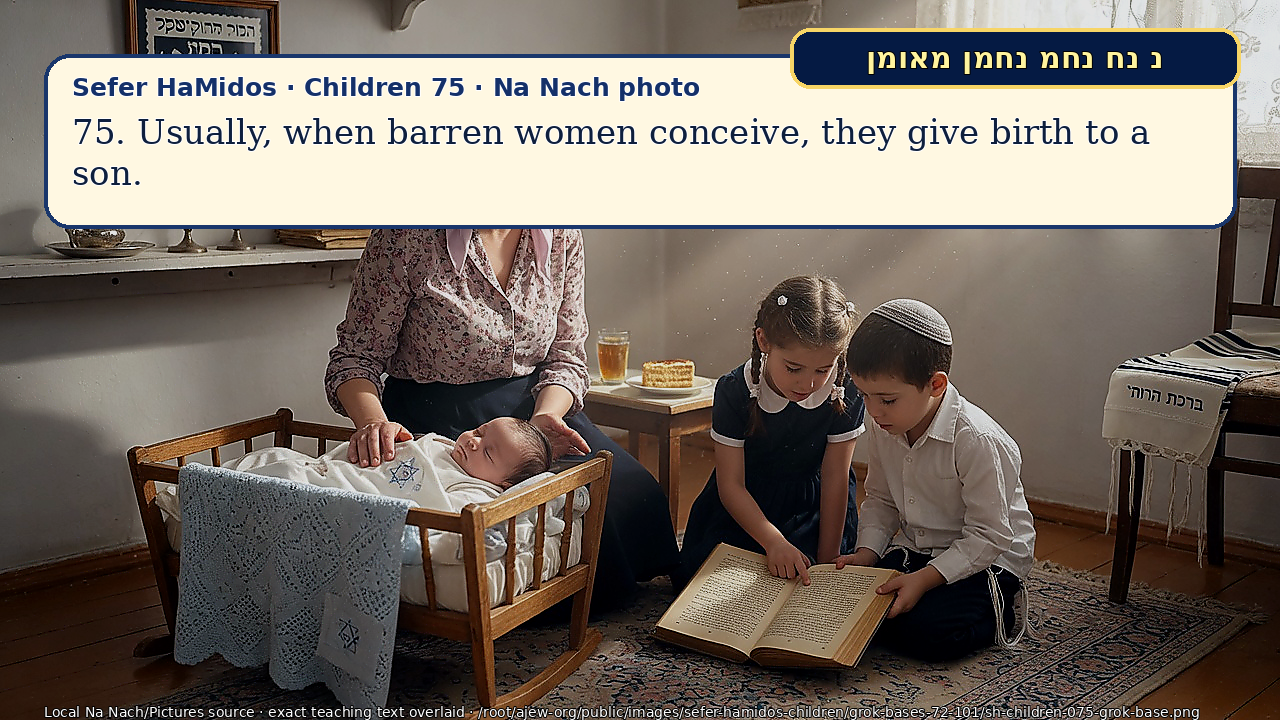
לְרֹב הָעֲקָרוֹת כְּשֶׁהֵם נִפְקָדוֹת, מוֹלִידוֹת זָכָר.
75. Usually, when barren women conceive, they give birth to a son.
📷 Pictures / videos for this teaching
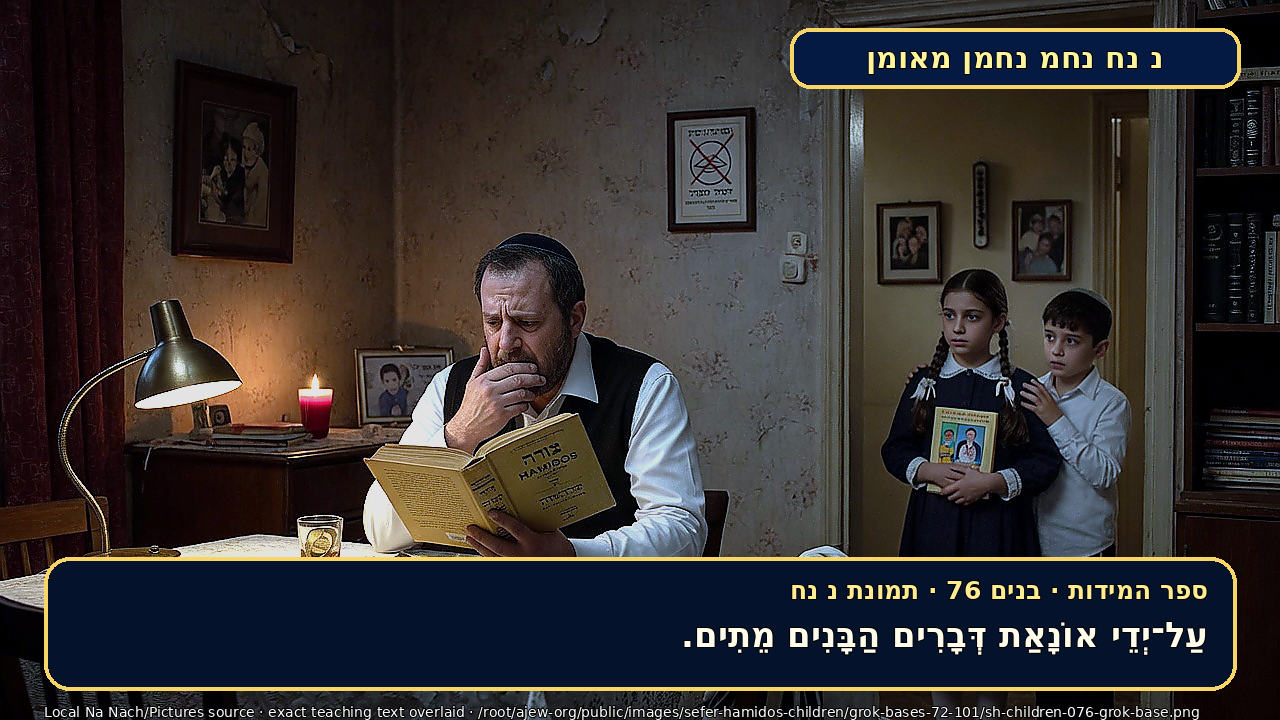
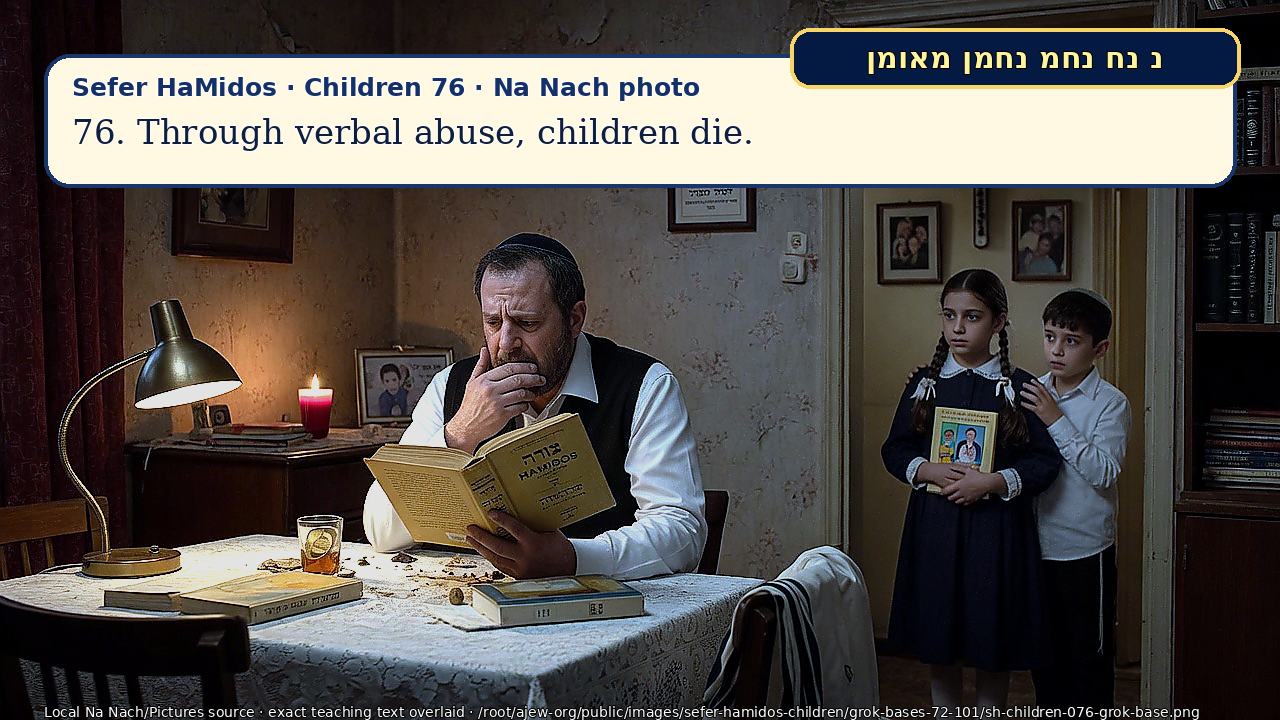
עַל־יְדֵי אוֹנָאַת דְּבָרִים הַבָּנִים מֵתִים.
76. Through verbal abuse, children die.
📷 Pictures / videos for this teaching
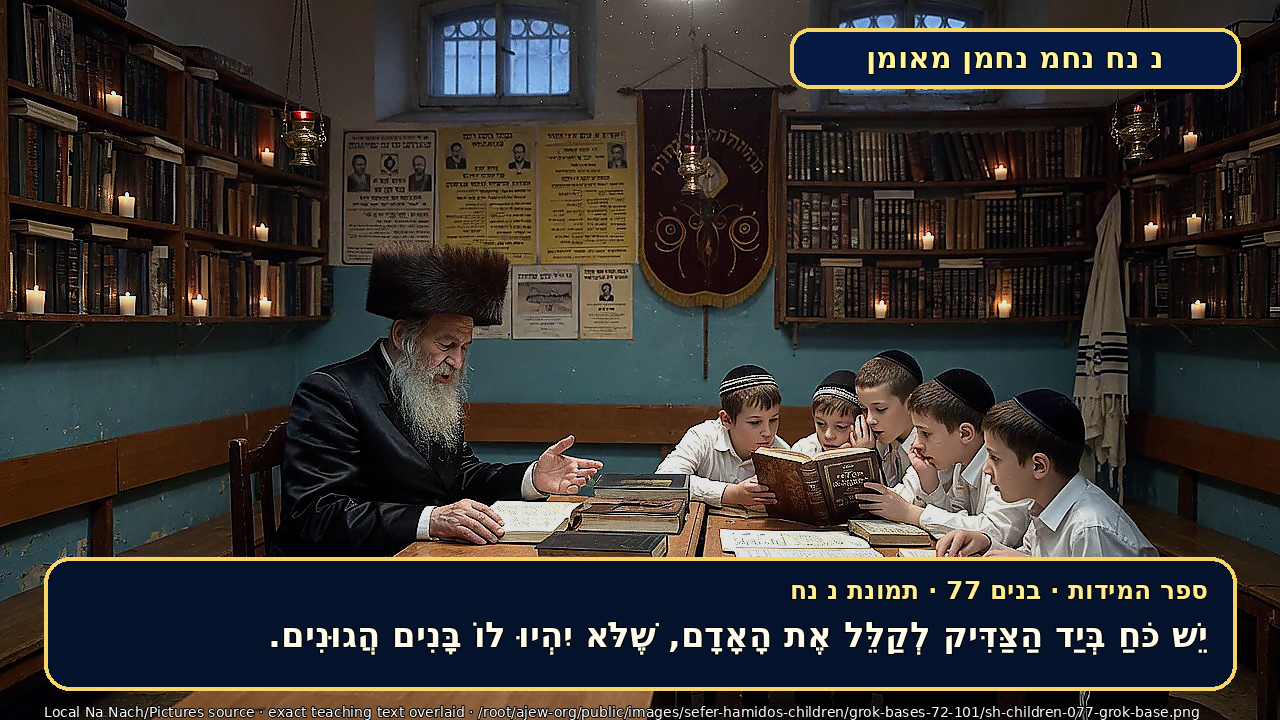
יֵשׁ כֹּחַ בְּיַד הַצַּדִּיק לְקַלֵּל אֶת הָאָדָם, שֶׁלֹּא יִהְיוּ לוֹ בָּנִים הֲגוּנִים.
77. A Tzaddik possesses the power to curse a man, that his children will not be proper.
📷 Pictures / videos for this teaching
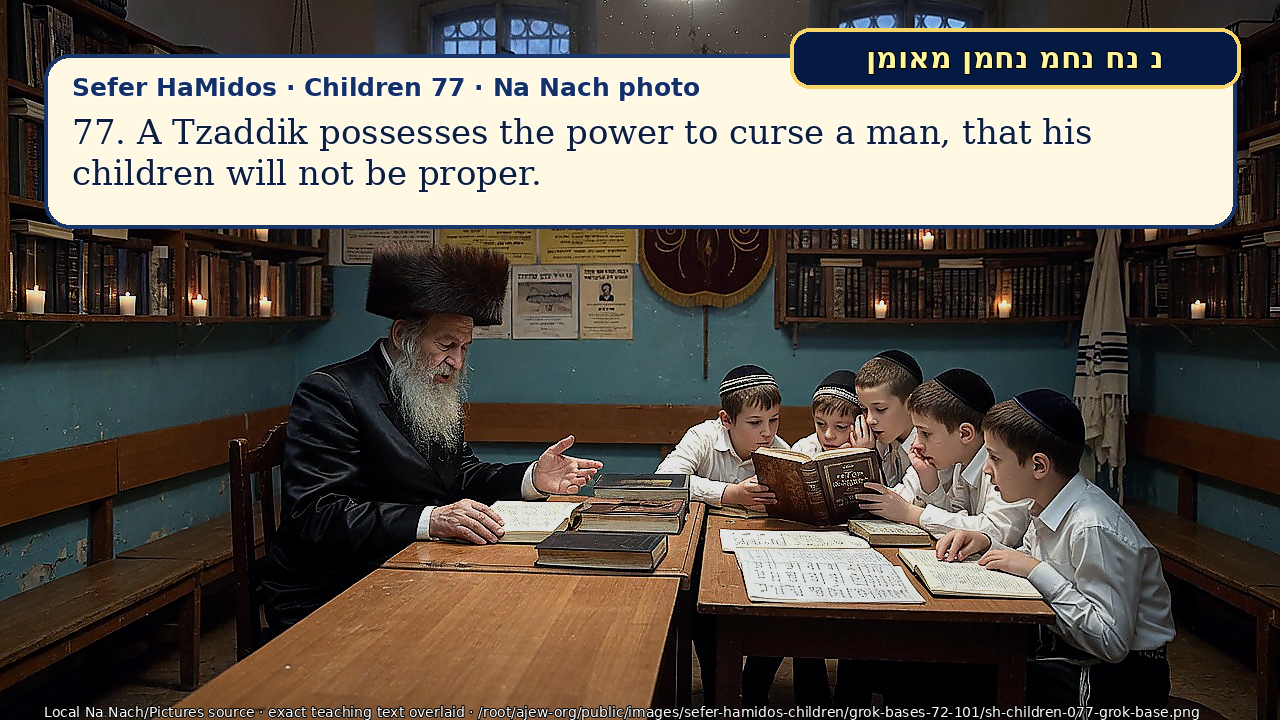
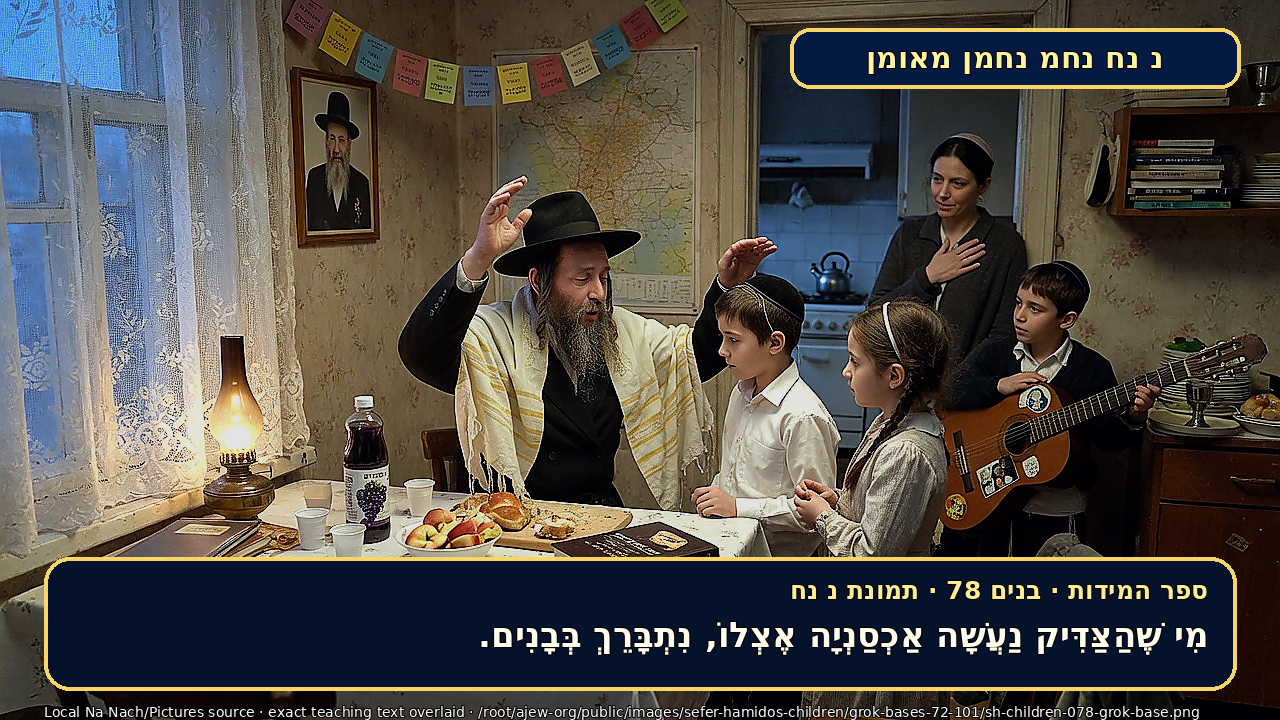
מִי שֶׁהַצַּדִּיק נַעֲשָׁה אַכְסַנְיָה אֶצְלוֹ, נִתְבָּרֵךְ בְּבָנִים.
78. One who has the Tzaddik as a guest by him, is blessed with children.
📷 Pictures / videos for this teaching
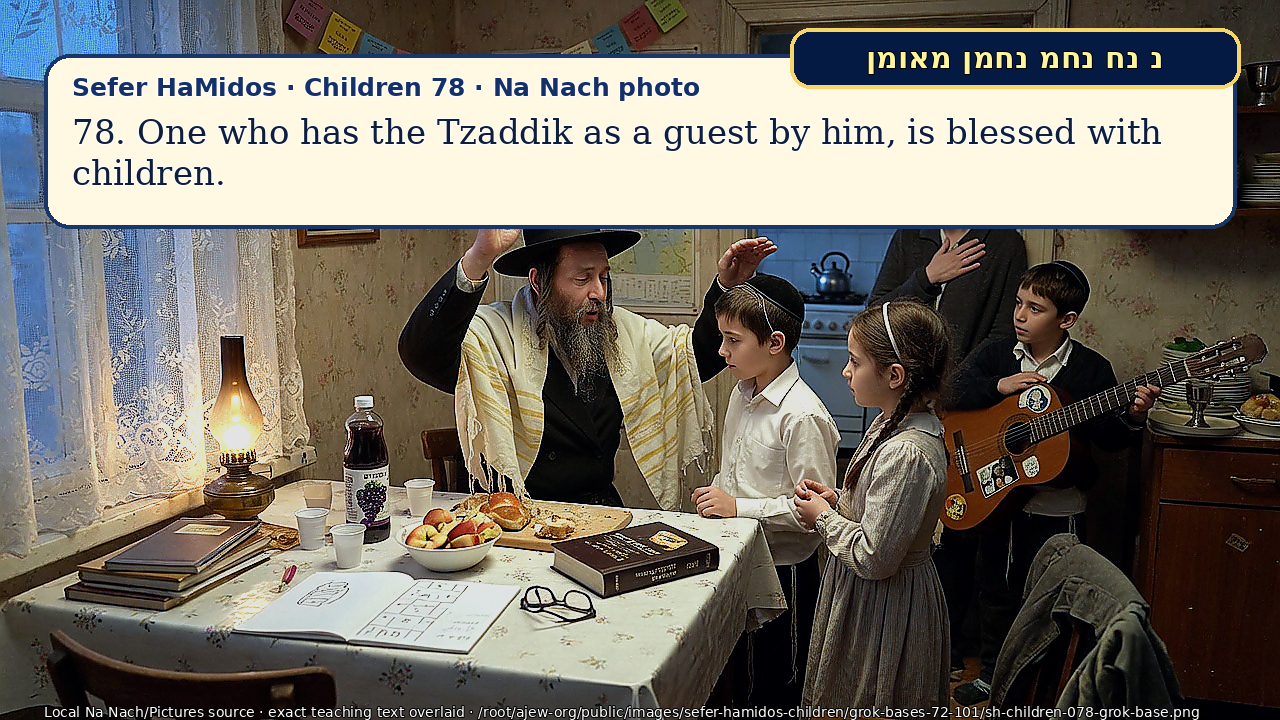
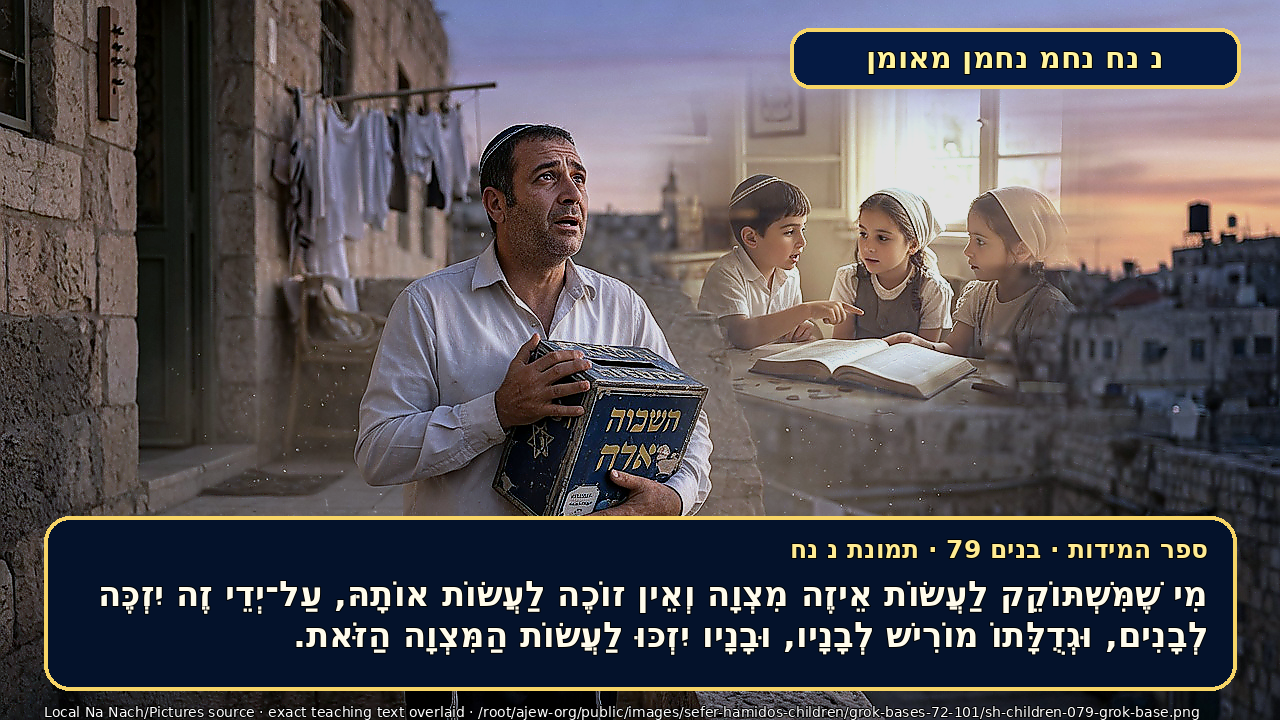
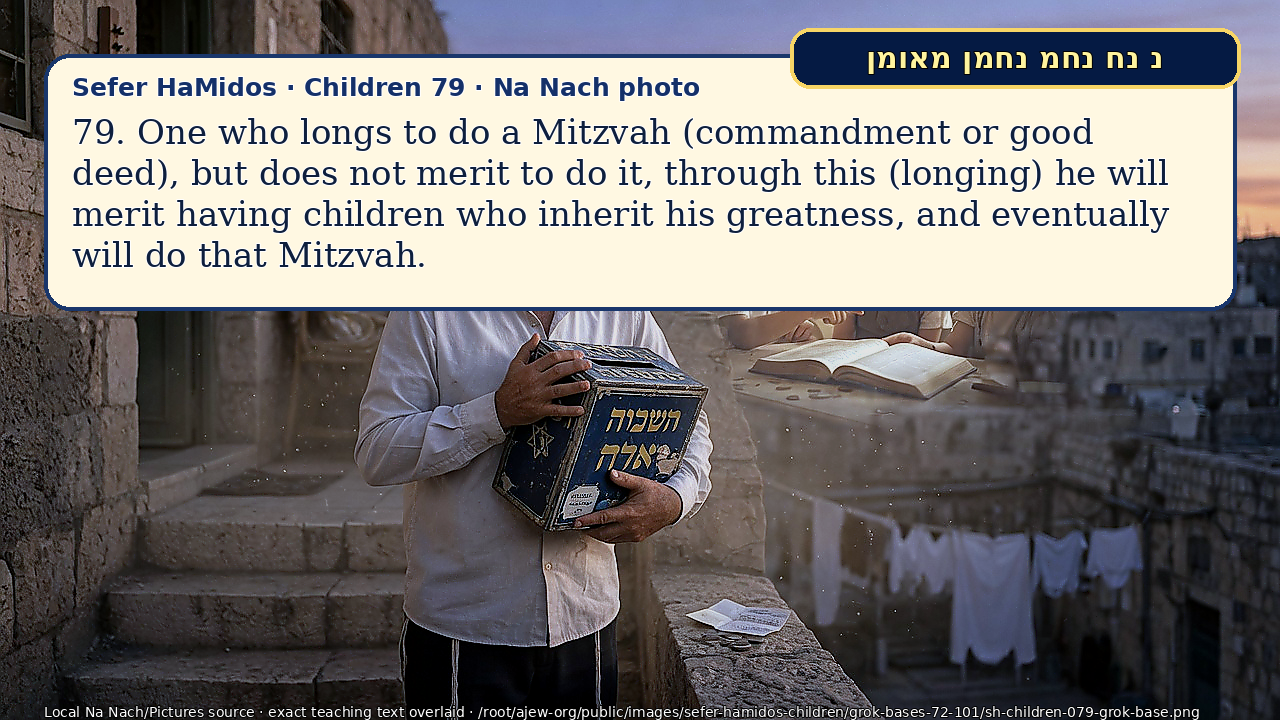
מִי שֶׁמִּשְׁתּוֹקֵק לַעֲשׂוֹת אֵיזֶה מִצְוָה וְאֵין זוֹכֶה לַעֲשׂוֹת אוֹתָהּ, עַל־יְדֵי זֶה יִזְכֶּה לְבָנִים, וּגְדֻלָּתוֹ מוֹרִישׁ לְבָנָיו, וּבָנָיו יִזְכּוּ לַעֲשׂוֹת הַמִּצְוָה הַזֹּאת.
79. One who longs to do a Mitzvah (commandment or good deed), but does not merit to do it, through this (longing) he will merit having children who inherit his greatness, and eventually will do that Mitzvah.
📷 Pictures / videos for this teaching
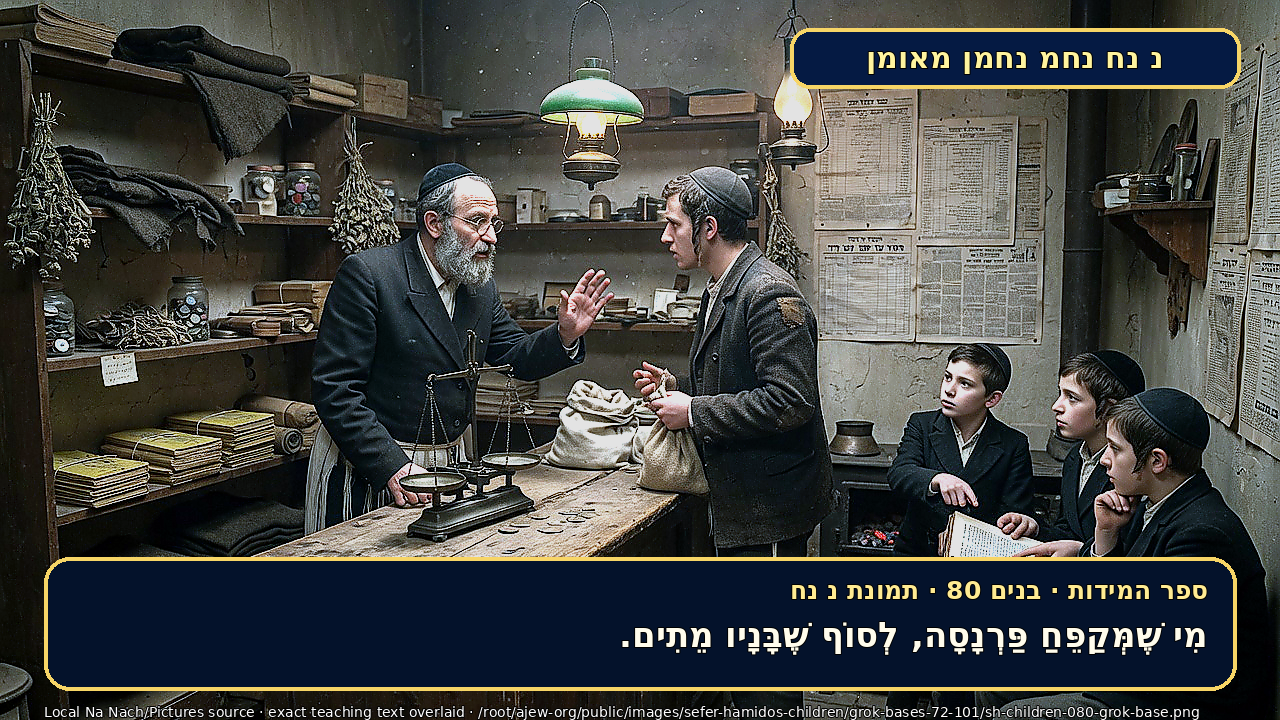
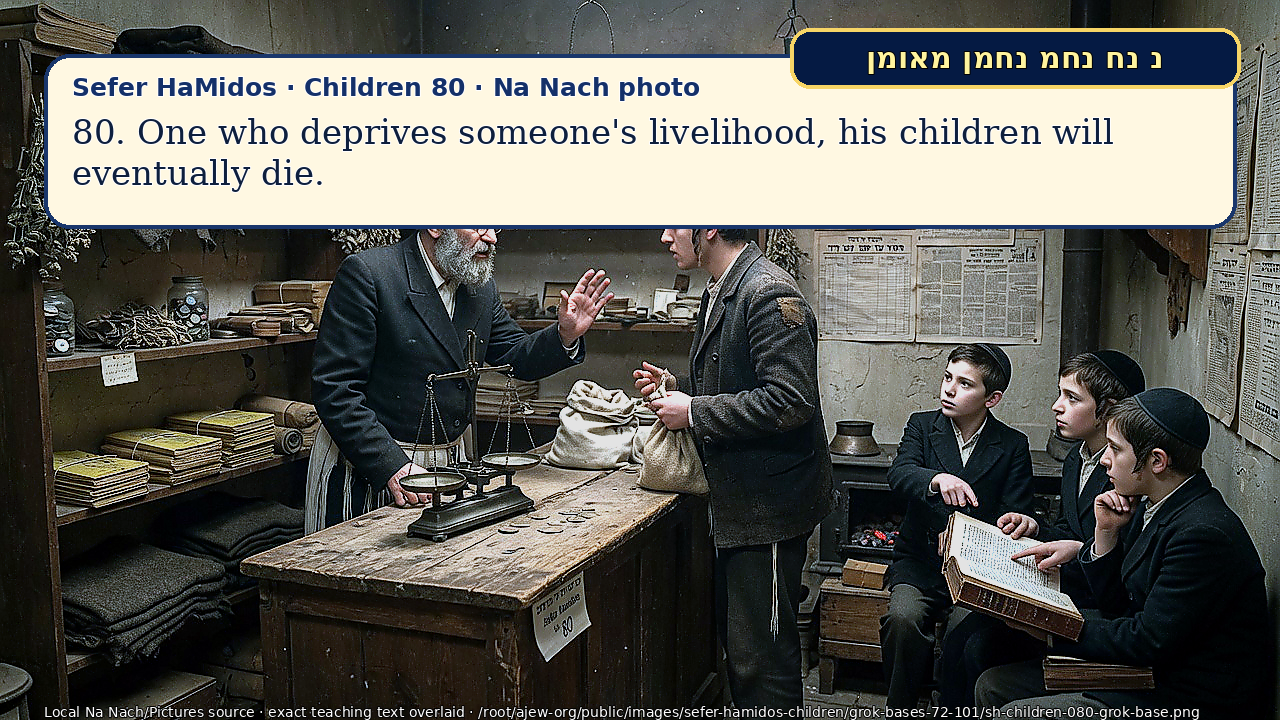
מִי שֶׁמְּקַפֵּחַ פַּרְנָסָה, לְסוֹף שֶׁבָּנָיו מֵתִים.
80. One who deprives someone's livelihood, his children will eventually die.
📷 Pictures / videos for this teaching
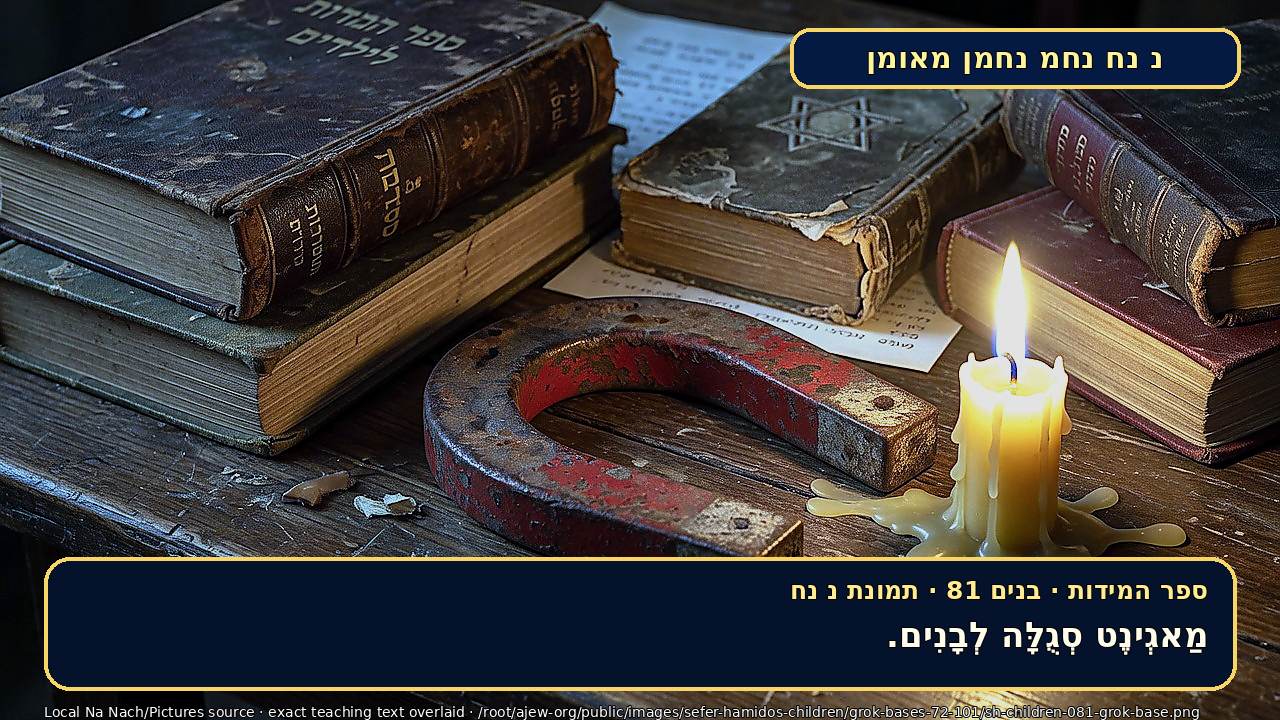
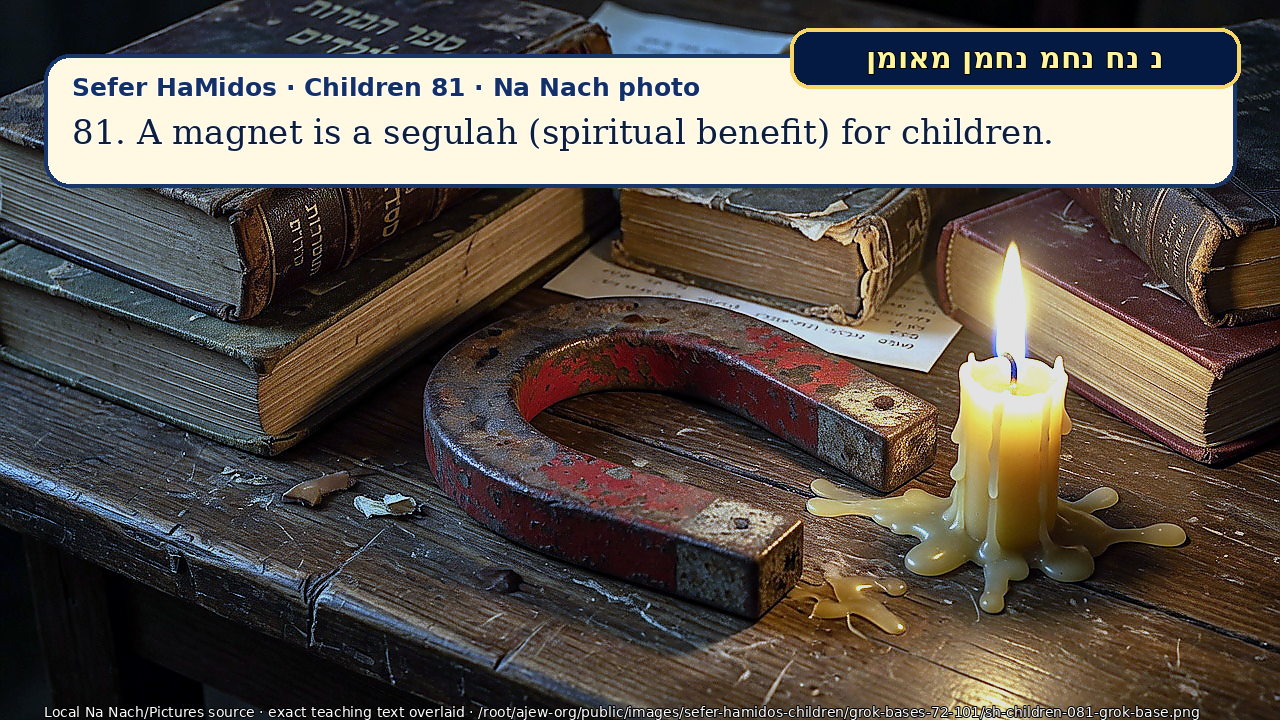
מַאגְינֶט סְגֻלָּה לְבָנִים.
81. A magnet is a segulah (spiritual benefit) for children.
📷 Pictures / videos for this teaching
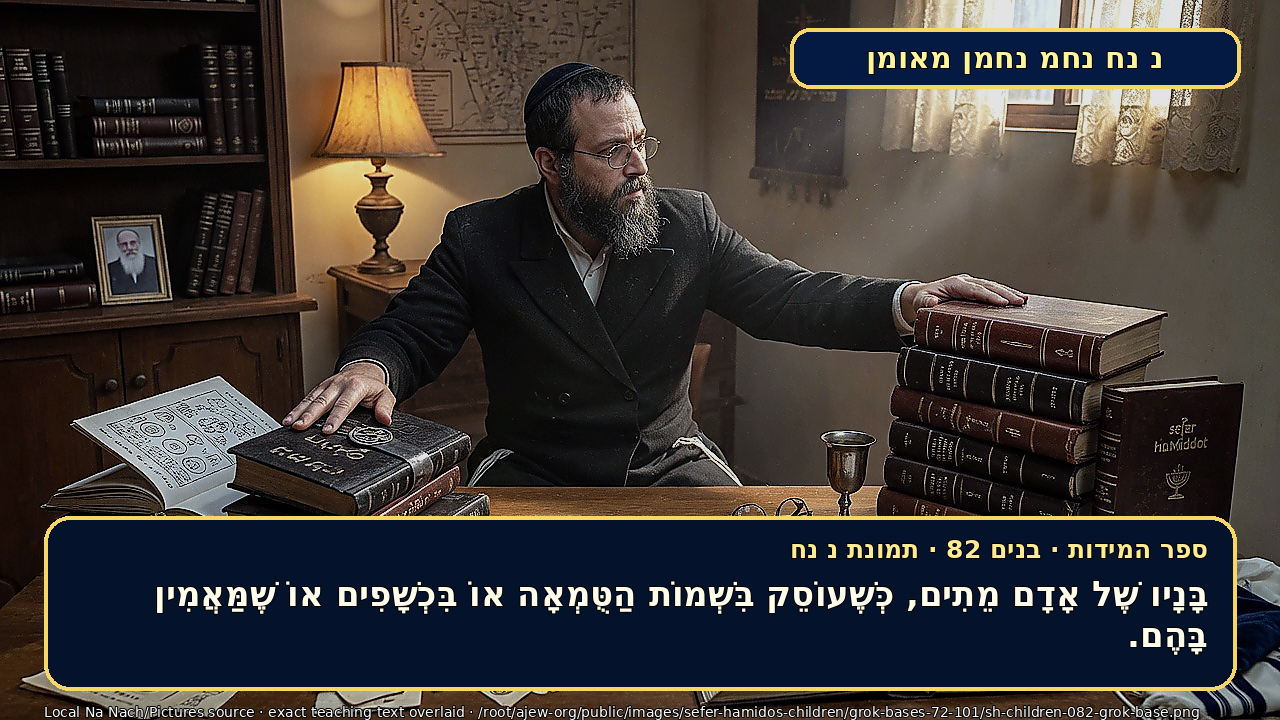
בָּנָיו שֶׁל אָדָם מֵתִים, כְּשֶׁעוֹסֵק בִּשְׁמוֹת הַטֻּמְאָה אוֹ בִּכְשָׁפִים אוֹ שֶׁמַּאֲמִין בָּהֶם.
82. One's children die as a result of working with impure names, or sorcery, or believing in them.
📷 Pictures / videos for this teaching
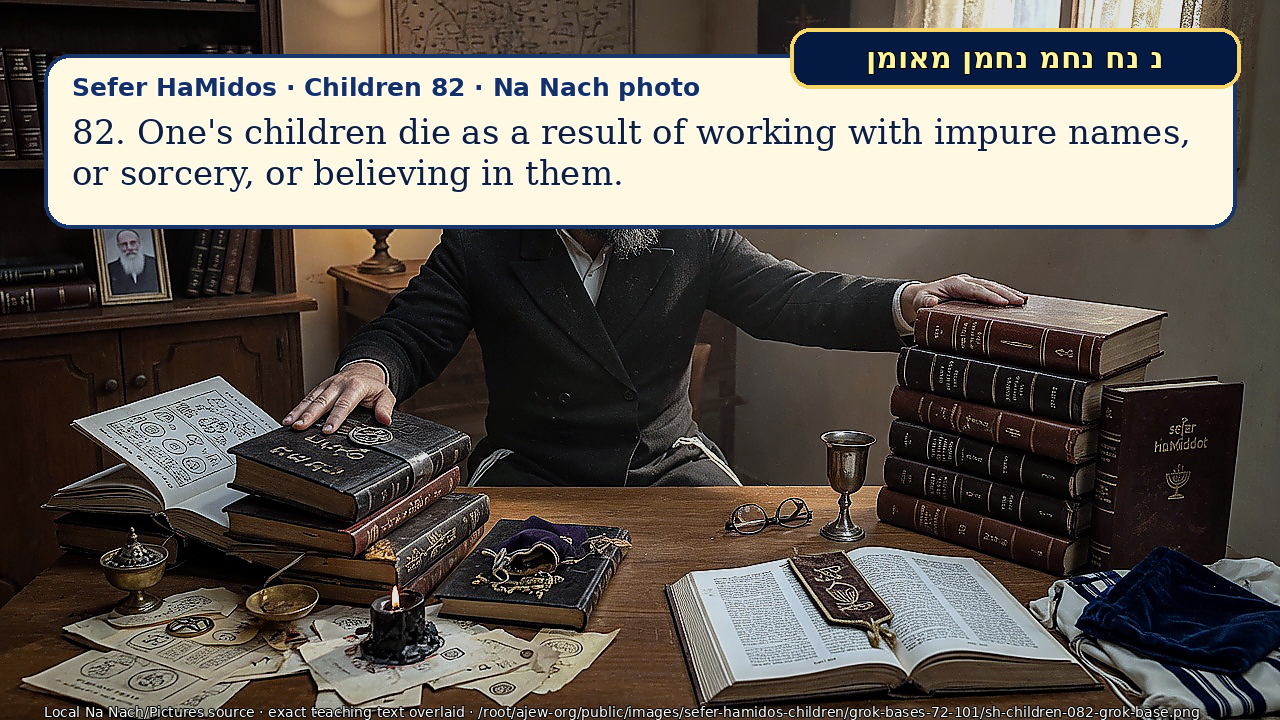
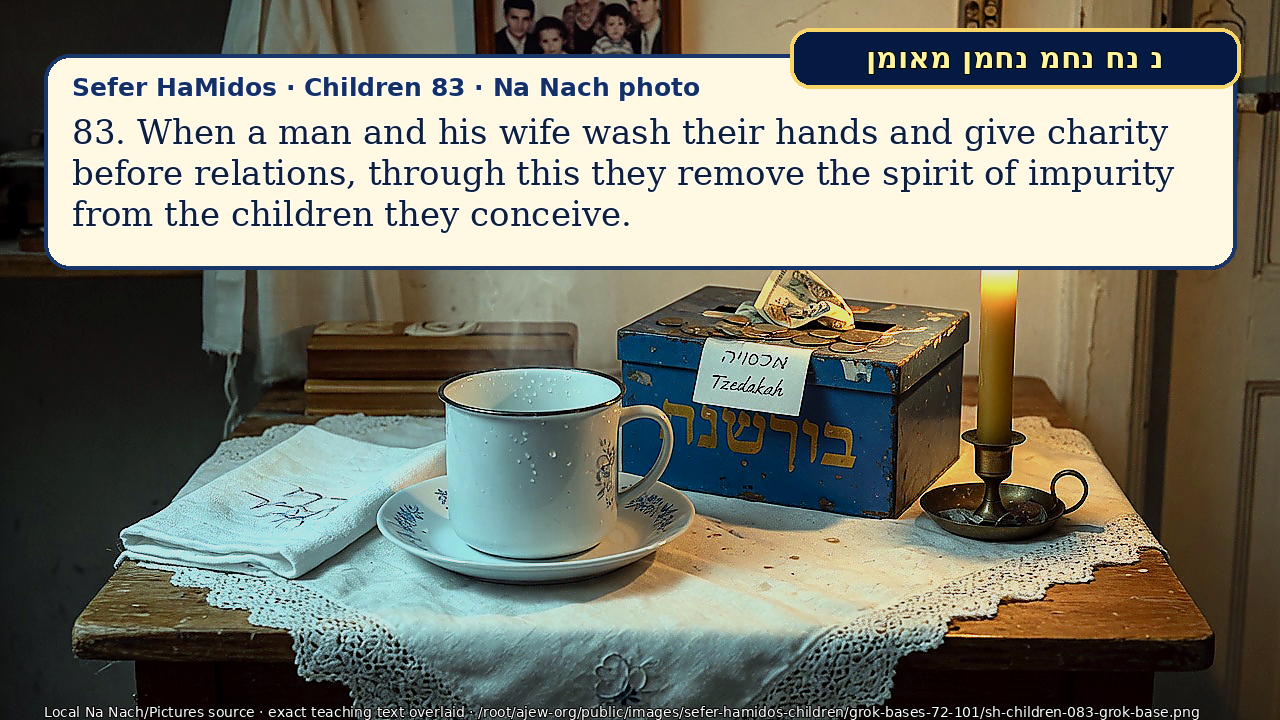
כְּשֶׁאִישׁ וְאִשָּׁה רוֹחֲצִים יְדֵיהֶם וְנוֹתְנִים צְדָקָה קֹדֶם הַתַּשְׁמִישׁ, בָּזֶה הֵם מְסִירִים אֶת רוּחַ הַטֻּמְאָה מֵהַיְלָדִים, שֶׁהֵם מוֹלִידִים.
83. When a man and his wife wash their hands and give charity before relations, through this they remove the spirit of impurity from the children they conceive.
📷 Pictures / videos for this teaching
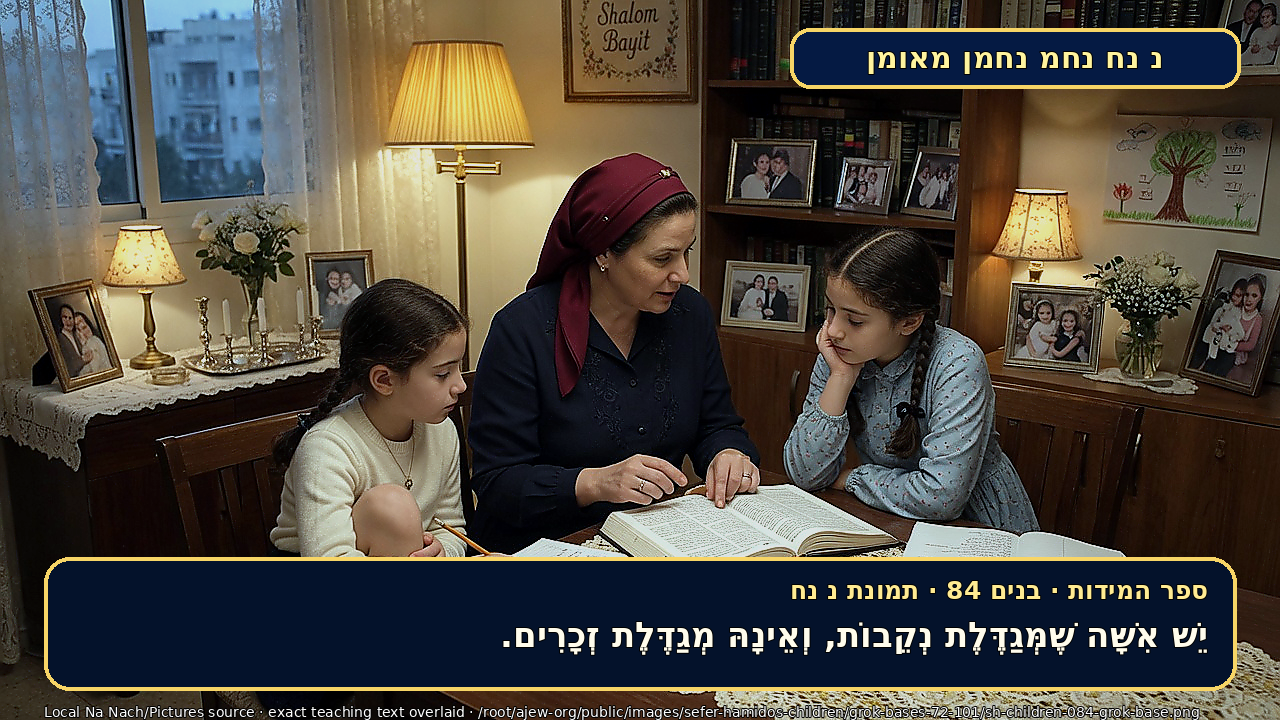
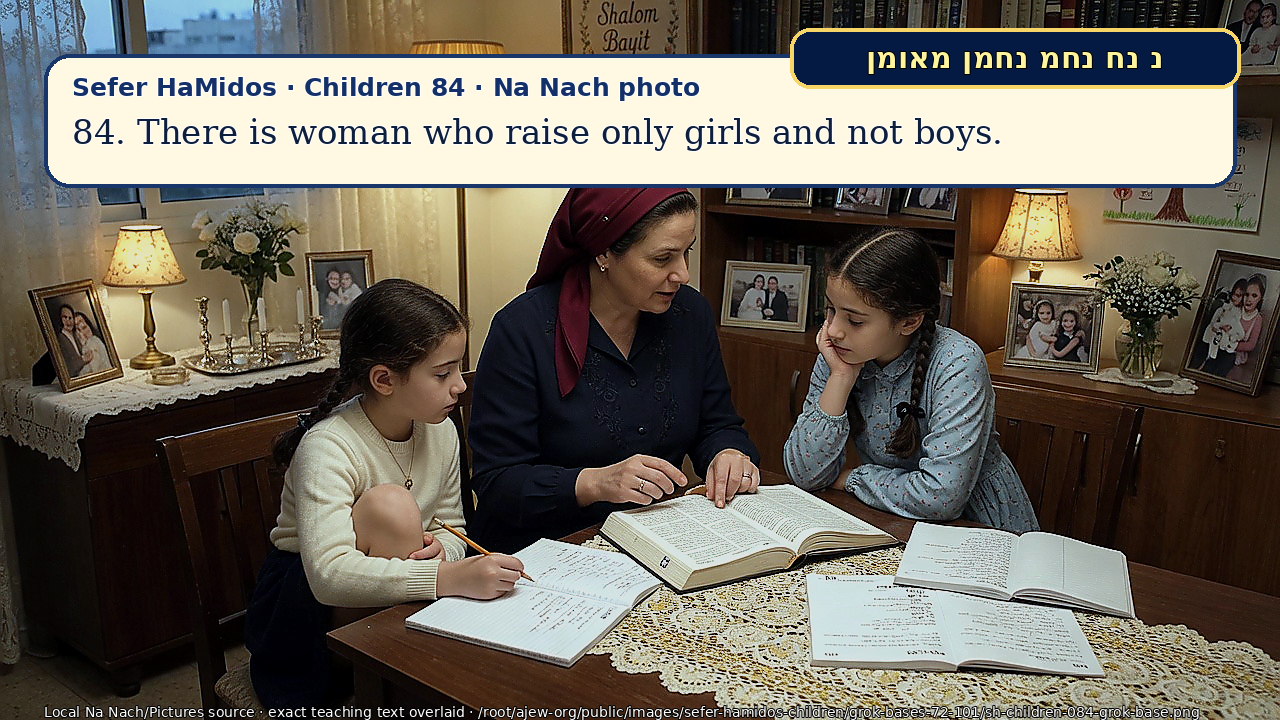
יֵשׁ אִשָּׁה שֶׁמְּגַדֶּלֶת נְקֵבוֹת, וְאֵינָהּ מְגַדֶּלֶת זְכָרִים.
84. There is woman who raise only girls and not boys.
📷 Pictures / videos for this teaching
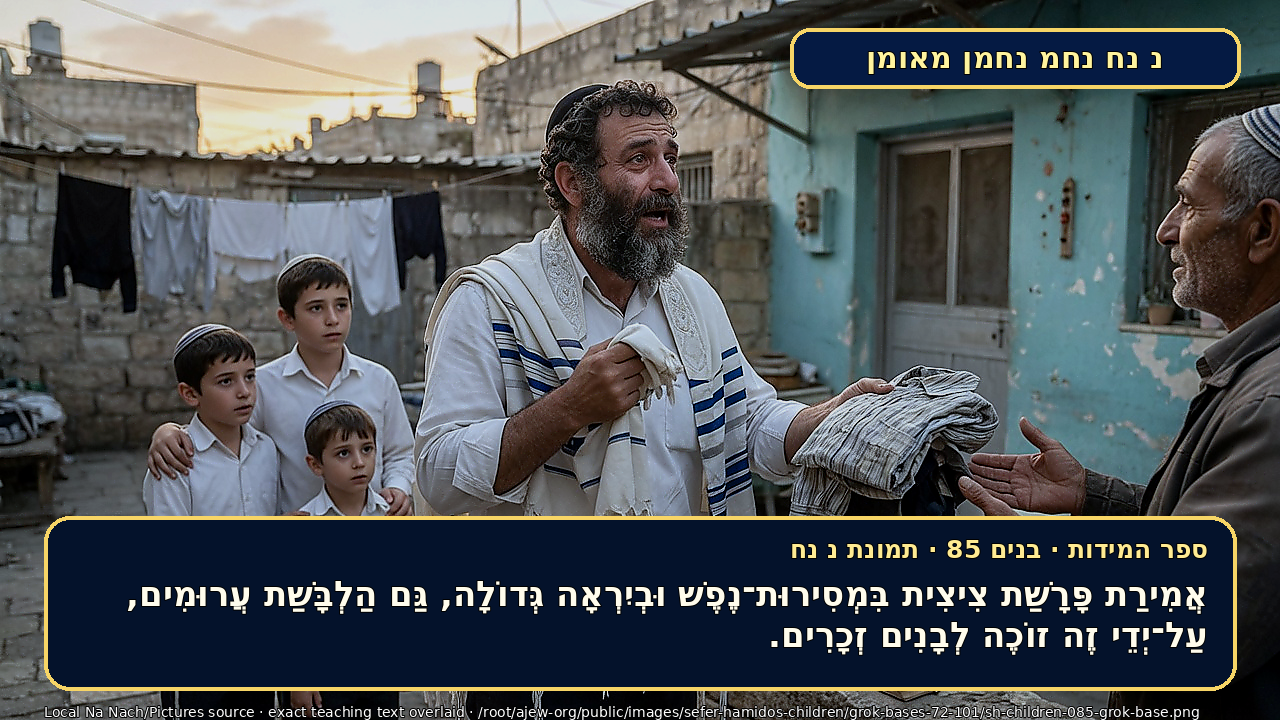
אֲמִירַת פָּרָשַׁת צִיצִית בִּמְסִירוּת־נֶפֶשׁ וּבְיִרְאָה גְּדוֹלָה, גַּם הַלְבָּשַׁת עֲרוּמִים, עַל־יְדֵי זֶה זוֹכֶה לְבָנִים זְכָרִים.
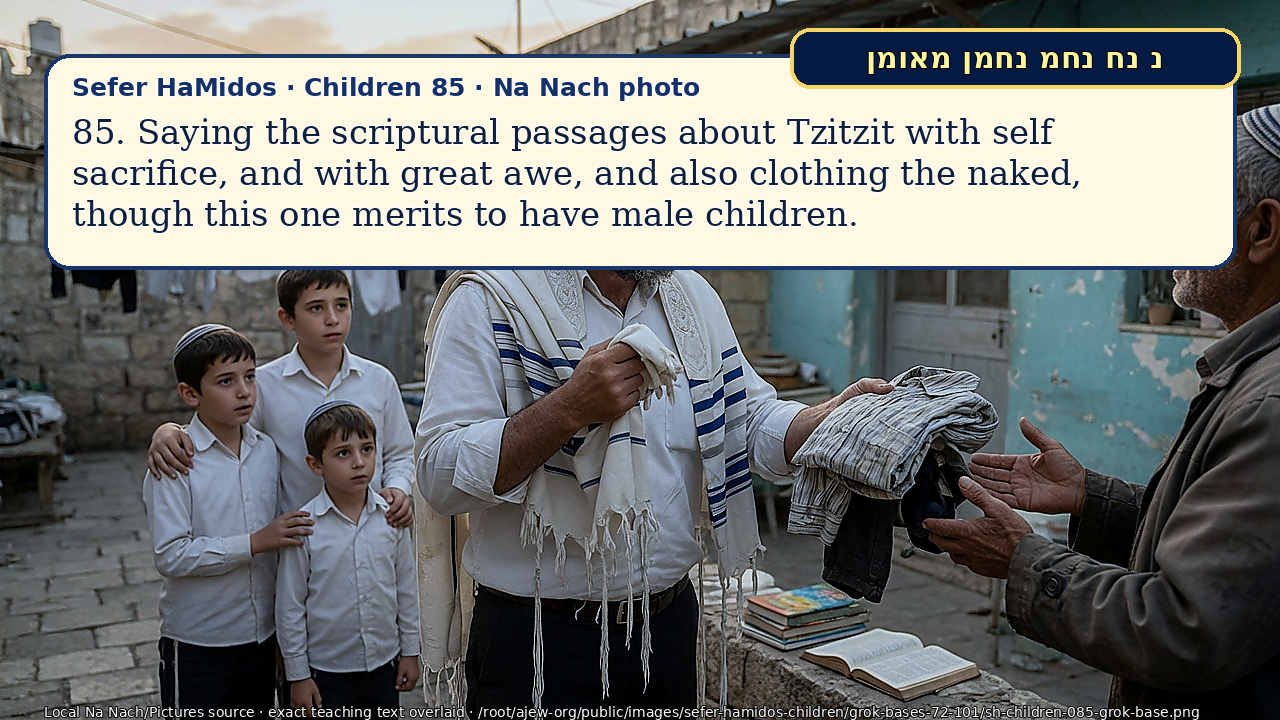
85. Saying the scriptural passages about Tzitzit with self sacrifice, and with great awe, and also clothing the naked, though this one merits to have male children.
📷 Pictures / videos for this teaching
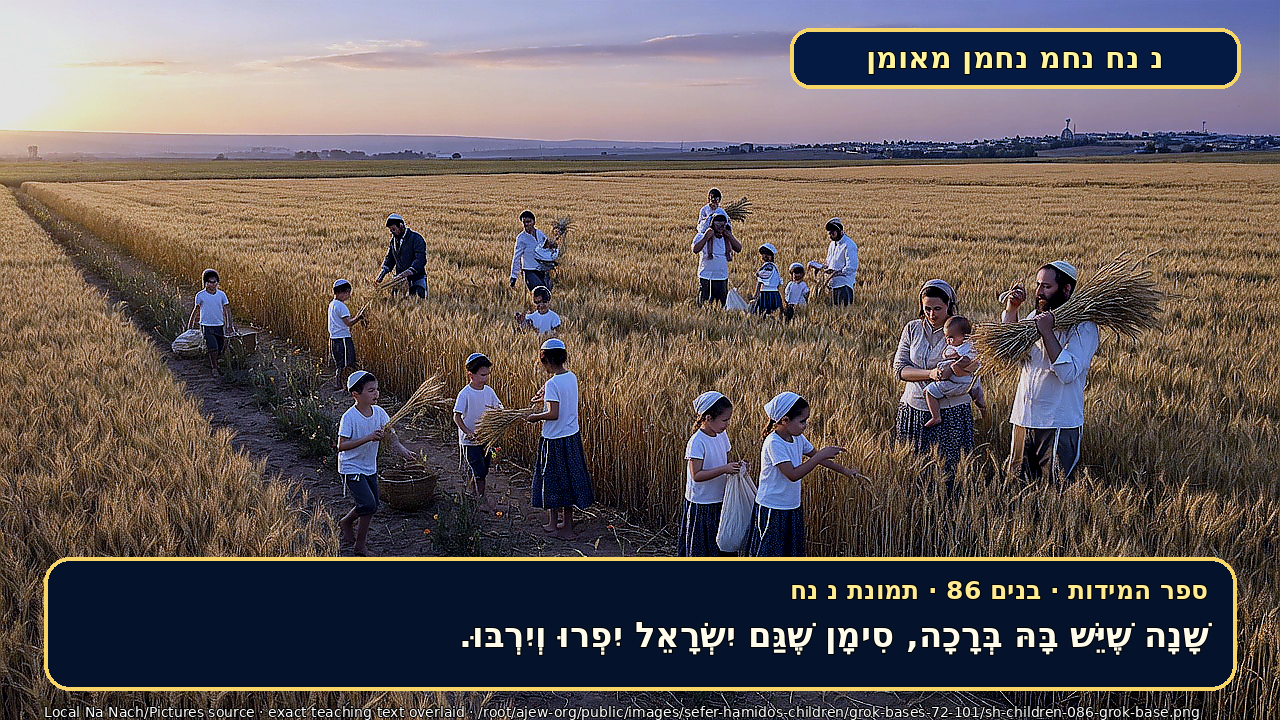
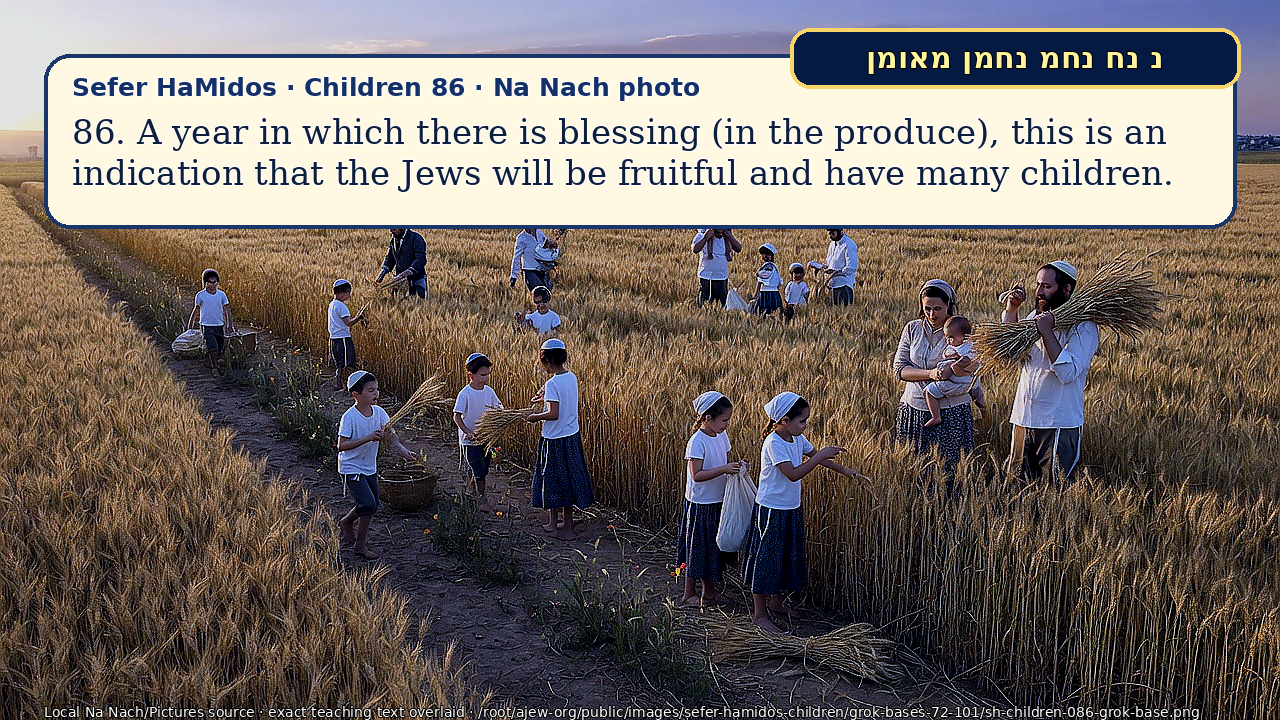
שָׁנָה שֶׁיֵּשׁ בָּהּ בְּרָכָה, סִימָן שֶׁגַּם יִשְׂרָאֵל יִפְרוּ וְיִרְבּוּ.
86. A year in which there is blessing (in the produce), this is an indication that the Jews will be fruitful and have many children.
📷 Pictures / videos for this teaching
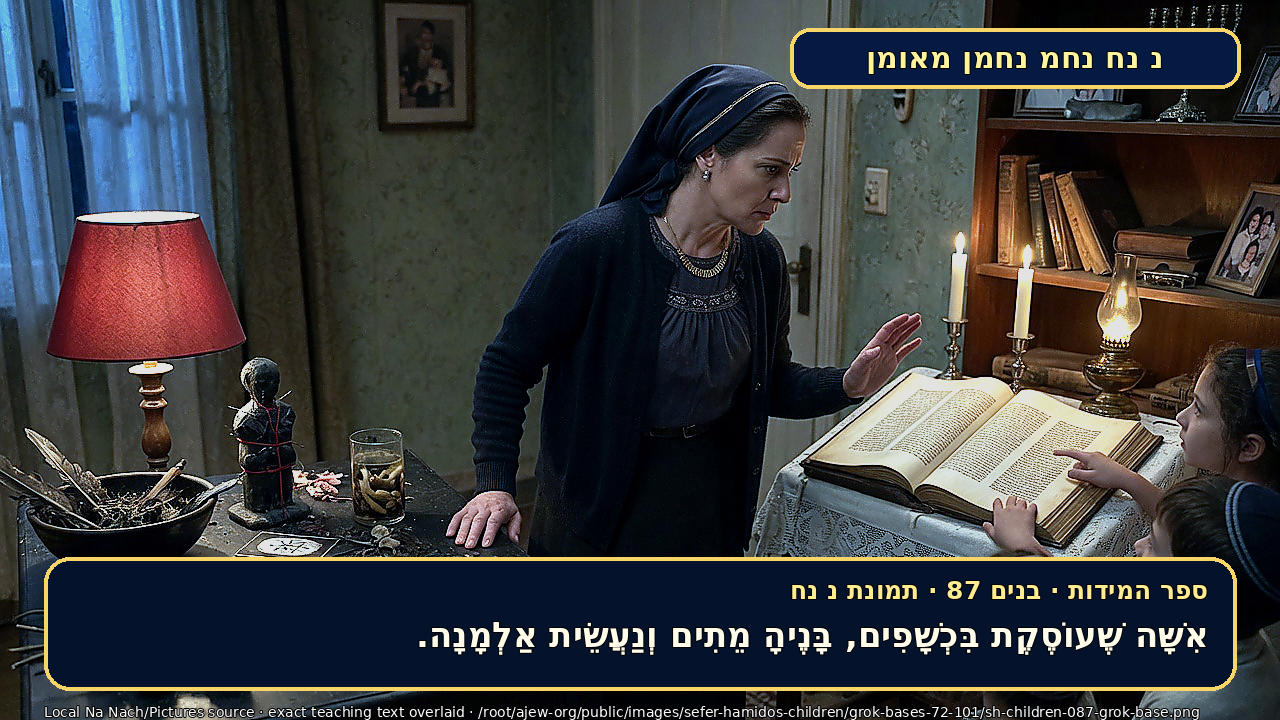
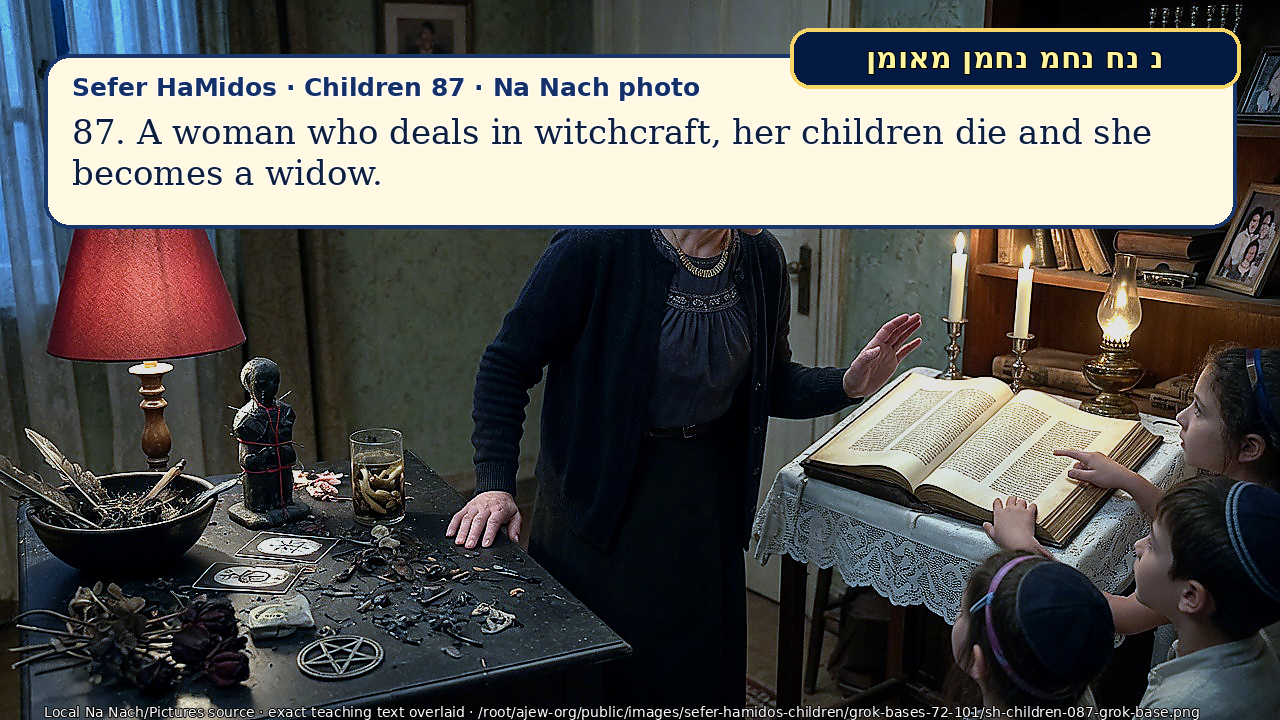
אִשָּׁה שֶׁעוֹסֶקֶת בִּכְשָׁפִים, בָּנֶיהָ מֵתִים וְנַעֲשֵׂית אַלְמָנָה.
87. A woman who deals in witchcraft, her children die and she becomes a widow.
📷 Pictures / videos for this teaching
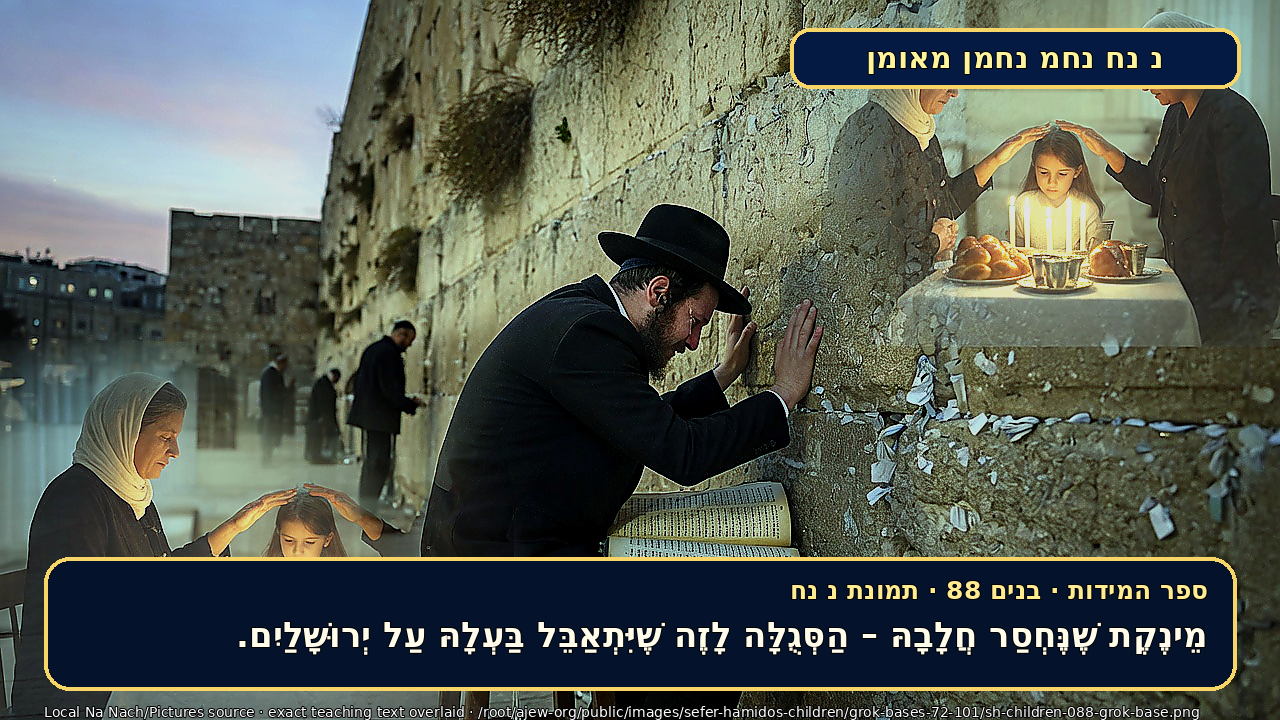
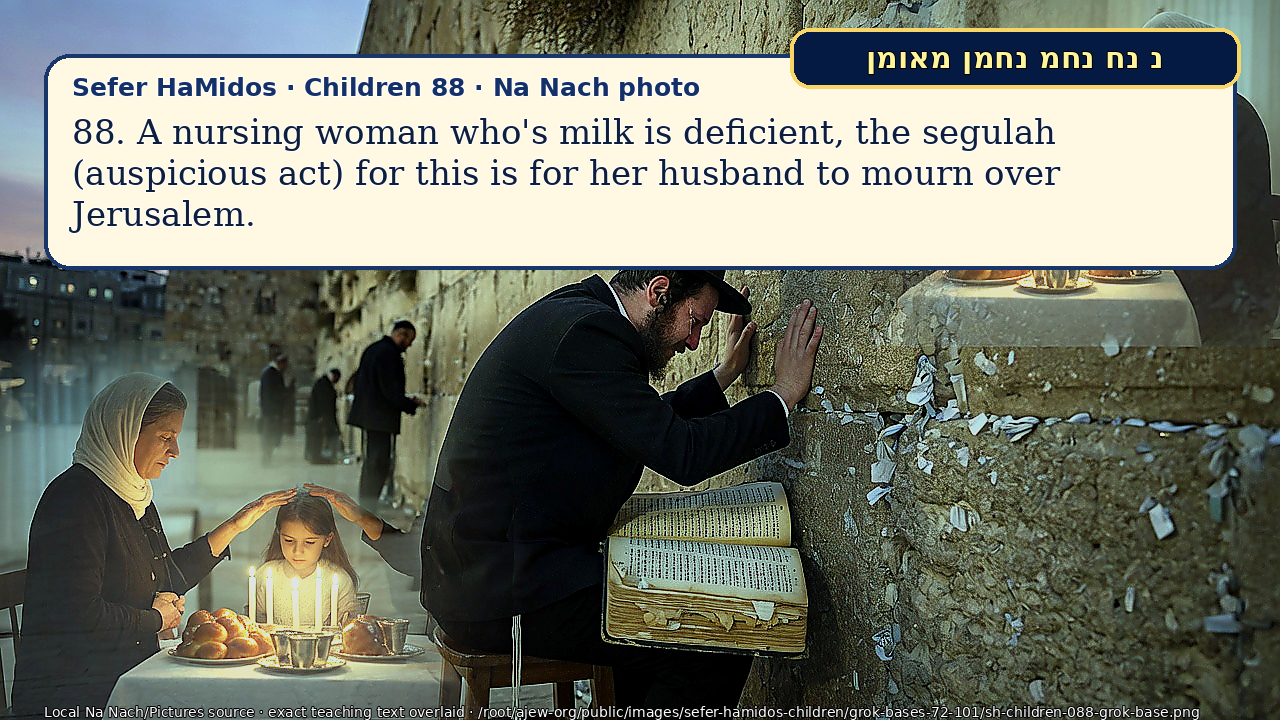
מֵינֶקֶת שֶׁנֶּחְסַר חֲלָבָהּ – הַסְּגֻלָּה לָזֶה שֶׁיִּתְאַבֵּל בַּעְלָהּ עַל יְרוּשָׁלַיִם.
88. A nursing woman who's milk is deficient, the segulah (auspicious act) for this is for her husband to mourn over Jerusalem.
📷 Pictures / videos for this teaching
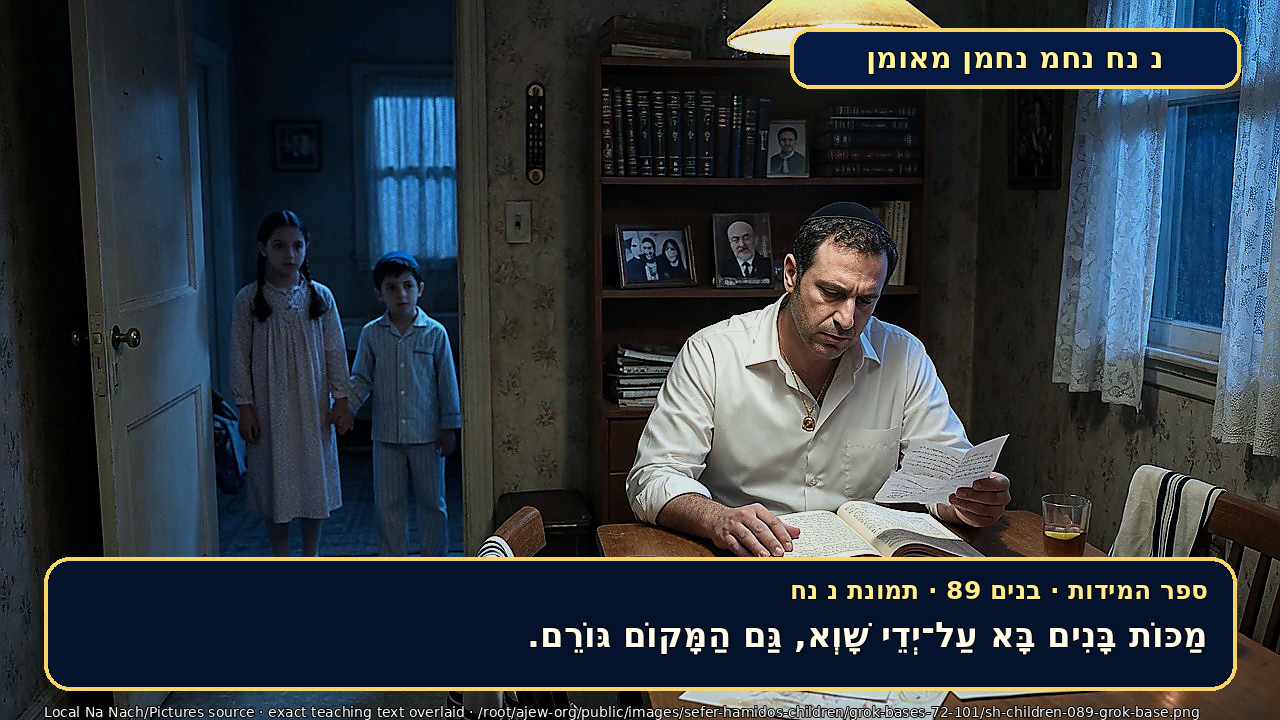
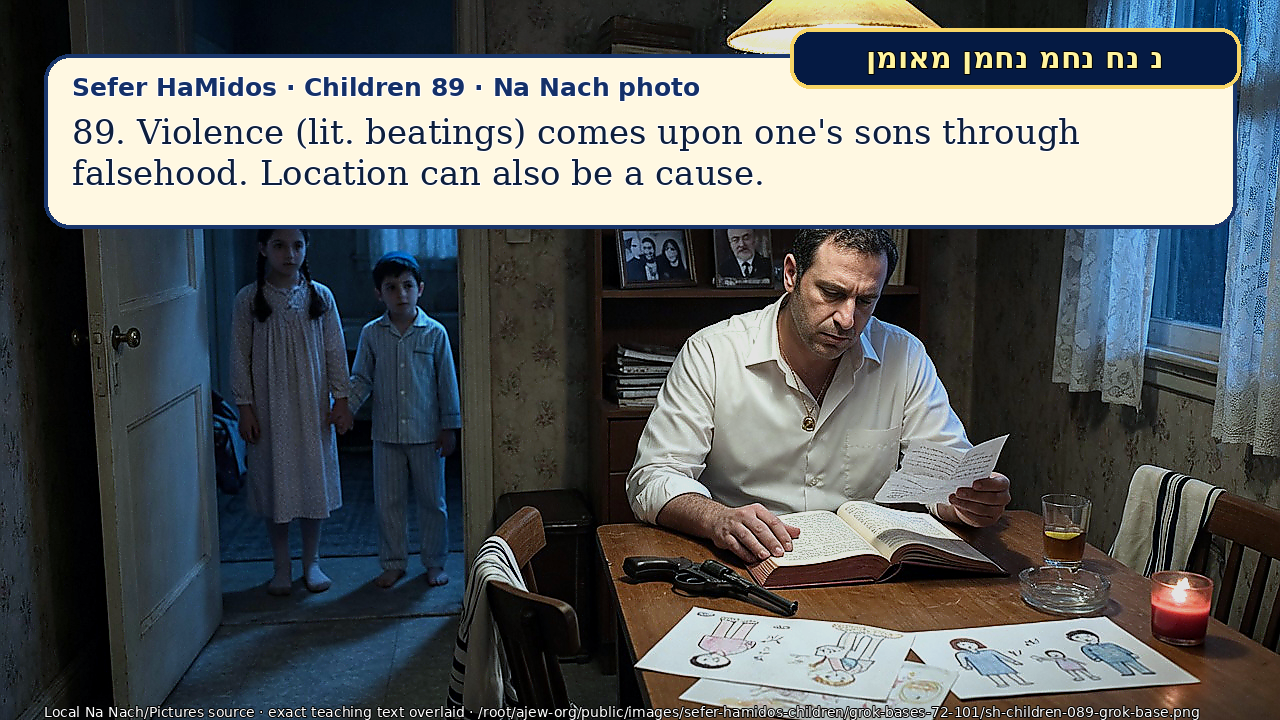
מַכּוֹת בָּנִים בָּא עַל־יְדֵי שָׁוְא, גַּם הַמָּקוֹם גּוֹרֵם.
89. Violence (lit. beatings) comes upon one's sons through falsehood. Location can also be a cause.
📷 Pictures / videos for this teaching
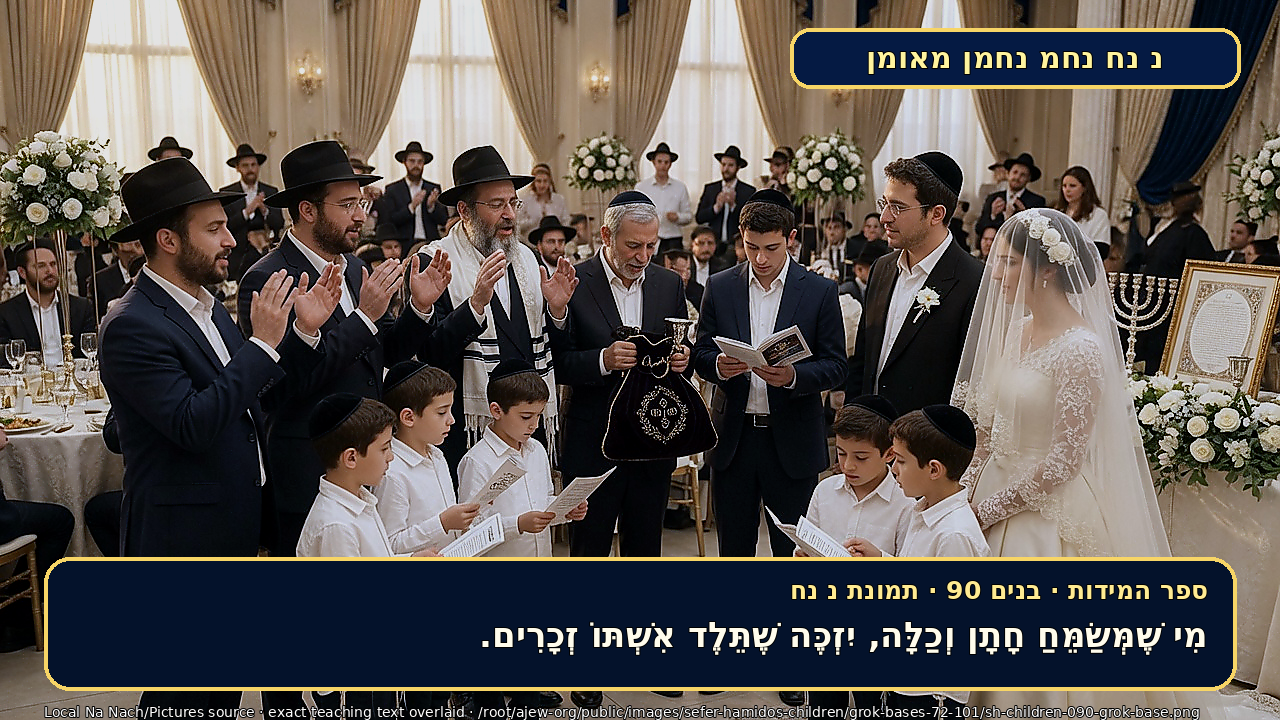
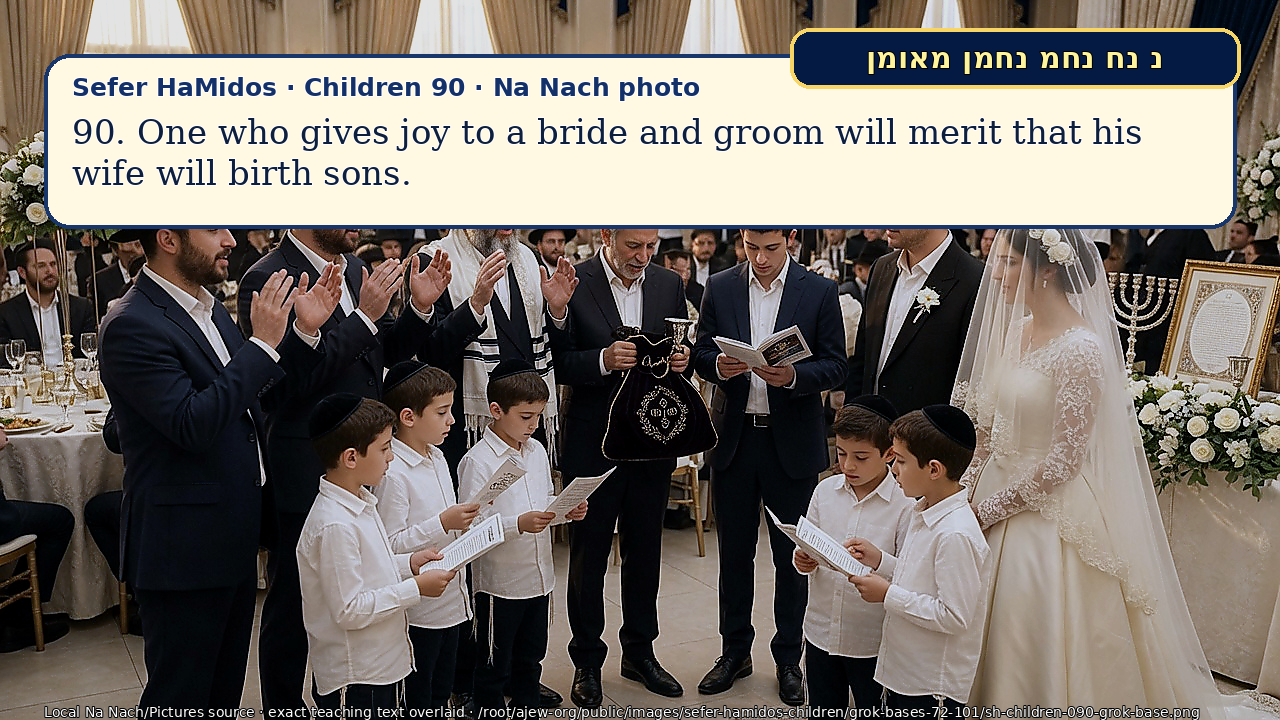
מִי שֶׁמְּשַׂמֵּחַ חָתָן וְכַלָּה, יִזְכֶּה שֶׁתֵּלֶד אִשְׁתּוֹ זְכָרִים.
90. One who gives joy to a bride and groom will merit that his wife will birth sons.
📷 Pictures / videos for this teaching
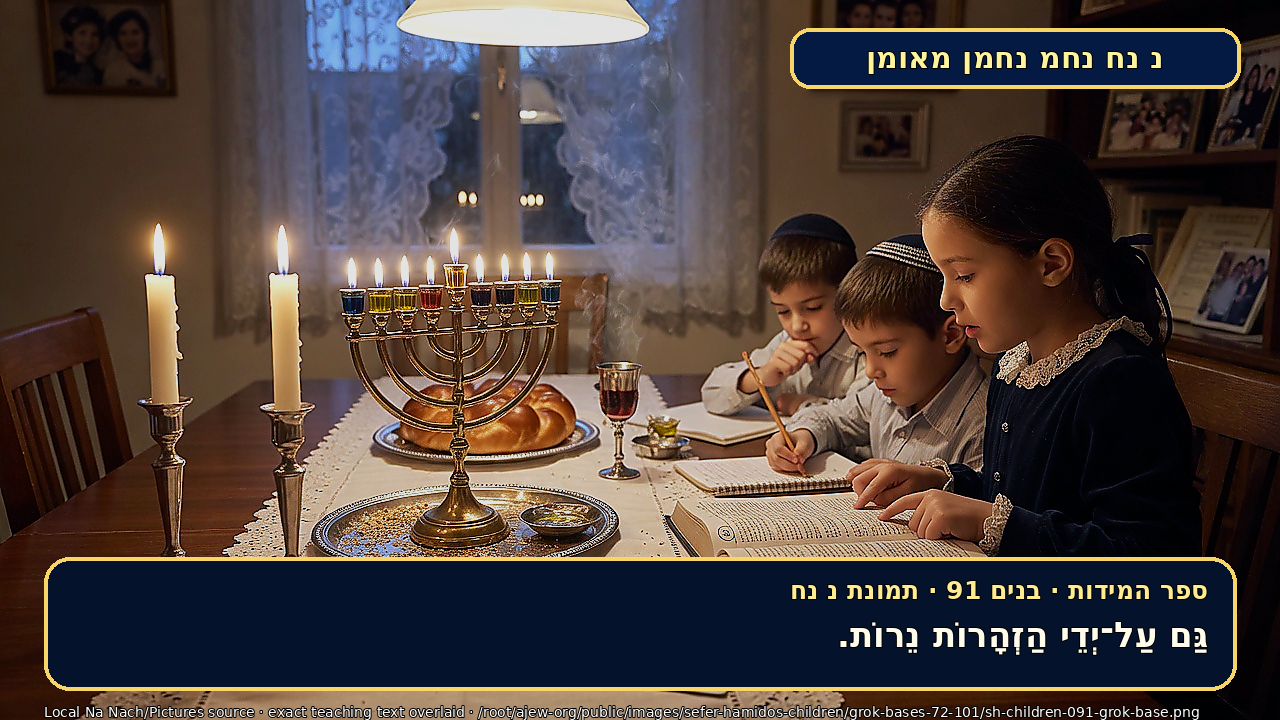
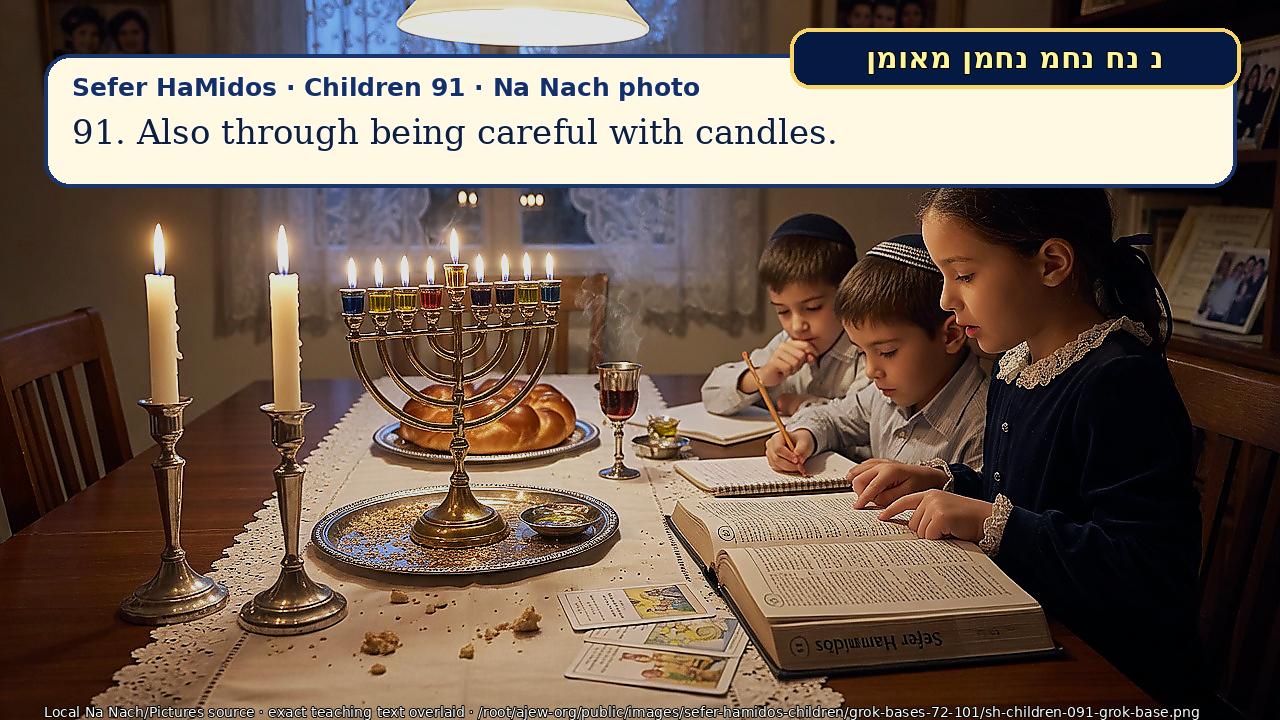
גַּם עַל־יְדֵי הַזְהָרוֹת נֵרוֹת.
91. Also through being careful with candles.
📷 Pictures / videos for this teaching
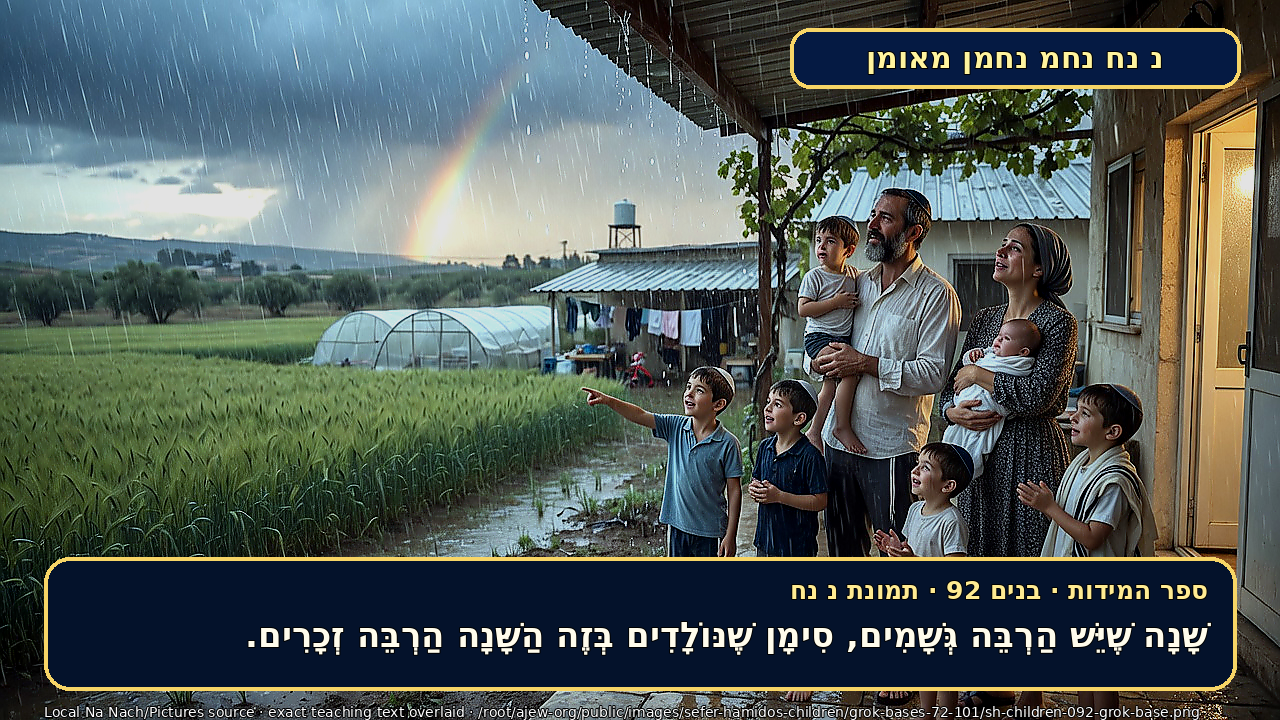
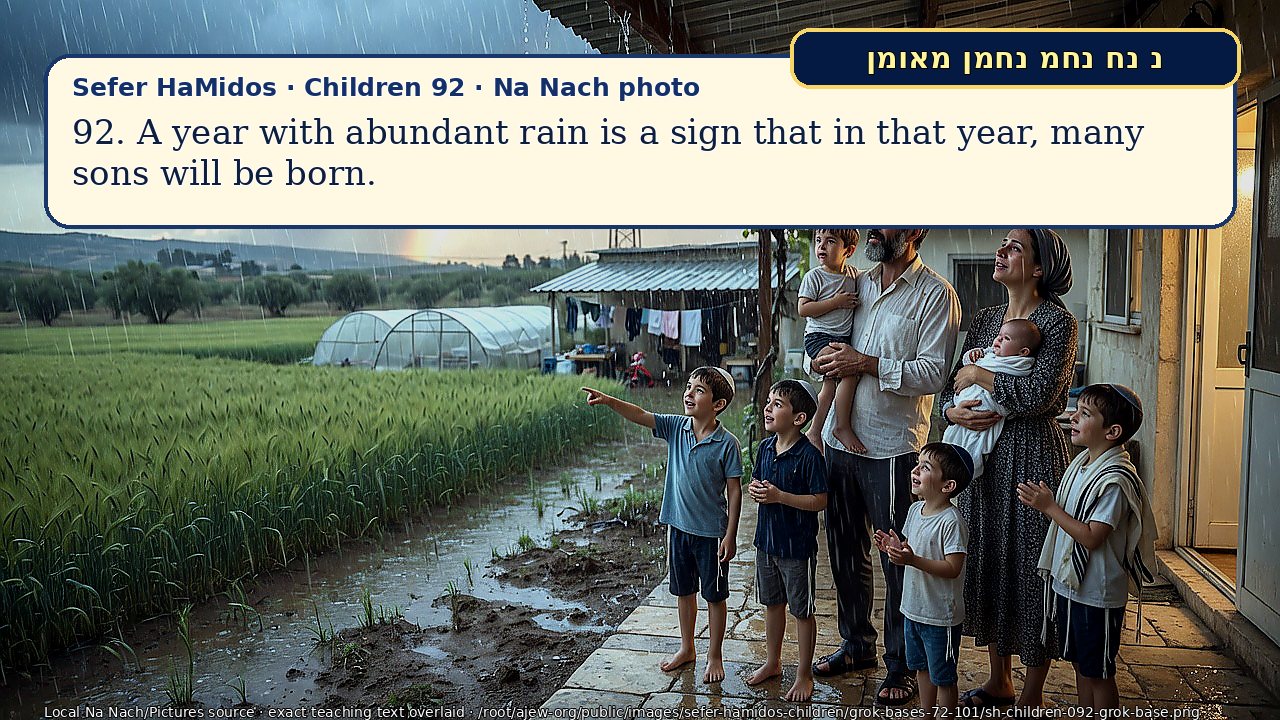
שָׁנָה שֶׁיֵּשׁ הַרְבֵּה גְּשָׁמִים, סִימָן שֶׁנּוֹלָדִים בְּזֶה הַשָּׁנָה הַרְבֵּה זְכָרִים.
92. A year with abundant rain is a sign that in that year, many sons will be born.
📷 Pictures / videos for this teaching
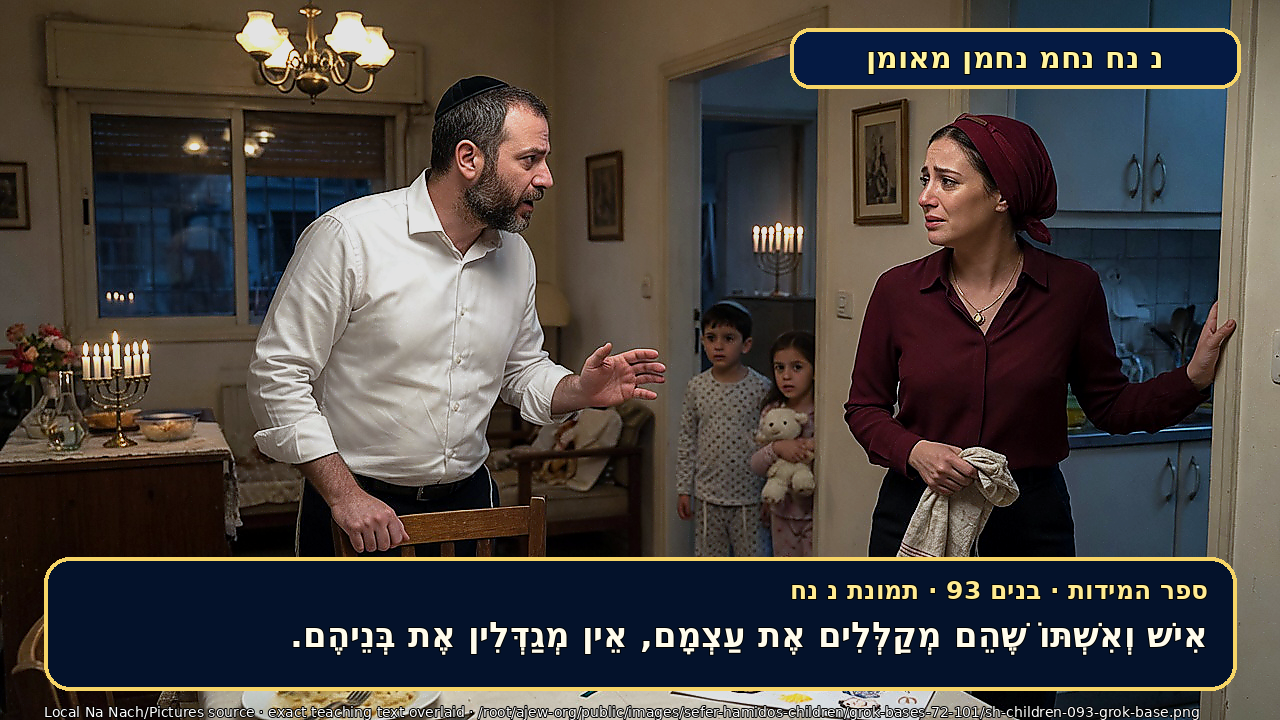
אִישׁ וְאִשְׁתּוֹ שֶׁהֵם מְקַלְּלִים אֶת עַצְמָם, אֵין מְגַדְּלִין אֶת בְּנֵיהֶם.
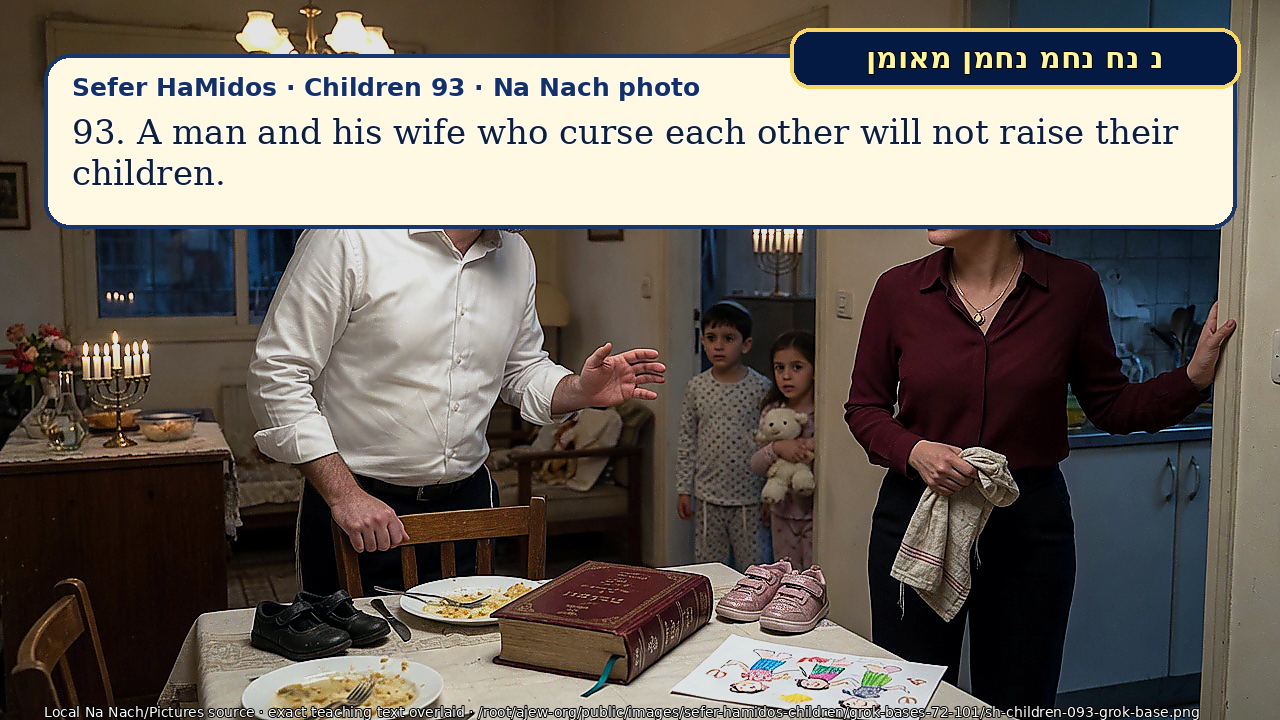
93. A man and his wife who curse each other will not raise their children.
📷 Pictures / videos for this teaching
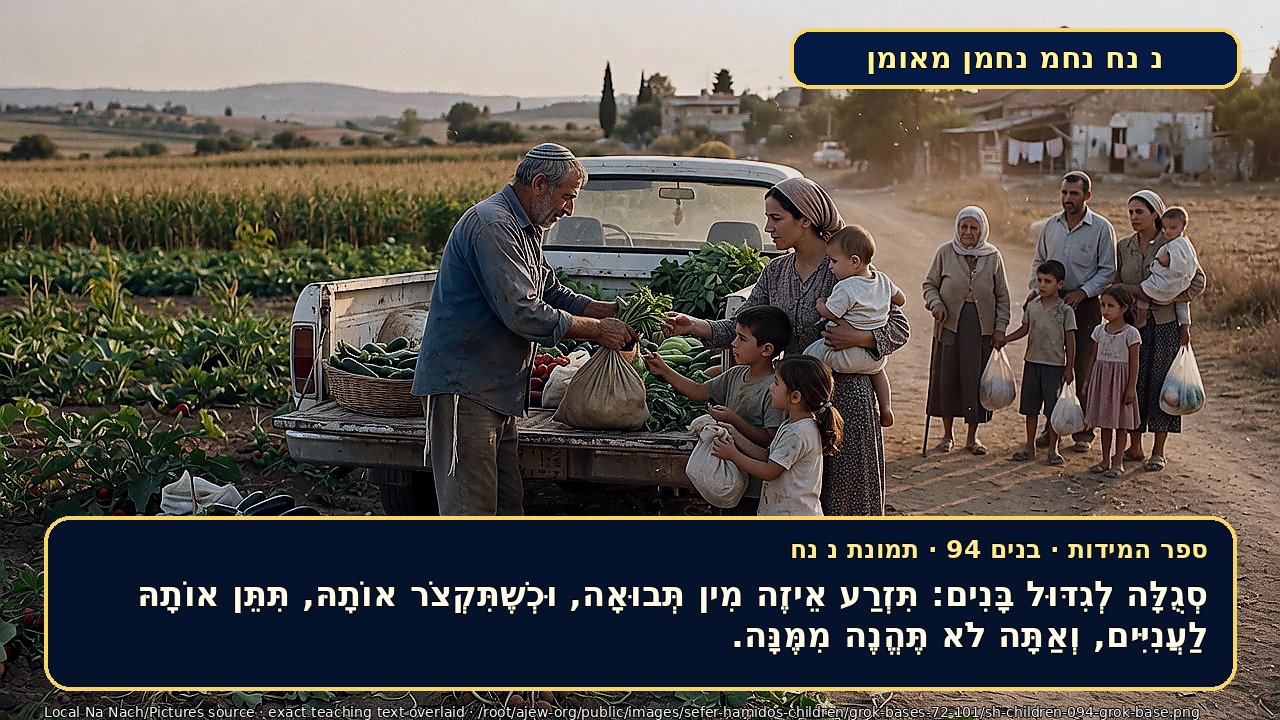
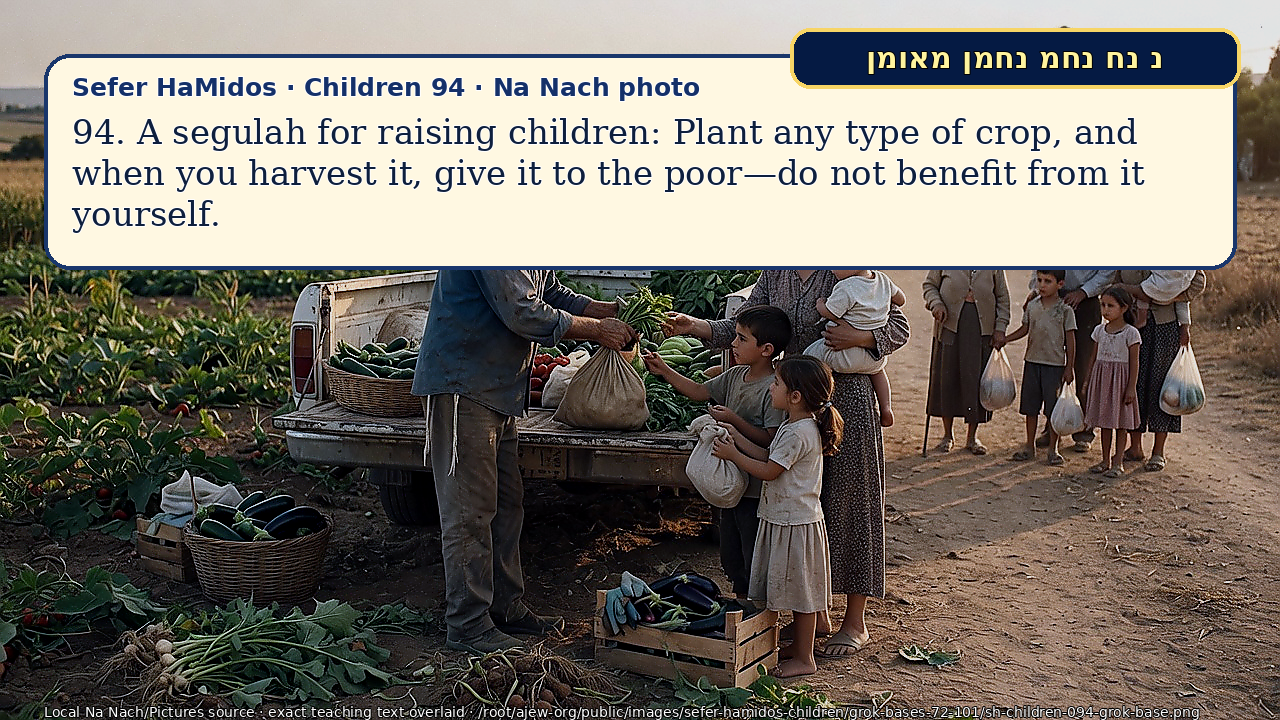
סְגֻלָּה לְגִדּוּל בָּנִים: תִּזְרַע אֵיזֶה מִין תְּבוּאָה, וּכְשֶׁתִּקְצֹר אוֹתָהּ, תִּתֵּן אוֹתָהּ לַעֲנִיִּים, וְאַתָּה לֹא תֶּהֱנֶה מִמֶּנָּה.
94. A segulah for raising children: Plant any type of crop, and when you harvest it, give it to the poor—do not benefit from it yourself.
📷 Pictures / videos for this teaching
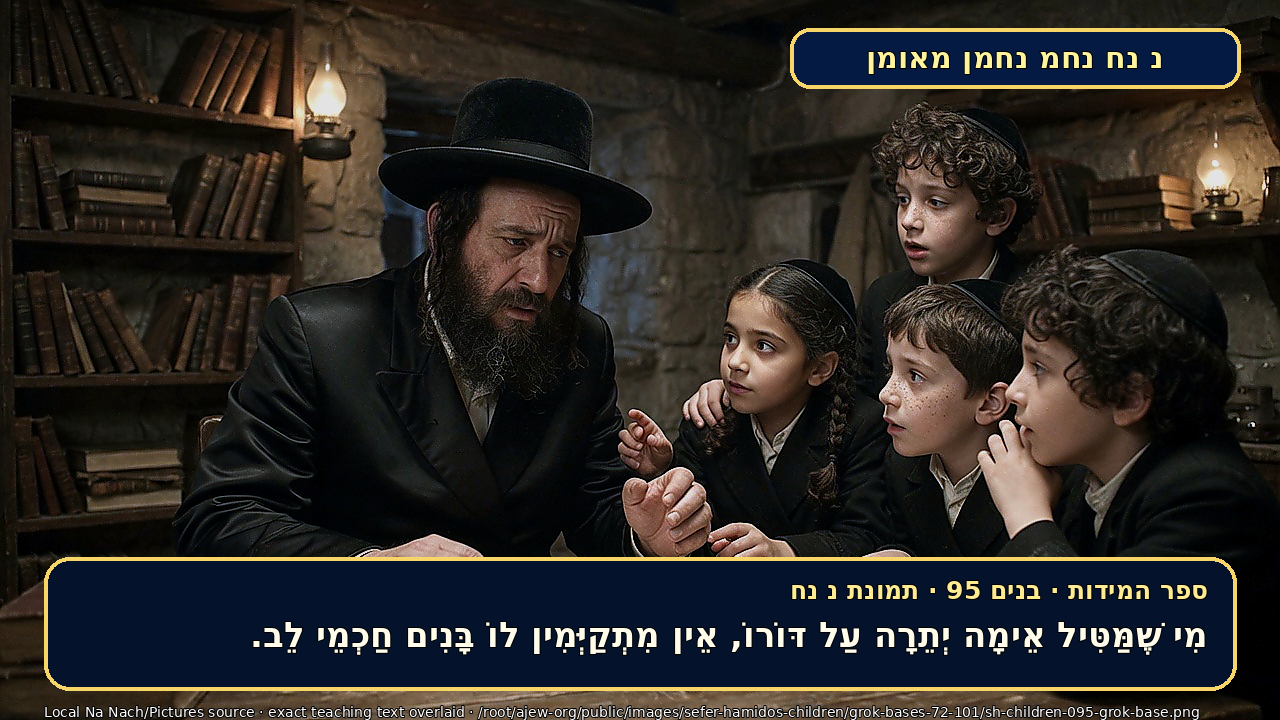
מִי שֶׁמַּטִּיל אֵימָה יְתֵרָה עַל דּוֹרוֹ, אֵין מִתְקַיְּמִין לוֹ בָּנִים חַכְמֵי לֵב.
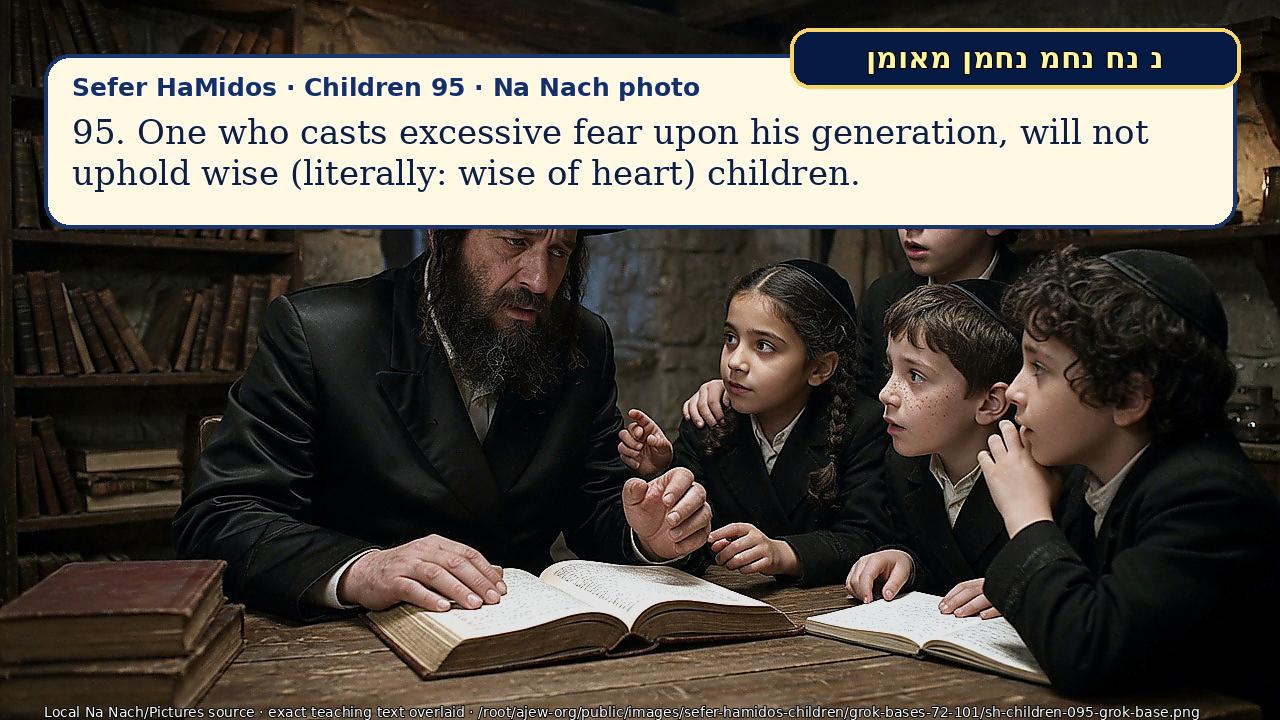
95. One who casts excessive fear upon his generation, will not uphold wise (literally: wise of heart) children.
📷 Pictures / videos for this teaching
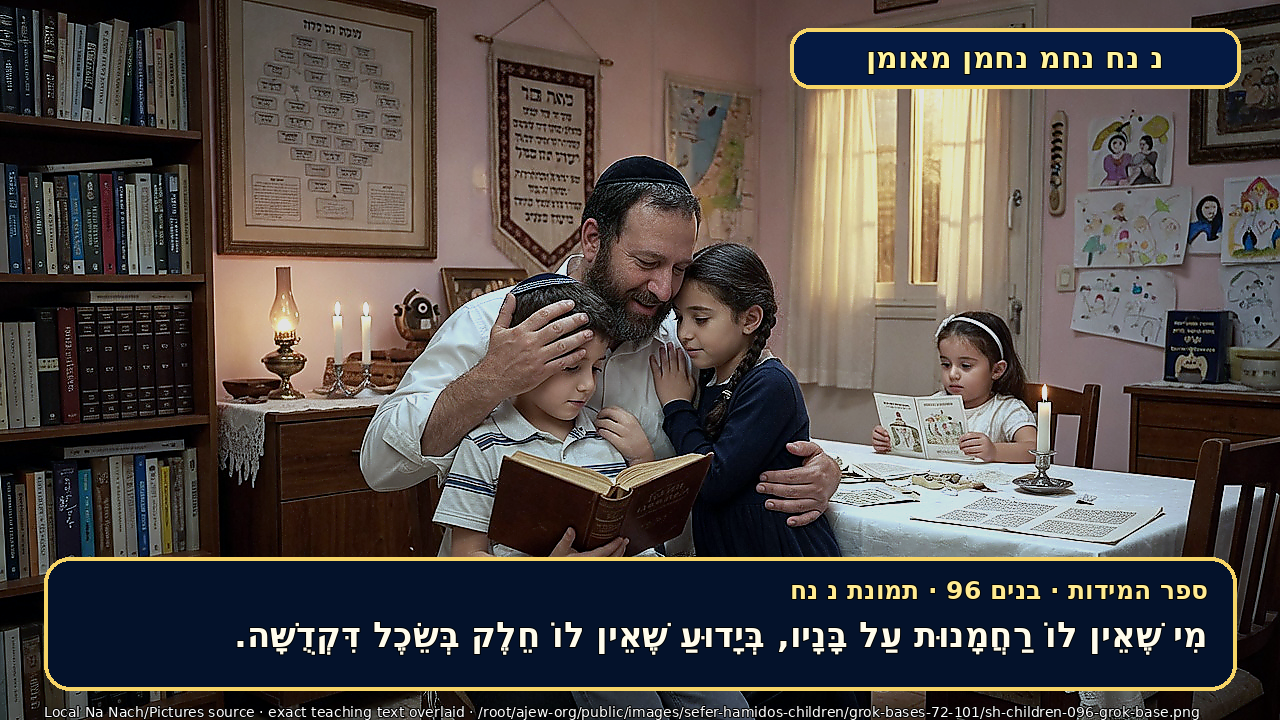
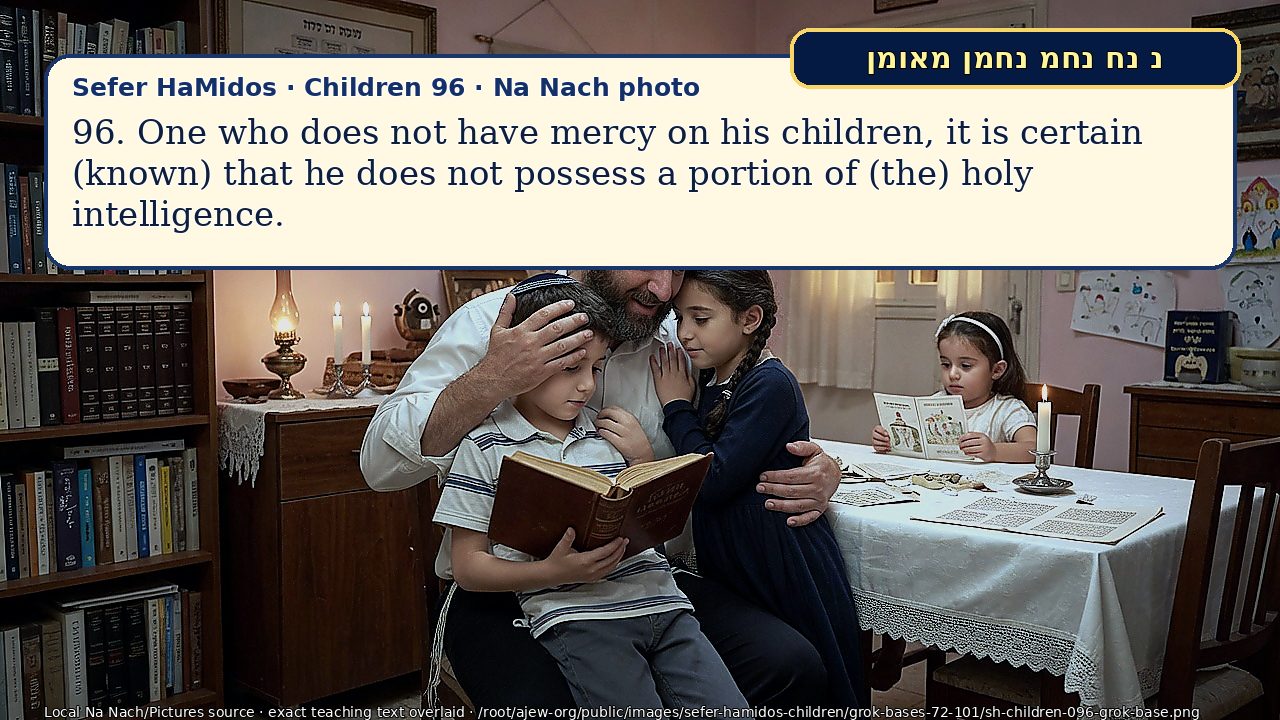
מִי שֶׁאֵין לוֹ רַחֲמָנוּת עַל בָּנָיו, בְּיָדוּעַ שֶׁאֵין לוֹ חֵלֶק בְּשֵׂכֶל דִּקְדֻשָּׁה.
96. One who does not have mercy on his children, it is certain (known) that he does not possess a portion of (the) holy intelligence.
📷 Pictures / videos for this teaching
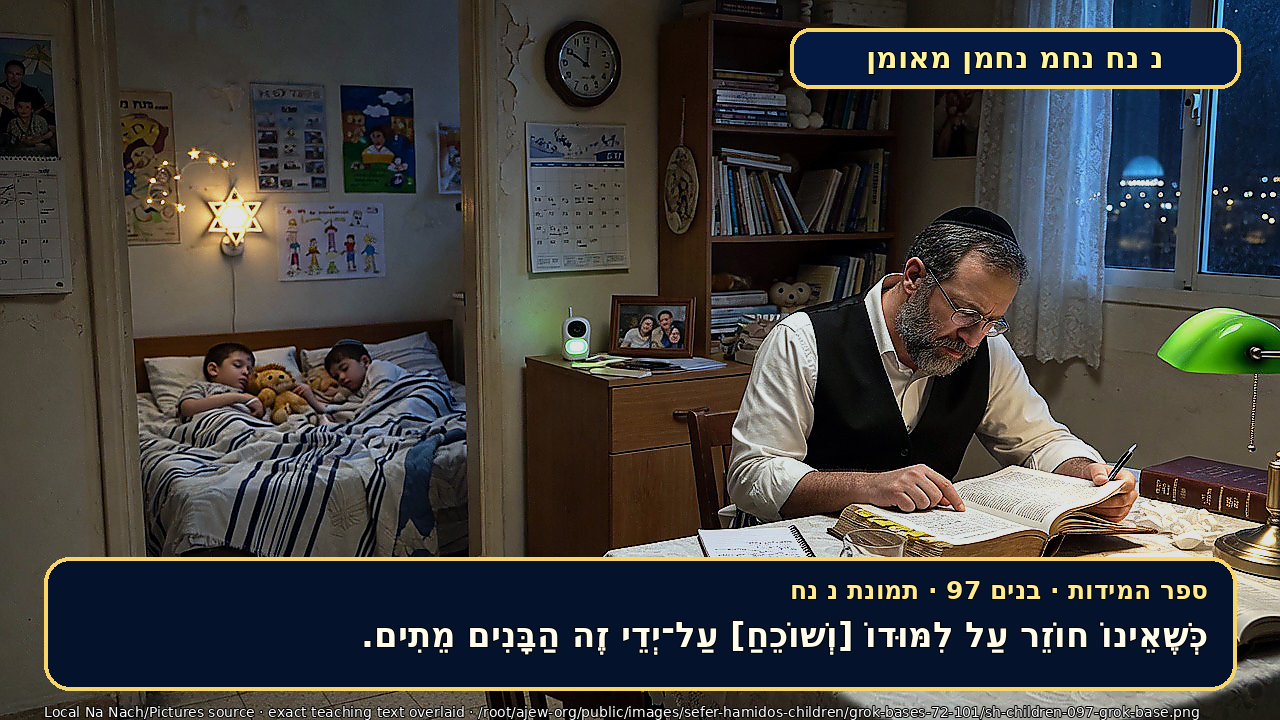
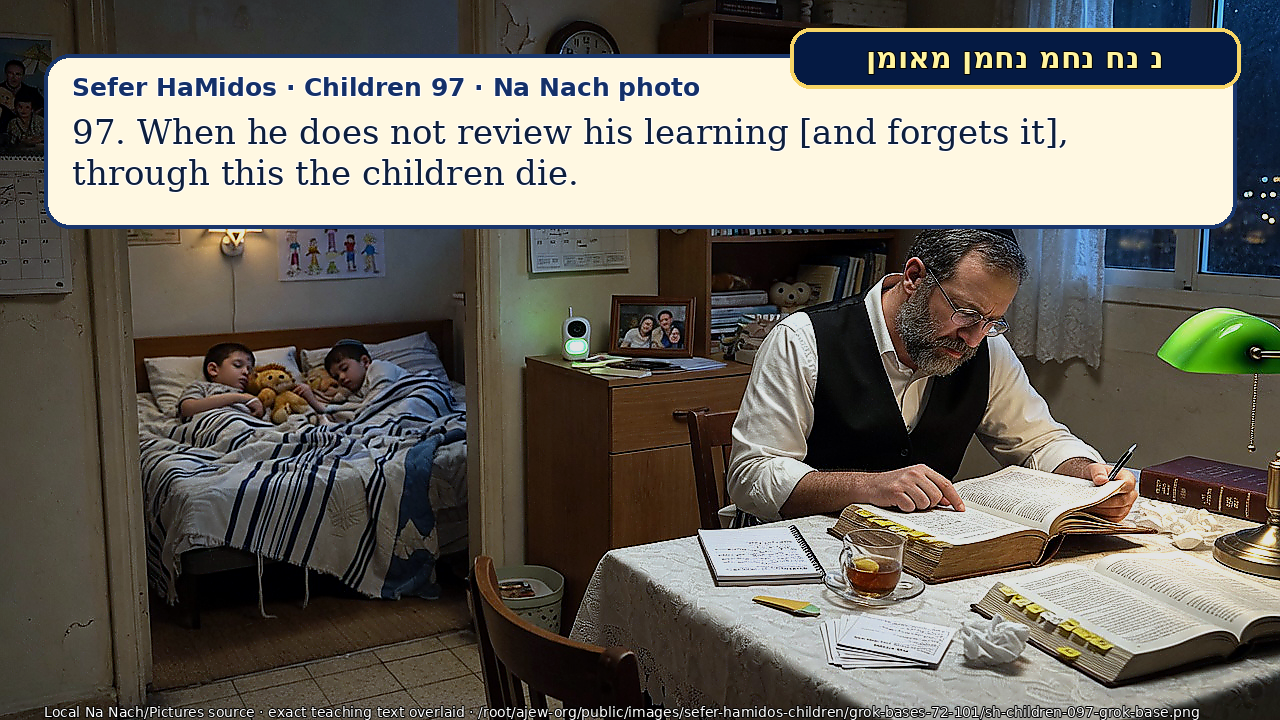
כְּשֶׁאֵינוֹ חוֹזֵר עַל לִמּוּדוֹ [וְשׁוֹכֵחַ] עַל־יְדֵי זֶה הַבָּנִים מֵתִים.
97. When he does not review his learning [and forgets it], through this the children die.
📷 Pictures / videos for this teaching
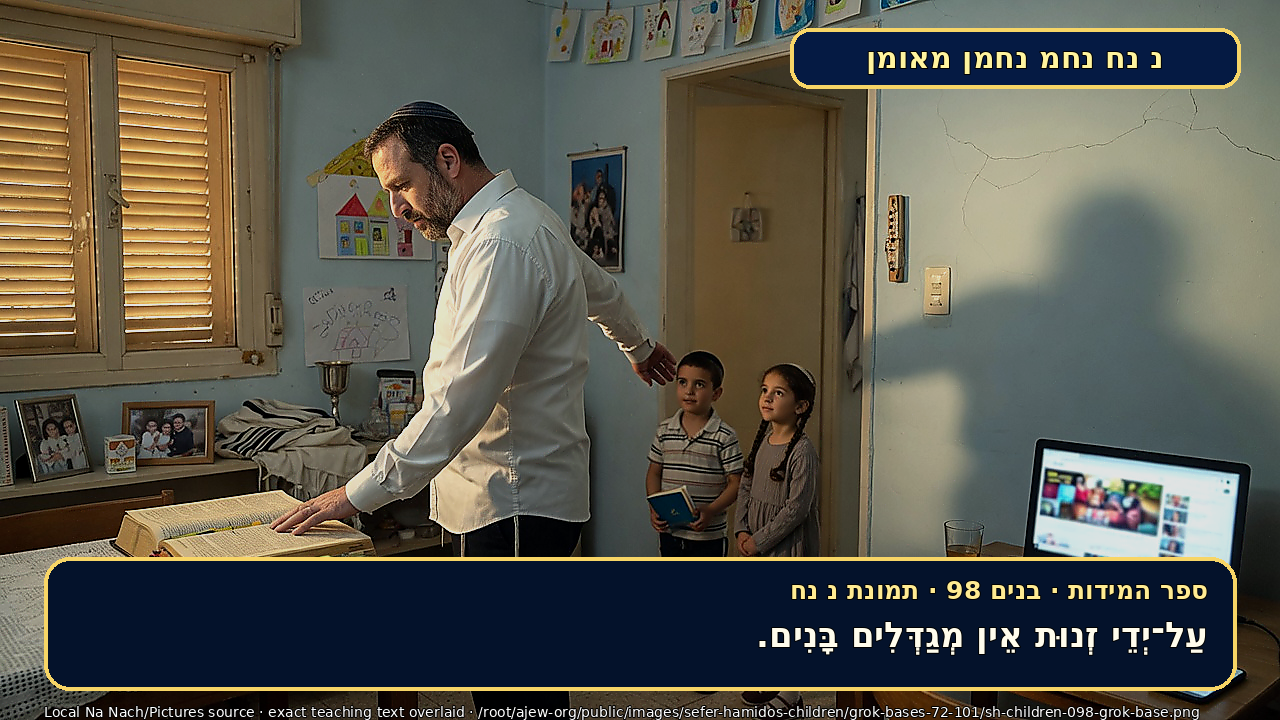
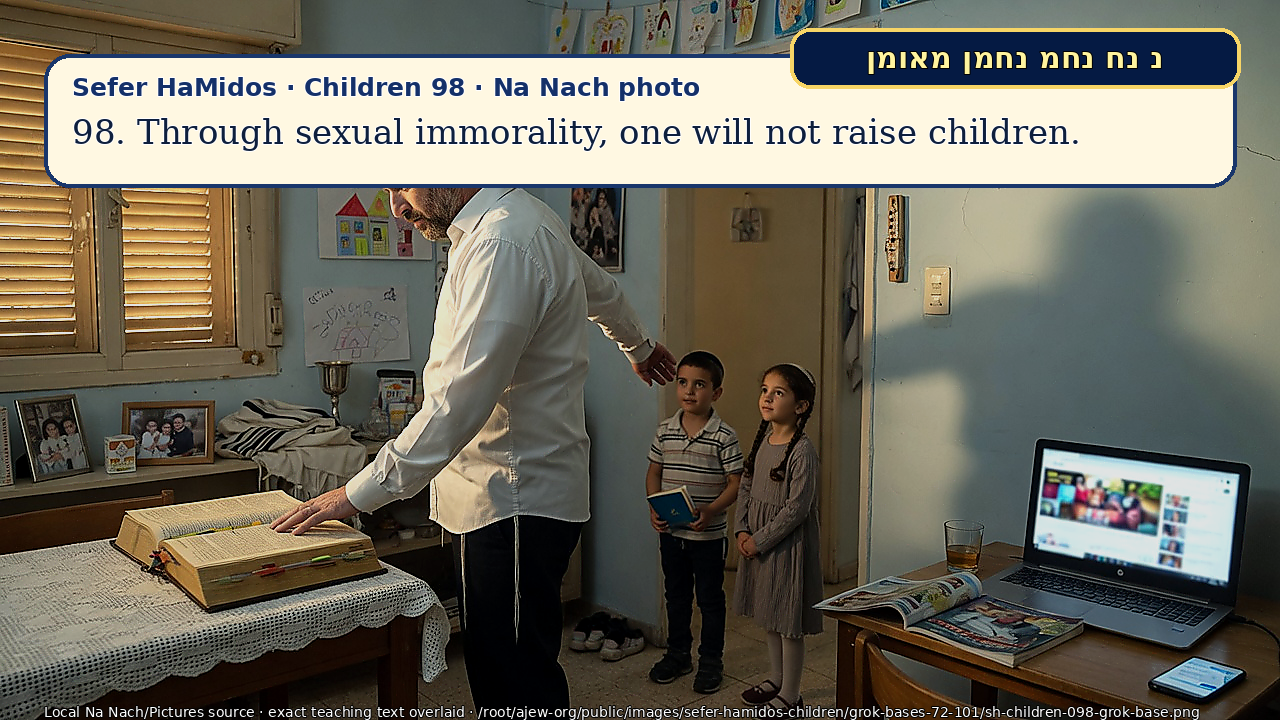
עַל־יְדֵי זְנוּת אֵין מְגַדְּלִים בָּנִים.
98. Through sexual immorality, one will not raise children.
📷 Pictures / videos for this teaching
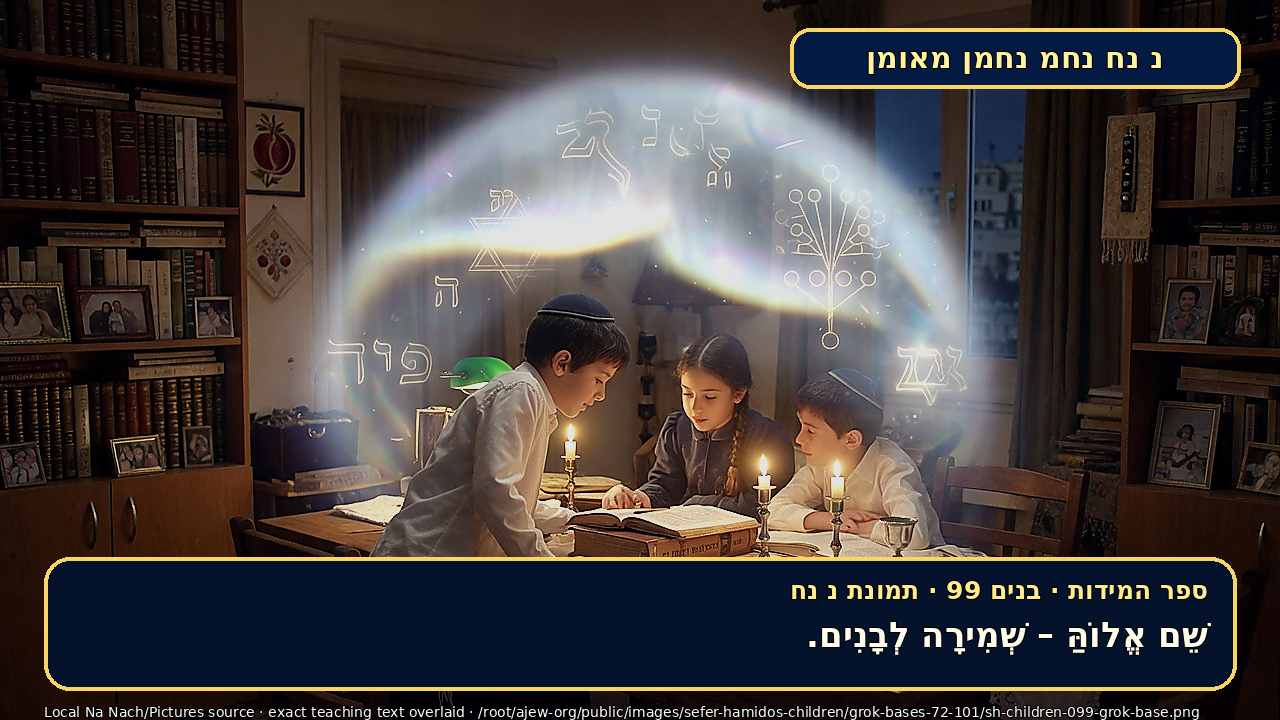
שֵׁם אֱלוֹהַּ – שְׁמִירָה לְבָנִים.
99. The name Elo-kah (name of the garment of the soul – t.n.), gives protection to children (Job 29:2, explained in Arizal's Eitz Chaim 39:12).
📷 Pictures / videos for this teaching
מִי שֶׁמִּשְׁתַּדֵּל שֶׁיִּהְיֶה פַּרְנָסָה לְדוֹרְשֵׁי הַשֵּׁם, עַל־יְדֵי זֶה יִזְכֶּה שֶׁלֹּא יֵצְאוּ בָּנָיו לְתַרְבּוּת רָעָה.
100. One who strives to assure an income to people who seek G-d, will merit that his children not go off (develop, turn out) into bad ways.
📷 Pictures / videos for this teaching
עַל־יְדֵי אֱמוּנַת צַדִּיקִים הַבָּנִים חַיִּים וְקַיָּמִים.
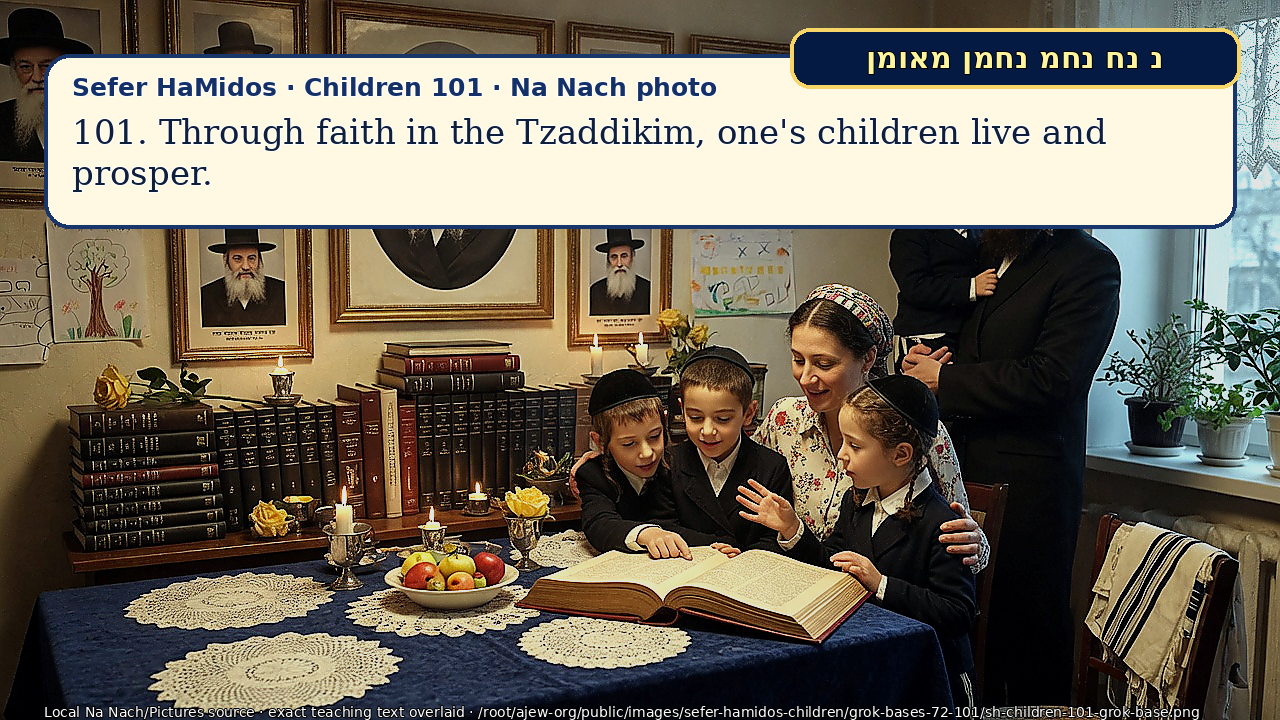
101. Through faith in the Tzaddikim, one's children live and prosper.
📷 Pictures / videos for this teaching
כְּשֶׁזָּכָר בָּא לָעוֹלָם – חֶסֶד בָּא לָעוֹלָם.
102. When a male child comes into the world, kindness comes to the world .
מִי שֶׁמְּצַעֵר אֶת אָבִיו וְאִמּוֹ – עַל־יְדֵי זֶה אֵינוֹ זוֹכֶה לְגַדֵּל זְכָרִים.
103. One who causes his father and mother pain will not merit to raise sons.
מִי שֶׁרוֹדֵף שָׁלוֹם – עַל־יְדֵי זֶה יִזְכֶּה לִרְאוֹת בָּנִים לְבָנָיו.
104. One who pursues peace, through this he will merit seeing his childrens' children.
קִלְקוּל הַדֶּלֶת אוֹ הַחַלּוֹן זֶה סִימָן לְחֻלְשַׁת בָּנִים.
105. Breakage to a door or a window is a sign of weakness in one's children.
הַמַּחֲלֹקֶת זֶה סִימָן רָע לְבָנִים, וְשָׁלוֹם זֶה סִימָן טוֹב לְבָנִים.
106. Contention is a bad sign for [having] children and peace is a good sign.
הַבָּנִים שׁוֹטִים, כְּשֶׁאֲבִיהֶם כַּעֲסָן.
107. Children will be fools when their father is bad tempered.
עַל־יְדֵי כִּבּוּד אָב תִּזְכֶּה לְבָנִים זְכָרִים.
108. Through respecting [your] father, you will merit having male children.
מִי שֶׁיֵּשׁ לוֹ צַעַר גִּדּוּל בָּנִים, יִקְרָא בְּכָל יוֹם מַעֲשֵׂה בְרֵאשִׁית. גַּם עַל־יְדֵי הַקְּרִיאָה נִצּוֹל מֵעֲלִילוֹת שֶׁל גְּזֵלָה.
1. One who suffers in the raising of his children (this includes having children), should read the Biblical passages describing the Creation, everyday. Also, through this reading, one is saved from the accusations of being a thief.
סְגֻלָּה לְבָנִים, לְהַקְטִין אֶת עַצְמוֹ.
2. A segulah for having children is humbling oneself.
מַטַּע הַכֶּרֶם מַזִּיק לְגִדּוּל וְלָדוֹת.
3. Planting a vineyard is damaging to the growth of fetuses.
הִשְׁתַּדְּלוּת בְּפִדְיוֹן־שְׁבוּיִים מְסֻגָּל לְהוֹלָדָה.
4. Endeavoring to free captives is a segulah for giving birth.
אֲמִירַת הַמַּעֲמָדוֹת טוֹב לְבָנִים.
5. The saying of the Ma'amadot is helpful for [having] children.
אִשָּׁה שֶׁבָּנֶיהָ מֵתִים בַּחֹלִי הַנִּקְרָא סַמְקָא, הַיְנוּ זְדוּשִׁין, תִּרְחַץ אוֹתָם בְּשֶׁמֶן, וְהַשֶּׁמֶן הַזֶּה תַּדְלִיק אוֹתוֹ אַחַר־כָּךְ בִּטְבִילַת מִצְוָה.
6. A woman whose children die from the disease called Samkah - that is, Zedushin— should wash them in oil, and then burn this oil afterwards (to heat the water) for a ritual immersion.
מִי שֶׁקָּמִים עָלָיו רַבִּים וְחוֹלְקִים עָלָיו עַל אֱמוּנָתוֹ וְהוּא עוֹמֵד כְּנֶגְדָּם וְטוֹעֵן כְּנֶגְדָּם דְּבָרִים הַנִּתְקַבְּלִים, עַל־יְדֵי זֶה זוֹכֶה לְבָנִים רַבִּים, וְהָעוֹלָם נִתְמַלֵּא מִזַּרְעוֹ.
7. One against whom many arise to challenge him on account of his faith; and he stands up against them and makes well-received counter-claims, through this he will merit having many children, and the world will be filled with his seed.
הֵא הַנַעֲשָׂה מִכֶּסֶף, מְסֻגָּל לִפְרִיָּה וּרִבְיָּה.
8. The letter hey (fifth letter of the Hebrew alphabet) made out of silver, is a segulah for propagation .
לִפְעָמִים בִּנְיַן הַבַּיִת גּוֹרֵם לְאִשָּׁה שֶׁלֹּא תֵּלֵד, כְּשֶׁהָעֵצִים שֶׁבַּבִּנְיָן אֵינָם מֻנָּחִים כַּסֵּדֶר הַנִּתַּן לָהֶם מִשֵּׁשֶׁת יְמֵי בְרֵאשִׁית, וְאָז הַבַּיִת נִקְרָא הָרוּס אֲפִלּוּ בְּבִנְיָנוֹ, וְהֶהָרוּס הַזֶּה בָּא וּמַזִּיק לָאִשָּׁה וְאֵינָהּ מוֹלֶדֶת.
9. Sometimes the construction of the house prevents a woman from birthing, as when the beams are not placed according to their order from the Six Days of Creation. In such a case, the house is as if it were destroyed, even though it is standing. This destruction comes and harms the woman, and she does not give birth.
צָרִיךְ לַחֲזֹר אַחַר מוֹהֵל צַדִּיק וִירֵא־שָׁמַיִם, כִּי כְּשֶׁהַמּוֹהֵל אֵינוֹ טוֹב, יָכוֹל לִהְיוֹת שֶׁלֹּא יִהְיֶה מוֹלִיד, חַס וְשָׁלוֹם, הַנִּמּוֹל עַל־יָדוֹ. גַּם עַל־יְדֵי שֶׁהַמּוֹהֵל אֵינוֹ טוֹב, עַל־יְדֵי זֶה בָּא הַתִּינוֹק, חַס וְשָׁלוֹם, לִידֵי חֳלִי נוֹפֵל.
10. One must look for a Mohel who is righteous and G-d fearing. For when the Mohel is not fitting, it can happen that the child, [when he is grown,] will not be able to have children (lit. cause birth). Also, when the Mohel is not fitting, the child can, G-d forbid, come to suffer from "falling disease" (often translated as epilepsy).
מִי שֶׁיֵּשׁ לוֹ בֵּן עוֹסֵק בַּתּוֹרָה, כְּאִלּוּ לֹא מֵת.
11. [A deceased person] who has a son involved in studying the Torah, is as if he never died.
הֶחָלָב שֶׁל צַדֶּקֶת הוּא טוֹב לַתִּינוֹק לְיִרְאַת־שָׁמַיִם וְגַם נוֹתְנוֹת לוֹ מֶמְשָׁלָה בָּעוֹלָם הַזֶּה.
12. The milk of a righteous woman is good for the baby to have fear of Heaven, and also gives him dominion over this world.
שִׁכּוּל בָּנִים בָּא, חַס וְשָׁלוֹם, עַל מִי שֶׁמַּפִּיל אֶת חֲבֵרוֹ מֵאֱמוּנָה.
13. Death of one's children, G-d forbid, comes through causing one's friend to fall away from his faith.
כְּשֶׁיֵּשׁ שְׁלוֹם מַלְכוּת, עַל־יְדֵי זֶה נוֹלָדִים בְּיִשְׂרָאֵל בַּעֲלֵי הוֹרָאָה.
14. When there is peace in a country's government, the Jews give birth to master teachers.
מִי שֶׁשּׁוֹמֵר אֶת עַצְמוֹ גַּם אֶת הָעֵת וְהַזְּמַן שֶׁמְּזַוֵּג, שֶׁלֹּא יִהְיֶה לֹא הוּא וְלֹא הָעֵת וְהַזְּמַן חַם בְּיוֹתֵר וְלֹא קַר בְּיוֹתֵר, עַל־יְדֵי זֶה בָּנָיו הַנּוֹלָדִים יִהְיוּ חֲכָמִים גְּדוֹלִים.
15. One who guards himself in, as well as the season and time of, conjugal relations, that they are balanced - that is to say, that neither he nor the season is too hot or too cold through this, the children born to him will be great sages.
מִי שֶׁהוּא שׁוֹלֵט בְּיִצְרוֹ, בָּנָיו אֵינָם יוֹצְאִים לְתַרְבּוּת רָעָה, וְעַל־יְדֵי זֶה מָמוֹנוֹ נִתְבָּרֵךְ, וְעַל־יְדֵי זֶה לֹא יָבוֹא לִידֵי נִסָּיוֹן.
16. One who has control over his desires causes that his children will not be drawn to evil ways, that his money is blessed, and that he will not be put to a test.
אֲפִלּוּ אִשָּׁה צַדֶּקֶת כְּשֶׁהִיא אֵינָהּ מְיֻחֶסֶת, עַל־יְדֵי זֶה מוֹלֶדֶת בָּנִים שֶׁאֵינָם הֲגוּנִים.
17. Even a woman who is righteous, but not of respected lineage, will have unworthy children.
בִּזְמַן שֶׁהַדָּגָן רָב בָּעוֹלָם, זֶה סִימָן לְלֵדַת זְכָרִים, וּבִזְמַן שֶׁהַיַּיִן רָב בָּעוֹלָם, זֶה סִימָן לְלֵדַת נְקֵבוֹת.
18. In a time of abundant grain in the world, it is a sign that males will be born. In a time of abundant wine, it is a sign for the birth of females.
מִי שֶׁאֵין לוֹ בֵּן זָכָר, יַרְגִּיל אֶת עַצְמוֹ לְהָבִיא מַתָּנוֹת לְתַלְמִידֵי־חֲכָמִים, וְיֹאמַר פָּרָשָׁה שֶׁל בִּכּוּרִים וְגַם יִלְמַד גְּמָרָא הַרְבֵּה וִימַעֵט בְּלִמּוּד אַגָּדָה, כִּי לִמּוּד אַגָּדָה הוּא מְסֻגָּל לְבָנוֹת.
19. One who does not have a son should accustom himself to bring gifts to Torah scholars, and say the section of Torah verses about the first-fruit offering (bikkurim). Also, he should increase his study of Talmud, and minimize his study of Aggadah, for studying Aggadah is a segulah for having girls.
עַל־יְדֵי לִמּוּד פּוֹסְקִים, עַד שֶׁיֵּדַע לְהוֹרוֹת הוֹרָאוֹת, עַל־יְדֵי זֶה גּוֹרֵם פְּקִידָה לְכַמָּה עֲקָרוֹת.
20. By learning the codes of Jewish law until one is able to render halachic decisions, one causes a number of barren women to conceive.
לִפְעָמִים עַל־יְדֵי תְּפִיסָה נִצּוֹל מִכִּלְיוֹן בָּנִים.
21. Sometimes, through being held in prison, one is saved from being barren of children.
עַל־יְדֵי צְדָקָה זוֹכֶה לְבָנִים.
22. Through charity one merits to have children.
סְגֻלָּה לְמַקְשָׁה לֵילֵד, שֶׁתִּתְלֶה עַל צַוָּארָהּ מַפְתֵּחַ שֶׁל הַבֵּית־עָלְמִין. גַּם הַמַּפְתֵּחַ הַזֶּה מְסֻגָּל לַעֲקָרָה.
23. A segulah for a woman who is having difficulty giving birth is to hang the keys to the cemetery from her neck. This is also a segulah for becoming pregnant.
הַבָּנִים מֵתִים, חַס וְשָׁלוֹם, עַל־יְדֵי רְאִיַּת קֶרִי.
24. Children die, G-d forbid, by (the father) seeing (having) a wanton seminal emission.
יֵשׁ עֵצִים הַמּוֹנְעִים הַהוֹלָדָה וְהַגִּדּוּל בָּנִים כְּשֶׁעוֹשִׂין מִטָּה, וְיֵשׁ עֵצִים הַגּוֹרְמִין הַהוֹלָדָה וְהַגִּדּוּל בָּנִים.
25. There are trees which, when their wood is used to make one's bed, hinder birth and raising children. Conversely, there are trees which promote birth and raising children.
מִי שֶׁבָּנָיו מֵתִים כְּשֶׁהֵם קְטַנִּים, תַּעֲשֶׂה לוֹ אִמּוֹ כֻּתֹּנֶת, וְהוּא יֵלֵךְ בּוֹ תָּמִיד עַד שֶׁיִּגְדַּל.
26. One who has had children die at a young age should have his [living] child’s mother make a coat that he should wear always, until he matures.
כְּשֶׁיִּשְׂרָאֵל פָּרִים וְרָבִים, אֲזַי הָאֻמּוֹת מְחַדְּשִׁין עָלֵינוּ גְּזֵרוֹת.
27. When the Jews are fruitful and multiply, the non-Jewish nations make new harsh decrees upon us.
הַסִּגּוּפִים מוֹעִילִים לְהוֹלָדָה.
28. Self-mortification is helpful for giving birth.
הַקּוֹצִים מְסֻגָּלִים [מוֹעִילִים] לְהוֹלָדָה.
29. Thorns are fortuitous for giving birth.
מִי שֶׁנּוֹלַד מָהוּל, בְּיָדוּעַ שֶׁכֹּחַ הַמְדַמֶּה שֶׁלּוֹ טוֹב וְיָפֶה.
30. Someone who is born circumcised, it is certain that his imagination is good and pleasant.
Loading comments…