Reading Parshas Noach — Sefer HaMidos, Klipah I-10
10. A segulah (auspicious) way to chase away the evil spirit is to recite the Torah portion of Noah.
סְגֻלָּה לְהַבְרִיחַ רוּחַ הַטֻּמְאָה, לִקְרוֹת פָּרָשַׁת נֹחַ.
This reader has a human interface, but every reader page also has static crawlable text. For any book, use
/reader-plain/<book>/full.txt to search the complete work, or
/reader-plain/<book>/<part>/<section>/index.txt for one section.
This is sitewide and works for all reader teachings, not just this page.
 ajew
ajew Rabbainu’s segulah for reading Parshas Noach, followed by his teaching on Genesis 6:8, the closing verse of Beraishis. These additions are separate from the original Chumash with Likutay Halachos PDF.
10. A segulah (auspicious) way to chase away the evil spirit is to recite the Torah portion of Noah.
סְגֻלָּה לְהַבְרִיחַ רוּחַ הַטֻּמְאָה, לִקְרוֹת פָּרָשַׁת נֹחַ.
(20.) Regarding the well-known controversy in previous generations over the rabbi and sage, our teacher Rabbi Yonasan of blessed memory: before Rabbainu of blessed memory was a book recording the amulets that this rabbi had given. They contained the words עבדו מביח"ו ("His servant, מביח״ו"). His opponents interpreted this as "His servant, his Messiah"; see there. Rabbainu of blessed memory spoke with us about this and said that this was no proof. He said that if he were to write amulets and people found them, they would certainly say, etc., especially concerning "His servant" (meaning that they would certainly interpret his intention unfavorably, especially the word "His servant": how could one write "His servant" among the names? They would therefore certainly interpret his intention as they did). For the entire Torah consists of names. The names used in adjurations, or with which one makes a request and prays "May it be Your will," serve to arouse the angel appropriate to that matter. That name is then given to the angel. For an angel has no name of its own; rather, it is given a name according to its mission, as is explained elsewhere. Thus it is indeed appropriate to write עבדו מביח"ו in adjurations using these names, for it is an acronym of the verse "And Noach found favor in the eyes of Hashem" (ונח מצא חן בעיני ה׳; Genesis 6:8).
(כ) בענין המחלקת הידוע שהיה בדורות שלפנינו על הרב הגאון מורנו הרב יונתן זכרונו לברכה, והיה לפני רבנו זכרונו לברכה הספר שהיה כתוב בו הקמיעות שנתן הרב הנ"ל. והיה כתוב בהם עבדו מביח"ו. והם החולקים עליו היו מפרשים שכונתו עבדו משיחו עין שם. וספר רבנו זכרונו לברכה עמנו בזה ואמר שמזה אין ראיה ואמר שאלו היה הוא כותב קמיעות והיו מוצאים היו אומרים בודאי וכו' בפרט עבדו (הינו כי היו מפרשים בודאי שכונתו לא טובה בפרט עבדו כי איך שיך לכתב בשמות עבדו, על כן בודאי היו מפרשים כונתו למה שהיו מפרשים) כי התורה כלה היא שמות. וענין השמות שבהם משביעים, או שמבקשים ומתפללים יהי רצון עם זה השם הוא שעל ידי שמות אלו מעוררין המלאך הראוי לאותו הדבר, ואזי נותנים להמלאך אותו השם. כי המלאך אין לו שם, רק שנותנין לו שם לפי השליחות כמובא. נמצא ששפיר שיך לכתב בהשבעות השמות עבדו מביח"ו כי הוא ראשי תבות של פסוק ונח מצא חן בעיני ה':
Gematria: עבדו מביחו = נחמן (Nachman) = 148 (m.b.).
גימטריא: עבדו מביחו = נחמן = 148 (m.b.).
Chayay Moharan, item 463 (The Service of G-d, item 20) · Genesis 6:8
Qualified parent-selected complete bilingual source units from supplied printed pages 1–109 only. This is not whole-parsha, whole-book, source-complete, human or every-mark certification. Occurrence-specific uncertainties, provisional pointing, citation and Unicode limitations remain explicitly qualified. Original facsimiles remain authoritative; historical source flags are unchanged.
Selected supplied source only; not complete parsha or chapter coverage. Source qualifications remain visible in every reading language. Printed notes retain their actual source owner where supplied; titles and compiler asides remain distinct apparatus. Unassigned source owners remain null.
n-abraham · bereishit 6:9
Main teaching
אף שנח היה צדיק גדול, לא זכו לגלות אלקותו יתברך אלא מאברהם
Although Noach was a great righteous man, they did not merit revealing His divinity, blessed be He, until Abraham.
"נֹחַ אִישׁ צַדִּיק" (ו, ט)
“Noach was a righteous man” (6:9).
הָרִאשׁוֹן הָיָה אַבְרָהָם אָבִינוּ עָלָיו הַשָּׁלוֹם שֶׁהָלַךְ בְּתֻמּוֹ בְּדֶרֶךְ הַזֶּה בִּשְׁלֵמוּת עַד שֶׁהוּא הָרִאשׁוֹן שֶׁהִשִּׂיג רְצוֹנוֹ יִתְבָּרַךְ בְּדֶרֶךְ הַתּוֹרָה הַמְּסוּרָה לָנוּ שֶׁיְּסוֹד הַתְחָלָתָהּ הָיָה מֵאַבְרָהָם כְּמוֹ שֶׁאָמְרוּ רַבּוֹתֵינוּ זִכְרוֹנָם לִבְרָכָה מָצִינוּ שֶׁקִּיֵּם אַבְרָהָם אָבִינוּ אֶת כָּל הַתּוֹרָה וְכוּ׳.
The first was our father Abraham, peace be upon him, who walked in his integrity along this path in completeness, until he was the first to apprehend His will, blessed be He, by the path of the Torah transmitted to us, whose fundamental beginning came from Abraham. As our sages, of blessed memory, said: We find that our father Abraham fulfilled the entire Torah, etc.
כִּי אַף עַל פִּי שֶׁגַּם מִקֹּדֶם הָיוּ צַדִּיקִים גְּדוֹלִים כְּמוֹ נֹחַ וּמְתוּשֶׁלַח וַחֲנוֹךְ וְכוּ׳, אַף עַל פִּי כֵן לֹא זָכוּ לְגַלּוֹת אֱלֹקוּתוֹ יִתְבָּרַךְ וּרְצוֹנוֹ כְּמוֹ אַבְרָהָם כְּמוֹ שֶׁאָמְרוּ רַבּוֹתֵינוּ זִכְרוֹנָם לִבְרָכָהמח.
For although great righteous men had also existed earlier, such as Noach, Methuselah, and Enoch, etc., nevertheless they did not merit revealing His divinity, blessed be He, and His will as Abraham did, as our sages, of blessed memory, said [note 48].
(הלכות ברכת השחר הלכה ה׳ אות ע״ד)
(Laws of the Morning Blessing, Halacha 5, item 74)
n-theft · bereishit 6:11
Main teaching
פגם גזילה ופגם הברית תלויים זה בזה, ועל ידי שגזלו ממון באו לפגם הברית
The blemish of theft and the blemish of the covenant depend on one another. And through stealing money they came to the blemish of the covenant.
"וַתִּשָּׁחֵת הָאָרֶץ וַתִּמָּלֵא הָאָרֶץ חָמָס" (ו, יא)
“And the earth became corrupt, and the earth was filled with violence” (6:11).
פְּגַם גְּזֵלַת מָמוֹן חֲבֵרוֹ שֶׁהוּא בְּחִינַת פְּגַם הַמִּשְׁפָּט שֶׁנּוֹטֵל מָמוֹן חֲבֵרוֹ שֶׁלֹּא בְּמִשְׁפָּט, וּפְגַם הַבְּרִית, הֵם תְּלוּיִים זֶה בָּזֶה. כַּמּוּבָן בְּכַמָּה מְקוֹמוֹת בִּדְבָרָיו זִכְרוֹנוֹ לִבְרָכָה, וּבִפְרָט בְּהַתּוֹרָה "גְּזֵלָה" (סימן סט), כְּמוֹ שֶׁמְּבֹאָר שָׁם עַל דִּבְרֵי רַבּוֹתֵינוּ זִכְרוֹנָם לִבְרָכָה כָּל הַיּוֹרֵד לְאֻמָּנוּת חֲבֵרוֹ כְּאִלּוּ בָּא עַל אִשְׁתּוֹ, עַיֵּן שָׁם.
The blemish of stealing another person’s money—the aspect of blemishing justice by taking his money unjustly—and the blemish of the covenant depend on one another. This is understood from several places in his words, of blessed memory, and especially in the teaching “Theft” (teaching 69), as explained there concerning our sages’ statement, of blessed memory: Whoever encroaches on another person’s livelihood is as though he had intercourse with his wife; see there.
וְזֶה שֶׁכָּתוּב בְּדוֹר הַמַּבּוּל "כִּי הִשְׁחִית כָּל בָּשָׂר אֶת דַּרְכּוֹ וְכוּ׳". שֶׁהוּא פְּגַם הַבְּרִית, וְתֵכֶף בְּסָמוּךְ כְּתִיב "קֵץ כָּל בָּשָׂר וְכוּ׳ כִּי מָלְאָה הָאָרֶץ חָמָס וְכוּ׳". וּפֵרֵשׁ רש״י לֹא נֶחְתַּם דִּינָם אֶלָּא עַל הַגֵּזֶל.
And this is what is written concerning the generation of the Flood: “For all flesh had corrupted its way,” etc.—which is the blemish of the covenant. And immediately nearby it is written, “The end of all flesh,” etc., “for the earth is filled with violence,” etc. And Rashi explained: Their judgment was sealed only because of theft.
כִּי הָא בְּהָא תַּלְיָא, כִּי עַל יְדֵי רִבּוּי הַגֵּזֶל שֶׁהוּא פְּגַם הַמִּשְׁפָּט, וּבִפְרָט שֶׁהַדַּיָּנִים פָּגְמוּ אָז בְּמִשְׁפָּט מְאֹד, כְּמוֹ שֶׁאָמְרוּ רַבּוֹתֵינוּ זִכְרוֹנָם לִבְרָכָה בְּעִנְיַן דַּיָּנֵי סְדוֹם, עַל כֵּן הִתְגַּבְּרָה תַּאֲוָה זֹאת בְּחִינַת ׳כִּי הִשְׁחִית׳ וְכוּ׳. וְעַל כֵּן הָיָה עִקַּר גְּמַר דִּינָם עַל הַגֵּזֶל שֶׁהוּא פְּגַם הַמִּשְׁפָּט, אַף עַל פִּי שֶׁבַּתְּחִלָּה דִּבֵּר רַק מִפְּגַם הַבְּרִית, כְּמוֹ שֶׁכָּתוּב בְּפָרָשָׁה הַקּוֹדֶמֶת "וַיַּרְא ה׳". וְכֵן בְּפָרָשָׁה זֹאת "וַיַּרְא ה׳ אֶת הָאָרֶץ וְהִנֵּה נִשְׁחָתָה וְכוּ׳" שֶׁנִּרְאֶה שֶׁעִקַּר רָעָתָם הָיָה זֹאת שֶׁהָיָה רַע בְּעֵינָיו יִתְבָּרַךְ בְּיוֹתֵר, אַךְ אַף עַל פִּי כֵן לֹא נֶחְתַּם דִּינָם אֶלָּא עַל הַגֵּזֶל שֶׁהוּא פְּגַם הַמִּשְׁפָּט.
For one depends on the other. For because of the abundance of theft, which blemishes justice, and especially because the judges then greatly blemished justice, as our sages, of blessed memory, said concerning the judges of Sodom, therefore this desire grew stronger—the aspect of “For [all flesh] had corrupted,” etc. And therefore their judgment was principally concluded because of theft, which blemishes justice, even though it initially spoke only of the blemish of the covenant, as written in the preceding portion, “And God saw.” And likewise, in this portion, “And God saw the earth, and behold, it was corrupt,” etc., it appears that their chief evil was this, which was particularly evil in His eyes, blessed be He. Yet nevertheless their judgment was sealed only because of theft, which blemishes justice.
כִּי כְּשֶׁמִּתְגַּבֵּר פְּגַם הַבְּרִית עַל יְדֵי פְּגַם הַמִּשְׁפָּט, אָז קָשֶׁה מְאֹד מְאֹד לְתַקֵּן, כַּמּוּבָא שָׁם בְּהַתּוֹרָה הַנַּ״ל. וְעַל כֵּן דַּיְקָא עַל יְדֵי הַגֵּזֶל שֶׁהוּא פְּגַם הַמִּשְׁפָּט, נֶחְתַּם גְּזַר דִּינָם עַל הַנִּאוּף, כִּי הָא בְּהָא תַּלְיָא כַּנַּ״ל, כִּי כְּשֶׁבָּא נִאוּף עַל יְדֵי פְּגַם הַמִּשְׁפָּט אָז קָשֶׁה מְאֹד לְתַקֵּן, עַל כֵּן עַל יְדֵי זֶה דַּיְקָא נֶחְתַּם גְּזַר דִּינָם וְכַנַּ״ל.
For when the blemish of the covenant grows stronger through blemishing justice, it is very, very difficult to repair, as stated there in the above-mentioned teaching. And precisely through theft, which blemishes justice, the sentence upon their sexual immorality was therefore sealed, because one depends on the other, as stated above. For when sexual immorality comes through blemishing justice, it is very difficult to repair. Precisely through this their sentence was therefore sealed, and as stated above.
וְזֶה יָדוּעַ בְּכִתְבֵי הָאֲרִ״י ז״ל שֶׁגָּלוּת מִצְרַיִם הָיָה לְתַקֵּן חֵטְא דּוֹר הַמַּבּוּלמט. וְעַל כֵּן כְּשֶׁרָאָה מֹשֶׁה אִישׁ מִצְרִי מַכֶּה וְכוּ׳. וְאַחַר כָּךְ שְׁנֵי אֲנָשִׁים עִבְרִים נִצִּים וְכוּ׳. אָמַר "אָכֵן נוֹדַע הַדָּבָר" מַה שֶּׁיִשְׂרָאֵל בְּגָלוּת כְּמוֹ שֶׁאָמְרוּ רַבּוֹתֵינוּ זִכְרוֹנָם לִבְרָכָה, הַיְנוּ מֵחֲמַת שֶׁרָאָה שֶׁעֲדַיִן פּוֹגְמִין בְּמִשְׁפָּט, כִּי הַמַּחֲלֹקֶת וְהַמְּרִיבָה הֵפֶךְ הַמִּשְׁפָּט שֶׁהוּא בְּחִינַת שָׁלוֹם, כְּמוֹ שֶׁכָּתוּב "אֱמֶת וּמִשְׁפַּט שָׁלוֹם שִׁפְטוּ וְכוּ׳". עַל כֵּן אָמַר "אָכֵן נוֹדַע הַדָּבָר".
And it is known from the writings of the Ari, of blessed memory, that the exile in Egypt was to repair the sin of the generation of the Flood [note 49]. And therefore, when Moses saw an Egyptian man striking, etc., and afterward two Hebrew men fighting, etc., he said, “Indeed, the matter is known”—why Israel were in exile, as our sages, of blessed memory, said. That is, because he saw that they were still blemishing justice, for contention and strife are the opposite of justice, which is the aspect of peace, as it is written, “Judge truth and a judgment of peace,” etc. He therefore said, “Indeed, the matter is known.”
שֶׁיִשְׂרָאֵל נְתוּנִים בְּגָלוּת כָּל כָּךְ, כִּי זֶה מֵחֲמַת פְּגַם הַמִּשְׁפָּט שֶׁקָּשֶׁה מְאֹד לְבָרֵר.
That Israel are held in exile to such an extent is because of the blemish of justice, which is very difficult to clarify.
(הלכות דיינים הלכה ה׳)
(Laws of Judges, Halacha 5)
n-ark-retreat · bereishit 7:1
Main teaching
נח הוצרך ליכנס לתיבה משום שלא זכה לביטול הגמור שישמור משליטת הדינים
Noach had to enter the ark because he had not attained the complete self-nullification that would guard him from the dominion of judgments.
"בא אַתָּה וְכָל בֵּיתְךָ אֶל הַתֵּבָה" (ז, א)
“Come, you and all your household, into the ark” (7:1).
מֹשֶׁה רַבֵּנוּ שֶׁמָּסַר נַפְשׁוֹ וְזָכָה לְבִטּוּל כָּזֶה, עַל כֵּן בֶּאֱמֶת הִמְתִּיק כָּל הַדִּינִים שֶׁבָּעוֹלָם אֲפִלּוּ בְּעֵת תֹּקֶף הִתְגַּבְּרוּת הַדִּין מְאֹד רַחֲמָנָא לִצְלַן. אֲבָל נֹחַ לֹא זָכָה לְבִטּוּל כָּזֶה וְעַל כֵּן לֹא הָיָה יָכוֹל לְבַטֵּל הַדִּין לְגַמְרֵי, וְעַל כֵּן הָיָה מַבּוּל בָּעוֹלָם. עַל כֵּן הֻכְרַח לִכְנֹס בַּתֵּבָה לְהִתְחַבֵּא שָׁם מִפְּנֵי תֹּקֶף הַדִּין וְהַמַּשְׁחִיתִים כַּמְבֹאָר בַּזֹּהַר הַקָּדוֹשׁ.
Moses our master, who gave over his soul and attained such self-nullification, therefore truly sweetened all the judgments in the world, even when judgment grew exceedingly strong—may the Merciful One save us. But Noach did not attain such self-nullification, and therefore could not completely nullify judgment; therefore there was a flood in the world. He was consequently compelled to enter the ark and hide there from the force of judgment and the destroying agents, as explained in the holy Zohar.
וְהָעִנְיָן, כִּי מֵחֲמַת שֶׁנֹּחַ לֹא זָכָה לְבַטֵּל עַצְמוֹ כָּרָאוּי עַד שֶׁיְּבַטֵּל הַדִּין מִכָּל הָעוֹלָם, עַל כֵּן הֻכְרַח לִכְנֹס בַּתֵּבָה לִזְכּוֹת שָׁם לִבְחִינַת בִּטּוּל. כִּי תֵּבַת נֹחַ דָּא יוֹם הַכִּפּוּרִים כְּמוֹ שֶׁאִיתָא בַּתִּקּוּנִים, וְיוֹם הַכִּפּוּרִים הוּא בִּטּוּל, שֶׁאָז סוֹתְמִין עֵינֵיהֶם מֵחֵיזוּ דְּהַאי עָלְמָא, שֶׁזֶּה בְּחִינַת הַתַּעֲנִית וְהַחֲמִשָּׁה עִנּוּיִים שֶׁל יוֹם כִּפּוּר כַּנִּזְכָּר לְעֵיל. הַיְנוּ כִּי נֹחַ לֹא זָכָה לִבְחִינַת בִּטּוּל כִּי אִם עַל יְדֵי כְּנִיסָתוֹ לַתֵּבָה וְנִסְתַּר וְנִתְחַבֵּא שָׁם וְסָתַם עֵינָיו מֵהָעוֹלָם.
And the matter is this: because Noach did not merit nullifying himself properly so as to nullify judgment from the whole world, he had to enter the ark and attain the aspect of self-nullification there. For Noach’s ark is the Day of Atonement, as stated in the Tikunim, and the Day of Atonement is self-nullification: then people close their eyes to the sight of this world, the aspect of the fast and the five afflictions of the Day of Atonement mentioned above. That is, Noach attained the aspect of self-nullification only by entering the ark, concealing and hiding himself there, and closing his eyes to the world.
כִּי זֶה בְּחִינַת הַהַסְתָּרָה שֶׁצְּרִיכִין לְהַסְתִּיר וּלְהִתְחַבֵּא עַצְמוֹ בִּשְׁעַת תֹּקֶף הַדִּין חַס וְשָׁלוֹם, שֶׁזֶּהוּ בְּחִינַת הַתֵּבָה כַּמְבֹאָר בַּזֹּהַר הַקָּדוֹשׁ. הַיְנוּ כִּי בְּשָׁעָה שֶׁהַדִּין גּוֹבֵר צְרִיכִים לְבִטּוּל כַּנִּזְכָּר לְעֵיל. וְהַבִּטּוּל הוּא לִסְתֹּם עֵינָיו מֵחֵיזוּ דְּהַאי עָלְמָא. וְעַל כֵּן צְרִיכִין לְהִתְחַבֵּא וּלְהַסְתִּיר עַצְמוֹ בְּתוֹךְ הַבַּיִת וּלְבַלִּי לָצֵאת חוּצָה כְּדֵי שֶׁלֹּא יְשׁוֹטֵט עֵינָיו בִּרְאִיַּת הָעוֹלָם הַזֶּה. רַק יֵשֵׁב נִסְתָּר וְנֶחְבָּא בְּתוֹךְ בֵּיתוֹ, שֶׁשָּׁם הַמָּקוֹם מְסֻגָּל יוֹתֵר לְבַטֵּל עַצְמוֹ לַה׳ יִתְבָּרַךְ כְּדֵי לְהַמְתִּיק הַדִּין עַל יְדֵי זֶה.
For this is the aspect of concealment: a person must conceal and hide himself when judgment is forceful, God forbid, which is the aspect of the ark, as explained in the holy Zohar. That is, when judgment prevails, self-nullification is needed, as stated above. And self-nullification means closing one’s eyes to the sight of this world. And one must therefore hide and conceal oneself within the house and not go outside, so that one’s eyes will not roam over the sights of this world. Rather, he should sit concealed and hidden within his house, where the place is better suited for nullifying himself before God, blessed be He, thereby sweetening judgment.
וְזֶהוּ בְּחִינַת לֵךְ עַמִּי בא בַחֲדָרֶיךָ וּסְגֹר דְּלָתְךָ בַּעֲדֶךָ חֲבִי כִּמְעַט רֶגַע עַד יַעֲבָר זָעַם׳. נִמְצָא שֶׁתֵּבַת נֹחַ זֶה בְּחִינַת בִּטּוּל. כִּי נֹחַ לֹא זָכָה לְבִטּוּל בִּשְׁלֵמוּת לְהַמְתִּיק הַדִּין מִכָּל הָעוֹלָם לְגַמְרֵי, רַק שֶׁה׳ יִתְבָּרַךְ בְּרַחֲמָיו צִוָּהוּ לִכְנֹס בַּתֵּבָה לְהַסְתִּיר עַצְמוֹ שָׁם וְלִסְתֹּם עֵינָיו מֵהָעוֹלָם. כִּי מְחִצּוֹת הַתֵּבָה סוֹתְמִין בִּפְנֵי הָעֵינַיִם שֶׁלֹּא יִתְפַּזֵּר הָרְאוּת לַחוּץ, כְּדֵי שֶׁיּוּכַל לְהִסְתַּכֵּל עַל הַתַּכְלִית וְלִכָּלֵל בְּאֵין סוֹף. כַּמְבֹאָר בְּהַתּוֹרָה הַנִּזְכֶּרֶת לְעֵיל שֶׁבִּשְׁבִיל זֶה צְרִיכִין לִסְתֹּם עֵינָיו כְּשֶׁרוֹצִין לְהִסְתַּכֵּל עַל הַתַּכְלִית, כְּדֵי שֶׁלֹּא יִתְפַּזֵּר הָרְאוּת מִן הַצַּד וְכוּ׳ עַיֵּן שָׁם.
And this is the aspect of “Go, My people, enter your chambers, close your door behind you, hide for almost a moment until wrath passes.” Thus Noach’s ark is the aspect of self-nullification. For Noach did not attain complete self-nullification to sweeten judgment from the whole world entirely. Rather, God, blessed be He, in His mercy commanded him to enter the ark, conceal himself there, and close his eyes to the world. For the ark’s partitions block the eyes so that sight does not disperse outward, enabling him to look toward the ultimate purpose and be encompassed in the Infinite. As explained in the teaching mentioned above, this is why one must close one’s eyes when wishing to look toward the ultimate purpose, so that sight does not disperse to the side, etc.; see there.
וְזֶה בְּחִינַת מַעֲלַת הַהִתְבּוֹדְדוּת שֶׁצָּרִיךְ הָאָדָם שֶׁיִּתְבּוֹדֵד בְּתוֹךְ בֵּיתוֹ וִיקַשֵּׁר עַצְמוֹ לַה׳ יִתְבָּרַךְ בִּתְפִלּוֹת וְתַחֲנוּנִים, כְּדֵי שֶׁיִּסְתֹּם עֵינָיו מֵחֵיזוּ דְּהַאי עָלְמָא וְלֹא יִתְפַּזֵּר רְאוּת עֵינָיו בַּחוּץ, וּבִשְׁבִיל זֶה בְּעַצְמוֹ מְסֻגָּלִין מְחִצּוֹת הַבַּיִת לְהַסְתִּיר עַצְמוֹ בָּהֶן מִפְּנֵי הַמַּשְׁחִיתִים בְּעֵת תֹּקֶף הַדִּין רַחֲמָנָא לִצְלַן כַּמּוּבָא בַּזֹּהַר הַקָּדוֹשׁ, כִּי מְחִצּוֹת הַבַּיִת הֵם מְחִצּוֹת בִּפְנֵי הָעֵינַיִם כְּדֵי לְהִסְתַּכֵּל עַל הַתַּכְלִית שֶׁשָּׁם כֻּלּוֹ טוֹב, שֶׁשָּׁם כָּל הַדִּינִים וְהַיִּסּוּרִים בְּטֵלִים בִּמְצִיאוּת.
And this is the aspect of the virtue of secluded prayer: a person should seclude himself within his house and bind himself to God, blessed be He, with prayers and supplications, so that he closes his eyes to the sight of this world and the sight of his eyes does not disperse outside. And for this very reason the house’s partitions are suited for concealing him from the destroying agents when judgment is forceful—may the Merciful One save us—as stated in the holy Zohar. For the house’s partitions are partitions before the eyes, enabling him to look toward the ultimate purpose, where everything is wholly good, where all judgments and sufferings become null in existence.
עַל כֵּן כְּשֶׁאֵין צַדִּיק הַדּוֹר הַשָּׁלֵם כָּל כָּךְ שֶׁיּוּכַל עַל יְדֵי בִּטּוּלוֹ אֶל הַתַּכְלִית לְבַטֵּל הַדִּין לְגַמְרֵי מִכָּל הָעוֹלָם, אֲזַי הַצַּדִּיקִים וְהַכְּשֵׁרִים צְרִיכִין לְהַסְתִּיר עַצְמָן בְּתוֹךְ מְחִצּוֹת בֵּיתָם, בִּבְחִינַת לך עמי בא בחדריך וְכוּ׳ כְּדֵי לְהַסְתִּיר עַצְמוֹ מִפְּנֵי הַדִּין. כִּי מְחִצּוֹת הַבַּיִת הֵם בִּבְחִינַת בִּטּוּל אֶל הַתַּכְלִית, מֵחֲמַת שֶׁהֵם סוֹתְמִין בִּפְנֵי הָעֵינַיִם שֶׁלֹּא יִסְתַּכֵּל אֶל הַחוּץ. וְעַל כֵּן שָׁם אֵין הַדִּין יָכוֹל לִשְׁלֹט. כִּי עִקַּר בִּטּוּל הַדִּינִים הוּא עַל יְדֵי בְּחִינַת הַתַּכְלִית כַּנִּזְכָּר לְעֵיל, שֶׁזֶּהוּ בְּחִינַת סְתִימַת הָעֵינַיִם בִּשְׁעַת תֹּקֶף הַיִּסּוּרִים רַחֲמָנָא לִצְלַן כַּמְבֹאָר בְּהַתּוֹרָה הַנִּזְכֶּרֶת לְעֵיל.
Therefore, when the righteous man of the generation is not so complete that through his self-nullification toward the ultimate purpose he can completely nullify judgment from the whole world, the righteous and upright must conceal themselves within the partitions of their houses, in the aspect of “Go, My people, enter your chambers,” etc., to conceal himself from judgment. For the house’s partitions are the aspect of self-nullification toward the ultimate purpose, because they block the eyes from looking outward. And judgment therefore cannot rule there. For the principal nullification of judgments comes through the aspect of the ultimate purpose, as stated above, the aspect of closing the eyes when suffering is forceful—may the Merciful One save us—as explained in the teaching mentioned above.
וְזֶהוּ בְּחִינַת הַתֵּבָה כַּנִּזְכָּר לְעֵיל, כִּי הַצַּדִּיק הַשָּׁלֵם כְּמוֹ מֹשֶׁה רַבֵּנוּ יָכוֹל לְבַטֵּל עַצְמוֹ אֶל הַתַּכְלִית תָּמִיד אֲפִלּוּ בְּלֹא כְּנִיסָתוֹ לַתֵּבָה. וְעַל כֵּן צַדִּיק כָּזֶה בֶּאֱמֶת הוּא יָכוֹל לְבַטֵּל הַדִּין לְגַמְרֵי מִכָּל הָעוֹלָם. אֲבָל שְׁאָר צַדִּיקִים אֵין יְכוֹלִין לְבַטֵּל עַצְמָן כִּי אִם כְּשֶׁסּוֹתְמִין עַצְמָן וְנִסְגָּרִים בַּחֲדָרִים, בִּבְחִינַת לך עמי בא בחדריך.
And this is the aspect of the ark, as stated above. For the complete righteous man, such as Moses our master, can constantly nullify himself toward the ultimate purpose even without entering the ark. And such a righteous man can therefore truly nullify judgment entirely from the whole world. But other righteous men can nullify themselves only when they shut themselves in and are enclosed in rooms, in the aspect of “Go, My people, enter your chambers.”
וְזֶהוּ בְּחִינַת כְּנִיסַת נֹחַ בַּתֵּבָה כַּנִּזְכָּר לְעֵיל, שֶׁמֵּחֲמַת שֶׁלֹּא זָכָה לְתַכְלִית הַבִּטּוּל בִּשְׁלֵמוּת עַל כֵּן לֹא הָיָה יָכוֹל לְהַמְתִּיק הַדִּין מִכָּל הָעוֹלָם. וְגַם הוּא עַצְמוֹ וּבֵיתוֹ לֹא נִצּוֹלוּ כִּי אִם עַל יְדֵי שֶׁנָּתַן לוֹ ה׳ יִתְבָּרַךְ עֵצָה שֶׁיִּכְנֹס בַּתֵּבָה, וְשָׁם דַּיְקָא יִזְכֶּה לִבְחִינַת בִּטּוּל. כִּי הוּא לֹא הָיָה יָכוֹל לָבוֹא לִבְחִינַת בִּטּוּל כִּי אִם עַל יְדֵי כְּנִיסָתוֹ לַתֵּבָה כַּנִּזְכָּר לְעֵיל.
And this is the aspect of Noach’s entering the ark, as stated above. Since he did not attain the ultimate self-nullification in completeness, he could not sweeten judgment from the whole world. And even he himself and his household were saved only through God, blessed be He, giving him counsel to enter the ark; and precisely there he would attain the aspect of self-nullification. For he could not reach the aspect of self-nullification except by entering the ark, as stated above.
וְעַל יְדֵי בִּטּוּל זֶה זָכָה עַל כָּל פָּנִים לְבַטֵּל הַדִּין מֵעַצְמוֹ וּבֵיתוֹ וּלְקַיֵּם הָעוֹלָם עַל יְדֵי זֶה כַּנִּזְכָּר לְעֵיל. נִמְצָא שֶׁתֵּבַת נֹחַ זֶה בְּחִינַת בִּטּוּל בְּחִינַת יוֹם הַכִּפּוּרִים כַּנִּזְכָּר לְעֵיל.
And through this self-nullification he at least merited nullifying judgment from himself and his household, and thereby sustaining the world, as stated above. Thus Noach’s ark is the aspect of self-nullification, the aspect of the Day of Atonement, as stated above.
וְזֶה בְּחִינַת צהר תַּעֲשֶׂה לַתֵּבָה וְאֶל אַמָּה תְּכַלֶּנָּה מִלְמַעְלָה׳. הַיְנוּ שֶׁיַּעֲשֶׂה צהר וְחַלּוֹן לְמַעְלָה כְּדֵי שֶׁכָּל הִסְתַּכְּלוּתוֹ וְהַבָּטָתוֹ יִהְיֶה רַק לְמַעְלָה, שֶׁזֶּהוּ בְּחִינַת הִסְתַּכְּלוּת אֶל הַתַּכְלִית הָעֶלְיוֹן שֶׁהוּא לְמַעְלָה לְמַעְלָה. וְזֶה בְּחִינַת ׳וְהָיָה כַּאֲשֶׁר יָרִים מֹשֶׁה יָדוֹ׳ וְכוּ׳ וְכִי יָדָיו שֶׁל מֹשֶׁה וְכוּ׳ אֶלָּא בִּזְמַן שֶׁיִּשְׂרָאֵל מִסְתַּכְּלִין כְּלַפֵּי מַעְלָה הֵם נוֹצְחִין וְכוּ׳ (ראש השנה דף כ״ט). וְכֵן לְעִנְיַן הַנָּחָשׁ בִּזְמַן שֶׁיִּשְׂרָאֵל מִסְתַּכְּלִין כְּלַפֵּי מַעְלָה הֵם מִתְרַפְּאִין. כִּי עִקַּר בִּטּוּל הַדִּינִים וְהַיִּסּוּרִים וְנִצְחוֹן הַמִּלְחָמָה לַעֲמֹד כְּנֶגֶד הַמִּתְנַגְּדִים אֶל הַקְּדֻשָּׁה, הוּא עַל יְדֵי הִסְתַּכְּלוּת כְּלַפֵּי מַעְלָה שֶׁהוּא בְּחִינַת בִּטּוּל אֶל הַתַּכְלִית כַּנִּזְכָּר לְעֵיל.
And this is the aspect of “Make a window for the ark, and finish it to a cubit above”: that is, make a window and opening above, so that all his looking and gazing is only upward. This is the aspect of looking toward the higher ultimate purpose, which is far, far above. And this is the aspect of “And it was, when Moses raised his hand,” etc. And did Moses’ hands, etc.? Rather, when Israel look upward they prevail, etc. (Rosh Hashanah, folio 29). And likewise concerning the snake, when Israel look upward they are healed. For the chief nullification of judgments and sufferings, and victory in battle to stand against the opponents of holiness, comes through looking upward—the aspect of self-nullification toward the ultimate purpose, as stated above.
וְעַל יְדֵי תֵּבַת נֹחַ שֶׁהוּא בְּחִינַת בִּטּוּל, שֶׁעַל יְדֵי זֶה נִסְתָּר מִפְּנֵי הַדִּין וְנִתְקַיֵּם הָעוֹלָם וְלֹא נֶחֱרַב לְגַמְרֵי, עַל יְדֵי זֶה זָכָה נֹחַ אַחַר כָּךְ כְּשֶׁחָזַר מֵהַבִּטּוּל בִּבְחִינַת רָצוֹא וָשׁוֹב, לְהַמְשִׁיךְ תּוֹרָה מֵהָרְשִׁימוּ כַּנִּזְכָּר לְעֵיל. וְזֶה בְּחִינַת מַה שֶּׁזָּכָה נֹחַ אַחַר יְצִיאָתוֹ מֵהַתֵּבָה לְהַשִּׂיג בְּחָכְמָתוֹ וּבְרוּחַ קָדְשׁוֹ לְהַקְרִיב קָרְבָּנוֹת מִכָּל הַבְּהֵמָה הַטְּהוֹרָה וְכוּ׳. כִּי זֶה זָכָה לְקַבֵּל וּלְהַשִּׂיג בִּבְחִינַת הַשָּׂגַת הַתּוֹרָה מֵהָרְשִׁימוּ שֶׁנִּשְׁאַר לוֹ מֵהַבִּטּוּל בְּעֵת יְצִיאָתוֹ מֵהַתֵּבָה שֶׁהִיא בְּחִינַת יוֹם הַכִּפּוּרִים בְּחִינַת בִּטּוּל.
And through Noach’s ark, the aspect of self-nullification—through which he was concealed from judgment and the world continued to exist and was not completely destroyed—through this, Noach afterward merited, when he returned from self-nullification in the aspect of running and returning, drawing Torah from the residual impression, as stated above. And this is the aspect of Noach’s attaining, after leaving the ark, through his wisdom and holy spirit, the understanding to offer sacrifices from every clean animal, etc. For he merited receiving and apprehending this through the apprehension of Torah from the residual impression of self-nullification that remained with him when he left the ark, which is the aspect of the Day of Atonement, the aspect of self-nullification.
(הלכות תפלת ערבית הלכה ד׳ אות י״ז)
(Laws of the Evening Prayer, Halacha 4, item 17)
n-ark-exit · bereishit 8:18
Main teaching
מה שנח לא ביקש על דורו הוא משום שלא היה לו הבקיאות של רצוא ושוב, למצוא נקודה טובה ברשעים
The reason Noach did not plead for his generation was that he did not possess the expertise of running and returning, to find a good point in the wicked.
"וַיֵּצֵא נֹחַ וּבָנָיו" וגו׳ (ח׳, יח)
“And Noach and his sons went out,” etc. (8:18).
בְּזֹהַר חָדָשׁ בְּעִנְיַן תֵּבַת נֹחַ, כָּתוּב שָׁם שֶׁנֹּחַ לֹא בִּקֵּשׁ עַל דּוֹרוֹ, וְאַחַר שֶׁיָּצָא מֵהַתֵּבָה וְרָאָה כָּל הָעוֹלָם חָרֵב הִתְחִיל לִבְכּוֹת עָלָיו וְכוּ׳, וְהֵשִׁיבוֹ הַקָּדוֹשׁ בָּרוּךְ הוּא רַעְיָא שַׁטְיָא כְּעַן אֲמָרִית דָּא וְלָא מִקֹּדֶם וְכוּ׳, כֵּיוָן דְּחָזָא נֹחַ כָּךְ הַקְרִיב עַלְוָון וְקָרְבָּנִין וְכוּ׳ עַיֵּן שָׁם מַה שֶּׁמְּבֹאָר שָׁם מַעֲלַת מֹשֶׁה רַבֵּנוּ שֶׁמָּסַר נַפְשׁוֹ עַל יִשְׂרָאֵל וְהִצִּילָם וְכוּ׳.
In the Zohar Chadash, concerning Noach’s ark, it is written there that Noach did not plead for his generation; and after he came out of the ark and saw the whole world destroyed, he began to weep over it, etc. And the Holy One, blessed be He, answered him: “Foolish shepherd, now you say this, and not beforehand,” etc. When Noach saw this, he offered burnt offerings and sacrifices, etc. See there what is explained there concerning the greatness of Moshe Rabbainu, who offered up his life for Israel and saved them, etc.
וּמְבֹאָר שָׁם שֶׁבִּשְׁבִיל זֶה לֹא בִּקֵּשׁ נֹחַ רַחֲמִים עַל דּוֹרוֹ, כִּי אֲפִלּוּ הוּא לֹא חָשַׁב בְּלִבּוֹ שֶׁיִּמָּלֵט וְכוּ׳ עַיֵּן שָׁם שֶׁמַּאֲרִיךְ כַּמָּה הַקָּדוֹשׁ בָּרוּךְ הוּא רוֹצֶה שֶׁיְּבַקְשׁוּ רַחֲמִים עַל יִשְׂרָאֵל וְכוּ׳, אֲפִלּוּ אִם הֵם כְּמוֹ שֶׁהֵם וְכוּ׳ וְעַיֵּן שָׁם מַה שֶּׁכָּתוּב עַל פָּסוּק ׳וַיְּשַׁלַּח אֶת הָעֹרֵב׳ זֶה דָּוִד שֶׁהָיָה קוֹרֵא תָּמִיד כְּעוֹרֵב וְכוּ׳, וּמַה שֶּׁכָּתוּב שָׁם עַל פָּסוּק וַיְּשַׁלַּח אֶת הַיּוֹנָה עַד וְלֹא יָסְפָה שׁוּב אֵלָיו עוֹד וְכוּ׳ עַיֵּן שָׁם.
And it is explained there that for this reason Noach did not ask for mercy for his generation, for even he did not think in his heart that he would escape, etc. See there, where it elaborates on how much the Holy One, blessed be He, wants people to ask for mercy for Israel, etc., even if they are as they are, etc. And see there what is written about the verse, “And he sent out the raven”: this is Dovid, who continually cried out like a raven, etc.; and what is written there about the verse, “And he sent out the dove,” through “and she did not again return to him any more,” etc. See there.
וְכָל הַפְּגָם שֶׁל נֹחַ וְתִקּוּנוֹ הַכֹּל הוּא בְּעִנְיַן בְּקִיאוּת הַנַּ״ל, שֶׁלֹּא הָיָה בָּקִי בַּהֲלָכָה זֹאת שֶׁל דַּרְכֵי הַתְּשׁוּבָה כְּמוֹ מֹשֶׁה וְהַצַּדִּיקִים הַגְּדוֹלִים שֶׁמַּמְשִׁיכִין דַּרְכֵי הַתְּשׁוּבָה הַנַּ״ל בִּבְקִיאוּת נִפְלָא מְאֹד, כִּי נֹחַ הָיָה צַדִּיק תָּמִים, אֲבָל לֹא הִשִּׂיג שֶׁאֶפְשָׁר לָצֵאת וּלְהוֹרִיד עַצְמוֹ לְהִסְתַּכֵּל עַל רְשָׁעִים כָּאֵלּוּ לַעֲסֹק עִמָּהֶם לִמְצֹא בָּהֶם אֵיזֶה זְכוּת וּלְהִתְפַּלֵּל עֲלֵיהֶם וּלְעוֹרְרָם בְּאֵיזֶה נְקֻדָּה טוֹבָה וְכוּ׳, שֶׁבְּכָל זֶה עָסַק מֹשֶׁה וְהַצַּדִּיקִים הַגְּדוֹלִים שֶׁאַחֲרָיו בִּיגִיעוֹת עֲצוּמוֹת, שֶׁכָּל זֶה כָּלוּל בִּבְחִינַת בְּקִיאוּת הַנַּ״ל בְּעַיִּל וְנָפִיק.
And all Noach’s failing and its rectification—the whole of it—is in the matter of the aforementioned expertise, in that he was not expert in this law of the paths of repentance, as were Moshe and the great righteous people who draw down the aforementioned paths of repentance with exceedingly wondrous expertise. For Noach was a perfectly righteous person, but he did not grasp that it was possible to go out and lower himself to look at such wicked people, to engage with them, to find some merit in them, and to pray for them and to awaken them through some good point, etc.; in all this Moshe and the great righteous people after him engaged with immense exertions, all of which is included in the aforementioned expertise in entering and going out.
וְעַל כֵּן סָבַר הַלְוַאי שֶׁיַּצִּיל אֶת עַצְמוֹ וְכוּ׳, כִּי לֹא הִשִּׂיג רַחֲמָיו יִתְבָּרַךְ עַד הֵיכָן הֵם מַגִּיעִים, וְעַל כֵּן הֻכְרַח לִכְנֹס אֶל הַתֵּבָה לְהִתְחַבֵּא עַצְמוֹ שָׁם לְהִנָּצֵל כִּי תֵּבַת נֹחַ נִבְנָה וְנַעֲשָׂה בְּחָכְמָה וּקְדֻשָּׁה גָּבוֹהַּ מְאֹד, כִּי הָיָה כַּוָּנוֹת עֲמֻקּוֹת בְּגָבְהָהּ וְאָרְכָּהּ וְרָחְבָּהּ, וּבְכָל בִּנְיָנָהּ כַּמְבֹאָר בַּתּוֹרָה כָּל פְּרָטֵי עֲשִׂיָּתָהּ, וְהִיא מְרַמֶּזֶת עַל תְּשׁוּבָה שֶׁעוֹשִׂין בְּיוֹם כִּפּוּר כְּמוֹ שֶׁכָּתוּב בַּזֹּהַר הַקָּדוֹשׁ תֵּבַת נֹחַ דָּא יוֹם כִּפּוּר, וְכֵן אִיתָא שָׁם, וַתָּנַח הַתֵּבָה בַּחֹדֶשׁ הַשְּׁבִיעִי דָּא תִּשְׁרִי. וְכֵן מְבֹאָר בְּכַמָּה סְפָרִים שֶׁתֵּבַת נֹחַ הוּא בְּחִינַת הַדִּבּוּרִים וְהַתֵּבוֹת שֶׁל תְּפִלּוֹת וּבַקָּשׁוֹת שֶׁיִּשְׂרָאֵל מִתְפַּלְּלִין וּמִתְחַנְּנִין וְכוּ׳.
And therefore he thought: if only he could save himself, etc., for he did not grasp His blessed mercy, how far it reaches. And therefore he was compelled to enter the ark and hide himself there to be saved, for Noach’s ark was built and made with exceedingly lofty wisdom and holiness, for there were profound intentions in its height and its length and its width, and in its entire construction, as all the details of its making are explained in the Torah. And it alludes to the repentance undertaken on Yom Kippur, as it is written in the holy Zohar: “Noach’s ark—this is Yom Kippur”; and likewise it says there: “And the ark rested in the seventh month—this is Tishrai.” And likewise it is explained in several books that Noach’s ark corresponds to the utterances and the words of prayers and petitions with which Israel pray and supplicate, etc.
וְעַל כֵּן כָּל כְּנִיסַת נֹחַ אֶל הַתֵּבָה זֶה בְּחִינַת ׳עַיִּל׳, שֶׁמֵּחֲמַת שֶׁלֹּא הָיָה יָכוֹל לְהַצִּיל אֶת עַצְמוֹ עִם הָעוֹלָם, כִּי לֹא הָיָה בָּקִי בַּהֲלָכָה הַנַּ״ל, וְהָעִקָּר שֶׁלֹּא הָיָה בָּקִי בִּבְחִינַת ׳וְנָפִיק׳, שֶׁשָּׁם עִקַּר הַבְּקִיאוּת וְכַנַּ״ל עַל כֵּן צִוָּהוּ הַשֵּׁם יִתְבָּרַךְ שֶׁיִּכְנֹס לְתוֹךְ הַתֵּבָה שֶׁהוּא בְּחִינַת ׳עַיִּל׳ וְשָׁם יַסְתִּיר עַצְמוֹ עִם כָּל בָּנָיו וְעִם כָּל מִינֵי חַיּוֹת וְעוֹפוֹת וּצְמָחִים וְכוּ׳ בִּשְׁבִיל קִיּוּם הָעוֹלָם.
And therefore Noach’s entire entry into the ark corresponds to “entering”: since he could not save himself together with the world, for he was not expert in the aforementioned law, and principally he was not expert in the aspect of “and going out,” where the essential expertise lies, as stated above, therefore God, blessed be He, commanded him to enter the ark, which corresponds to “entering,” and there to hide himself with all his sons and with all kinds of animals and birds and plants, etc., for the preservation of the world.
לכן לא רצו לצאת מן התיבה משום שלא היו בקיאים בבחינת ׳ונפיק׳
They therefore did not want to leave the ark, because they were not expert in the aspect of “and going out.”
וְעַל כֵּן כְּמוֹ שֶׁהֻצְרַךְ לְצִוּוּי מֵהַשֵּׁם יִתְבָּרַךְ לִכְנֹס אֶל הַתֵּבָה, כְּמוֹ כֵן הֻכְרַח לְהִצְטַוּוֹת מֵהַשֵּׁם יִתְבָּרַךְ לָצֵאת מֵהַתֵּבָה, כְּמוֹ שֶׁכָּתוּב בַּפָּרָשָׁה ׳וַיְדַבֵּר אֱלֹקִים אֶל נֹחַ וְכוּ׳ צֵא מִן הַתֵּבָה׳, שֶׁהֻצְרַךְ לְהִצְטַוּוֹת עַל הַיְּצִיאָה מִן הַתֵּבָה, כִּי יְצִיאָתוֹ מִן הַתֵּבָה זֶה בְּחִינַת ׳וְנָפִיק׳, שֶׁעַל יְדֵי שֶׁהִסְתִּיר עַצְמוֹ בְּהַתֵּבָה עַד שֶׁנִּמְתַּק הַדִּין הַקָּשֶׁה שֶׁל דּוֹר הַמַּבּוּל, כְּמוֹ שֶׁכָּתוּב וַיִּזְכֹּר אֱלֹקִים אֶת נֹחַ וְכוּ׳ עַל יְדֵי זֶה רִחֵם הַשֵּׁם יִתְבָּרַךְ עַל עוֹלָמוֹ וְצִוָּהוּ לָצֵאת מִן הַתֵּבָה שֶׁזֶּה בְּחִינַת וְנָפִיק הַנַּ״ל וְעַל כֵּן כְּתִיב ׳הוֹצֵא מִן הַתֵּבָה׳ וְקָרִינָן הֵיצֵא. וּפֵרֵשׁ רַשִׁ״י, אָמֹר לָהֶם שֶׁיֵּצְאוּ, וְאִם לֹא יִרְצוּ הוֹצִיאָם בְּעַל כָּרְחָם. מוּבָן מִזֶּה שֶׁלֹּא רָצוּ בִּרְצוֹנָם לָצֵאת מִן הַתֵּבָה.
And therefore, just as he needed a command from God, blessed be He, to enter the ark, so too he had to be commanded by God, blessed be He, to leave the ark, as written in the portion: “And God spoke to Noach, etc.: Go out of the ark”; he needed to be commanded concerning leaving the ark, for his departure from the ark corresponds to “and going out.” Through his hiding himself in the ark until the harsh judgment of the generation of the Flood was sweetened, as written, “And God remembered Noach,” etc., through this God, blessed be He, had mercy on His world and commanded him to leave the ark, which corresponds to the aforementioned going out. And therefore the written form is הוֹצֵא, “bring out of the ark,” and we read הֵיצֵא. And Rashi explained: “Say to them that they should go out, and if they do not wish to, bring them out against their will.” It is understood from this that they did not wish of their own accord to leave the ark.
וְזֶה רֶמֶז עַל כָּל מַה שֶּׁכָּתַבְנוּ בְּעִנְיָן זֶה, שֶׁבְּוַדַּאי מִי שֶׁרוֹצֶה לָשׁוּב הָיָה מְרֻצֶּה שֶׁיַּנִּיחוּהוּ לֵישֵׁב תָּמִיד בְּבֵית הַמִּדְרָשׁ בְּמָקוֹם קָדוֹשׁ וְלַעֲסֹק בַּתּוֹרָה וּתְפִלָּה, אֲבָל הַשֵּׁם יִתְבָּרַךְ רוֹצֶה בְּקִיּוּם הָעוֹלָם וּמְסַבֵּב עִם הָאָדָם שֶׁמֻּכְרָח כַּמָּה פְּעָמִים לָצֵאת מֵהַבֵּית הַמִּדְרָשׁ לַעֲסֹק בְּצָרְכֵי הַגּוּף וּפַרְנָסָה וְכוּ׳, שֶׁכָּל זֶה בְּחִינַת ׳וְנָפִיק׳, וְזֶה קָשֶׁה עַל הָאָדָם מְאֹד, כִּי יוֹדֵעַ שֶׁכְּשֶׁיֵּצֵא לַחוּץ הוּא בְּסַכָּנָה גְּדוֹלָה, אֲבָל לֹא סַגִּי בְּלָאו הָכִי.
And this alludes to everything we have written on this matter: certainly someone who wants to repent would be pleased to be allowed to sit continually in the study hall, in a holy place, and to engage in Torah and prayer. But God, blessed be He, wants the world to endure and arranges matters with a person so that he is compelled many times to leave the study hall to attend to bodily needs and livelihood, etc., all of which corresponds to “and going out.” And this is very difficult for a person, for he knows that when he goes outside he is in great danger, but one cannot do without it.
שֶׁזֶּהוּ בְּחִינַת מַה שֶּׁבְּנֵי הַתֵּבָה לֹא רָצוּ לָצֵאת מֵהַתֵּבָה כִּי אִם בִּגְזֵרַת הַשֵּׁם יִתְבָּרַךְ שֶׁאָמַר לָהֶם לָצֵאת, כִּי הַשֵּׁם יִתְבָּרַךְ רוֹצֶה שֶׁהָאָדָם יַעֲבֹד אוֹתוֹ בְּזֶה הָעוֹלָם דַּיְקָא, שֶׁהוּא בִּכְלָלוֹ בְּחִינַת ׳וְנָפִיק׳ כְּנֶגֶד הָעוֹלָמוֹת הַקְּדוֹשִׁים הָעוֹלָמוֹת הָעֶלְיוֹנִים, וְעַל כֵּן גַּם בְּזֶה הָעוֹלָם הַהֶכְרֵחַ שֶׁתִּהְיֶה עֲבוֹדָתוֹ בִּבְחִינַת עַיִּל וְנָפִיק דַּיְקָא וְכַנַּ״ל.
For this corresponds to the fact that the occupants of the ark did not wish to leave the ark except by the decree of God, blessed be He, who told them to go out. For God, blessed be He, wants a person to serve Him specifically in this world, which as a whole corresponds to “and going out” in relation to the holy worlds, the upper worlds. And therefore even in this world it is necessary that his service specifically take the form of entering and going out, as stated above.
וְזֶה בְּחִינַת וַיְּשַׁלַּח אֶת הָעֹרֵב הַנַּ״ל, שֶׁמְּבֹאָר בְּזֹהַר חָדָשׁ שֶׁזֶּהוּ דָּוִד שֶׁהָיָה קוֹרֵא תָּמִיד כְּעוֹרֵב וְכוּ׳ וְשִׁלְּחוֹ הַקָּדוֹשׁ בָּרוּךְ הוּא מִמַּלְכוּתוֹ וְהוֹצִיאוֹ מִבֵּיתוֹ, וּמַה כְּתִיב בֵּיהּ ׳וַיֵּצֵא יָצוֹא וָשׁוֹב׳. דִּכְתִיב ׳וְדָוִד עוֹלֶה בְמַעֲלֵה הַזֵּיתִים הוֹלֵךְ וּבוֹכֶה וְרֹאשׁ לוֹ חָפוּי׳, הָיָה יוֹצֵא וָשָׁב בִּתְשׁוּבָה וְהִתְוַדָּה עַל חַטֹּאתָיו וּמְבַקֵּשׁ רַחֲמִים עֲלֵיהֶם וְכוּ׳ עַד יְבֹשֶׁת הַמַּיִם וְכוּ׳, עַד כָּאן לְשׁוֹנוֹ.
And this corresponds to the aforementioned “And he sent out the raven,” concerning which it is explained in the Zohar Chadash that this is Dovid, who continually cried out like a raven, etc.; and the Holy One, blessed be He, sent him away from his kingdom and brought him out of his house. And what is written about him? “And he went out, going and returning.” For it is written: “And Dovid is going up the ascent of the Mount of Olives, going and weeping, and his head is covered.” He would go out and return in repentance, and he confessed his sins and would ask for mercy concerning them, etc., “until the waters dried up,” etc. Thus far its wording.
וְעַיֵּן שָׁם מַה שֶּׁמְּפָרֵשׁ וַיְּשַׁלַּח אֶת הַיּוֹנָה ג׳ פְּעָמִים, שֶׁמְּרַמֵּז עַל הַגָּלֻיּוֹת עַד הַגָּלוּת הָאַחֲרוֹן הַזֶּה שֶׁנֶּאֱמַר עָלָיו, וְלֹא יָסְפָה שׁוּב אֵלָיו עוֹד, שֶׁבִּשְׁבִיל זֶה מִתְאָרֵךְ הַגָּלוּת הַזֶּה כָּל כָּךְ, אֲבָל אַף עַל פִּי כֵן הוּא יִתְבָּרַךְ מְזֻמָּן וּמְחַכֶּה אֵימָתַי תָּשׁוּב, עַיֵּן שָׁם כָּל זֶה הֵיטֵב.
And see there what it explains concerning “And he sent out the dove” three times, which alludes to the exiles, through this final exile, concerning which it is said, “and she did not again return to him any more”; for this reason this exile is prolonged so much. But even so He, blessed be He, is ready and waits for when she will return. See all this well there.
זה היה ההבטחה של הקשת, שימשך הבקיאות של בקי בעייל ובקי בנפיק
This was the promise of the rainbow: that the expertise of one expert in entering and expert in going out would be drawn down.
וְעַל כֵּן הָיָה כָּל הַתִּקּוּן עַל יְדֵי קֶשֶׁת הַבְּרִית שֶׁהִבְטִיחוֹ הַשֵּׁם יִתְבָּרַךְ ׳אֶת קַשְׁתִּי נָתַתִּי בֶּעָנָן׳. קֶשֶׁת הַבְּרִית זֶה בְּחִינַת רֹאשׁ הַשָּׁנָה שֶׁתּוֹקְעִין בּוֹ בַּשּׁוֹפָר תְּקִיעָה שְׁבָרִים תְּרוּעָה, שֶׁסִּימָנָם קש״ת, כַּמּוּבָא בִּדְבָרָיו זַ״ל. וְזֶה בְּחִינַת כֹּחַ הַצַּדִּיק הַגָּדוֹל הָאֲמִתִּי שֶׁהוּא בְּחִינַת קֶשֶׁת הַבְּרִית כְּמוֹ שֶׁכָּתוּב בַּזֹּהַר הַקָּדוֹשׁ. וְזֶה בְּחִינַת קְדֻשַּׁת שַׁבָּת שֶׁהַג׳ סְעֻדּוֹת הֵם בִּבְחִינַת ג׳ קוֹלוֹת שֶׁל הַשּׁוֹפָר, שֶׁהֵם בְּחִינַת ג׳ נְקֻדּוֹת הַנַּ״ל. הַיְנוּ שֶׁהִבְטִיחוֹ שֶׁאֲפִלּוּ בְּתוֹךְ הֶעָנָן וְהַחֹשֶׁךְ הַגָּדוֹל מְאֹד, בְּחִינַת ׳וְהָיָה בְּעַנְנִי עָנָן עַל הָאָרֶץ׳, גַּם אָז וְנִרְאֲתָה הַקֶּשֶׁת בֶּעָנָן, שֶׁעַל יְדֵי הַצַּדִּיק שֶׁהוּא בְּחִינַת קֶשֶׁת הַבְּרִית יַמְשִׁיךְ קְדֻשַּׁת שַׁבָּת עַל יְדֵי הַקִּבּוּץ שֶׁל רֹאשׁ הַשָּׁנָה שֶׁאָז תּוֹקְעִין בַּשּׁוֹפָר הַקּוֹלוֹת הַקְּדוֹשִׁים שֶׁסִּימָנָם קש״ת שֶׁעַל יְדֵי זֶה קִיּוּם הַקִּבּוּץ שֶׁל יִשְׂרָאֵל, כְּמוֹ שֶׁכָּתוּב, וְהָיָה בַּיּוֹם הַהוּא יִתָּקַע בְּשׁוֹפָר גָּדוֹל וּבָאוּ הָאוֹבְדִים בְּאֶרֶץ אַשּׁוּר וְהַנִּדָּחִים וְכוּ׳, וְעַל יְדֵי כָּל זֶה יִהְיֶה נִמְשָׁךְ דַּרְכֵי הַתְּשׁוּבָה הַנַּ״ל בָּעוֹלָם, שֶׁהֵם בְּחִינַת בְּקִיאוּת בַּהֲלָכָה הַנַּ״ל בְּעַיִּל וְנָפִיק לְהַחֲזִיק אֶת עַצְמוֹ אֲפִלּוּ בִּשְׁאוֹל תַּחְתִּיּוֹת בִּבְחִינַת וְאַצִּיעָה שְּׁאוֹל הִנֶּךָּ, שֶׁעַל יְדֵי זֶה יִזְכּוּ יִשְׂרָאֵל לְקַיֵּם רְצוֹנוֹ יִתְבָּרַךְ מַה שֶּׁמְּחַכֶּה לָהֶם שֶׁיָּשׁוּבוּ עַל כָּל פָּנִים כְּעֵינָא דְּמַחְטָא וְכוּ׳. כְּמוֹ שֶׁכָּתוּב שָׁם בְּזֹהַר חָדָשׁ הַנַּ״ל וְזֶה לְשׁוֹנוֹ, וְאִי כְּנֶסֶת יִשְׂרָאֵל אַפְתְּחַת תְּשׁוּבָה כְּעֵינָא דְּמַחְטָא אֲנָא אַפְתַּח לָהּ תַּרְעִין רַבְרְבִין.
And therefore the whole rectification was through the rainbow of the covenant, which God, blessed be He, promised him: “I have set My rainbow in the cloud.” The rainbow of the covenant corresponds to Rosh Hashanah, on which the shofar is sounded: a sustained blast, broken blasts, and a trembling blast, whose mnemonic is קש״ת, as brought in his words, of blessed memory. And this corresponds to the power of the great, true righteous person, who corresponds to the rainbow of the covenant, as written in the holy Zohar. And this corresponds to the holiness of Shabbos, whose three meals correspond to the three sounds of the shofar, which correspond to the aforementioned three points. That is, He promised him that even within the cloud and the exceedingly great darkness, corresponding to “And it shall be when I bring a cloud over the earth,” even then “and the rainbow will be seen in the cloud”; through the righteous person, who corresponds to the rainbow of the covenant, [he] will draw down the holiness of Shabbos through the Rosh Hashanah gathering, when the holy sounds whose mnemonic is קש״ת are sounded on the shofar, through which the gathering of Israel is sustained, as written: “And it shall be on that day that a great shofar will be sounded, and those lost in the land of Assyria and the outcasts will come,” etc. And through all this the aforementioned paths of repentance will be drawn down into the world, which correspond to expertise in the aforementioned law of entering and going out: to hold oneself firm even in the lowest netherworld, corresponding to “And if I make my bed in the netherworld, behold, You are there”; through this Israel will merit to fulfill His blessed will, in that He waits for them to return at least like the eye of a needle, etc. As written there in the aforementioned Zohar Chadash, and this is its wording: “And if the congregation of Israel opens repentance like the eye of a needle, I will open great gates for her.”
אֲבָל גַּם זֹאת הַמְּעַט תְּשׁוּבָה כְּעֵינָא דְּמַחְטָא קָשֶׁה מְאֹד מֵעֹצֶם הִתְגָּרוּת הַבַּעַל דָּבָר. וְהָעִקָּר עַל יְדֵי שֶׁמַּפִּילוֹ בְּכָל פַּעַם וְכוּ׳, שֶׁכָּל זֶה אִי אֶפְשָׁר לְתַקֵּן כִּי אִם עַל יְדֵי בְּקִיאוּת בַּהֲלָכָה הַנַּ״ל שֶׁנִּמְשָׁךְ עַל יְדֵי הַצַּדִּיק שֶׁהוּא בְּחִינַת קֶשֶׁת הַבְּרִית וְכוּ׳ כַּנַּ״ל. וְעַל כֵּן הִבְטִיחוֹ הַשֵּׁם יִתְבָּרַךְ לְנֹחַ בָּזֶה שֶׁלֹּא יִדְאַג בִּיצִיאָתוֹ מֵהַתֵּבָה שֶׁהוּא בְּחִינַת וְנָפִיק, כִּי בַּמֶּה יִתְקַיֵּם הָעוֹלָם, כִּי רָאָה וְהֵבִין גֹּדֶל הִתְגָּרוּת הַיֵּצֶר הָרַע וְכוּ׳.
But even this little repentance, like the eye of a needle, is very difficult because of the immensity of the adversary’s assaults. And chiefly, through his casting a person down each time, etc.; all this cannot be rectified except through expertise in the aforementioned law, which is drawn down through the righteous person who corresponds to the rainbow of the covenant, etc., as stated above. And therefore God, blessed be He, gave Noach this promise, that he should not worry upon leaving the ark, which corresponds to going out: for by what would the world endure? For he saw and understood the magnitude of the evil inclination’s assaults, etc.
אֲבָל הַשֵּׁם יִתְבָּרַךְ הִבְטִיחוֹ בְּקֶשֶׁת הַבְּרִית שֶׁהוּא בְּחִינַת הַצַּדִּיק הָאֱמֶת שֶׁכָּלוּל מִכָּל הַתִּקּוּנִים הַנַּ״ל שֶׁמַּמְשִׁיךְ דַּרְכֵי הַתְּשׁוּבָה בָּעוֹלָם שֶׁהֵם בְּחִינַת בְּקִיאוּת הַנַּ״ל, שֶׁעַל יְדֵי זֶה יִתְתַּקֵּן הַכֹּל עַד שֶׁתָּבוֹא הַגְּאֻלָּה הַשְּׁלֵמָה בִּמְהֵרָה בְּיָמֵינוּ אָמֵן.
But God, blessed be He, promised him through the rainbow of the covenant, which corresponds to the true righteous person who is comprised of all the aforementioned rectifications, who draws down paths of repentance into the world, which correspond to the aforementioned expertise; through this everything will be rectified, until the complete redemption comes speedily in our days, amen.
וְעַל כֵּן מַזְכִּירִין בְּבִרְכַּת זִכְרוֹנוֹת בִּתְחִלָּתוֹ עִנְיַן נֹחַ, כְּמוֹ שֶׁכָּתוּב שָׁם, וְגַם אֶת נֹחַ בְּאַהֲבָה זָכַרְתָּ בַּהֲבִיאֲךָ אֶת מֵי הַמַּבּוּל וְכוּ׳, עַל כֵּן זִכְרוֹנוֹ בָּא לְפָנֶיךָ וְכוּ׳, כִּי מַזְכִּירִין אוֹתוֹ יִתְבָּרַךְ עֹצֶם חַסְדּוֹ וְרַחֲמָיו אֵיךְ הוּא חָפֵץ בְּקִיּוּם הָעוֹלָם, שֶׁגַּם בִּימֵי נֹחַ שֶׁהָיָה חֹשֶׁךְ כָּזֶה בָּעוֹלָם וְכוּ׳, אַף עַל פִּי כֵן זָכַר אֶת נֹחַ וְהוֹצִיאוֹ מִן הַתֵּבָה וְהִבְטִיחוֹ לְקַיֵּם הָעוֹלָם עַל יְדֵי קֶשֶׁת הַבְּרִית שֶׁהוּא בְּחִינַת קְדֻשַּׁת רֹאשׁ הַשָּׁנָה כַּנַּ״ל.
And therefore, at the beginning of the blessing of Remembrances, we mention the matter of Noach, as written there: “And You also remembered Noach with love when You brought the waters of the Flood,” etc.; “therefore his remembrance came before You,” etc. For we remind Him, blessed be He, of the immensity of His kindness and mercy, how He desires the world’s preservation: even in Noach’s days, when there was such darkness in the world, etc., even so He remembered Noach and brought him out of the ark and promised him to sustain the world through the rainbow of the covenant, which corresponds to the holiness of Rosh Hashanah, as stated above.
עַל כֵּן עַתָּה שֶׁכְּבָר זָכִינוּ שֶׁהָיוּ הָאָבוֹת בָּעוֹלָם כְּמוֹ שֶׁמַּזְכִּירִין זְכוּתָם אַחַר כֵּן, כְּמוֹ שֶׁכָּתוּב וְזָכַרְתִּי אֶת בְּרִיתִי יִצְחָק וְכוּ׳. וּכְבָר הָיָה מֹשֶׁה רַבֵּנוּ שֶׁנָּתַן לָנוּ אֶת הַתּוֹרָה וְכוּ׳, וּכְבָר הָיוּ צַדִּיקִים כָּאֵלּוּ בָּעוֹלָם שֶׁגִּלּוּ לָנוּ קְדֻשַּׁת רֹאשׁ הַשָּׁנָה וּמַעֲלַת הַקִּבּוּץ בְּרֹאשׁ הַשָּׁנָה וְכוּ׳, עַל כֵּן עַתָּה רָאוּי לוֹ יִתְבָּרַךְ שֶׁיִּזְכֹּר אֶת בְּרִיתוֹ בִּזְכוּת כָּל אֵלּוּ הַצַּדִּיקִים וְיַמְשִׁיךְ עָלֵינוּ דַּרְכֵי הַתְּשׁוּבָה הַנַּ״ל בְּאֹפֶן שֶׁנִּזְכֶּה לָשׁוּב אֵלָיו, וְהוּא יָשׁוּב אֵלֵינוּ עַד שֶׁיִּקְרַב קֵץ הַגְּאֻלָּה מְהֵרָה וְכַנַּ״ל.
Therefore now that we have already merited that the patriarchs were in the world, as we subsequently mention their merit, as written, “And I will remember My covenant with Yitzchok,” etc.; and Moshe Rabbainu, who gave us the Torah, has already been, etc.; and such righteous people have already been in the world, who revealed to us the holiness of Rosh Hashanah and the greatness of the Rosh Hashanah gathering, etc.—therefore now it is fitting for Him, blessed be He, to remember His covenant in the merit of all these righteous people and to draw down upon us the aforementioned paths of repentance, so that we merit to return to Him and He will return to us, until the end of redemption draws near speedily, as stated above.
(הלכות שבת הלכה ד אות ס״ט)
(Laws of Shabbos, Halacha 4, item 69).
n-kindness · bereishit 8:18
Main teaching
״וַיֵּצֵא נֹחַ וּבָנָיו״ וגו׳ (ח׳, יח)
“And Noach and his sons went out,” etc. (8:18).
זֶה שֶׁמּוּבָא בְּזֹהַר הַקָּדוֹשׁ שֶׁלֹּא הָיָה רוֹעֶה נֶאֱמָן כְּמֹשֶׁה שֶׁמָּסַר נַפְשׁוֹ בִּשְׁבִיל בְּנֵי דּוֹרוֹ, כִּי נֹחַ לֹא בִּקֵּשׁ רַחֲמִים כָּל כָּךְ, וַאֲפִלּוּ אַבְרָהָם שֶׁבִּקֵּשׁ וְהִתְפַּלֵּל עַל אַנְשֵׁי סְדוֹם וַעֲמוֹרָה וְכוּ׳, אֲבָל לֹא כְּמֹשֶׁה שֶׁמָּסַר נַפְשׁוֹ בְּיוֹתֵר וְאָמַר וְאִם אֵין מְחֵנִי נָא וְכוּ׳, עַיֵּן שָׁם בַּזֹּהַר הַקָּדוֹשׁ.
This is what is brought in the holy Zohar: he was not a faithful shepherd like Moshe, who displayed self-sacrifice for the people of his generation, for Noach did not ask for mercy to such an extent. And even Avraham, who pleaded and prayed for the people of Sodom and Amorah, etc., was nevertheless not like Moshe, who displayed self-sacrifice to a still greater extent and said, “And if not, erase me, please,” etc. See there in the holy Zohar.
כִּי בֶּאֱמֶת הַצַּדִּיק הַדּוֹר הַכֹּל תָּלוּי בּוֹ, כִּי לְפִי עֹצֶם זְכוּתוֹ וּקְדֻשָּׁתוֹ כֵּן יָכוֹל לְגַלּוֹת בְּיוֹתֵר הַחֶסֶד הַנֶּעְלָם הַנַּ״ל, שֶׁעַל יְדֵי זֶה הַחֶסֶד הוּא יָכוֹל לְקַיֵּם אֶת הָעוֹלָם בְּכָל עֵת אֲפִלּוּ אִם הָעוֹלָם רְחוֹקִים כְּמוֹ שֶׁהֵם רְחוֹקִים, וְאֵיךְ שֶׁהוּא תָּמִיד יֵשׁ חֶסֶד הַנֶּעְלָם שֶׁאֵין מַגִּיעַ לְשָׁם שׁוּם פְּגָם כְּלָל שֶׁעַל יְדֵי זֶה יְכוֹלִים לְקַיֵּם הָעוֹלָם תָּמִיד, אֲבָל הַכֹּל תָּלוּי בְּכֹחַ הַצַּדִּיק הַדּוֹר דַּיְקָא.
For in truth everything depends on the righteous person of the generation. For according to the greatness of his merit and holiness, so he can reveal the aforementioned hidden kindness to a greater extent. Through this kindness he can sustain the world at every time, even if the people of the world are as distant as they are. Whatever the situation, there is always a hidden kindness to which no blemish at all reaches; through it the world can always be sustained. But everything depends specifically on the power of the righteous person of the generation.
כִּי בֶּאֱמֶת ה׳ יִתְבָּרַךְ בָּרָא אֶת הָעוֹלָם בְּחַסְדּוֹ לְבַד שֶׁהוּא הַחֶסֶד הַנַּ״ל בְּחִינַת עוֹלָם חֶסֶד יִבָּנֶה, אֲבָל אַחַר שֶׁבָּרָא הָעוֹלָם הַכֹּל תָּלוּי בְּצַדִּיק הַדּוֹר, כִּי כְּפִי כֹּחוֹ וּרְצוֹנוֹ כֵּן מְקַיֵּם הָעוֹלָם וְהַכֹּל תָּלוּי בּוֹ.
For in truth God, blessed be He, created the world through His kindness alone, which is the aforementioned kindness, corresponding to “A world of kindness will be built.” But after He created the world, everything depends on the righteous person of the generation: for according to his power and will, so he sustains the world, and everything depends on him.
וְעַל כֵּן אֲפִלּוּ בְּדוֹר הַמַּבּוּל אִם הָיָה אָז מִי שֶׁיּוּכַל לְגַלּוֹת הַחֶסֶד הַנַּ״ל הַנֶּעְלָם כְּמוֹ מֹשֶׁה רַבֵּנוּ עָלָיו הַשָּׁלוֹם, הָיָה בְּאֶפְשָׁר שֶׁיִּתְקַיֵּם הָעוֹלָם גַּם אָז. וּמֵחֲמַת שֶׁנֹּחַ לֹא מָסַר נַפְשׁוֹ כָּל כָּךְ כְּמוֹ מֹשֶׁה, וְלֹא הָיָה מְגַלֶּה הַחֶסֶד הַנֶּעְלָם אָז, עַל כֵּן הָיָה מַבּוּל בָּעוֹלָם וְהֶחֱרִיב כָּל הָעוֹלָם. וַאֲפִלּוּ נֹחַ הָיָה מֻכְרָח לְהַסְתִּיר עַצְמוֹ בַּתֵּבָה, אַף עַל פִּי שֶׁהַרְבֵּה רֶוַח וְהַצָּלָה לְפָנָיו, אֲבָל מֵאַחַר שֶׁנִּתַּן רְשׁוּת לַמַּשְׁחִית וְלֹא הָיָה יָכֹל לְהִתְגַּלּוֹת הַחֶסֶד הַנֶּעְלָם לְהָגֵן עֲלֵיהֶם, עַל כֵּן אֲפִלּוּ נֹחַ הַצַּדִּיק הָיָה מֻכְרָח לִהְיוֹת סָתוּם וְנֶעְלָם וְנִסְתָּר, כִּי הַצַּדִּיק הוּא בְּעַצְמוֹ הַתּוֹרָה בְּחִינַת הַחֶסֶד הַנַּ״ל. וְעַל כֵּן מֵחֲמַת שֶׁלֹּא הָיָה בּוֹ כֹּחַ לְגַלּוֹת הַחֶסֶד הַנַּ״ל, עַל כֵּן הוּא הָיָה מֻכְרָח לְהִסָּתֵר מִן הָעַיִן בַּתֵּבָה. כְּדֵי שֶׁיִּהְיֶה בְּהֶעְלֵם כְּמוֹ שֶׁהַחֶסֶד הוּא עַכְשָׁו בְּהַעֲלָמָה גְּדוֹלָה. וְעַל יְדֵי זֶה לְבַד נִשְׁאַר שְׁאֵרִית בָּאָרֶץ שֶׁלֹּא נֶחֱרַב הָעוֹלָם לְגַמְרֵי.
And therefore, even in the generation of the Flood, if there had then been someone who could reveal the aforementioned hidden kindness, like Moshe Rabbainu, peace be upon him, it would have been possible for the world to endure even then. And because Noach did not display self-sacrifice to such an extent as Moshe, and did not reveal the hidden kindness then, therefore there was a Flood in the world, and it destroyed the whole world. And even Noach had to hide himself in the ark, although there was much relief and rescue before Him. But since permission was given to the destroyer, and the hidden kindness could not be revealed to protect them, therefore even Noach the righteous had to be shut away, concealed, and hidden. For the righteous person is himself the Torah, corresponding to the aforementioned kindness. And therefore, because he did not have the power to reveal this kindness, therefore he had to be hidden from sight in the ark, so that he would be concealed, just as the kindness was then greatly concealed. And through this alone a remnant was left on the earth, so the world was not utterly destroyed.
אֲבָל מֹשֶׁה רַבֵּנוּ עָלָיו הַשָּׁלוֹם מָסַר נַפְשׁוֹ מְאֹד. עַד שֶׁהָיָה מְגַלֶּה וּמְעוֹרֵר הַחֶסֶד הַנֶּעְלָם הַמְקַיֵּם הָעוֹלָם תָּמִיד. עַד שֶׁעַל יְדֵי זֶה בִּטֵּל גְּזֵרָתוֹ יִתְבָּרַךְ וְנִתְקַיֵּם הָעוֹלָם אַף עַל פִּי שֶׁעָשׂוּ אָז מַה שֶּׁעָשׂוּ. כִּי עַל יְדֵי הַחֶסֶד הַנֶּעְלָם יְכוֹלִין לְקַיֵּם הָעוֹלָם תָּמִיד כַּנַּ״ל.
But Moshe Rabbainu, peace be upon him, displayed very great self-sacrifice, until he revealed and awakened the hidden kindness that always sustains the world—until, through this, he annulled His blessed decree and the world endured, although they had then done what they had done. For through the hidden kindness the world can always be sustained, as stated above.
(הלכות מילה הלכה ג׳ אות ד׳)
(Laws of Circumcision, Halacha 3, item 4).
n-flood-thought · bereishit 7:17
Main teaching
על ידי פגם הברית באים למבול הוא כל הבלבולים
Through a blemish of the covenant one comes to the Flood, which is all the confusions.
"וַיְהִי הַמַּבּוּל אַרְבָּעִים יוֹם עַל הָאָרֶץ" (ז, יז)
“And the Flood was forty days upon the earth” (7:17).
כָּל בִּלְבּוּלֵי הַמַּחֲשָׁבוֹת הֵם בְּחִינַת מַבּוּל, כְּמוֹ שֶׁכָּתַב אֲדוֹנֵנוּ מוֹרֵנוּ וְרַבֵּנוּ זִכְרוֹנוֹ לִבְרָכָה בְּהַתּוֹרָה "אַתֶּם נִצָּבִים" (בסימן מד לקוטי הנ״ל), כִּי מַבּוּל לְשׁוֹן בִּלְבּוּל, וּבְאֶרֶץ יִשְׂרָאֵל לֹא הָיָה הַמַּבּוּל, אֲבָל אִיתָא שֶׁמֵּימֵי הַמַּבּוּל הִתִּיזוּ לְשָׁם (כְּנִשְׁמַע שִׂיחָה זֹאת מִפִּיו הַקָּדוֹשׁ).
All confusions of thought correspond to a Flood, as our master, teacher, and rabbi, of blessed memory, wrote in the teaching “You are standing” (in item 44 of the aforementioned Likutay). For mabool, “Flood,” is an expression of bilbool, “confusion.” And there was no Flood in the Land of Israel, but it is stated that the waters of the Flood splashed there (as this conversation was heard from his holy mouth).
כִּי עִקַּר בִּלְבּוּלֵי הַמַּחֲשָׁבוֹת רָעוֹת הֵם בְּתַאֲוַת נִאוּף רַחֲמָנָא לִצְלָן, וְהֵם עִקַּר בְּחִינַת מֵימֵי הַמַּבּוּל, כִּי הַמַּבּוּל בָּא עַל פְּגַם הַבְּרִית עַל הַשְׁחָתַת זֶרַע רַחֲמָנָא לִצְלָן, שֶׁבָּא עַל יְדֵי בִּלְבּוּלֵי הַמַּחֲשָׁבוֹת וְהִרְהוּרִים רָעִים רַחֲמָנָא לִצְלָן, כְּמוֹ שֶׁכָּתוּב ׳כִּי הִשְׁחִית כָּל בָּשָׂר אֶת דַּרְכּוֹ עַל הָאָרֶץ׳.
For the principal confusions of evil thoughts concern the desire for sexual immorality—may the Merciful One save us—and they are the principal aspect of the Flood’s waters. For the Flood came because of a blemish of the covenant, because of the wasting of seed—may the Merciful One save us—which comes through confusions of thought and evil imaginings—may the Merciful One save us—as written: “For all flesh had corrupted its way upon the earth.”
וַאֲפִלּוּ שְׁאָר מִינֵי בִּלְבּוּלֵי מַחֲשָׁבוֹת זָרוֹת וְרָעוֹת, הַכֹּל נִמְשָׁךְ מִשָּׁם מִפְּגַם הַבְּרִית שֶׁעַל יְדֵי זֶה נִשְׁחַת וְנִפְגָּם הַדַּעַת עַד שֶׁבָּאִין לְכָל הַבִּלְבּוּלִים וְעֵרְבּוּבֵי הַמַּחֲשָׁבוֹת שֶׁמְּבַלְבְּלִים רֹב בְּנֵי אָדָם מְאֹד מְאֹד, וּמֵהֶם בָּאִים כָּל הַחֲטָאִים וְהַפְּגָמִים שֶׁבָּעוֹלָם רַחֲמָנָא לִצְלָן. וּכְשֶׁבִּלְבּוּלֵי הַמַּחֲשָׁבוֹת מִתְגַּבְּרִים עַל הָאָדָם, בִּפְרָט בִּלְבּוּלִים וְהִרְהוּרֵי נִאוּף בְּעַצְמָם רַחֲמָנָא לִצְלָן, זֶהוּ בְּחִינַת מַבּוּל מַמָּשׁ שֶׁרוֹצִים לִשְׁטֹף אֶת הָאָדָם מַמָּשׁ וּלְהַאֲבִידוֹ מִשְּׁנֵי עוֹלָמוֹת רַחֲמָנָא לִצְלָן, כַּאֲשֶׁר יוֹדֵעַ כָּל אֶחָד אֶת נִגְעֵי לְבָבוֹ וּמַכְאוֹבָיו שֶׁעוֹבֵר עָלָיו בְּעִנְיָן זֶה. וְהַכֹּל עַל יְדֵי פְּגַם הַמַּחֲשָׁבָה.
And even all the other kinds of confusions of alien and evil thoughts derive from there, from the blemish of the covenant. Through this, understanding is corrupted and blemished, until one comes to all the confusions and intermixtures of thought that greatly, greatly confuse most people. And from them come all the sins and blemishes in the world—may the Merciful One save us. And when confusions of thought overpower a person, especially the confusions and imaginings of sexual immorality themselves—may the Merciful One save us—this truly corresponds to a Flood: they want actually to sweep the person away and destroy him from both worlds—may the Merciful One save us—as each person knows the afflictions of his heart and the pains he undergoes in this matter. And all of it comes through a blemish of thought.
וְעַל זֶה הִזְהִיר דָּוִד הַמֶּלֶךְ עָלָיו הַשָּׁלוֹם (תהלים לב) ׳עַל זֹאת יִתְפַּלֵּל וְכוּ׳ רַק לְשֵׁטֶף מַיִם רַבִּים אֵלָיו לֹא יַגִּיעוּ׳. וְעַל זֶה צָעַק (שם סט) ׳טָבַעְתִּי בִּיוֵן מְצוּלָה וְאֵין מָעֳמָד בָּאתִי בְּמַעֲמַקֵּי מַיִם׳ וְכוּ׳ וְכוּ׳. וּכְתִיב (שם) ׳אַל תִּשְׁטְפֵנִי שִׁבֹּלֶת מַיִם וְאַל תִּבְלָעֵנִי מְצוּלָה׳ וְכוּ׳. וּכְתִיב ׳הַצִּילֵנִי מִטִּיט וְאַל אֶטְבָּעָה אִנָּצְלָה מִשּׂוֹנְאַי וּמִמַּעֲמַקֵּי מָיִם׳, שֶׁכָּל זֶה נֶאֱמַר עַל בִּלְבּוּלֵי הַמַּחֲשָׁבוֹת הַנַּ״ל וְכַמְבֹאָר בְּכִתְבֵי הָאֲרִ״י זִכְרוֹנוֹ לִבְרָכָה שֶׁהִתְגַּבְּרוּת הַהִרְהוּרִים וּבִלְבּוּלֵי הַמַּחֲשָׁבוֹת נִקְרָאִים מְצוּלוֹת יָם, עַיֵּן שָׁם.
And concerning this, King Dovid, peace be upon him, warned (Tehillim 32): “For this let him pray, etc.; only, in the flood of great waters, they shall not reach him.” And concerning this he cried out (ibid., 69): “I have sunk in the deep mire, and there is no standing place; I have come into the depths of water,” etc., etc. And it is written (ibid.): “Let the torrent of water not sweep me away, nor the deep swallow me,” etc. And it is written: “Rescue me from the mire, and let me not sink; let me be rescued from those who hate me and from the depths of water.” For all this is said concerning the aforementioned confusions of thought. And as explained in the writings of the Ari, of blessed memory, the overpowering of imaginings and confusions of thought is called the depths of the sea. See there.
וְזֶה עִקַּר עִסְקֵנוּ וְצַעֲקָתֵנוּ בְּרֹאשׁ הַשָּׁנָה, לְבָרֵר וּלְקַדֵּשׁ הַמַּחֲשָׁבָה שֶׁבָּזֶה תָּלוּי כָּל הַקְּדֻשּׁוֹת וְהַמְתָּקַת כָּל הַדִּינִים שֶׁבָּעוֹלָם, שֶׁבִּשְׁבִיל זֶה נוֹסְעִים לְצַדִּיקִים עַל רֹאשׁ הַשָּׁנָה כַּנַּ״ל. וְכָל אֶחָד כְּפִי מַה שֶּׁזּוֹכֶה לְקַדֵּשׁ מַחֲשַׁבְתּוֹ כְּמוֹ כֵן נִתְגַּלֶּה קְדֻשַּׁת אֶרֶץ יִשְׂרָאֵל. כִּי בְּעֵת שֶׁהַמַּחֲשָׁבוֹת רָעוֹת שׁוֹטְפִים עַל הָאָדָם חַס וְשָׁלוֹם, שֶׁהֵם בְּחִינַת מֵימֵי הַמַּבּוּל אָזִי נִתְעַלֵּם קְדֻשַּׁת אֶרֶץ יִשְׂרָאֵל כַּנַּ״ל, וְכָל אֶחָד כְּפִי מַה שֶּׁמִּתְגַּבֵּר לִדְחוֹת מֵעַצְמוֹ בִּלְבּוּלֵי הַמַּחֲשָׁבוֹת וּמְבָרֵר וּמְקַדֵּשׁ מַחֲשַׁבְתּוֹ כְּמוֹ כֵן נִתְגַּלֶּה בְּחִינַת קְדֻשַּׁת אֶרֶץ יִשְׂרָאֵל.
And this is our principal occupation and our outcry on Rosh Hashanah: to clarify and sanctify thought, upon which all holiness and the sweetening of all judgments in the world depend. It is for this reason that people travel to righteous people for Rosh Hashanah, as stated above. And for each person, according to the degree to which he merits to sanctify his thought, the holiness of the Land of Israel is correspondingly revealed. For when evil thoughts sweep over a person, God forbid, corresponding to the waters of the Flood, the holiness of the Land of Israel is then concealed, as stated above. And according to how each person strengthens himself to drive confusions of thought away from himself, and clarifies and sanctifies his thought, the aspect of the holiness of the Land of Israel is correspondingly revealed.
כִּי עִקַּר קְדֻשַּׁת אֶרֶץ יִשְׂרָאֵל הוּא בְּחִינַת תִּקּוּן הַבְּרִית שֶׁתָּלוּי בִּקְדֻשַּׁת הַמַּחֲשָׁבָה בְּחִינַת צַדִּיקִים יִרְשׁוּ אָרֶץ, כְּמוֹ שֶׁמְּבֹאָר בְּמָקוֹם אַחֵר. וְכָל זֶה עוֹסְקִים בְּרֹאשׁ הַשָּׁנָה כַּנַּ״ל.
For the essential holiness of the Land of Israel corresponds to rectification of the covenant, which depends on the holiness of thought, corresponding to “The righteous shall inherit the earth,” as explained elsewhere. And all this is attended to on Rosh Hashanah, as stated above.
וְעַל כֵּן מַתְחִילִין בְּבִרְכַּת זִכְרוֹנוֹת בִּפְסוּקֵי זִכְרוֹן שֶׁל נֹחַ שֶׁזָּכַר הַשֵּׁם יִתְבָּרַךְ אוֹתוֹ בְּעֵת הַמַּבּוּל. שֶׁלִּכְאוֹרָה הוּא תָּמוּהַּ מַה עִנְיָן זֶה לְרֹאשׁ הַשָּׁנָה, אַךְ עַל פִּי הַנַּ״ל מְבֹאָר הֵיטֵב, כִּי זֶה עִקַּר קְדֻשַּׁת רֹאשׁ הַשָּׁנָה שֶׁנִּזְכֶּה לִדְחוֹת מֵימֵי הַמַּבּוּל שֶׁהֵם בִּלְבּוּלֵי הַמַּחֲשָׁבוֹת עַל יְדֵי שֶׁיִּזְכֹּר לָנוּ הַשֵּׁם יִתְבָּרַךְ זְכוּת וְכֹחַ הַצַּדִּיקִים, בְּחִינַת זִכְרוֹן נֹחַ הַצַּדִּיק שֶׁזְּכָרוֹ הַשֵּׁם יִתְבָּרַךְ בְּאַהֲבָה וְכוּ׳, כְּמוֹ שֶׁכָּתוּב "וַיִּזְכֹּר אֱלֹהִים אֶת נֹחַ וְכוּ׳", שֶׁעַל יְדֵי זֶה מַתְחִיל לְהִתְגַּלּוֹת קְדֻשַּׁת אֶרֶץ יִשְׂרָאֵל כַּנַּ״ל.
And we therefore begin the blessing of Remembrances with verses about remembering Noach, whom God, blessed be He, remembered at the time of the Flood. At first sight this is puzzling: what has this to do with Rosh Hashanah? But according to the foregoing it is well explained, for this is the essential holiness of Rosh Hashanah: that we merit to drive away the waters of the Flood, which are confusions of thought, through God, blessed be He, remembering for us the merit and power of the righteous people. This corresponds to the remembrance of Noach the righteous, whom God, blessed be He, remembered with love, etc., as written, “And God remembered Noach, etc.” Through this the holiness of the Land of Israel begins to be revealed, as stated above.
וְעַל כֵּן נִסְמְכָה פָּרָשַׁת לֶךְ לְךָ לְפָרָשַׁת נֹחַ, כִּי לֶךְ לְךָ מְדַבֵּר מֵהַתְחָלַת קְדֻשַּׁת אֶרֶץ יִשְׂרָאֵל שֶׁנִּתְגַּלָּה לְאַבְרָהָם אָבִינוּ, שֶׁהוּא הָרִאשׁוֹן שֶׁזָּכָה שֶׁהַשֵּׁם יִתְבָּרַךְ גִּלָּה לוֹ קְדֻשַּׁת אֶרֶץ יִשְׂרָאֵל וְאָמַר לוֹ "לֶךְ לְךָ מֵאַרְצְךָ וְכוּ׳ אֶל הָאָרֶץ וְכוּ׳", וְעַל כֵּן נִסְמְכָה לְפָרָשַׁת נֹחַ, כִּי עַל יְדֵי שֶׁנִּדְחִין מֵימֵי הַמַּבּוּל וְנִזְכָּר צִדְקַת נֹחַ, שֶׁזֶּהוּ בְּחִינַת פָּרָשַׁת נֹחַ, עַל יְדֵי זֶה נִתְגַּלֶּה קְדֻשַּׁת אֶרֶץ יִשְׂרָאֵל, שֶׁזֶּהוּ בְּחִינַת פָּרָשַׁת לֶךְ לְךָ כַּנַּ״ל.
And therefore the portion “Go forth” is placed next to the portion of Noach, for “Go forth” speaks of the beginning of the holiness of the Land of Israel revealed to Avraham our father. He was the first to merit that God, blessed be He, revealed to him the holiness of the Land of Israel and said to him, “Go forth from your land, etc., to the land, etc.” And it is therefore placed next to the portion of Noach: for through the waters of the Flood being driven away and Noach’s righteousness being remembered—which corresponds to the portion of Noach—the holiness of the Land of Israel is revealed, corresponding to the portion “Go forth,” as stated above.
(הלכות בית הכנסת הלכה ה׳ אות כ״ג)
(Laws of the Synagogue, Halacha 5, item 23).
C-P074-01 · bereishit 9:5
Main teaching
אדם צריך לא להרוג את עצמו בזה שידון את עצמו לחובה, כי גם את מקום עצמו אינו יודע
A person must not kill himself by judging himself unfavorably, for he does not even know his own place.
"וְאַךְ אֶת דִּמְכֶם לְנַפְשֹׁתֵיכֶם אֶדְרֹשׁ"
"And indeed, your blood, for your lives, I shall require."
(ט, ה)
(9:5)
צְרִיכִין לָדוּן גַּם אֶת עַצְמוֹ לְכַף זְכוּת, אַף עַל פִּי שֶׁהוּא יוֹדֵעַ מַכְאוֹבֵי נַפְשׁוֹ וְרִבּוּי פְּשָׁעָיו כִּי עָצְמוּ מִסַּפֵּר וְכוּ' רַחֲמָנָא לִצְלָן, אַף עַל פִּי כֵן צָרִיךְ לְקַיֵּם גַּם בְּעַצְמוֹ אַל תָּדִין עַד שֶׁתַּגִּיעַ לִמְקוֹמְךָ כְּמוֹ שֶׁצְּרִיכִין לְקַיֵּם בַּחֲבֵרוֹ אַל תָּדִין וְכוּ'.
One must judge oneself favorably as well. Even though he knows the pains of his soul and the multitude of his transgressions, for they are too numerous to recount, etc.—may the Merciful One deliver us—nevertheless, he must also fulfill in himself, "Do not judge until you reach your place," just as one must fulfill toward his fellow, "Do not judge," etc.
כִּי בְּוַדַּאי גַּם מְקוֹם עַצְמוֹ אֵינוֹ יוֹדֵעַ, כִּי בְּוַדַּאי אֵינוֹ יוֹדֵעַ מֵאֵיזֶה מָקוֹם נִמְשָׁךְ וְכָל מַה שֶׁעָבְרוּ עָלָיו בְּכָל הַגִּלְגּוּלִים, וּמֵאֵיזֶה מָקוֹם נִמְשָׁכִין עָלָיו הַיְּצָרִין רָעִים וְהַמַּחֲשָׁבוֹת רָעוֹת שֶׁלּוֹ וְכוּ' וְכוּ'. עַל כֵּן אָסוּר לְיָאֵשׁ אֶת עַצְמוֹ לְעוֹלָם כַּאֲשֶׁר הִזְהִירָנוּ אֲדוֹנֵנוּ מוֹרֵנוּ וְרַבֵּנוּ זִכְרוֹנוֹ לִבְרָכָה כַּמָּה פְּעָמִים בְּלִי שִׁעוּר. כִּי צְרִיכִין לְקַיֵּם גַּם בְּעַצְמוֹ 'אַל תְּהִי בָז לְכָל אָדָם' שֶׁלֹּא לַעֲבֹר עַל אִסּוּר שְׁפִיכוּת דָּמִים חַס וְשָׁלוֹם, כַּמְבֹאָר שָׁם בְּהַתּוֹרָה הַנַּ"ל שֶׁהָאִסּוּר אַל תְּהִי בָז לְכָל אָדָם הוּא אִסּוּר שְׁפִיכוּת דָּמִים, עַיֵּן שָׁם.
For he certainly does not even know his own place, since he certainly does not know from which place he is drawn, and all that has happened to him throughout all his reincarnations, and from which place the evil inclinations and his evil thoughts, etc., etc., are drawn upon him. Therefore, it is forbidden ever to bring oneself to despair, as our master, teacher, and Rebbe, of blessed memory, warned us innumerable times. For one must also fulfill in oneself, 'Do not despise any person,' so as not to transgress the prohibition of bloodshed, Heaven forbid, as explained there in the above-mentioned teaching: the prohibition, "Do not despise any person," is the prohibition of bloodshed; see there.
עַל כֵּן גַּם לְבַזּוֹת אֶת עַצְמוֹ בְּיוֹתֵר עַד שֶׁיּוּכַל לִפֹּל עַל יְדֵי זֶה חַס וְשָׁלוֹם, הוּא בְּוַדַּאי אִסּוּר חָמוּר, כִּי הוּא אִסּוּר שְׁפִיכוּת דָּמִים שֶׁאָסוּר גַּם בְּעַצְמוֹ, כְּמוֹ שֶׁכָּתוּב 'שׁוֹפֵךְ דַּם הָאָדָם וְכוּ'. וְאַךְ אֶת דִּמְכֶם לְנַפְשֹׁתֵיכֶם'. וְדָרְשׁוּ רַבּוֹתֵינוּ זִכְרוֹנָם לִבְרָכָה וּמוּבָא בְּפֵרוּשׁ רש"י לְרַבּוֹת הַשּׁוֹפֵךְ דַּם עַצְמוֹ. כִּי צְרִיכִין לָדוּן אֶת עַצְמוֹ לְכַף זְכוּת, כַּמְבֹאָר בְּהַתּוֹרָה אֲזַמְּרָה לֵאלֹקַי בְּעוֹדִי (בסימן רפב). כִּי מִי יוֹדֵעַ אֶת מְקוֹמוֹ. וְהָעִקָּר שֶׁלֹּא יִתְיָאֵשׁ אֶת עַצְמוֹ מִן הַצְּעָקָה לְעוֹלָם.
Therefore, to despise oneself excessively, to the point that one might fall through this, Heaven forbid, is certainly also a grave prohibition, for it is the prohibition of bloodshed, which is forbidden even against oneself, as it is written, 'One who sheds the blood of man, etc. And indeed, your blood, for your lives.' And our Sages of blessed memory expounded—and it is brought in Rashi's commentary—that this includes one who sheds his own blood. For one must judge oneself favorably, as explained in the teaching "I shall sing to my God with what remains of me" (in item 282). For who knows his own place? And the essential thing is never to give up crying out.
(הלכות ערלה הלכה ד' אות ט"ז)
(Likutay Halachos, Laws of Orlah, Halacha 4, item 16)
C-P075-01 · bereishit 11:4
Main teaching
הם רצו לסלק השכינה מהתחתונים שלא יזכר שם ה'
They wanted to remove the Divine Presence from the lower realms, so that the Name of Hashem would not be mentioned.
"הָבָה נִבְנֶה לָנוּ עִיר וּמִגְדָּל וְגוֹ' וְנַעֲשֶׂה לָנוּ שֵׁם"
"Come, let us build ourselves a city and a tower, etc., and let us make ourselves a name."
(יא, ד)
(11:4)
כָּל בּוֹנֵי הַמִּגְדָּל הָיוּ כּוֹפְרִים בֶּאֱמוּנַת חִדּוּשׁ הָעוֹלָם, שֶׁמִּשָּׁם הָיוּ כָּל טָעוּתֵיהֶם (אשר גם עתה כל הכופרים הגדולים נקראים על שמם פ"מ כידוע). וְעַל כֵּן אָמְרוּ 'הָבָה נִבְנֶה לָנוּ עִיר וּמִגְדָּל וְרֹאשׁוֹ בַשָּׁמַיִם', כִּי הֵם הַהֵפֶךְ מִכָּל הַתִּקּוּנִים הַנַּ"ל שֶׁעַל יְדֵי זֶה זוֹכִין לֶאֱמוּנַת חִדּוּשׁ הָעוֹלָם. כִּי הֵם אוֹמְרִים, הָבָה נִבְנֶה לָנוּ עִיר.
All the builders of the tower denied faith in the creation of the world, from which all their errors arose (for even now all the great deniers are called by their name, P.M., as is known). And therefore they said, 'Come, let us build ourselves a city and a tower, with its top in the heavens,' for they are the opposite of all the above-mentioned rectifications through which one merits faith in the creation of the world. For they say, Come, let us build ourselves a city.
כִּי אֶת זֶה לְעֻמַּת זֶה שֶׁרוֹצִים לְהִתְקַבֵּץ וְלִבְנוֹת עִיר מִבָּתִּים רָעִים שֶׁלָּהֶם מִבִּנְיְנֵי דֵּעוֹת רָעוֹת, שֶׁלָּהֶם עַד שֶׁרוֹצִים לַעֲשׂוֹת מִגְדָּל וְרֹאשׁוֹ בַשָּׁמַיִם לִבְנוֹת בִּנְיָן גָּבוֹהַּ מִדֵּעוֹת רָעוֹת שֶׁלָּהֶם עַד שֶׁיַּגִּיעַ רֹאשׁוֹ בַשָּׁמַיִם לִמְרֹד נֶגֶד הַמָּקוֹם לַהֲפֹךְ הַקְּעָרָה עַל פִּיהָ חַס וְשָׁלוֹם, וְלִכְפֹּר בָּעִקָּר, כְּמוֹ שֶׁכָּתוּב שָׁם "וַיְהִי כָּל הָאָרֶץ שָׂפָה אַחַת וּדְבָרִים אֲחָדִים". וּפֵרֵשׁ רש"י, וּדְבָרִים חַדִּים אָמְרוּ וְכוּ', שֶׁכָּל זֶה הוּא בְּחִינַת כְּפִירוֹת בְּחִדּוּשׁ הָעוֹלָם, כַּמּוּבָן לַמַּשְׂכִּיל.
For this is one thing opposed to the other: they want to gather together and build a city out of their evil houses, out of the constructions of their evil views, until they want to make a tower with its top in the heavens—to build a lofty structure from their evil views until its top reaches the heavens, to rebel against the Omnipresent, to overturn the bowl on its mouth, Heaven forbid, and to deny the fundamental principle, as it is written there, "And the whole earth was one language and common words." And Rashi explained: they spoke sharp words, etc.; for all this is an aspect of denials of the creation of the world, as the discerning person understands.
כִּי בְּוַדַּאי לֹא הָיוּ מְשֻׁגָּעִים וְטִפְּשִׁים גְּמוּרִים שֶׁאָמְרוּ שֶׁיַּעֲשׂוּ מִלְחָמָה עִם הַבּוֹרֵא יִתְבָּרַךְ, רַק כָּל כַּוָּנָתָם הָיָה שֶׁיַּעֲשׂוּ מִלְחָמָה בְּדֵעוֹתֵיהֶם הָרָעוֹת, שֶׁיִּבְנוּ שָׁם נֶגֶד הַדֵּעוֹת הָאֲמִתִּיּוֹת שֶׁל אֱמוּנַת חִדּוּשׁ הָעוֹלָם שֶׁהֵם מַכְנִיסִים וְקוֹבְעִים בְּלֵב כָּל אֶחָד יְדִיעַת אֱלֹקוּתוֹ יִתְבָּרַךְ. וְהֵם רָצוּ לְסַלֵּק שְׁכִינָתוֹ מִן הַתַּחְתּוֹנִים שֶׁלֹּא יִזָּכֵר חַס וְשָׁלוֹם שֵׁם ה' עוֹד, שֶׁזֶּה כָּל פְּנִימִיַּת כַּוָּנָתָם הָרָעָה שֶׁל בּוֹנֵי הַמִּגְדָּל שֶׁהָיָה אָז וְשֶׁל כָּל הַכּוֹפְרִים שֶׁל עַכְשָׁו שֶׁהֵם גַּם כֵּן בִּבְחִינַת בּוֹנֵי הַמִּגְדָּל. וּכְמוֹ שֶׁכָּתוּב "הַחוֹשְׁבִים לְהַשְׁכִּיחַ אֶת שְׁמִי וְכוּ'". וְעַל כֵּן אָמְרוּ 'וְנַעֲשֶׂה לָנוּ שֵׁם', כִּי רוֹצִים לְהַמְשִׁיךְ הַשֵּׁם וְהַכָּבוֹד לְעַצְמוֹ, כִּי הֵם פּוֹגְמִים בְּשֵׁם ה', שֶׁהוּא בְּחִינַת כְּבוֹדוֹ יִתְבָּרַךְ, כְּמוֹ שֶׁכָּתוּב "יְבֹרַךְ שֵׁם כְּבוֹדוֹ לְעוֹלָם" וְכוּ'.
For they certainly were not wholly mad and foolish in saying that they would wage war against the Creator, blessed be He. Rather, their entire intention was to wage war by their evil views, which they would construct there, against the true views of faith in the creation of the world, which introduce and establish in everyone's heart knowledge of His Divinity, blessed be He. And they wanted to remove His Divine Presence from the lower realms so that, Heaven forbid, the Name of Hashem would no longer be mentioned; for this was the entire inner evil intention of the builders of the tower who were then, and of all the deniers of the present time, who likewise are in the aspect of the builders of the tower. And as it is written, "Those who think to cause My Name to be forgotten, etc." And therefore they said, 'And let us make ourselves a name,' for they want to draw the name and the honor to themselves, for they impair the Name of Hashem, which is the aspect of His glory, blessed be He, as it is written, "Blessed be the Name of His glory forever," etc.
(הלכות בית הכנסת הלכה ו' אות ט')
(Likutay Halachos, Laws of the Synagogue, Halacha 6, item 9)
C-P075-02 · bereishit 11:26
Main teaching
נפשות קדושות נתפסו במקומות כאלו
Holy souls were captured in places such as these.
"וַיְחִי תֶרַח שִׁבְעִים שָׁנָה וַיּוֹלֶד אֶת אַבְרָם"
"And Terach lived seventy years and fathered Avram."
(יא, כו)
(11:26)
בִּבְחִינַת הֵיכְלֵי הַתְּמוּרוֹת נִתְפְּסוּ עַל יְדֵי חֵטְא אָדָם הָרִאשׁוֹן נְפָשׁוֹת קְדוֹשׁוֹת וִיקָרוֹת מְאֹד מְאֹד, שֶׁהֵם בְּחִינַת נֶפֶשׁ אַבְרָהָם שֶׁמֵּחֲמַת זֶה הֻכְרַח לָצֵאת מִתֶּרַח. וְכֵן נַפְשׁוֹת כַּמָּה צַדִּיקִים גְּבוֹהִים וְנוֹרָאִים וְכוּ', כַּמּוּבָא בַּכְּתָבִים. וְזֶה בְּחִינַת נֶפֶשׁ דָּוִד שֶׁהוּא בְּחִינַת מָשִׁיחַ שֶׁנִּתְפְּסָה שָׁם גַּם כֵּן. וְעָלָיו הִתְגַּבְּרוּ בְּיוֹתֵר בְּיוֹתֵר בְּלִי שִׁעוּר. וְעַל כֵּן כַּמָּה גִּלְגּוּלִין עָבִיד קֻדְשָׁא בְּרִיךְ הוּא עַד שֶׁהוֹצִיא נַפְשׁוֹ מִשָּׁם בְּדֶרֶךְ גְּנֵבָה וְעָרְמָה, כִּי עִם עִקֵּשׁ תִּתְפַּתָּל כְּתִיב, כַּמְבֹאָר זֶה הַסּוֹד בְּכִתְבֵי הָאֲרִ"י. שֶׁמֵּחֲמַת זֶה הֻכְרְחָה נֶפֶשׁ דָּוִד לָצֵאת תְּחִלָּה עַל יְדֵי בְּנוֹת לוֹט עַל יְדֵי מעש מְשֻׁנָּה וְדָבָר זָר כָּזֶה. וְכֵן עִנְיַן יְהוּדָה וְתָמָר וְכוּ' וְכוּ', שֶׁכָּל זֶה הָיָה לְהוֹצִיא נַפְשׁוֹ בְּדֶרֶךְ גְּנֵבָה מֵהַסִּטְרָא אַחֲרָא שֶׁעָשְׁקָה אוֹתָהּ וְלֹא רָצְתָה לְהַנִּיחַ לָצֵאת כִּי אִם בְּדֶרֶךְ גְּנֵבָה כַּמְבֹאָר בַּכְּתָבִים. עַיֵּן בְּלִקּוּטֵי תּוֹרָה עַל אִיּוֹב וְעוֹד בְּכַמָּה מְקוֹמוֹת.
In the aspect of the chambers of exchanges, through the sin of the first man, Adam, very, very holy and precious souls were captured; these are in the aspect of the soul of Avraham, who because of this was compelled to come forth from Terach. And likewise the souls of several lofty and awesome tzaddikim, etc., as brought in the writings. And this is the aspect of the soul of Dovid, who is the aspect of Mashiach, which was also captured there. And against him they prevailed exceedingly, exceedingly, without measure. And therefore the Holy One, blessed be He, brought about many turnings until He drew his soul out from there by way of theft and cunning, for it is written, "With the crooked you shall act tortuously," as this secret is explained in the writings of the Ari. Because of this, the soul of Dovid was compelled first to come forth through the daughters of Lot, through such an unusual act and strange affair. And likewise the matter of Yehudah and Tamar, etc., etc.; for all this was to draw out his soul by way of theft from the Other Side, which had seized it and did not want to permit it to emerge except by way of theft, as explained in the writings. See Likutay Torah on Iyov, and in several other places.
(הלכות ברכת השחר הלכה ג' אות ד')
(Likutay Halachos, Laws of the Morning Blessing, Halacha 3, item 4)
C-P076-01 · bereishit 11:32
Main teaching
"וַיָּמָת תֶּרַח בְּחָרָן"
"And Terach died in Charan."
(יא, לב)
(11:32)
וְזֶהוּ 'וַיֹּאמֶר ה' אֶל אַבְרָם לֶךְ לְךָ מֵאַרְצְךָ וּמִמּוֹלַדְתְּךָ וּמִבֵּית אָבִיךָ אֶל הָאָרֶץ' וְכוּ'. הַיְנוּ לְאֶרֶץ יִשְׂרָאֵל שֶׁנִּסְמַךְ לְפָסוּק 'וַיָּמָת תֶּרַח בְּחָרָן'. כִּי רש"י פֵּרֵשׁ שָׁם, עַד כָּאן חֲרוֹן אַף שֶׁל מָקוֹם.
And this is, 'And Hashem said to Avram, Go for yourself from your land and from your birthplace and from your father's house to the land,' etc.—namely, to the Land of Israel—which is placed next to the verse, 'And Terach died in Charan.' For Rashi explained there: Up to this point is the wrath of the Omnipresent.
וְעַל כֵּן נִסְמַךְ לְזֶה מַה שֶׁצִּוָּהוּ הַשֵּׁם יִתְבָּרַךְ לְאַבְרָהָם שֶׁיֵּלֵךְ לְאֶרֶץ יִשְׂרָאֵל, כִּי עַל יְדֵי זֶה יַמְתִּיק וִיבַטֵּל הַחֲרוֹן אַף. כִּי עַל יְדֵי אֶרֶץ יִשְׂרָאֵל זוֹכִין לִבְחִינַת אֶרֶךְ אַפַּיִם. שֶׁהוּא הֵפֶךְ הַחֲרוֹן אַף כַּנַּ"ל. כִּי אַבְרָהָם רֹאשׁ לְמַאֲמִינִים וְעַל כֵּן הוּא הָיָה הָרִאשׁוֹן שֶׁנִּתְגַּלָּה לוֹ קְדֻשַּׁת אֶרֶץ יִשְׂרָאֵל, כַּמּוּבָא בַּזֹּהַר הַקָּדוֹשׁ תָּקִיל בְּתִקְלָא עַד דְּאִתְגַּלְי' לֵיהּ, כִּי אֶרֶץ יִשְׂרָאֵל הִיא בְּחִינַת אֱמוּנָה, בְּחִינַת אֲרִיכַת אַפַּיִם.
And therefore, next to this is placed what Hashem, blessed be He, commanded Avraham: that he go to the Land of Israel, for through this he would sweeten and nullify the wrath. For through the Land of Israel one merits the aspect of patience, which is the opposite of wrath, as above. For Avraham is the head of the believers, and therefore he was the first to whom the holiness of the Land of Israel was revealed, as brought in the holy Zohar: he weighed in the balance until it was revealed to him. For the Land of Israel is the aspect of faith, the aspect of patience.
(הלכות תפילין הלכה ה' אות י"ד)
(Likutay Halachos, Laws of Tefillin, Halacha 5, item 14)
printed-note-48
Printed note · Source owner: n-abraham
מח. ובזוה״ק פרשת בראשית (דף נ״ו ע״א): רבי יצחק אמר כל אינון זכאין דהו בהו לבתר בההוא דרא כולהו הוו משתדלי למחאה בהו, כמו ירד מתושלח וחנוך, ולא יכילו. וכתב מוהרנ״ת ז״ל בהלכות ראשית הגז (הלכה ג׳ אות ט״ו): כל הדורות שקודם מתן תורה פגמו בזה על שחלקו על הצדיקים שהיו בדורות האלו, כמו נח ומתושלח. כי אז באותן הדורות היה כל הלימוד רק בעל פה שהיו עוסקין בבית מדרשו של שם ועבר, וכל מי שנגע יראת ה׳ בלבו היה מקבל מהם גם אז דרכים ישרים להתקרב אליו יתברך. אבל היו מעט דמעט ורוב העולם חלקו עליהם מחמת שהפכו דברי אלקים חיים עד שנעשה להם פה לדבר על הצדיקים. ע״כ.
48. And in the holy Zohar, Biraishis (folio 56a): Rabbi Yitzchak said: All those righteous people who were among them afterward, in that generation, all tried to rebuke them, such as Yered, Mesushelach, and Chanoch, and could not. And Rabbi Noson, of blessed memory, wrote in the Laws of the First Fleece (Halacha 3, item 15): All the generations before the giving of the Torah blemished this by opposing the righteous men in those generations, such as Noach and Mesushelach. For then, in those generations all learning was exclusively oral; they studied in the academy of Shem and Ever. And anyone whose heart was touched by fear of God received from them, even then, straight paths for drawing close to Him, blessed be He. But they were very, very few, and most of the world opposed them, because they twisted the words of the living God until they gained a mouth with which to speak against the righteous. End of quotation.
printed-note-49
Printed note · Source owner: n-theft
מט. בשער הכוונות (דרוש א׳ דפסח): נודע מ״ש ז״ל כי אותם הדורות הראשונות דור אנוש ודור הפלג׳ סילקו את השכינה למעלה מרקיע השביעי מחמת עונותם. ודע כי ישראל שהיו באותו הדור של שעבוד מצרים היו בחי׳ אותם הנצוצות של קרי שהוציא אדה״ר באותם ק״ל שנים עד שלא נולד שת כמ״ש ז״ל. ואח״כ באו בגלגול בדור המבול ולכן היו גם הם משחיתים זרעם על הארץ כעין השורש אשר משם נוצרו וחוצבו עד שנימוחו. וזה מש״ה וירא ה׳ כי רבה רעת האדם בארץ ונודע כי הקרי נקרא רע והמוציאו נקרא רע וכו׳. ונמצא כי הדור ההוא היו ממש רעת האדם הידוע הוא אדה״ר. וזמש״ה אמחה את האדם אשר בראתי הוא אדה״ר עצמו שנברא ע״י השי״ת עצמו ואלו ניצוצותיו ורצה למחותם ואח״כ הם עצמם חזרו ונתגלגלו בדור הפלגה. ועליהם כתיב וירד ה׳ לראות את העיר ואת המגדל אשר בנו בני האדם בנוי דאדם קדמאה והבן זה. ולכן נק׳ בני האדם, לרמוז כי היו טיפות קרי ולכן הם בני האדם דכורא בלי נוק׳. וגם אז הוסיפו לחטוא עוד למרוד בעליון אבל לא היו באותו עון הא׳ של השחתת זרע כדור המבול. וצריך שתדע כי ענין הנשמות הם כענין הזהב הנוצר בבטן האדמה וכשמוציאין אותו הוא מלא טינוף וסיגים דבר אשר לא ישוער ולא תואר זהב לו ולא הדר עד יתחכם הצורף להגות סיגים מכסף פעם אחר פעם זיכוך אחר זיכוך לא ראי זה כראי זה ובכל זיכוך מזדכך לאט לאט עד אשר כל הסיגים נפרדים מן הזהב ואחר כך ניכר היותו זהב. וכן הענין בנשמות כי בחטאו של אדה״ר נתערב טוב ברע ובפרט בניצוצות האלו של הקרי שהוליד בק״ל שנים. וכבר נתבאר אצלנו בדרוש שכיבת הלילה ובק״ש שע״ה כי ניצוצות הקרי הם חשובות מאד וקדושות אלא שיוצאים ומתערבים בקליפות וצריכים בירור אחר בירור לתקנם ועד״ז היו אלו הניצוצות הולכות ונתקנות לאט לאט עד אשר התחילו להתקן ולהראות בחי׳ הזהב שבהם וזה היה בדור מצרים. ובזה תבין טעם נכון למה נגזר עליהם אותו השעבוד הקשה שאין כמותו כי כנגד מה שחטאו בדור המבול להשחית את זרעם נגזר עליהם כל הבן הילוד היאר׳ תשליכוהו דוגמת עונש המבול עצמו. וכנגד מה שחטאו בדור הפלגה הבה נלבנה לבנים כו׳ נאמר וימררו את חייהם בחומר ובלבנים. ע״כ.
49. In Gates of Intentions (the first discourse on Passover): What the sages, of blessed memory, said is known: those first generations, the generation of Enosh and the generation of the Dispersion, drove the Divine Presence above the seventh firmament through their sins. And know that Israel in the generation of Egyptian bondage were the aspect of those sparks of seminal emission that the first man emitted during the 130 years before Seth was born, as the sages, of blessed memory, said. And they afterward reincarnated in the generation of the Flood. And they too therefore wasted their seed upon the earth, like the root from which they were formed and hewn, until they were dissolved. And this is the meaning of the verse, “And God saw that man’s evil was great upon the earth.” And it is known that seminal emission is called evil, and one who emits it is called evil, etc. And thus that generation was literally the evil of the known man, the first man. And this is the meaning of the verse, “I will erase the man whom I created”: the first man himself, created by God Himself, and these were his sparks, and He wished to erase them. And they themselves afterward returned and reincarnated in the generation of the Dispersion. And concerning them it is written, “And God descended to see the city and the tower which the sons of man built”—the sons of the primordial man; and understand this. And they are therefore called “sons of man,” alluding to their being drops of seminal emission, and therefore they are sons of man: male without female. And then too they added further sin by rebelling against the Most High, but they did not commit that first sin of wasting seed, as the generation of the Flood did. And you need to know that souls are like gold formed within the earth. And when it is extracted, it is filled with filth and dross beyond reckoning, and without the appearance of gold and without beauty, until the refiner wisely removes dross from silver, time after time, refinement after refinement, each unlike the other. And with each refinement it is purified little by little until all the dross is separated from the gold; and afterward it is recognizable as gold. And so it is with souls: through the first man’s sin, good became mixed with evil, particularly in these sparks of seminal emission that he produced during the 130 years. And we have already explained in the discourse on lying down at night and the recitation of the Shema upon the bed that the sparks of seminal emission are very important and holy. But they emerge and become mixed with the shells, and require clarification after clarification to repair them. And in this way these sparks underwent repair little by little until they began to be repaired and reveal the aspect of gold within them; and this occurred in the generation in Egypt. And from this you will understand the proper reason why that unparalleled harsh bondage was decreed upon them. For, corresponding to their sin in the generation of the Flood in wasting their seed, it was decreed upon them, “Every son who is born you shall cast into the Nile,” corresponding to the punishment of the Flood itself. And corresponding to their sin in the generation of the Dispersion, “Come, let us make bricks,” etc., it was said, “They embittered their lives with mortar and bricks.” End of quotation.
printed-note-50
Printed note · Source owner: n-ark-retreat
נ. המבואר שם מליקוטי מוהר״ן סימן ס״ה.
50. What is explained there from Likutay Moharan, teaching 65.
printed-note-51
Printed note · Source owner: n-ark-exit
נא. איתא שם כך: אמר רבי יהושע, רבי, מה ראה נח שלא ביקש רחמים על דורו. אמר לו, אפילו הוא לא חשב בלבו שימלט. משל למוצא אשכול ענבים שאינם מבושלים, בין הבוסרים, דאילו היה בין ענבים מבושלים לא הוו כלום. משמע דכתיב, כי אותך ראיתי צדיק לפני בדור הזה. הול״ל צדיק לפני, מהו בדור הזה. כלומר לפי הדור. ולפיכך לא בקש רחמים. אמר בלבו ולואי שאבקש רחמים עלי ואמלט, וכ״ש שאתפלל על אחרים. ע״כ.
51. It says there as follows: Rabbi Yehoshua said, “Rabbi, what did Noach see that he did not ask for mercy for his generation?” He said to him, “Even he did not think in his heart that he would escape. A parable of one who finds a cluster of grapes that are not ripe among the unripe grapes, for had it been among ripe grapes, it would have been nothing.” This is implied by what is written: “For I have seen you righteous before Me in this generation.” It should have said, “righteous before Me”; what does “in this generation” mean? That is, relative to the generation. And therefore he did not ask for mercy. He said in his heart, “If only I ask for mercy for myself and escape—and all the more so [how could I] pray for others?” End of quotation.
printed-note-52
Printed note · Source owner: n-ark-exit
נב. בבעל שם טוב על התורה פרשת נח מובא מספרי תלמידיו הקדושים ענין זה בשמו של הבעש״ט הקדוש שפירש כן.
52. In Baal Shem Tov on the Torah, in the portion of Noach, this matter is brought from the books of his holy disciples in the name of the holy Baal Shem Tov, who explained it in this manner.
printed-note-53
Printed note · Source owner: n-kindness
נג. ע׳ ברכות (דף כ״ט ע״ב) לגבי תפילה קצרה שמתפללים ׳עשה רצונך בשמים ממעל׳, ופירש״י שם: עשה רצונך בשמים שאין שם חטא, ואין רצונך עליהם אלא לטוב, ועבור לתחתונים על רצונך. ע״כ.
53. See Berachos (folio 29b), regarding the short prayer in which one prays, “Do Your will in the heavens above.” Rashi explains there: “Do Your will in the heavens, where there is no sin, and Your will regarding them is only for good; and, for those below, pass over Your will [by overlooking their offenses].” End of quotation.
P074-N01
Printed note · Source owner: C-P074-01
נד. כמ"ש רביה"ק בליקוטי מוהר"ן (סימן רפ"ב):
54. As our holy Rebbe wrote in Likutay Moharan (item 282):
וכן צריך האדם למצא גם בעצמו, כי זה ידוע שצריך האדם ליזהר מאד להיות בשמחה תמיד, ולהרחיק העצבות מאד מאד (כמבואר אצלנו כמה פעמים). ואפילו כשמתחיל להסתכל בעצמו ורואה שאין בו שום טוב והוא מלא חטאים, ורוצה הבעל דבר להפילו על ידי זה בעצבות ומרה שחורה חס ושלום, אף על פי כן אסור לו ליפול מזה, רק צריך לחפש ולמצוא בעצמו איזה מעט טוב, כי איך אפשר שלא עשה מימיו איזה מצוה או דבר טוב. ואף שכשמתחיל להסתכל באותו הדבר הטוב, הוא רואה שהוא גם כן מלא פצעים ואין בו מתום, היינו שרואה שגם המצוה והדבר שבקדושה שזכה לעשות, הוא גם כן מלא פניות ומחשבות זרות ופגמים הרבה, עם כל זה איך אפשר שלא יהיה באותה המצוה והדבר שבקדושה איזה מעט טוב, כי על כל פנים איך שהוא, על כל פנים היה איזה נקודה טובה בהמצוה והדבר טוב שעשה. כי צריך האדם לחפש ולבקש למצא בעצמו איזה מעט טוב, כדי להחיות את עצמו, ולבוא לידי שמחה כנ"ל, ועל ידי זה שמחפש ומוצא בעצמו עדין מעט טוב. על ידי זה הוא יוצא באמת מכף חובה לכף זכות ויוכל לשוב בתשובה, בבחינות "ועוד מעט ואין רשע והתבוננת על מקומו ואיננו" כנ"ל, היינו כמו שצריכין לדון אחרים לכף זכות אפילו את הרשעים ולמצוא בהם איזה נקדות טובות. ועל ידי זה מוציאין אותם באמת מכף חובה לכף זכות, בבחינת ועוד מעט וכו' והתבוננת וכו' כנ"ל, כמו כן הוא אצל האדם בעצמו, שצריך לדון את עצמו לכף זכות, ולמצוא בעצמו איזה נקודה טובה עדין, כדי לחזק את עצמו שלא יפול לגמרי חס ושלום, רק אדרבא יחיה את עצמו, וישמח את נפשו במעט הטוב שמוצא בעצמו, דהיינו מה שזכה לעשות מימיו איזה מצוה או איזה דבר טוב, וכמו כן צריך לחפש עוד, למצוא בעצמו עוד איזה דבר טוב, ואף שגם אותו הדבר הטוב הוא גם כן מעורב בפסולת הרבה, עם כל זה יוציא משם גם כן איזה נקודה טובה. ע"כ.
And a person must likewise find this in himself, for it is known that a person must be very careful to be joyful always, and to distance sadness very, very much (as explained among us several times). And even when he begins to examine himself and sees that there is no good in him at all and he is full of sins, and the adversary wants thereby to cast him into sadness and melancholy, Heaven forbid, nevertheless he must not fall because of this. Rather, he must search and find some little good in himself, for how is it possible that he has never in his life performed some commandment or good deed? And even though, when he begins to examine that good thing, he sees that it too is full of wounds and has no soundness in it—that is, he sees that even the commandment and the sacred deed that he merited to perform are also full of ulterior motives and alien thoughts and many defects—nevertheless, how is it possible that there should not be some little good in that commandment and sacred deed? For in any event, however it may be, in any event there was some good point in the commandment and good deed he performed. For a person must search and seek to find some little good in himself, in order to give himself life and to come to joy, as above. And through searching and finding a little good still in himself, through this he truly passes from the scale of guilt to the scale of merit and can return in repentance, in the aspect of "And a little more, and there is no wicked one; and you shall consider his place, and he is not there," as above. That is, just as one must judge others favorably—even the wicked—and find some good points in them, and through this truly bring them from the scale of guilt to the scale of merit, in the aspect of "And a little more," etc., "and you shall consider," etc., as above, so it is with the person himself. He must judge himself favorably and still find some good point in himself, in order to strengthen himself so that he does not fall completely, Heaven forbid. Rather, on the contrary, he should give himself life and gladden his soul with the little good he finds in himself, namely, that he merited in his life to perform some commandment or some good deed. And likewise he must search further, to find still another good thing in himself. And although that good thing too is mixed with much refuse, nevertheless he shall draw out from there too some good point. End of quotation.
P076-N01
Printed note · Source owner: C-P075-02
נה. האריז"ל כתב בלקוטי תורה (בתחילת ספר איוב):
55. The Ari, of blessed memory, wrote in Likutay Torah (at the beginning of the Book of Iyov):
כבר ביארנו שכל הנשמות נפלו בעמקי הקליפה ע"י חטא אדה"ר והנה כשיש נשמה א' יקרת הערך תוך הקליפה אינן מניחין אותה הנשמה לצאת מתחת ידם כי נזונים ע"י. כשיש נשמה יקרת הערך ביניהם שם הם ניזונים על ידה ואינם מניחים אותה לצאת משם כלל, האומנם כוונתם לטמאה בכל הבא בידם כדי שתשאר תמיד בידם, כי הם יראים אולי יהיה שם זכות באיזה אדם להוציאה משם בעת זיווגו. לכן כשרואים איזה מקום פגום עד מאד הם נותנין שם אותו הנשמה ומניחין לצאת כדי שתתקלקל ממה שהיתה ותחזור להם יותר פגומה מבראשונה כדי שתעמוד בידיהם ימים רבים והנה שמור סוד זה כי כבוד אלהים הסתר דבר. ודע כי תרח בעל אמתלאי בהיותה נדה טמאה ואז בראות הקליפ' מקום הטינוף זה שהוא תרח עובד ע"ז ואשתו ג"כ עע"ז כמוהו, ואל די בזה אלא שהיתה בעלת נדה אז, אמרה הקליפה ודאי שלא אמצא מקום מטונף יותר מזה ואז הניחה לצאת את נשמת אברהם מהם ונכנסה שם, כי נשמת אברהם ביניהן היתה וכו' ומצא מקום להוציא נשמת אברהם מן החיצונים כי לא יחושו החיצונים בדבר זה כי כיון שהיתה נכנסת במקום המטונף כזה. ע"כ.
We have already explained that all the souls fell into the depths of the husk through the sin of the first man, Adam. And behold, when there is one precious soul within the husk, they do not permit that soul to emerge from under their hand, for they are nourished through [it]. When there is a precious soul among them there, they are nourished through it and do not permit it to emerge from there at all. Indeed, their intention is to defile it by everything within their power, so that it will always remain in their hand, for they fear that perhaps some person will have the merit to draw it out from there at the time of his marital union. Therefore, when they see some very greatly defective place, they put that soul there and permit it to emerge, so that it will become more corrupted than it was and return to them more defective than at first, so that it will remain in their hands for many days. And behold, guard this secret, for "It is the glory of God to conceal a matter." And know that Terach had intercourse with Amatlai while she was impure in her menstrual state. And then, when the husk saw this place of filth—that Terach worshipped idols and his wife likewise worshipped idols as he did, and not only this, but that she was then a woman in her menstrual state—the husk said, Certainly I shall not find a filthier place than this. And then it permitted the soul of Avraham to emerge from them, and it entered there, for the soul of Avraham had been among them, etc. And [he] found a place to draw out the soul of Avraham from the external forces, for the external forces would not be concerned about this matter, for, since it was entering such a filthy place. End of quotation.
1 reviewed Hebrew selections only — not the complete parsha. Unreviewed ranges: original PDF. English translation is not yet available.
ליקוטים בדוקים בלבד — לא כל הפרשה. שאר הטווחים: PDF. תרגום אנגלי אינו זמין.
English translation is not yet available for these reviewed selections.
8:18 · b6-noach-kindness
ויצא נח ובניו
וזה שמובא בזוה"ק שלא הי' רועה נאמן כמשה שמסר נפשו בשביל בני דורו. כי נח לא בקש רחמים כ"כ ואפי' אברהם שביקש והתפלל על אנשי סדום ועמורה וכו'. אבל לא כמשה שמסר נפשו ביותר ואמר ואם אין מחני נא וכו' ע"ש בזוה"ק. כי באמת הצדיק הדור הכל תלוי בו כי לפי עוצם זכותו וקדושתו כן יכול לגלות ביותר החסד הנעלם הנ"ל. שעי"ז החסד הוא יכול לקיים את העולם בכל עת אפילו אם העולם רחוקים כמו שהם רחוקים ואיך שהוא תמיד יש חסד הנעלם שאין מגיע לשם שום פגם כלל שעי"ז יכולים לקיים העולם תמיד. אבל הכל תלוי בכח הצדיק הדור דייקא. כי באמת הש"י ברא את העולם בחסדו לבד שהוא החסד הנ"ל בחי' עולם חסד יבנה. אבל אחר שברא העולם הכל תלוי בהצדיק הדור. כי כפי כחו ורצונו כן מקיים העולם והכל תלוי בו. וע"כ אפילו בדור המבול אם הי' אז מי שיוכל לגלות החסד הנ"ל הנעלם כמו משה רבינו עליו השלום הי' באפשר שיתקיים העולם גם אז. ומחמת שנח לא מסר נפשו כ"כ כמו משה. ולא היה מגלה החסד הנעלם אז. ע"כ הי' מבול בעולם והחריב כל העולם ואפילו נח הי' מוכרח להסתיר עצמו בתיבה אע"פ שהרבה רווח והצלה לפניו. אבל מאחר שניתן רשות למשחית ולא הי' יכול להתגלות החסד הנעלם להגין עליהם. ע"כ אפילו נח הצדיק הי' מוכרח להיות סתום ונעלם ונסתר. כי הצדיק הוא בעצמו התורה בחי' החסד הנ"ל. וע"כ מחמת שלא הי' בו כח לגלות החסד הנ"ל. ע"כ הוא הי' מוכרח להסתר מן העין בתיבה. כדי שיהי' בהעלם כמו שהחסד הוא עכשיו בהעלמה גדולה. ועי"ז לבד נשאר שארית בארץ שלא נחרב העולם לגמרי. אבל משה רבינו ע"ה מסר נפשו מיד. עד שהי' מגלה ומעורר החסד הנעלם המקיים העולם תמיד. עד שעי"ז בטל גזירתו יתב' ונתקיים העולם אע"פ שעשו אז מה שעשו כי ע"י החסד הנעלם יכולין לקיים העולם תמיד כנ"ל:
(הלכות מילה הלכה ג׳ אות ד׳)
Printed citation is מילה ג׳ ד׳; the corresponding corpus segment begins אות ז. Printed citation retained; content locator recorded separately.
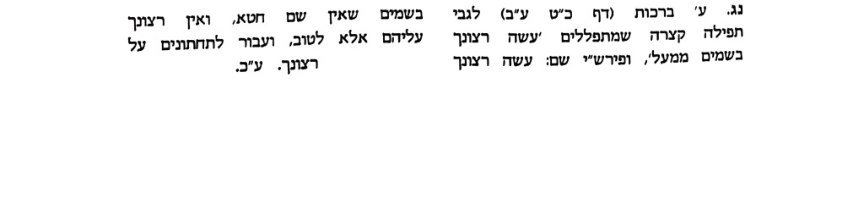
Edition basis: supplied scans, with content-matched Hebrew excerpts from the established ajew.org corpus. Printed source citations are retained separately from corpus locators. These selections do not certify all intervening verses or the complete printed apparatus.