
Teachings
Eating
Sefer Hamidos - The Book of Traits · 24 individual teachings
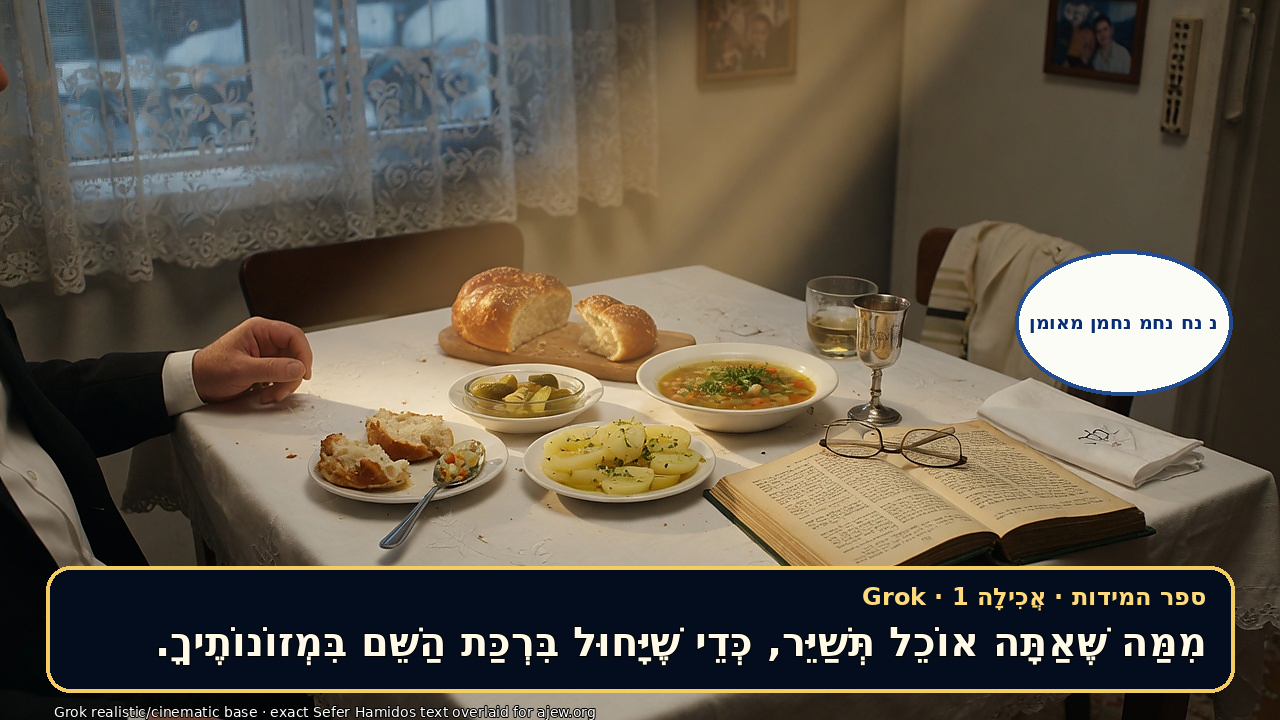
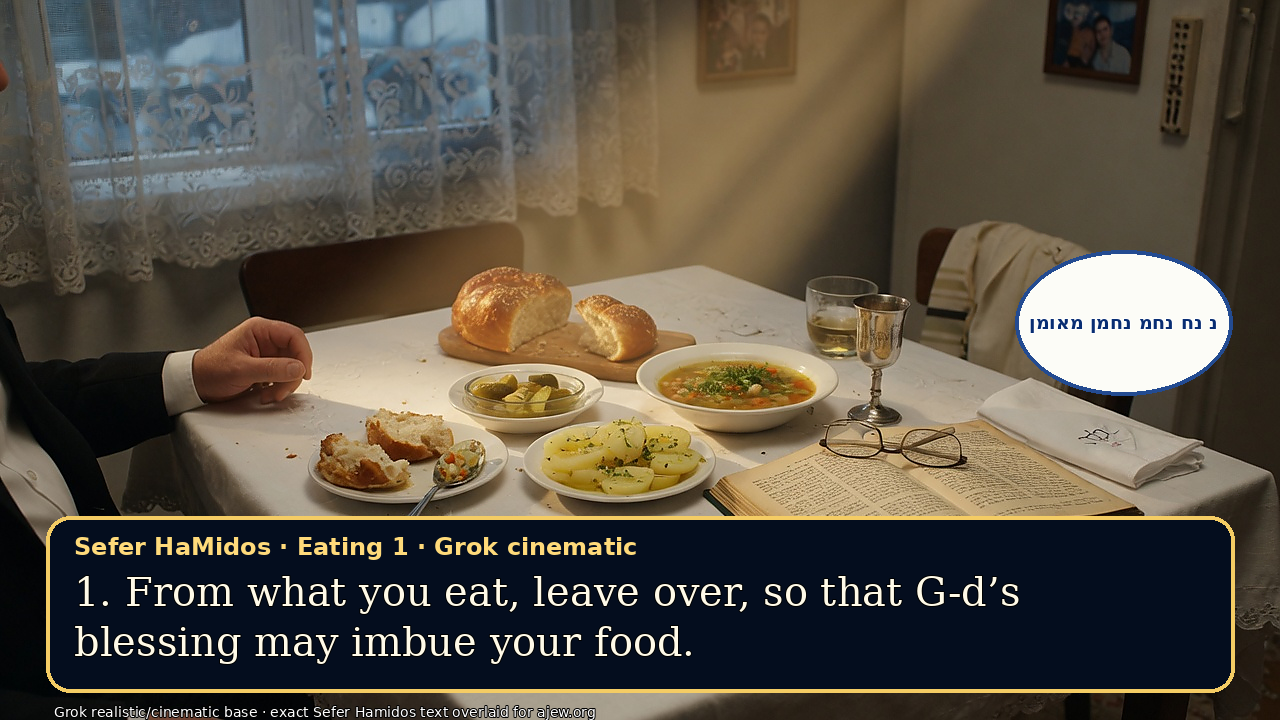
מִמַּה שֶּׁאַתָּה אוֹכֵל תְּשַׁיֵּר, כְּדֵי שֶׁיָּחוּל בִּרְכַּת הַשֵּׁם בִּמְזוֹנוֹתֶיךָ.
1. From what you eat, leave over, so that G-d’s blessing may imbue your food.
📷 Pictures / videos for this teaching
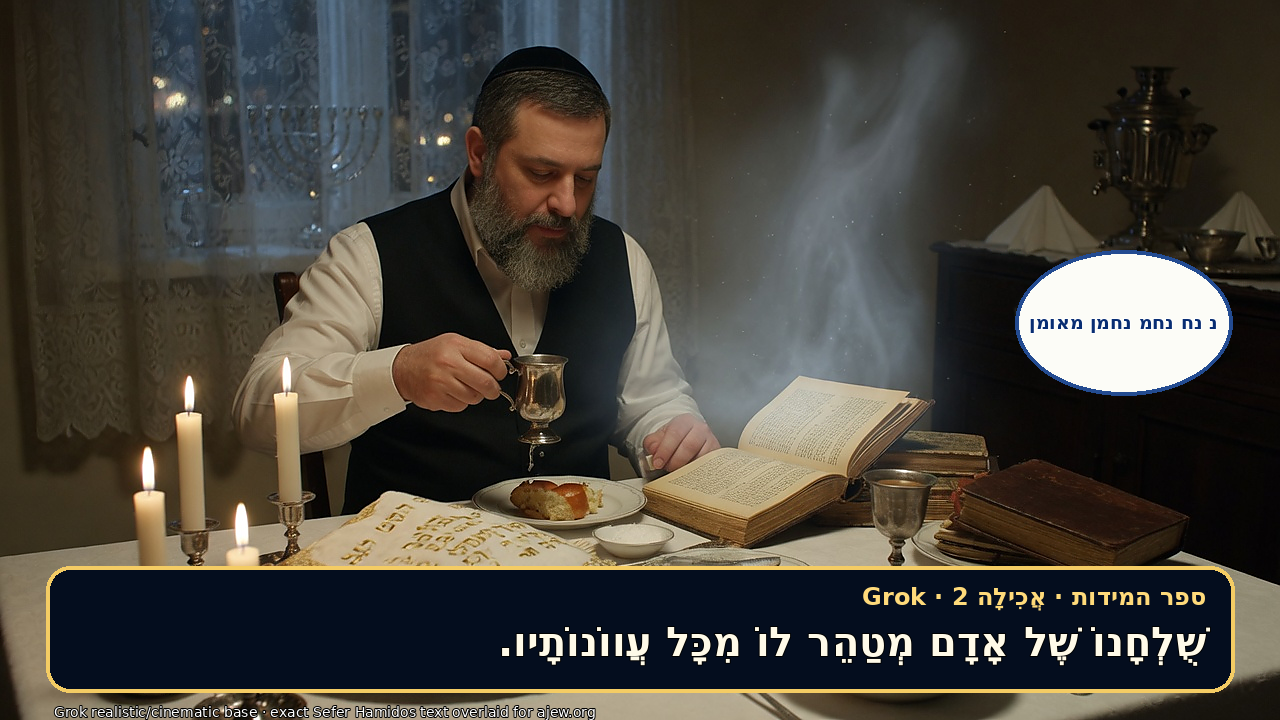
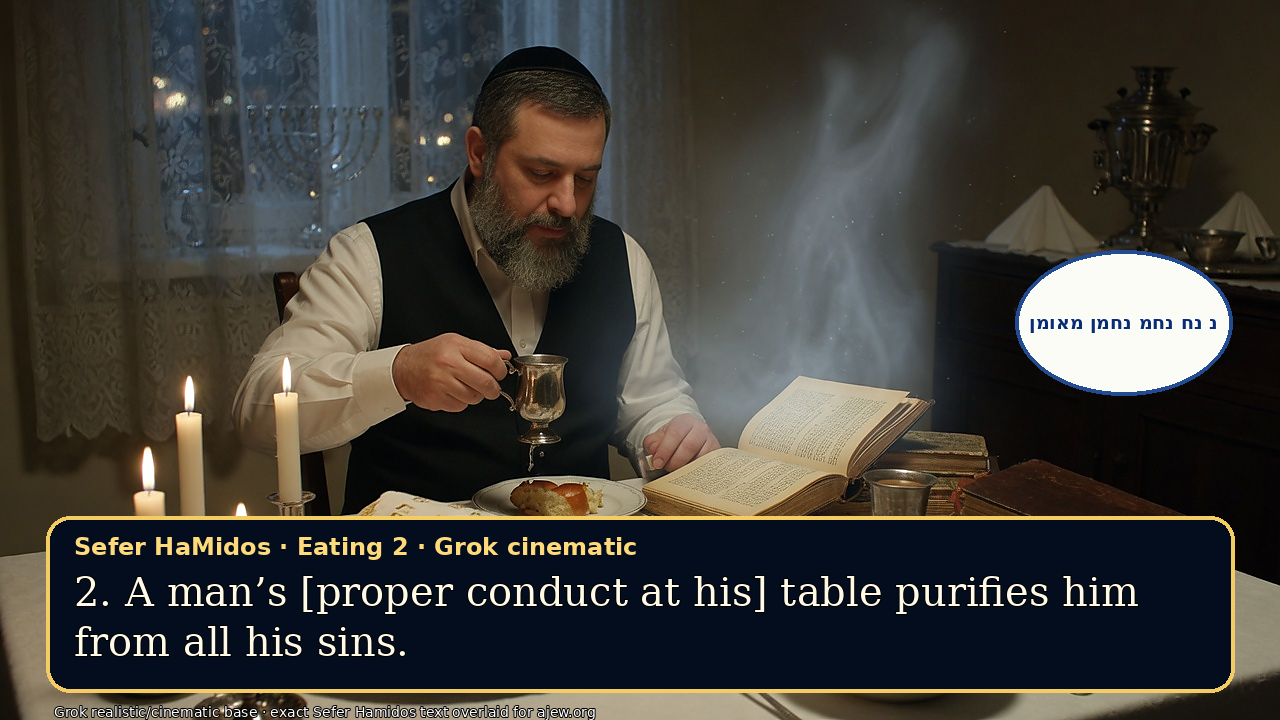
שֻׁלְחָנוֹ שֶׁל אָדָם מְטַהֵר לוֹ מִכָּל עֲווֹנוֹתָיו.
2. A man’s [proper conduct at his] table purifies him from all his sins.
📷 Pictures / videos for this teaching
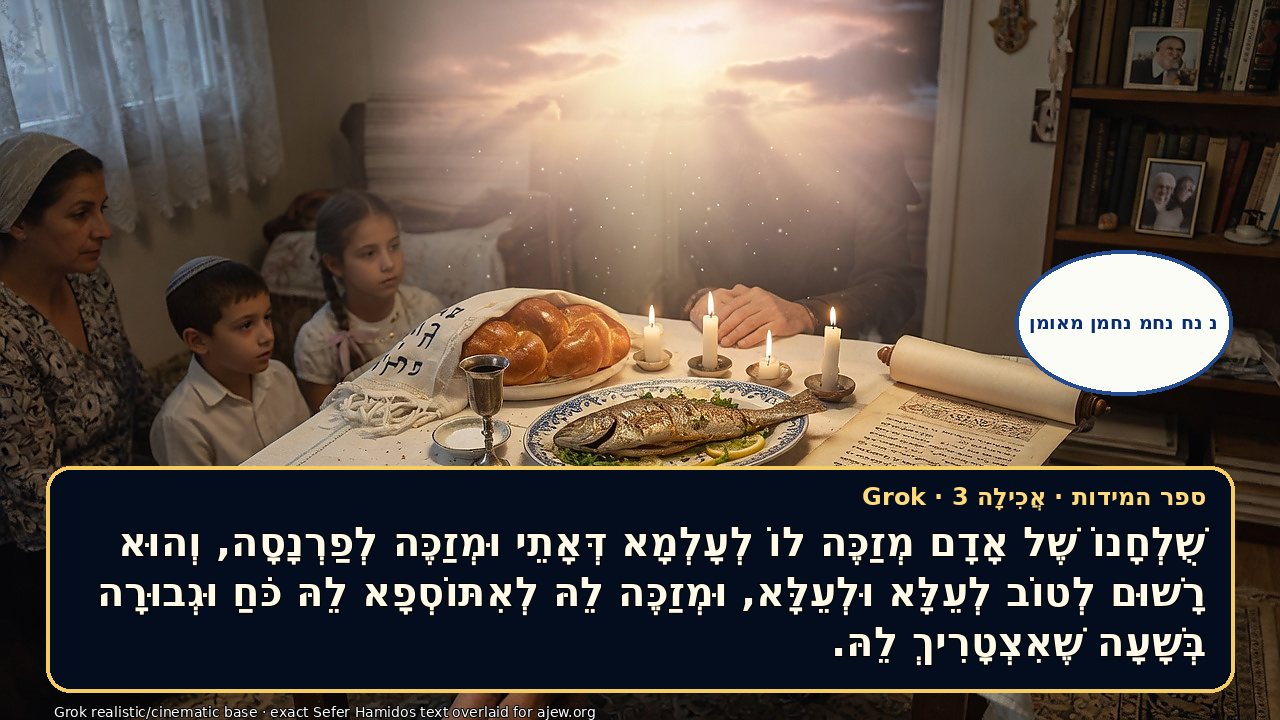
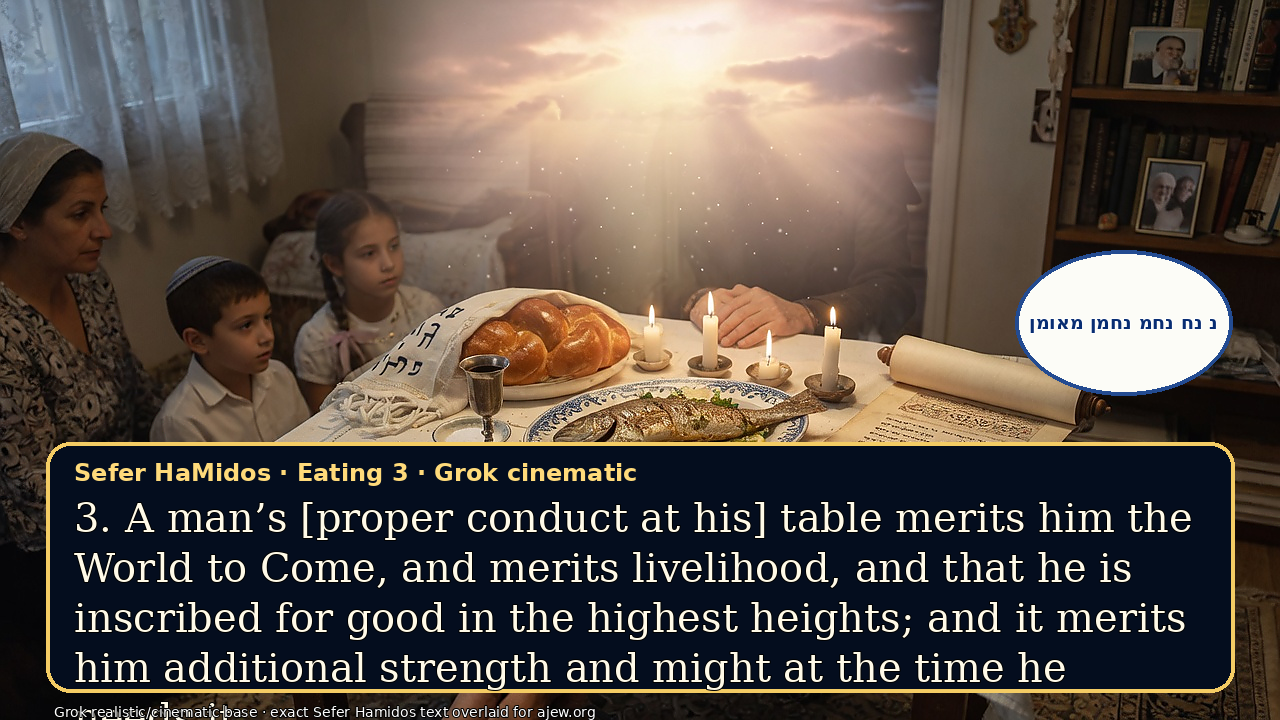
שֻׁלְחָנוֹ שֶׁל אָדָם מְזַכֶּה לוֹ לְעָלְמָא דְּאָתֵי וּמְזַכֶּה לְפַרְנָסָה, וְהוּא רָשׁוּם לְטוֹב לְעֵלָּא וּלְעֵלָּא, וּמְזַכֶּה לֵהּ לְאִתּוֹסְפָא לֵהּ כֹּחַ וּגְבוּרָה בְּשָׁעָה שֶׁאִצְטָרִיךְ לֵהּ.
3. A man’s [proper conduct at his] table merits him the World to Come, and merits livelihood, and that he is inscribed for good in the highest heights; and it merits him additional strength and might at the time he needs it.
📷 Pictures / videos for this teaching
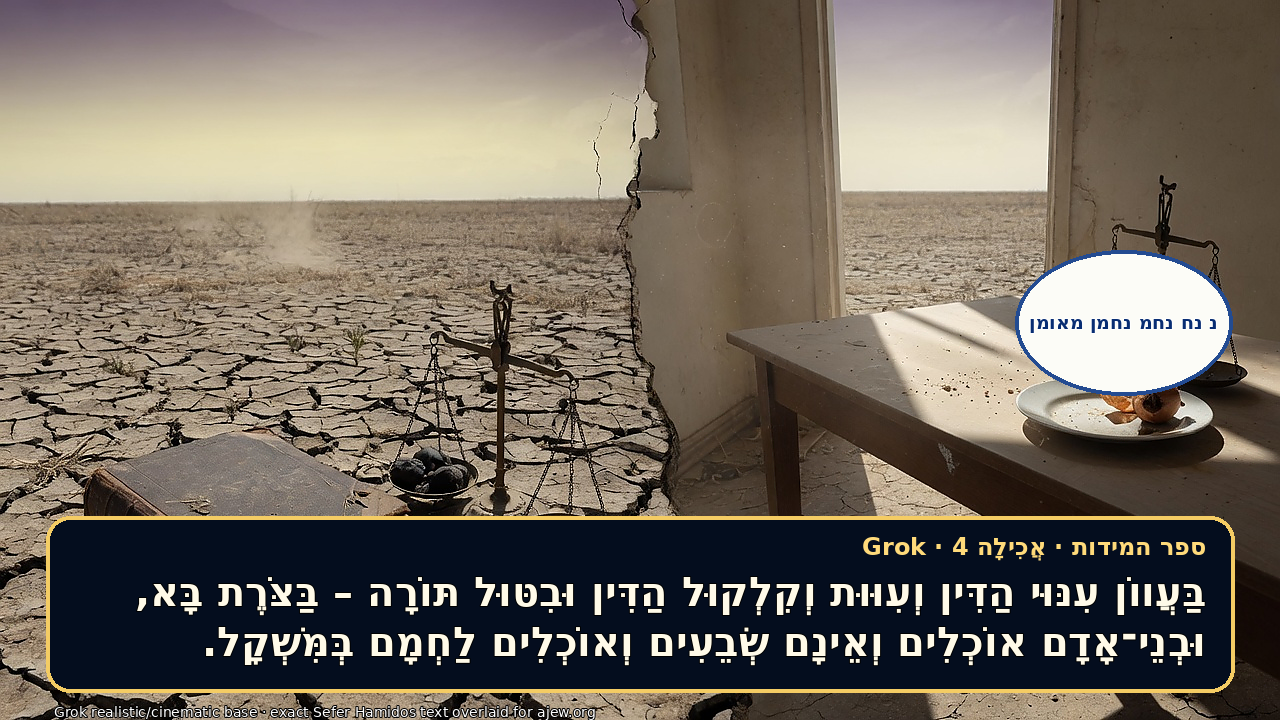
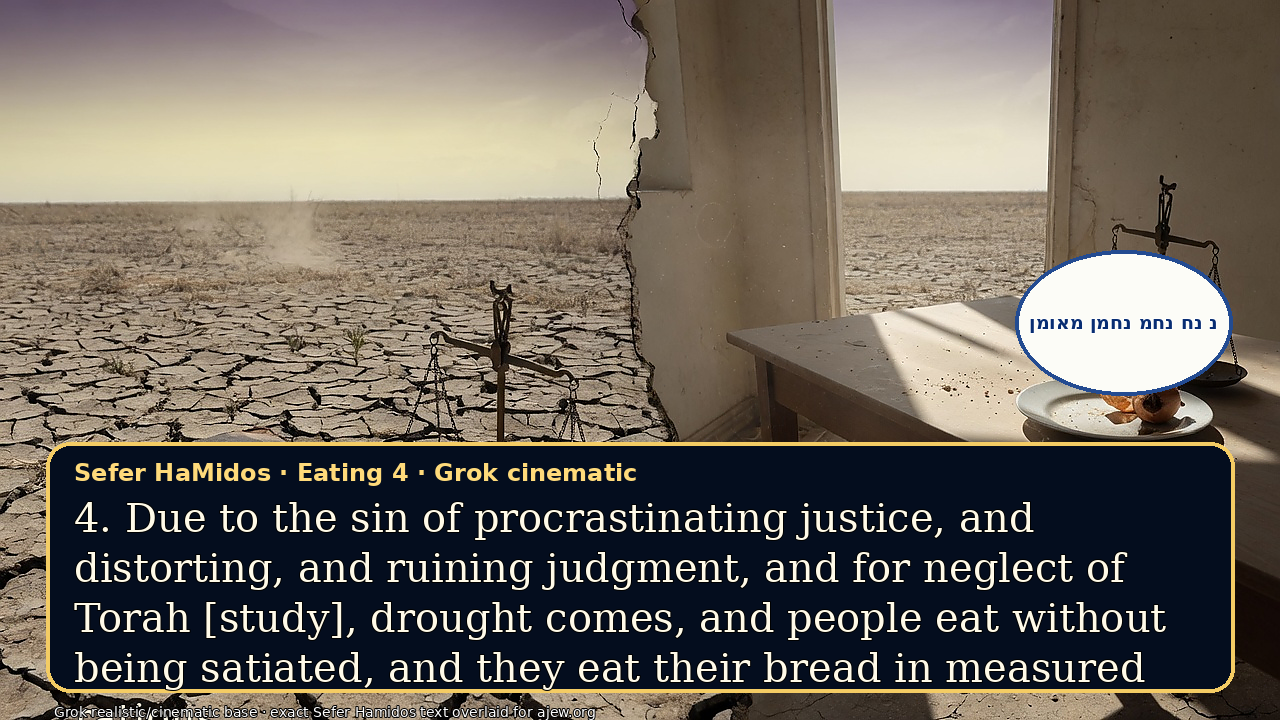
בַּעֲווֹן עִנּוּי הַדִּין וְעִוּוּת וְקִלְקוּל הַדִּין וּבִטּוּל תּוֹרָה – בַּצֹּרֶת בָּא, וּבְנֵי־אָדָם אוֹכְלִים וְאֵינָם שְׂבֵעִים וְאוֹכְלִים לַחְמָם בְּמִּשְׁקָל.
4. Due to the sin of procrastinating justice, and distorting, and ruining judgment, and for neglect of Torah [study], drought comes, and people eat without being satiated, and they eat their bread in measured rations.
📷 Pictures / videos for this teaching
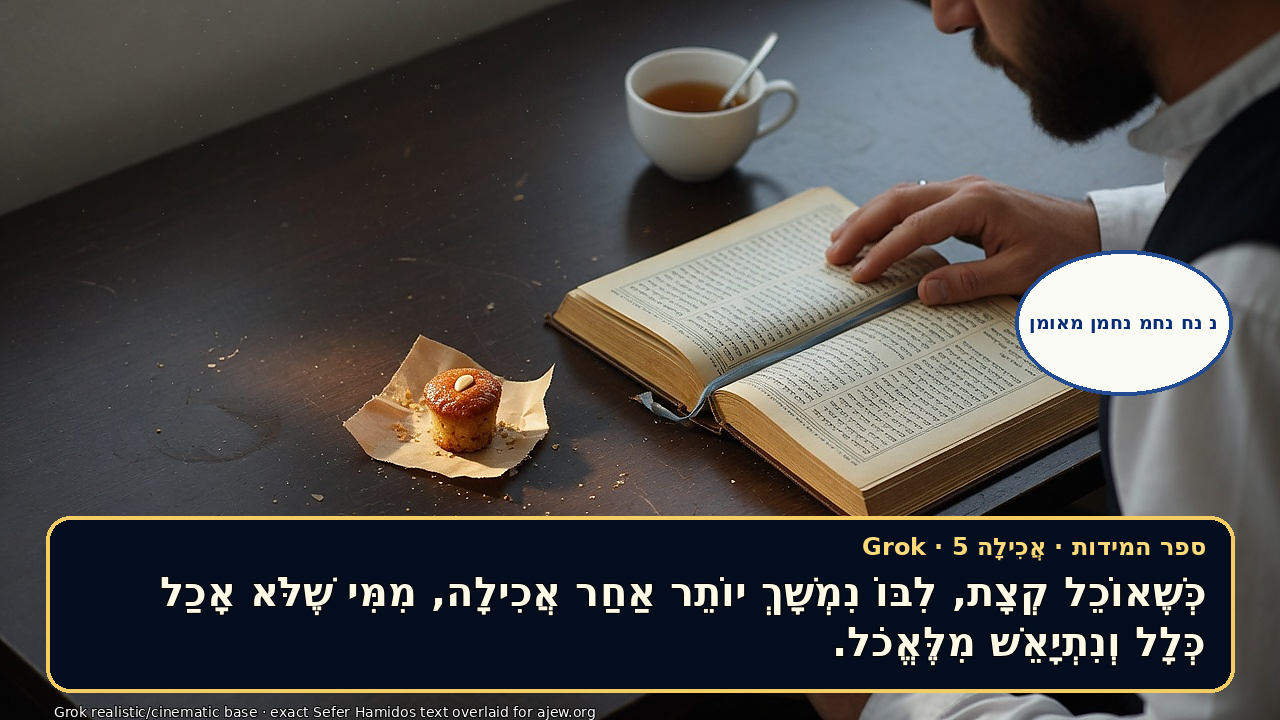
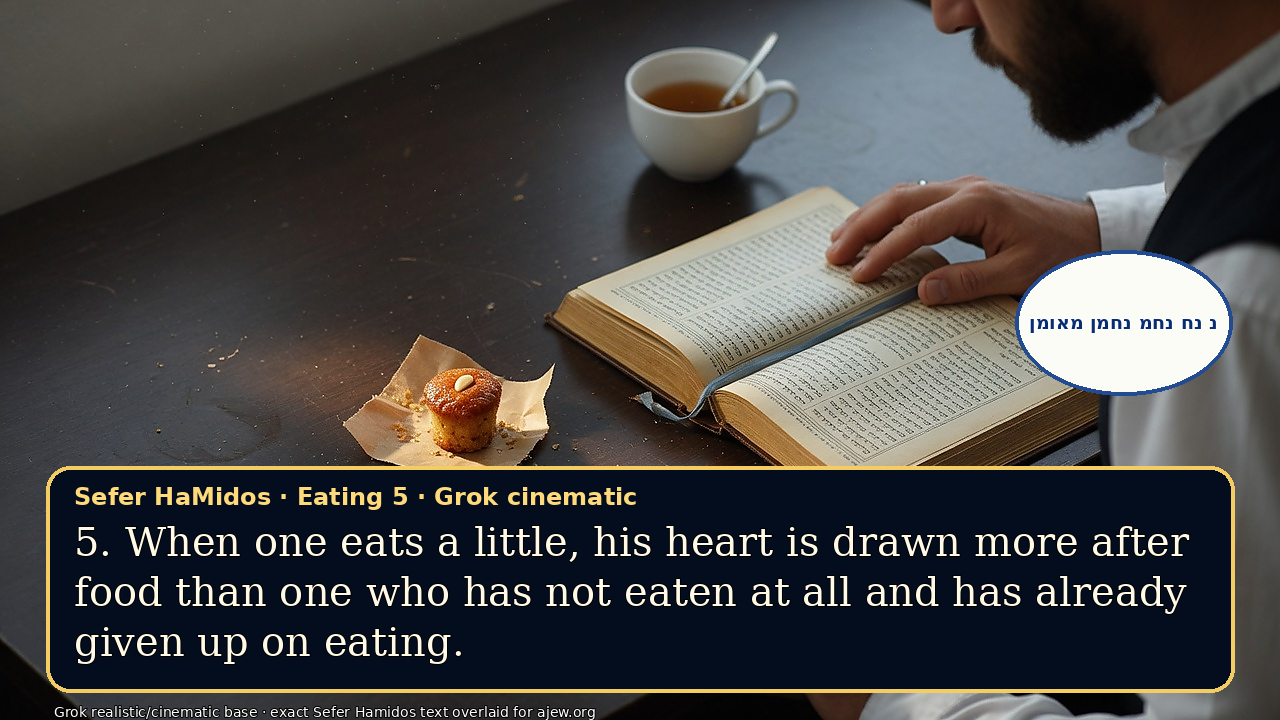
כְּשֶׁאוֹכֵל קְצָת, לִבּוֹ נִמְשָׁךְ יוֹתֵר אַחַר אֲכִילָה, מִמִּי שֶׁלֹּא אָכַל כְּלָל וְנִתְיָאֵשׁ מִלֶּאֱכֹל.
5. When one eats a little, his heart is drawn more after food than one who has not eaten at all and has already given up on eating.
📷 Pictures / videos for this teaching
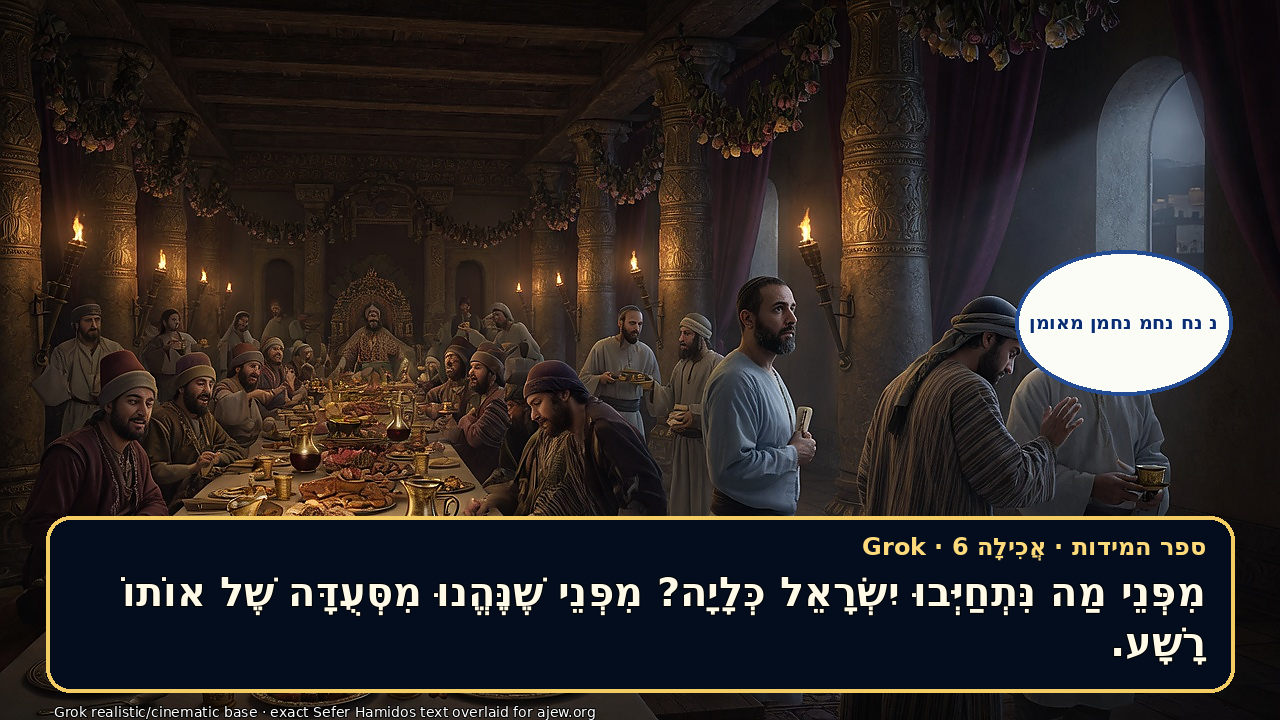
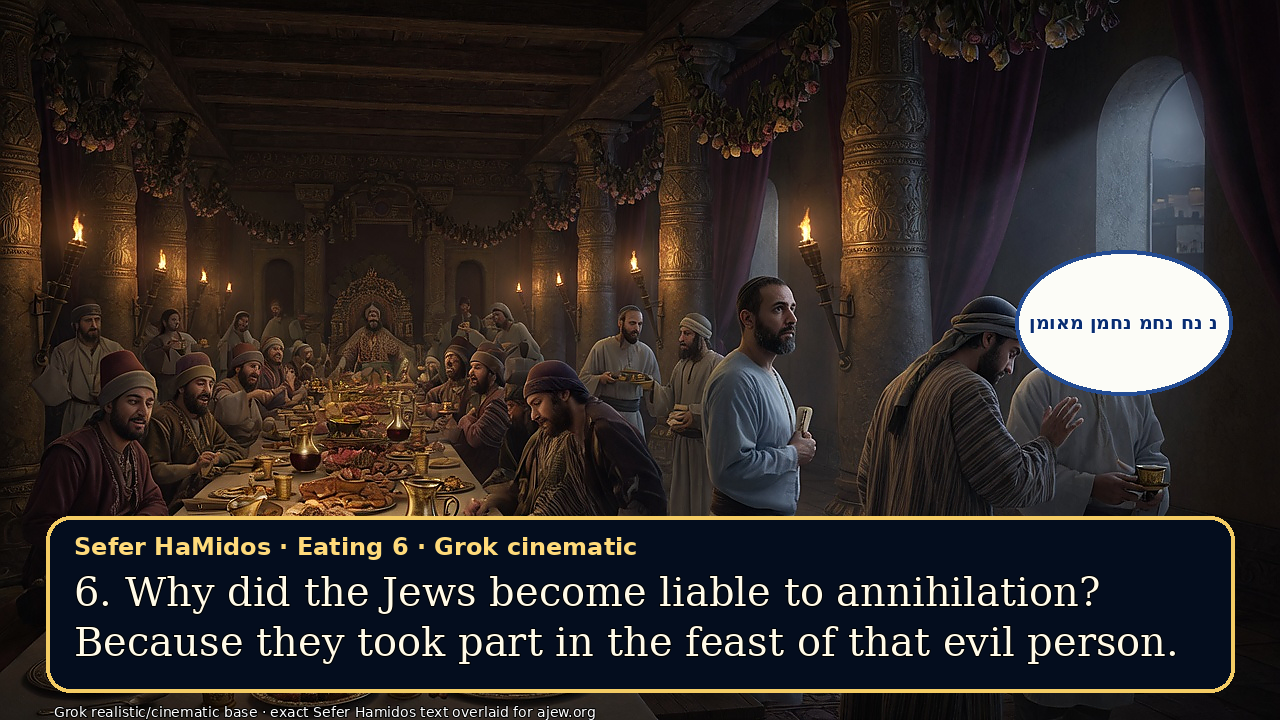
מִפְּנֵי מַה נִּתְחַיְּבוּ יִשְׂרָאֵל כְּלָיָה? מִפְּנֵי שֶׁנֶּהֱנוּ מִסְּעֻדָּה שֶׁל אוֹתוֹ רָשָׁע.
6. Why did the Jews become liable to annihilation? Because they took part in the feast of that evil person.
📷 Pictures / videos for this teaching
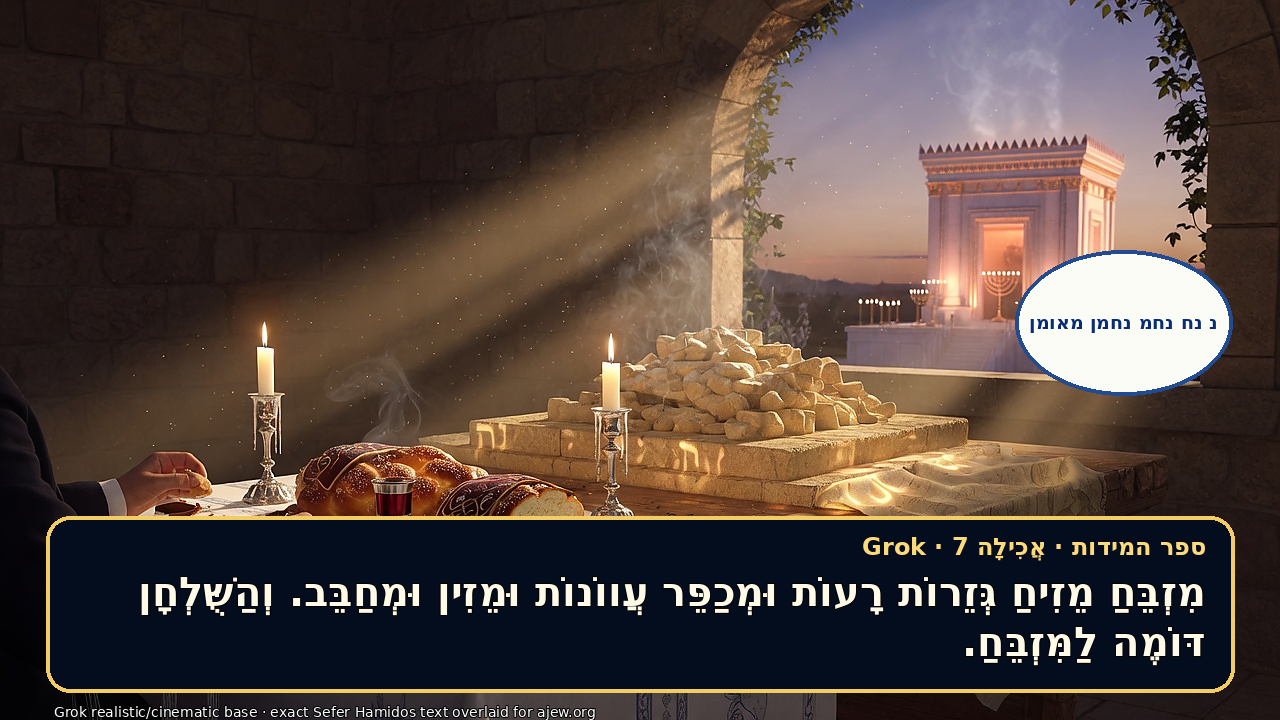
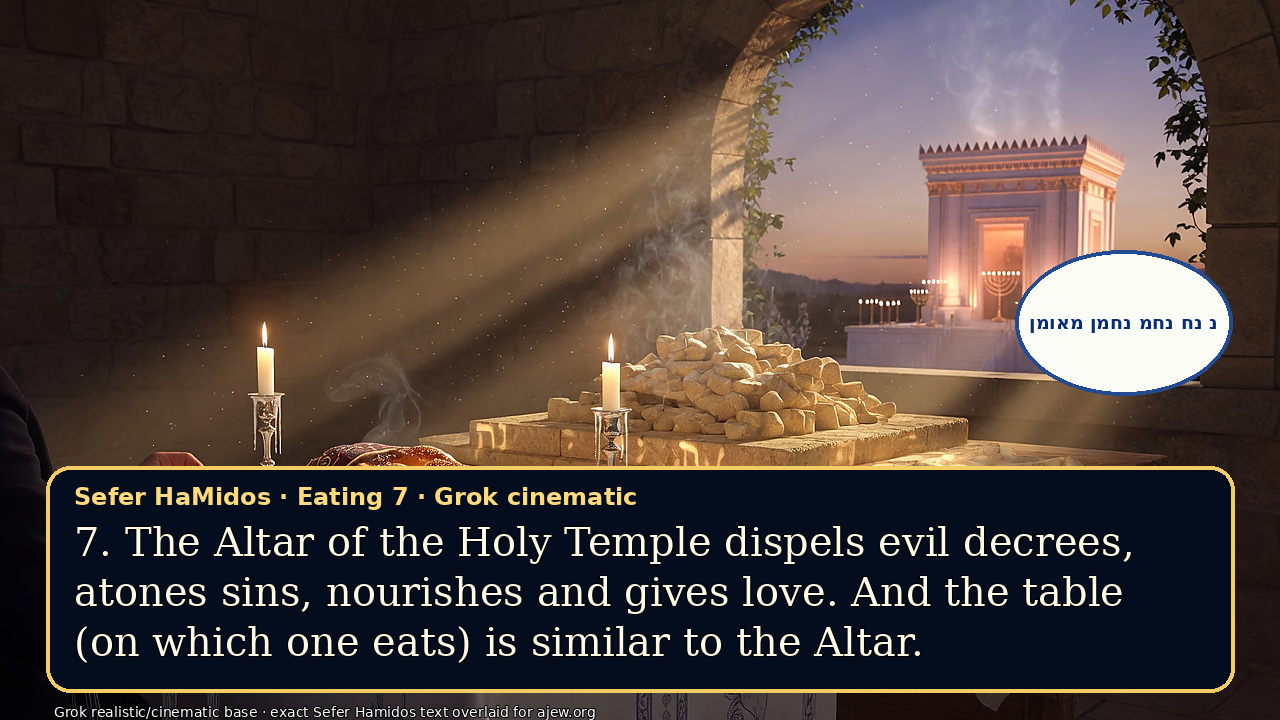
מִזְבֵּחַ מֵזִיחַ גְּזֵרוֹת רָעוֹת וּמְכַפֵּר עֲווֹנוֹת וּמֵזִין וּמְחַבֵּב. וְהַשֻּׁלְחָן דּוֹמֶה לַמִּזְבֵּחַ.
7. The Altar of the Holy Temple dispels evil decrees, atones sins, nourishes and gives love. And the table (on which one eats) is similar to the Altar.
📷 Pictures / videos for this teaching
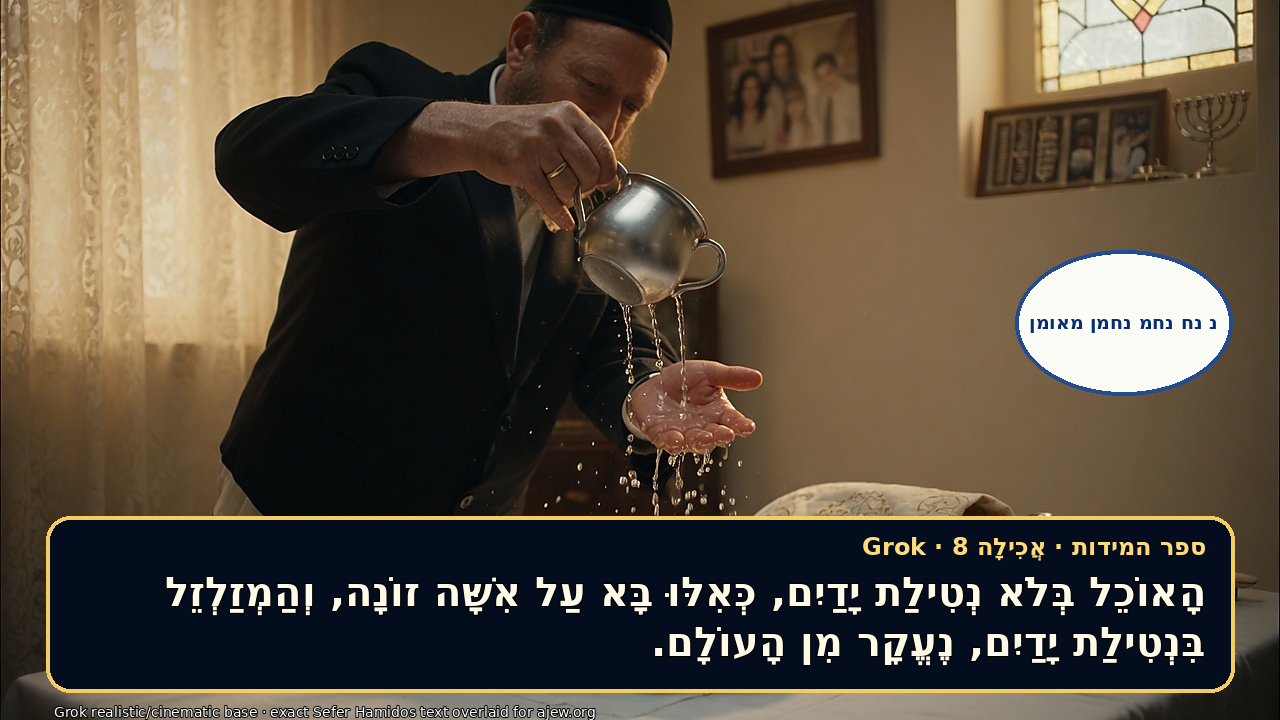
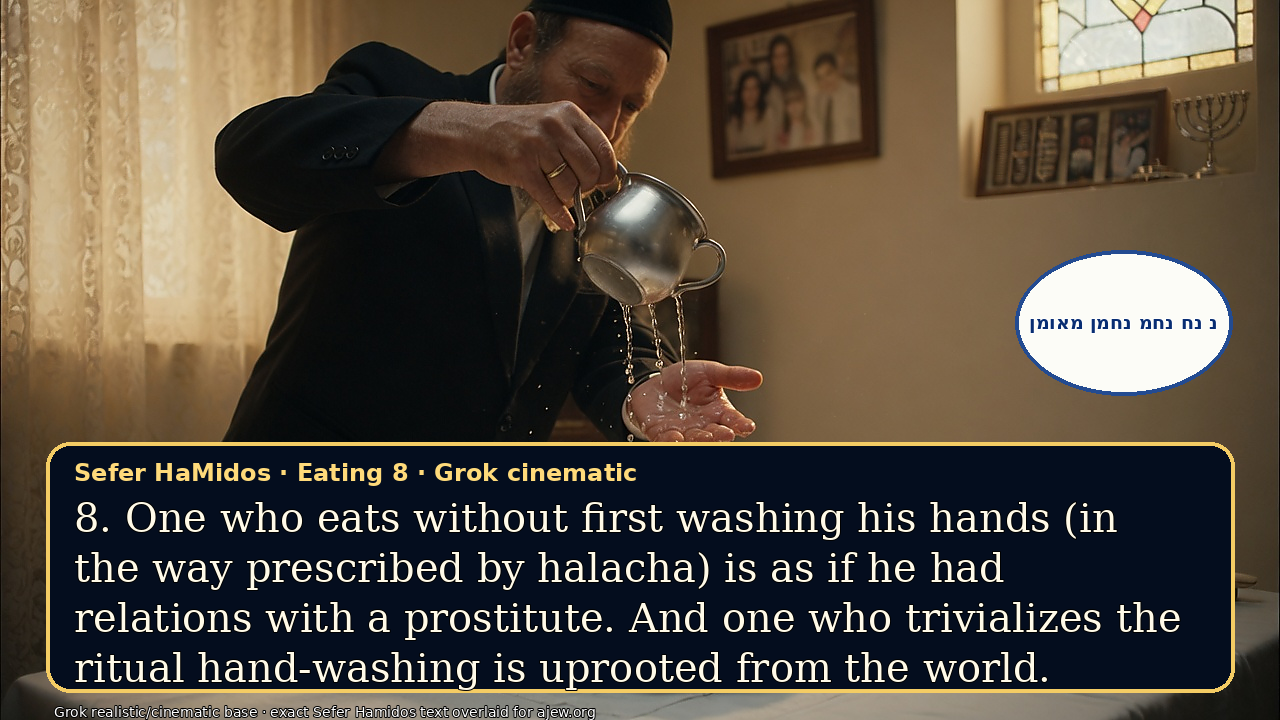
הָאוֹכֵל בְּלֹא נְטִילַת יָדַיִם, כְּאִלּוּ בָּא עַל אִשָּׁה זוֹנָה, וְהַמְזַלְזֵל בִּנְטִילַת יָדַיִם, נֶעֱקָר מִן הָעוֹלָם.
8. One who eats without first washing his hands (in the way prescribed by halacha) is as if he had relations with a prostitute. And one who trivializes the ritual hand-washing is uprooted from the world.
📷 Pictures / videos for this teaching
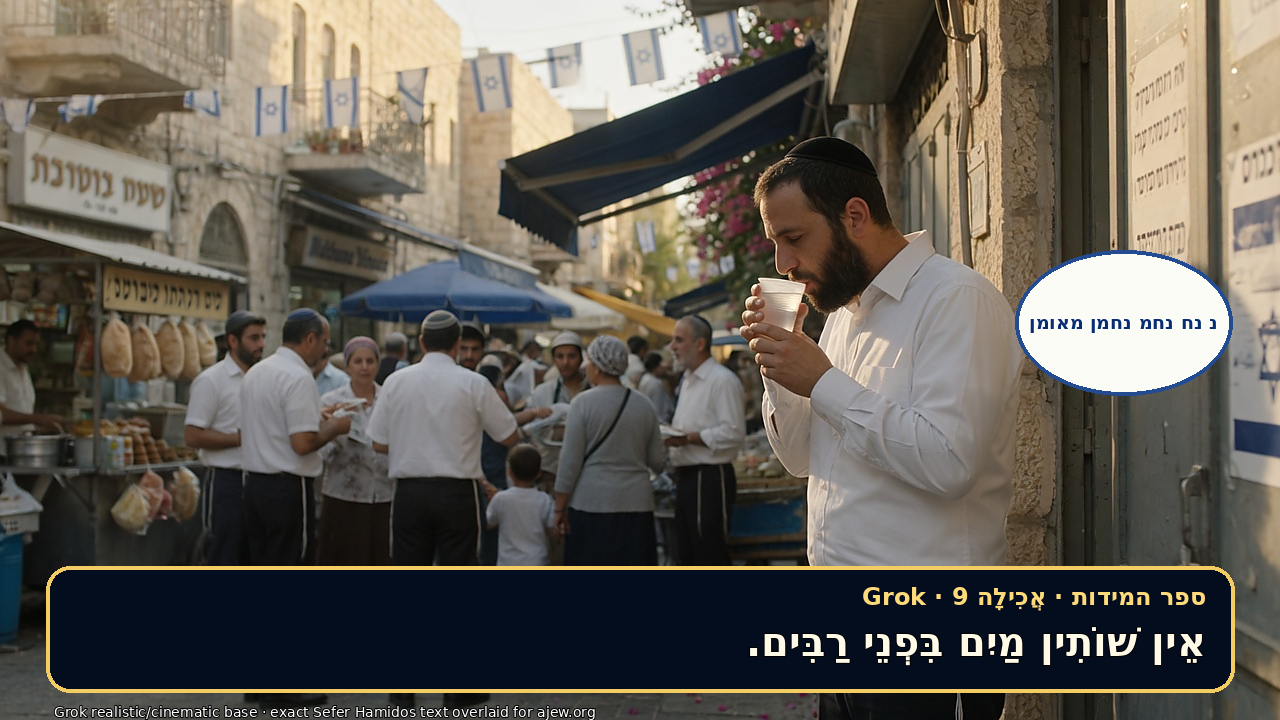
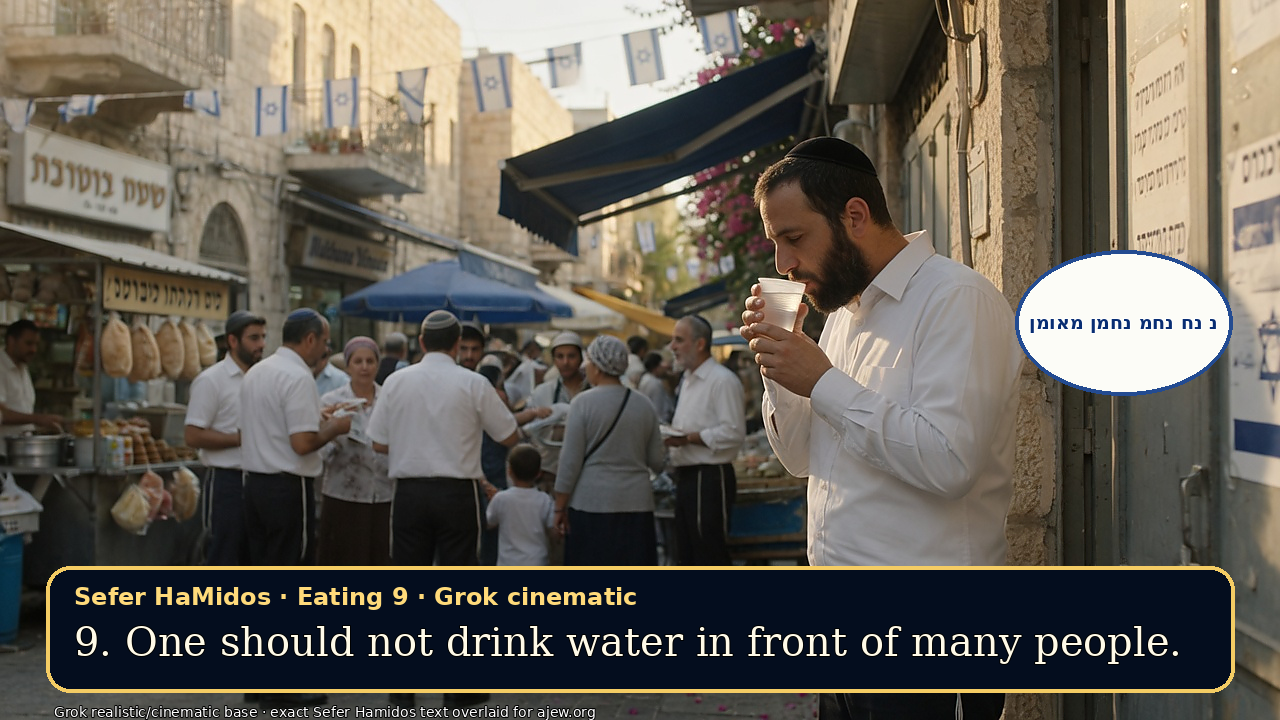
אֵין שׁוֹתִין מַיִם בִּפְנֵי רַבִּים.
9. One should not drink water in front of many people.
📷 Pictures / videos for this teaching
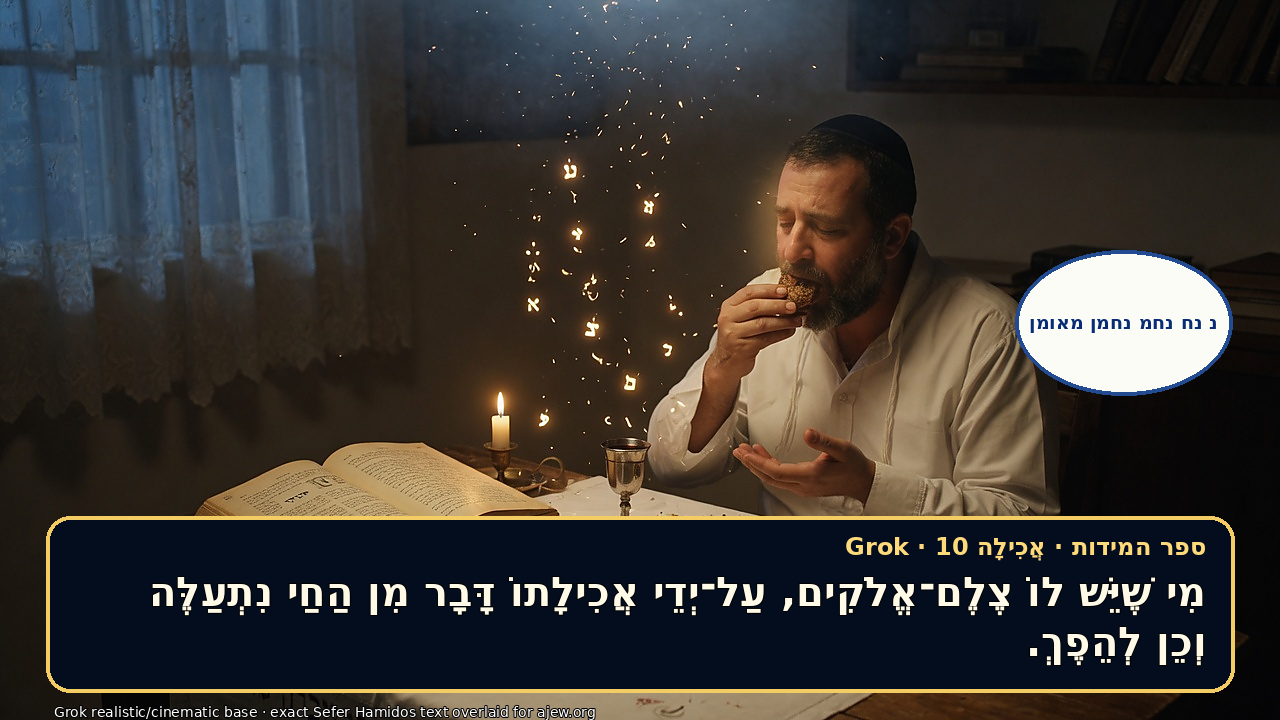
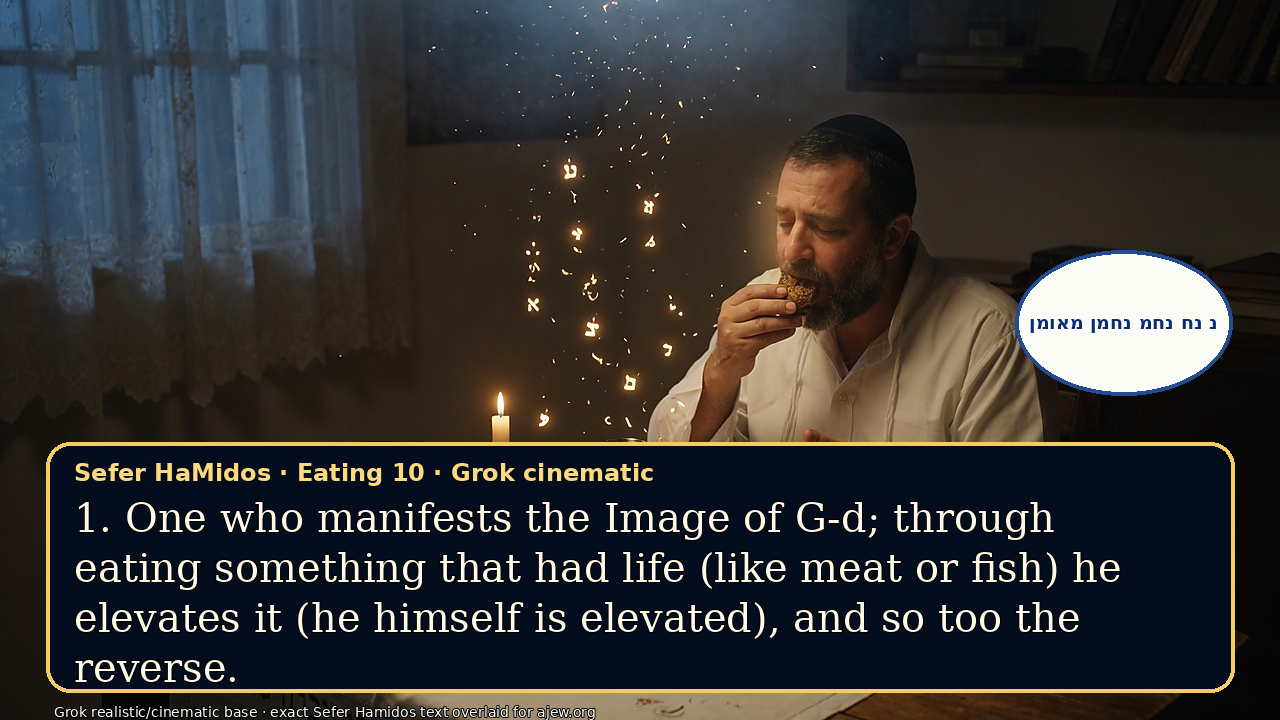
מִי שֶׁיֵּשׁ לוֹ צֶלֶם־אֱלֹקִים, עַל־יְדֵי אֲכִילָתוֹ דָּבָר מִן הַחַי נִתְעַלֶּה וְכֵן לְהֵפֶךְ.
1. One who manifests the Image of G-d; through eating something that had life (like meat or fish) he elevates it (he himself is elevated), and so too the reverse.
📷 Pictures / videos for this teaching
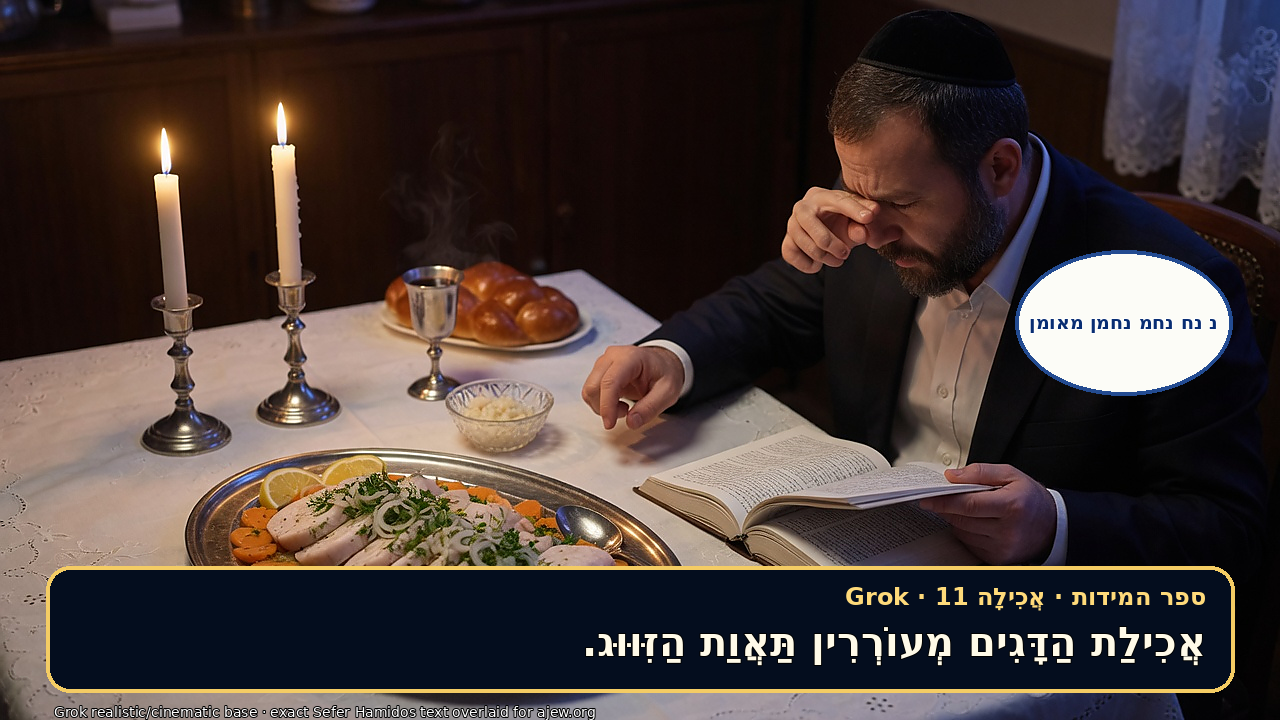
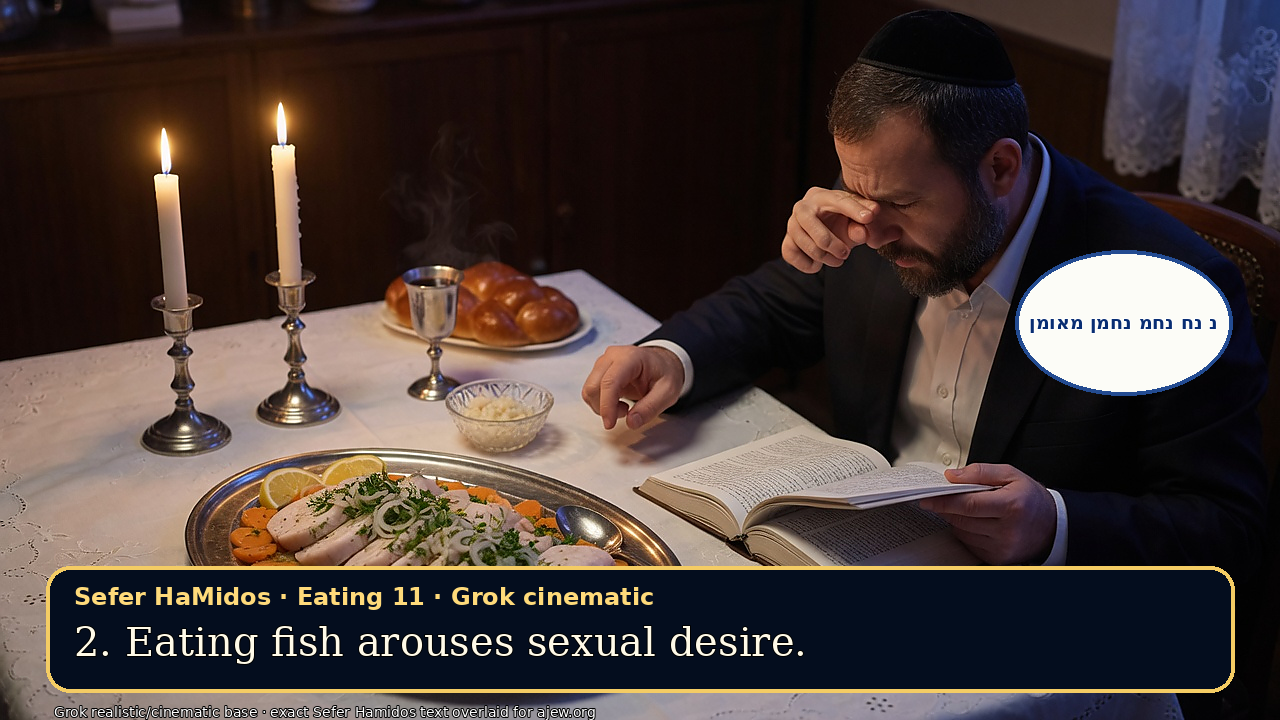
אֲכִילַת הַדָּגִים מְעוֹרְרִין תַּאֲוַת הַזִּוּוּג.
2. Eating fish arouses sexual desire.
📷 Pictures / videos for this teaching
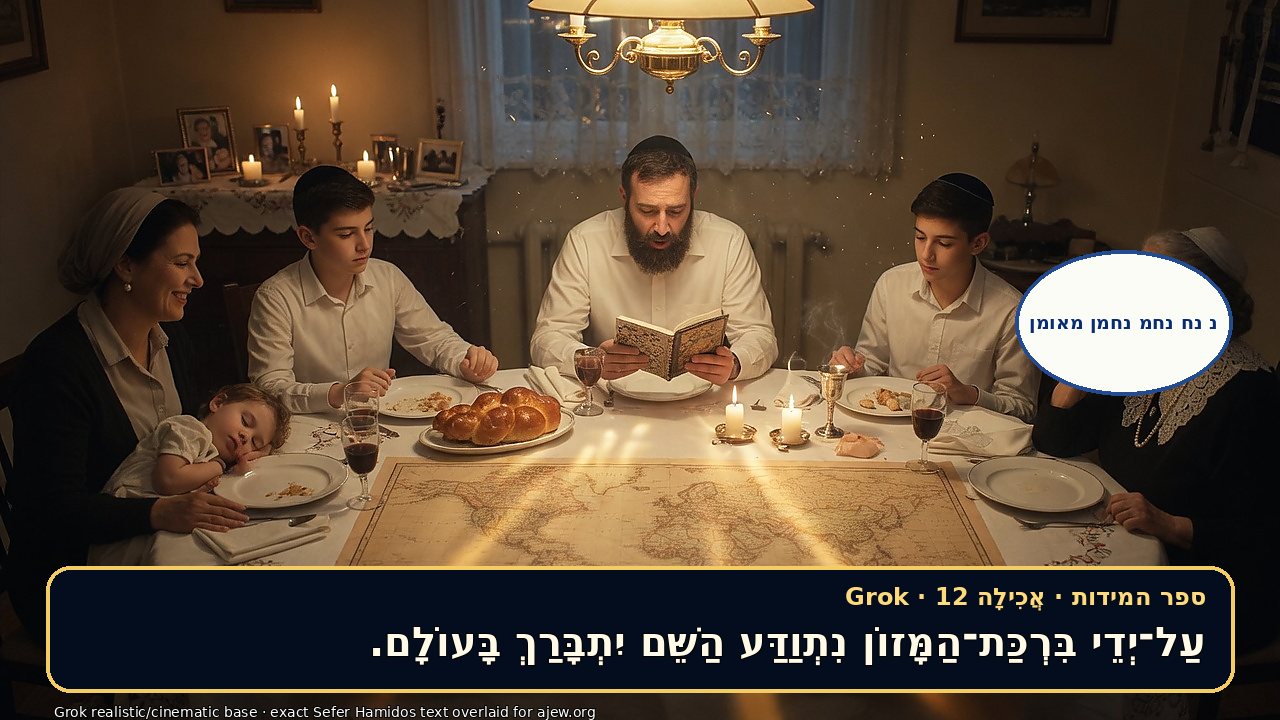
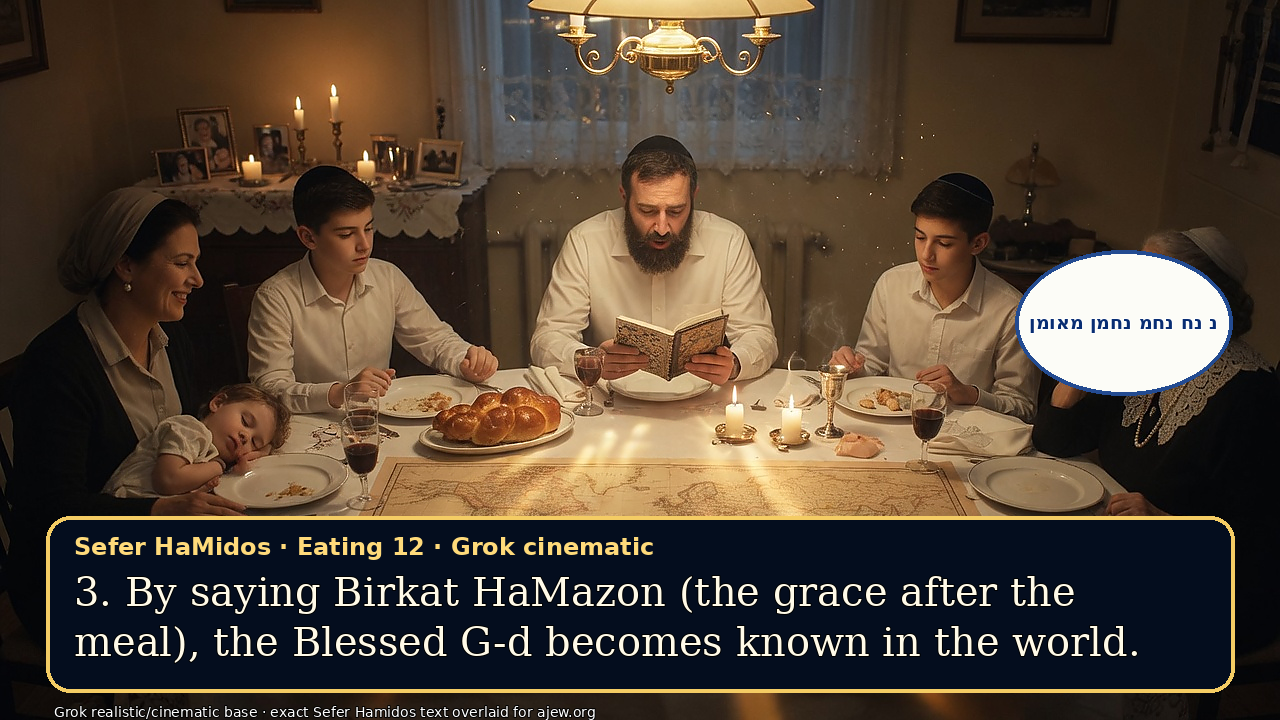
עַל־יְדֵי בִּרְכַּת־הַמָּזוֹן נִתְוַדַּע הַשֵּׁם יִתְבָּרַךְ בָּעוֹלָם.
3. By saying Birkat HaMazon (the grace after the meal), the Blessed G-d becomes known in the world.
📷 Pictures / videos for this teaching
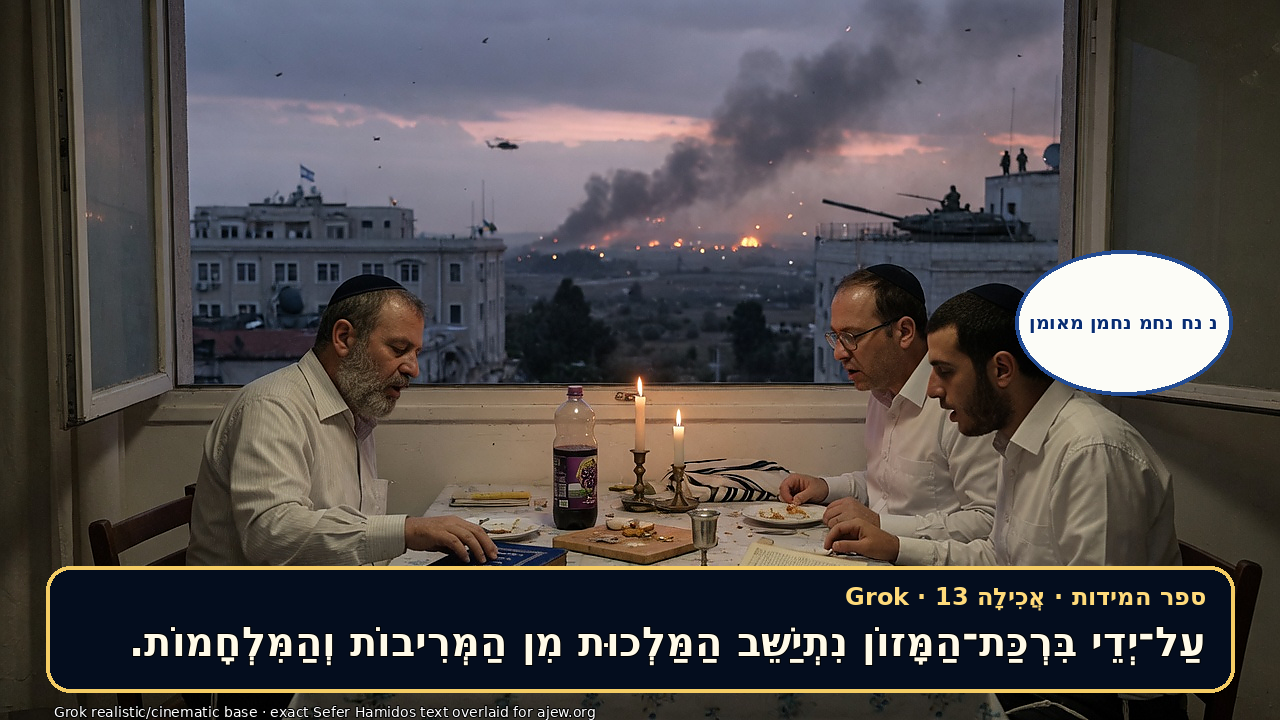
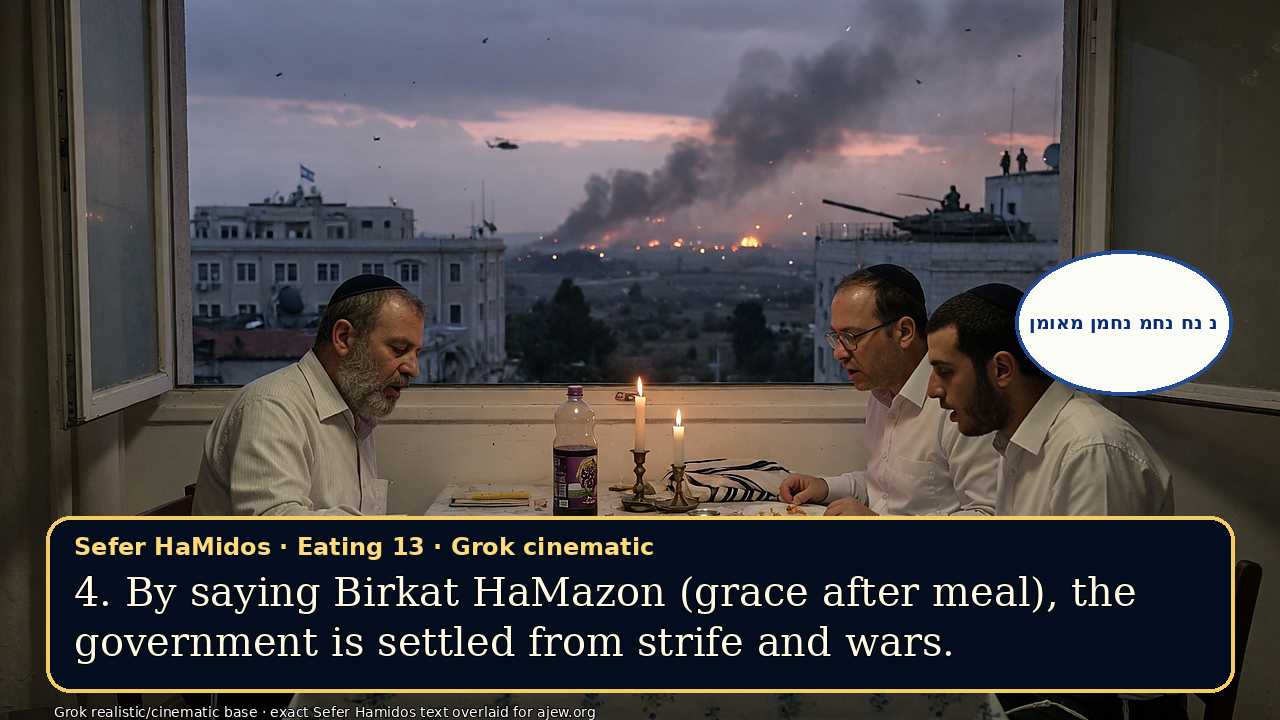
עַל־יְדֵי בִּרְכַּת־הַמָּזוֹן נִתְיַשֵּׁב הַמַּלְכוּת מִן הַמְּרִיבוֹת וְהַמִּלְחָמוֹת.
4. By saying Birkat HaMazon (grace after meal), the government is settled from strife and wars.
📷 Pictures / videos for this teaching
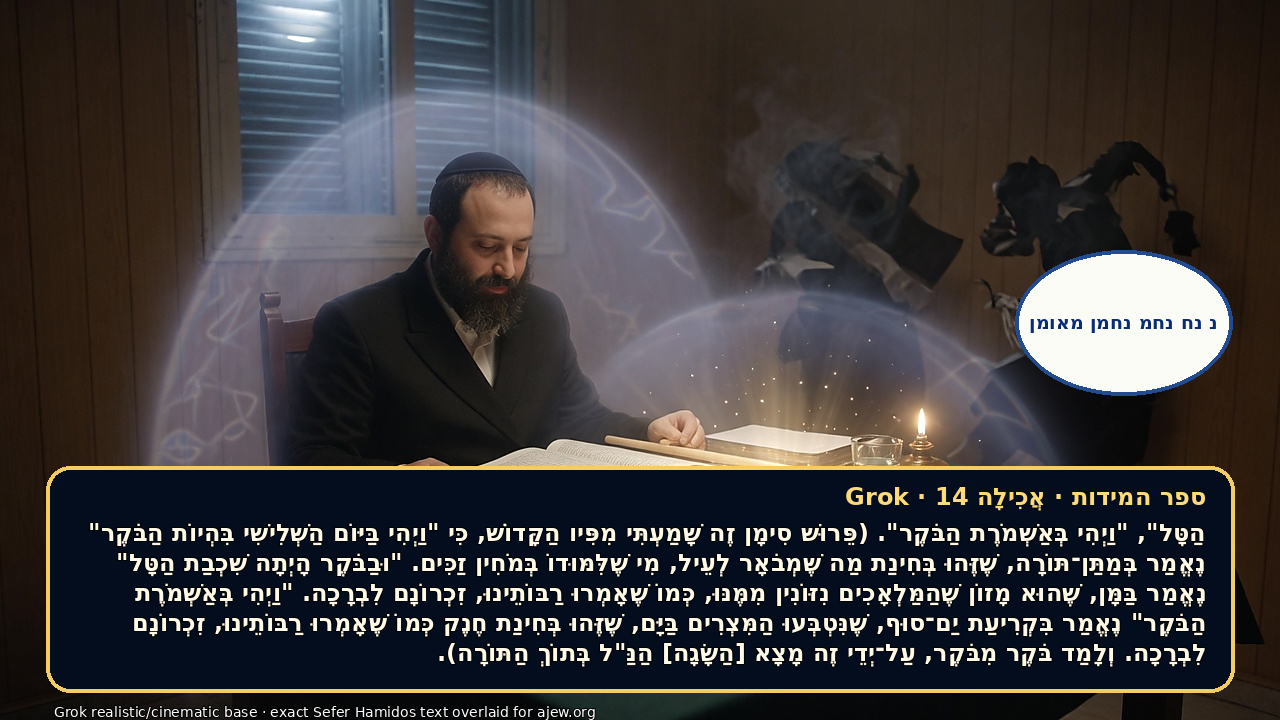
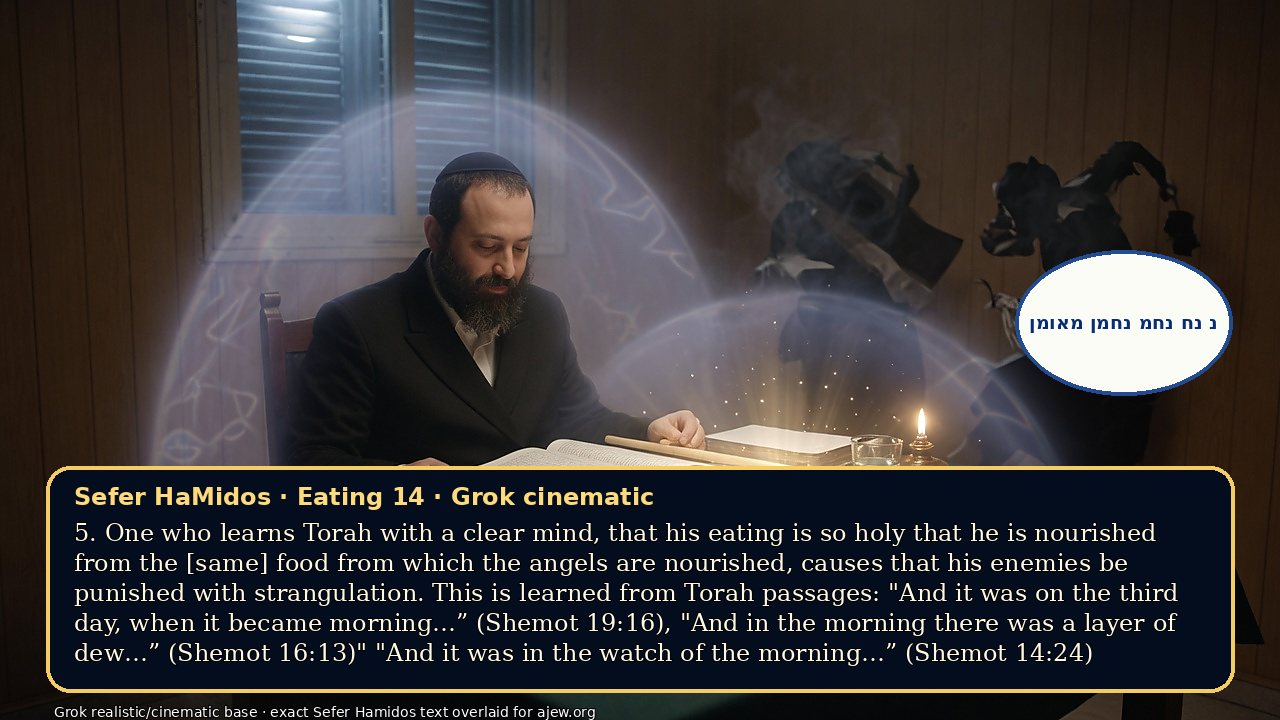
הַטָּל", "וַיְהִי בְּאַשְׁמֹרֶת הַבֹּקֶר". (פֵּרוּשׁ סִימָן זֶה שָׁמַעְתִּי מִפִּיו הַקָּדוֹשׁ, כִּי "וַיְהִי בַּיּוֹם הַשְּׁלִישִׁי בִּהְיוֹת הַבֹּקֶר" נֶאֱמַר בְּמַתַּן־תּוֹרָה, שֶׁזֶּהוּ בְּחִינַת מַה שֶּׁמְבֹאָר לְעֵיל, מִי שֶׁלִּמּוּדוֹ בְּמֹחִין זַכִּים. "וּבַבֹּקֶר הָיְתָה שִׁכְבַת הַטָּל" נֶאֱמַר בַּמָּן, שֶׁהוּא מָזוֹן שֶׁהַמַּלְאָכִים נִזּוֹנִין מִמֶּנּוּ, כְּמוֹ שֶׁאָמְרוּ רַבּוֹתֵינוּ, זִכְרוֹנָם לִבְרָכָה. "וַיְהִי בְּאַשְׁמֹרֶת הַבֹּקֶר" נֶאֱמַר בִּקְרִיעַת יַם־סוּף, שֶׁנִּטְבְּעוּ הַמִּצְרִים בַּיָּם, שֶׁזֶּהוּ בְּחִינַת חֶנֶק כְּמוֹ שֶׁאָמְרוּ רַבּוֹתֵינוּ, זִכְרוֹנָם לִבְרָכָה. וְלָמַד בֹּקֶר מִבֹּקֶר, עַל־יְדֵי זֶה מָצָא [הַשָׂגָה] הַנַּ"ל בְּתוֹךְ הַתּוֹרָה).
5. One who learns Torah with a clear mind, that his eating is so holy that he is nourished from the [same] food from which the angels are nourished, causes that his enemies be punished with strangulation. This is learned from Torah passages: "And it was on the third day, when it became morning…” (Shemot 19:16), "And in the morning there was a layer of dew…” (Shemot 16:13)" "And it was in the watch of the morning…” (Shemot 14:24)
📷 Pictures / videos for this teaching
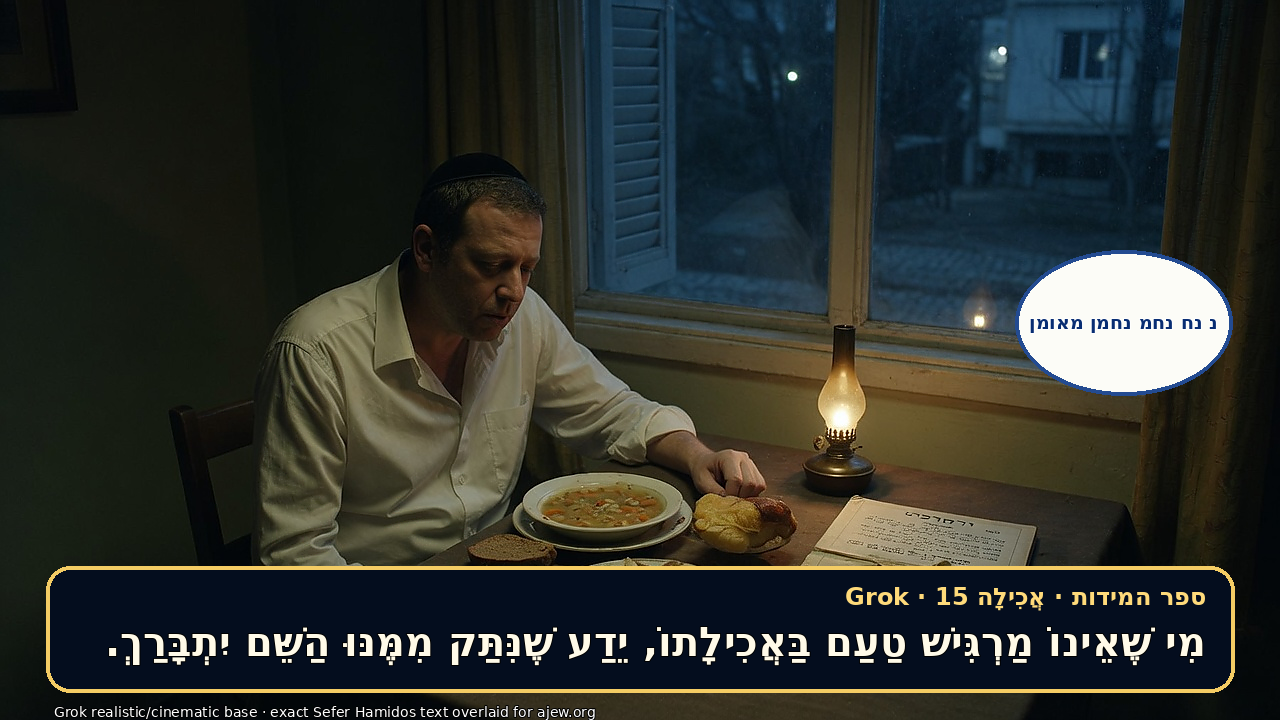
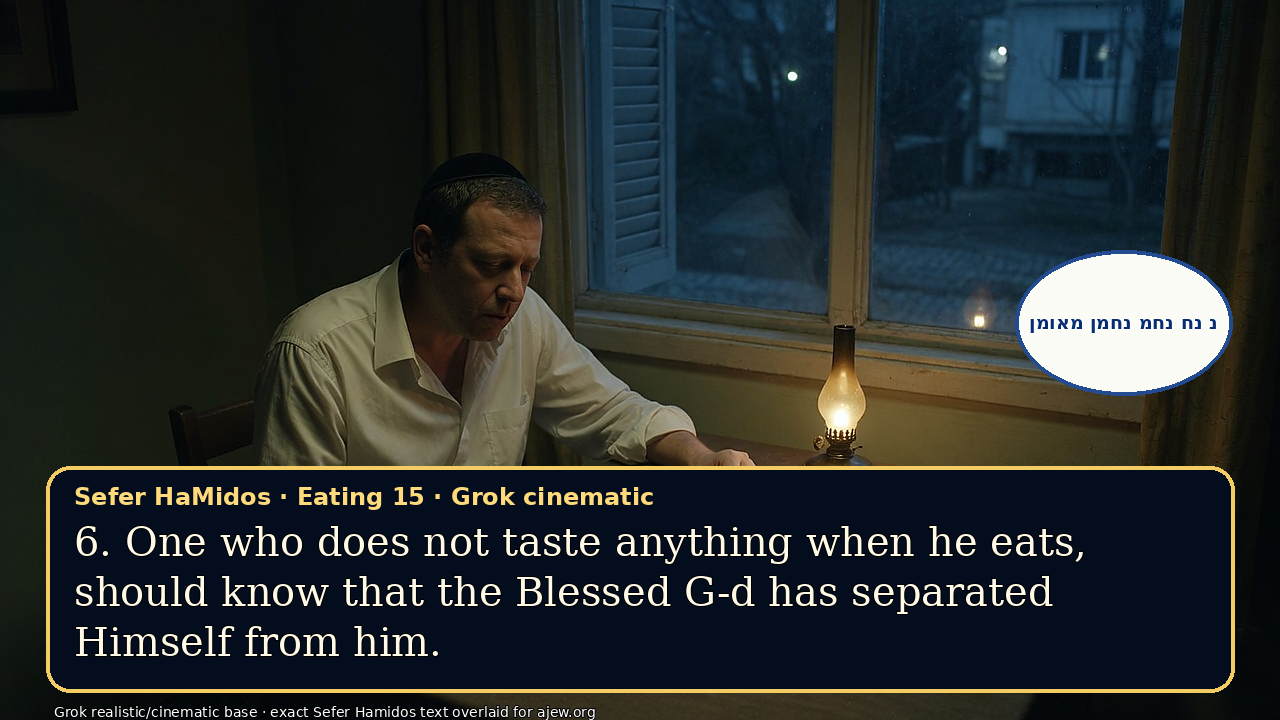
מִי שֶׁאֵינוֹ מַרְגִּישׁ טַעַם בַּאֲכִילָתוֹ, יֵדַע שֶׁנִּתַּק מִמֶּנּוּ הַשֵּׁם יִתְבָּרַךְ.
6. One who does not taste anything when he eats, should know that the Blessed G-d has separated Himself from him.
📷 Pictures / videos for this teaching
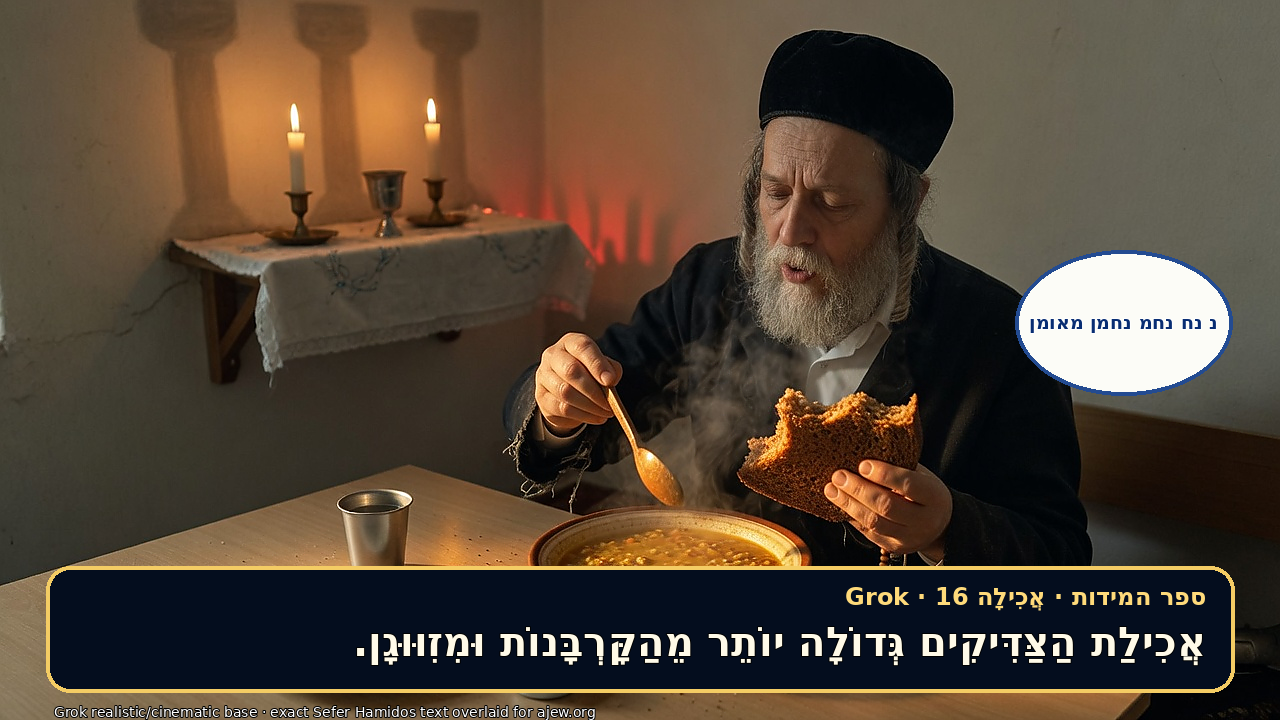
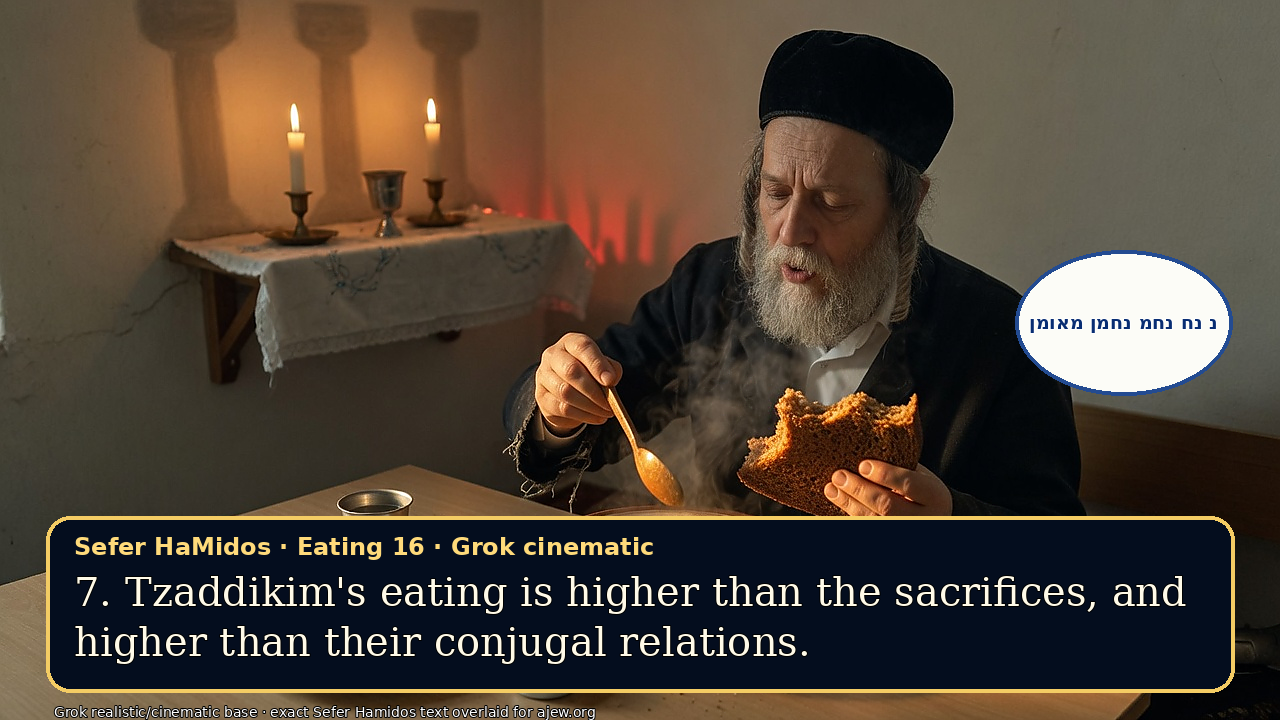
אֲכִילַת הַצַּדִּיקִים גְּדוֹלָה יוֹתֵר מֵהַקָּרְבָּנוֹת וּמִזִוּוּגָן.
7. Tzaddikim's eating is higher than the sacrifices, and higher than their conjugal relations.
📷 Pictures / videos for this teaching
הַדָּגִים שְׁמֵנִים בִּזְכוּת הַקָּרְבָּנוֹת.
8. The fish are fat in the merit of the sacrifices.
📷 Pictures / videos for this teaching
מִי שֶׁכֶּלֶב נְשָׁכוֹ, בְּיָדוּעַ שֶׁרַחֲמֵי שָׁמַיִם מְסֻלָּקִין מִמֶּנּוּ, גַּם בְּיָדוּעַ שֶׁנִּכְשַׁל בְּמַאֲכָלוֹת אֲסוּרוֹת.
9. One who was bitten by a dog, it is certain that the mercies of Heaven are removed from him, and it is also certain that he has erred with (eating) forbidden foods.
📷 Pictures / videos for this teaching
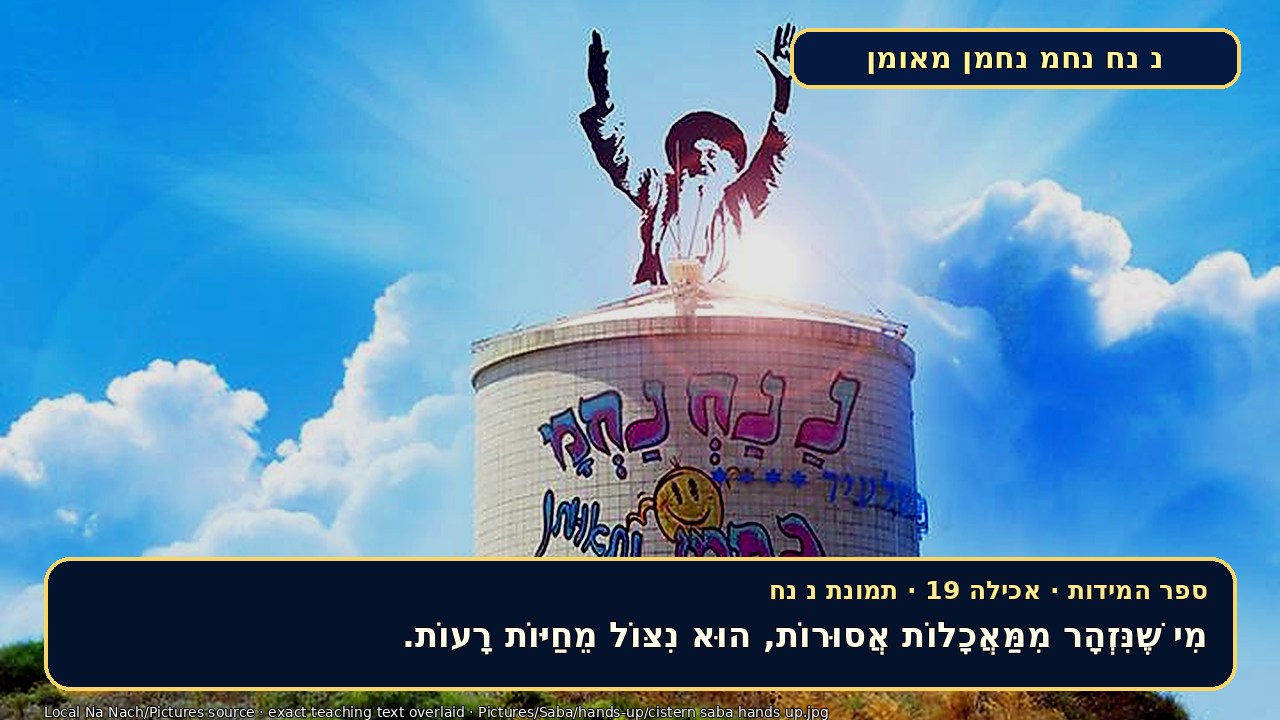
מִי שֶׁנִּזְהָר מִמַּאֲכָלוֹת אֲסוּרוֹת, הוּא נִצּוֹל מֵחַיּוֹת רָעוֹת.
10. One who guards himself from forbidden foods, he is saved from wild animals.
📷 Pictures / videos for this teaching
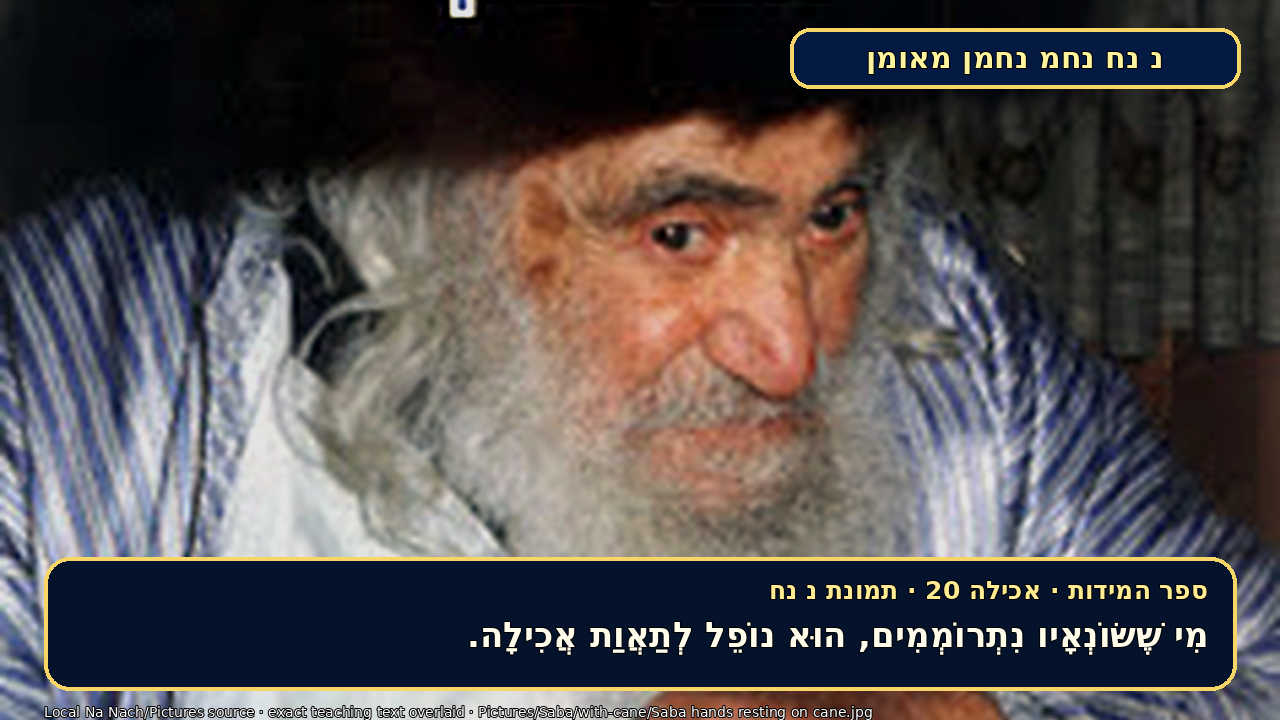
מִי שֶׁשּׂוֹנְאָיו נִתְרוֹמְמִים, הוּא נוֹפֵל לְתַאֲוַת אֲכִילָה.
11. One whose enemies are on the rise, he falls into the desires of food.
📷 Pictures / videos for this teaching
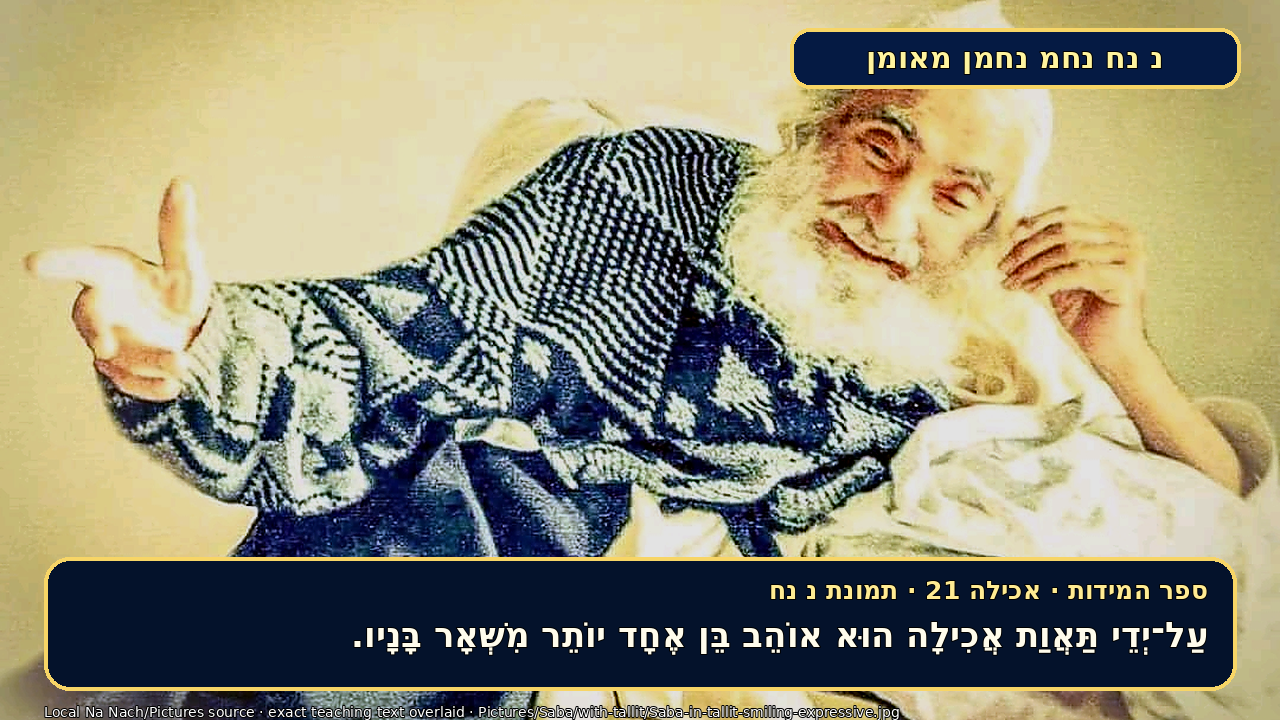
עַל־יְדֵי תַּאֲוַת אֲכִילָה הוּא אוֹהֵב בֵּן אֶחָד יוֹתֵר מִשְּׁאָר בָּנָיו.
12. Through desires of food, one comes to love one of his children more than the others.
📷 Pictures / videos for this teaching
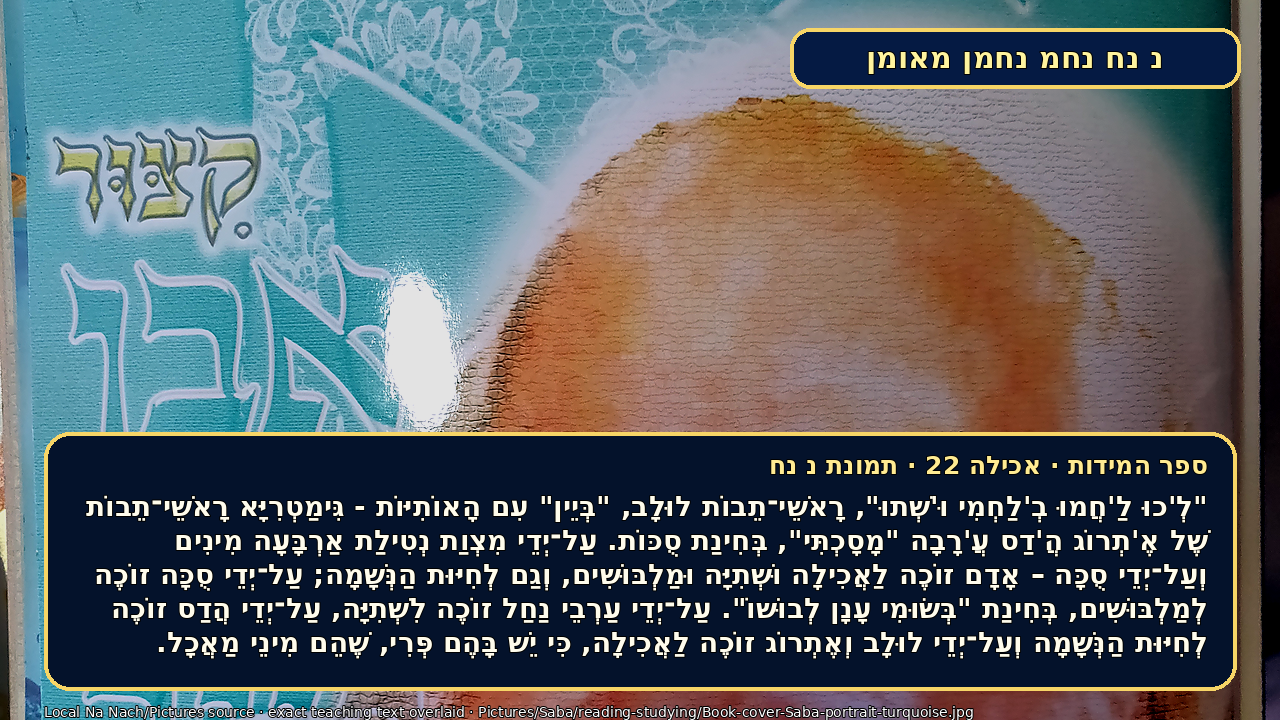
"לְ'כוּ לַ'חֲמוּ בְ'לַחְמִי וּ'שְׁתוּ", רָאשֵׁי־תֵבוֹת לוּלָב, "בְּיֵין" עִם הָאוֹתִיּוֹת - גִּימַטְרִיָּא רָאשֵׁי־תֵבוֹת שֶׁל אֶ'תְרוֹג הֲ'דַס עֲ'רָבָה "מָסָכְתִּי", בְּחִינַת סֻכּוֹת. עַל־יְדֵי מִצְוַת נְטִילַת אַרְבָּעָה מִינִים וְעַל־יְדֵי סֻכָּה – אָדָם זוֹכֶה לַאֲכִילָה וּשְׁתִיָּה וּמַלְבּוּשִׁים, וְגַם לְחִיּוּת הַנְּשָׁמָה; עַל־יְדֵי סֻכָּה זוֹכֶה לְמַלְבּוּשִׁים, בְּחִינַת "בְּשׂוּמִי עָנָן לְבוּשׁוֹ". עַל־יְדֵי עַרְבֵי נַחַל זוֹכֶה לִשְׁתִיָּה, עַל־יְדֵי הֲדַס זוֹכֶה לְחִיּוּת הַנְּשָׁמָה וְעַל־יְדֵי לוּלָב וְאֶתְרוֹג זוֹכֶה לַאֲכִילָה, כִּי יֵשׁ בָּהֶם פְּרִי, שֶׁהֵם מִינֵי מַאֲכָל.
13. “Come eat my food (bread) and drink…” (Proverbs 9:5). the initials of the Hebrew words in this verse spell Lulav (palm branch taken on Succos). "…with wine…" with the four letters of the word, has the same Gematria (numerical value) as the initials of Etrog, Hadas, Arava (citron, myrtle, willow). [The word] “Masachti—I mixed…” – is an aspect of Sukkot (in that the words share the same root letters). [Thus we derive that] through the Mitzvah of taking the Four Species and through [dwelling in] the Sukkah, a man merits to have food, drink, and clothing, and also that his soul will receive life-force. Through the sukkah one merits to have clothing, an aspect of "When I placed clouds as his garment." (Job 38:9) Through the willow one merits drinking, through the myrtle one merits to vitalize the soul, and through the lulav and the Etrog one merits eating, for they have fruits, which are types of food.
📷 Pictures / videos for this teaching
אֲכִילָה וּשְׁתִיָּה בָּא עַל־יְדֵי חֹק וּמִשְׁפָּט.
14. Food and drink come through law and justice.
📷 Pictures / videos for this teaching
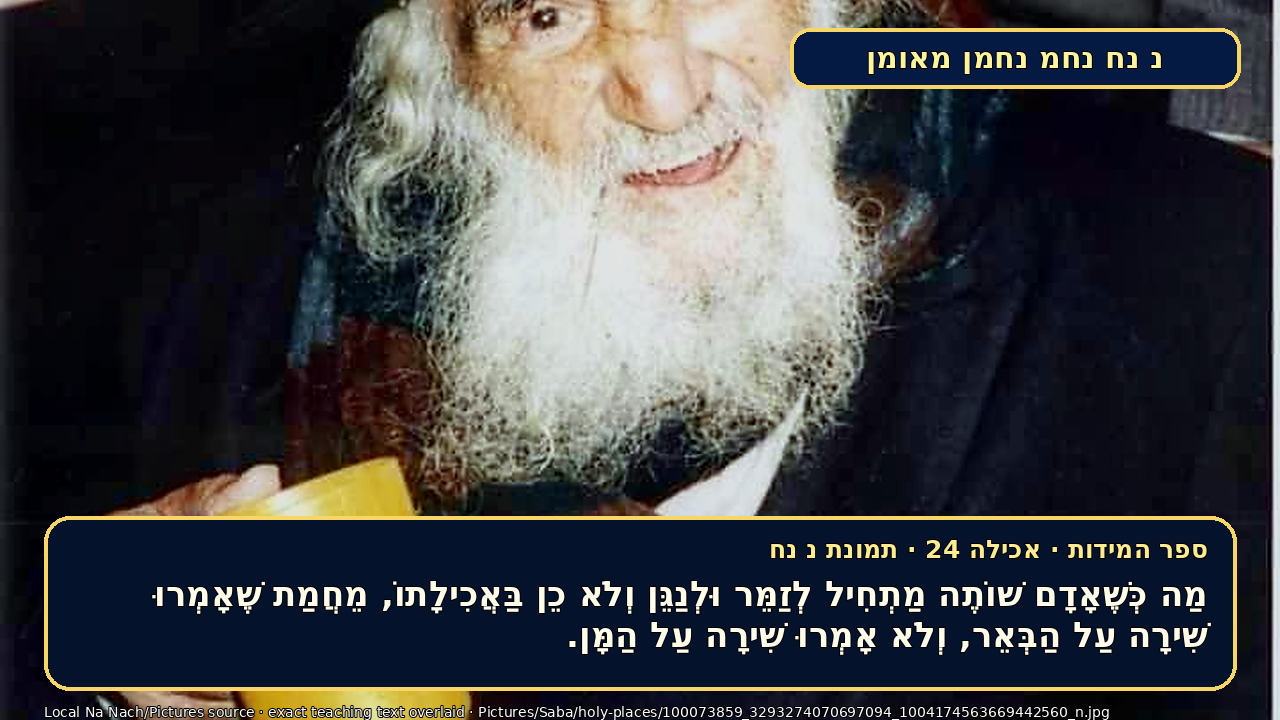
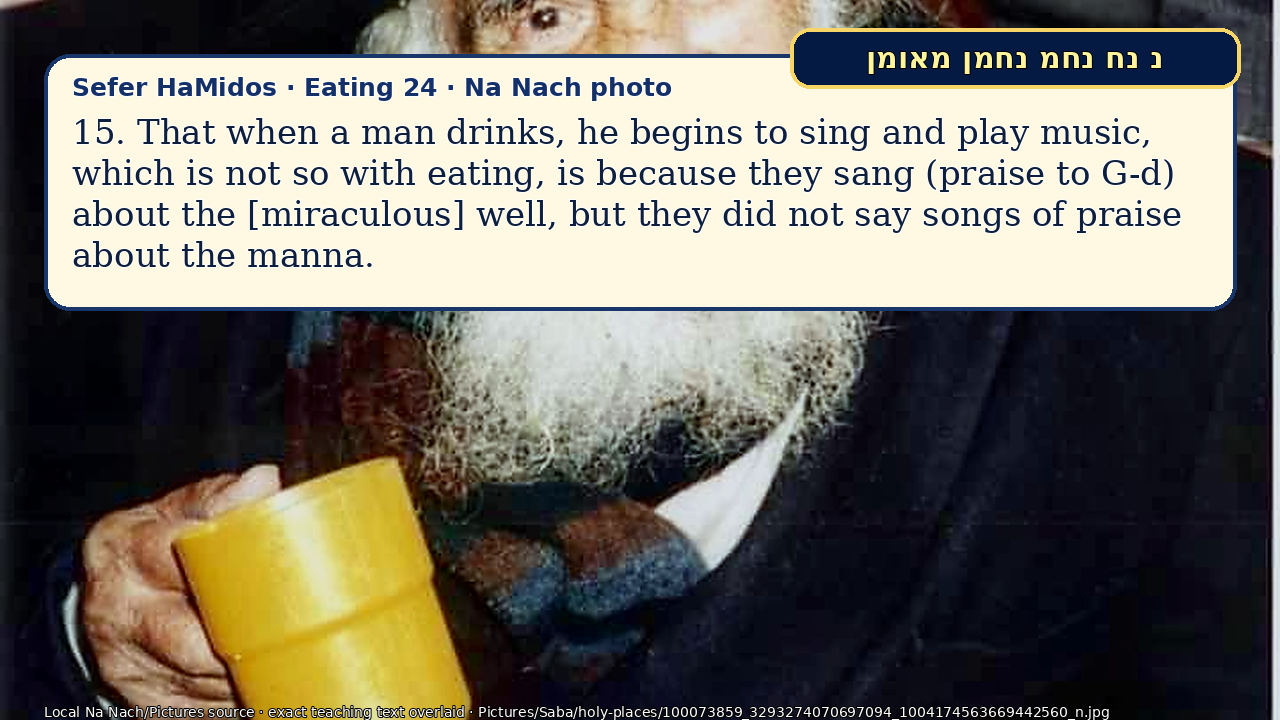
מַה כְּשֶׁאָדָם שׁוֹתֶה מַתְחִיל לְזַמֵּר וּלְנַגֵּן וְלֹא כֵן בַּאֲכִילָתוֹ, מֵחֲמַת שֶׁאָמְרוּ שִׁירָה עַל הַבְּאֵר, וְלֹא אָמְרוּ שִׁירָה עַל הַמָּן.
15. That when a man drinks, he begins to sing and play music, which is not so with eating, is because they sang (praise to G-d) about the [miraculous] well, but they did not say songs of praise about the manna.
📷 Pictures / videos for this teaching
Loading comments…